

Executive Overview
As the 2026 midterm election cycle enters its final, high-stakes sprint, American politics has devolved into an exercise in systemic fatigue and populist theater. Beneath the surface of chaotic daily headlines—ranging from bizarre executive orders to public squabbles over closed-door meetings—lies a more profound institutional crisis.
On one side, the Republican Party remains firmly tethered to the polarizing gravity of Donald Trump, weathering a storm of escalating economic anxieties, ballooning national debt, and contentious foreign policies by doubling down on grievance politics. On the other side, the Democratic Party is engaged in self-inflicted ideological friction, squandering precious momentum on internal purity tests and factional bickering between progressives and moderates.
This commentary examines the strategic perils facing both political factions with less than 70 days until voters head to the polls. As historical parallels surface—stretching all the way back to the Alien and Sedition Acts of 1798—the overarching lesson remains clear: while the opposition tears itself apart over procedural grievances and leadership style, the fundamental architecture of American constitutional governance hangs in the balance. For Democrats and anti-Trump independents, the immediate priority is not ideological perfection, but strategic alignment. The core imperative remains unchanged: focus on defeating the authoritarian threat first, and sort out internal disputes later.
Detailed Chronology: A Summer of Political Absurdity
The road to the 2026 midterms has been marked by a surreal escalation of political stunts, administrative departures, and policy maneuvers that defy traditional norms of governance.
- Early August 2026: The Trump administration’s internal staffing shifts make waves as White House Press Secretary Karoline Leavitt exits her role without a formal farewell briefing. Simultaneously, reports circulate regarding the administration’s increasingly insular inner circle, drawing scrutiny over executive transparency and West Wing management.
- Mid-August 2026: In a move blending policy with performative nationalism, President Trump signs an executive order formally attempting to rename Lake Ontario as "Lake America," drawing sharp ridicule from historians and international observers alike. This follows escalating economic tensions with America’s northern neighbor, highlighted by sharp exchanges between Canadian officials and the White House over looming tariffs and trade policies.
- Late August 2026: Democratic leadership faces intense internal turbulence. House Minority Leader Hakeem Jeffries finds himself in the crosshairs of progressive and moderate factions following reports of a closed-door meeting with Jared Kushner. Rather than pivoting outward to capitalize on public dissatisfaction with the ruling party, Democratic caucuses erupt into private recriminations and committee-room panic.
- The Final Sprint: With fewer than 70 days remaining before the November midterms, both parties stare down an electorate characterized by deep-seated "anti-incumbent" sentiment. While Trump urges the MAGA base to vote "like it’s me on the ballot," opposition voters grapple with disillusionment, questioning whether either major political institution truly represents their long-term economic and civic interests.
Supporting Context & Metrics: The State of the Union
To understand why this election cycle has grown so volatile, one must examine the socio-economic metrics driving voter anxiety. The contemporary political landscape is defined by a deep disconnect between Washington’s rhetoric and the kitchen-table realities of everyday Americans.
- The National Debt: The U.S. national debt has officially surpassed the $40 trillion threshold, a milestone achieved through successive administrations and legislative compromises that have consistently prioritized short-term political expediency over fiscal responsibility.
- Economic Strain: Despite administration claims of robust economic health, working-class Americans continue to navigate a punishing "gig economy" where multiple streams of income are frequently required just to cover basic living expenses. Soaring costs for basic goods—including staple foods and healthcare—contrast sharply with a tax code that critics argue remains heavily tilted toward corporate billionaires.
- Infrastructure and Public Services: Long-term investments in education, transportation, and public health remain bottlenecked by congressional gridlock. Public health indicators, such as localized resurgences of preventable illnesses, highlight the vulnerabilities of a strained federal infrastructure.
- Historical Echoes: The current atmosphere of executive overreach invites comparisons to past crises of American democracy. Just 22 years after the nation’s founding, the Fifth Congress passed the Alien and Sedition Acts of 1798, criminalizing criticism of the government and expanding deportation powers under the guise of national security. Today, contemporary proposals and executive actions reflect a persistent tension between civil liberties and executive authoritarianism—a theme eloquently addressed by Thomas Jefferson in his reflections on enduring political turbulence.
Official Statements and Political Reactions
The war of words between the opposing political camps has intensified, reflecting distinct electoral strategies as November approaches.
From the Republican Leadership:
Donald Trump and his congressional allies have leaned heavily into populist messaging, framing the midterms as an existential referendum on the MAGA agenda. In recent campaign appearances, Trump has sidestepped traditional policy defenses, instead urging supporters to treat the ballot box as a personal endorsement of his leadership. Defending the administration’s record, spokespeople have repeatedly pointed to judicial appointments, deregulation, and populist trade postures as core achievements, dismissing criticisms of foreign policy missteps and trade wars as partisan attacks by a hostile media.
From the Democratic Caucus:
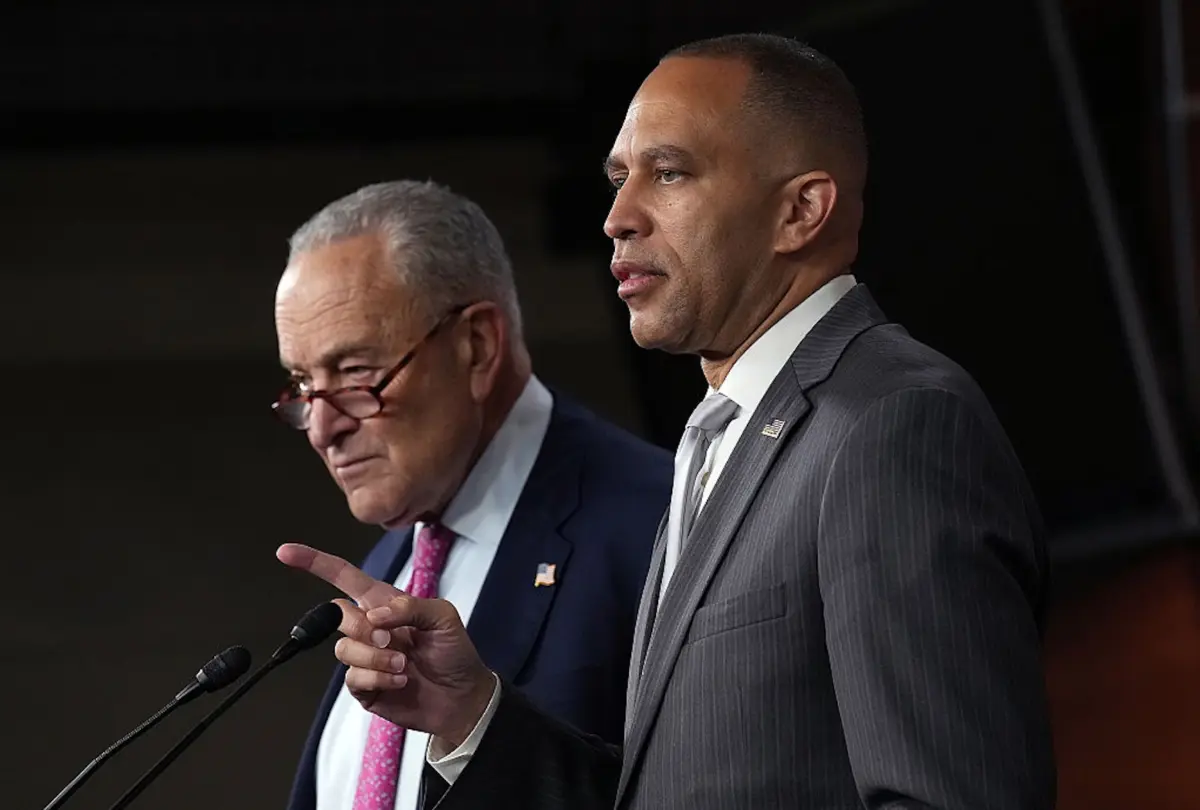
House Minority Leader Hakeem Jeffries and Senate Minority Leader Chuck Schumer have attempted to pivot the narrative toward the tangible failures of the current majority—highlighting healthcare costs, infrastructure stagnation, and democratic backsliding. However, their messaging has frequently been overshadowed by internal party friction. Moderate and progressive wings continue to spar over legislative strategy, candidate recruitment, and institutional traditions, prompting warnings from senior strategists that friendly fire is actively neutralizing their electoral advantages.
Future Outlook: The Choice Before the Electorate
As the calendar turns toward November, the overarching trajectory of the American republic hangs in the balance. The choices facing the electorate are starkly defined by two contrasting visions of governance.
If the ruling majority retains control of Congress, voters can expect a continuation of the status quo: defensive stonewalling on fiscal accountability, aggressive executive actions, ongoing trade disputes with traditional allies, and the persistent expansion of national debt to benefit corporate interests. Conversely, a victory for the opposition offers an alternative rooted in constitutional restoration, though the ultimate policy outcomes will depend entirely on whether Democrats can forge a cohesive legislative agenda.
The fundamental danger for the opposition lies in paralysis by analysis. History shows that when disparate coalitions permit ideological purity to eclipse strategic necessity, authoritarian impulses fill the vacuum. As Obi-Wan Kenobi’s timeless query reminds us—"Who’s more foolish, the fool, or the fool who follows him?"—voters and party leaders alike face a clear-cut choice.
The immediate task for the anti-Trump coalition is not to resolve every internal philosophical debate overnight, but to secure the integrity of democratic institutions at the ballot box. If the electorate fails to unite behind the defense of civil liberties and constitutional norms, the next two years will offer little entertainment—and a great deal of regret.
