

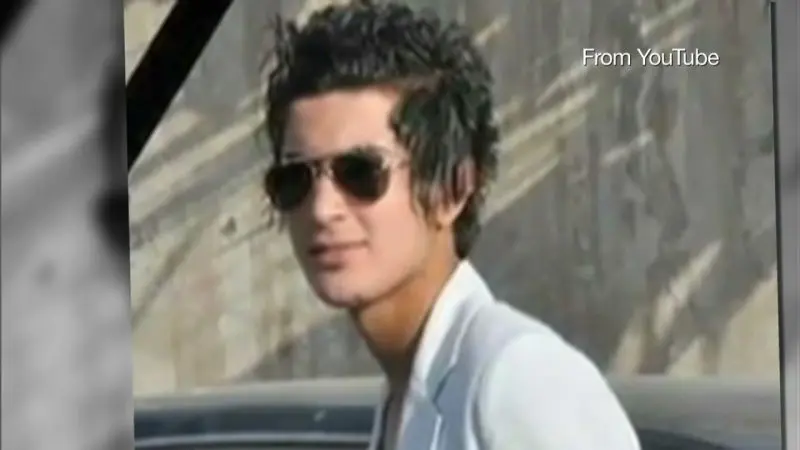
BAGHDAD — In the sprawling, concrete-laden alleyways of the Iraqi capital, an atmosphere of acute terror has taken root. A brutal wave of violence targeting young people perceived to be gay, lesbian, bisexual, transgender, or members of the "emo" subculture has sent shockwaves through the nation. For a generation that survived decades of sectarian war, foreign occupation, and civil unrest, a new and insidious threat has emerged from the shadows—one fueled by religious extremism, government-sanctioned moral panic, and a pervasive culture of impunity.
As families mourn their dead in quiet desperation, human rights defenders and international observers sound the alarm. The victims—often singled out merely for their clothing choices, hairstyles, or perceived sexual orientation—are being hunted in their own neighborhoods. Compounding the tragedy is the unsettling silence, and in some cases complicity, of state authorities, leaving vulnerable youth to wonder whether anyone is willing or able to protect them from the rising tide of bloodshed.
Executive Overview
The unfolding humanitarian and human rights crisis in Baghdad highlights a dangerous intersection of state-sponsored moral policing and violent vigilante justice. Over a compressed window of just three weeks, official tallies confirm that at least 14 individuals have been systematically murdered in targeted executions across the capital. However, human rights activists and local NGOs insist that these figures represent merely the tip of the iceberg, estimating that the real death toll since the beginning of February could stretch well into the dozens—with some unverified reports suggesting more than 100 casualties.
This violent crackdown follows closely on the heels of an official Interior Ministry statement that branded the youth-driven "emo" subculture as "Satanic" and vowed to eradicate it entirely from Iraqi society. The alignment between state rhetoric and lethal extrajudicial violence has created an environment where militant groups and conservative neighborhood watchdogs feel emboldened to act as judge, jury, and executioner.
For the victims, the danger is omnipresent. Death lists are pinned to walls, threatening letters are slid under doors, and school classrooms have become sites of ideological surveillance. The crisis not only exposes the fragile state of civil liberties in post-invasion Iraq but also underscores the severe vulnerability of non-conforming youth who find themselves trapped between violent extremists and a hostile government apparatus.
Detailed Chronology: Anatomy of a Wave of Terror
To understand how a subcultural fashion trend transformed into a death sentence, one must examine the rapid acceleration of events that unfolded in early 2012 across Baghdad’s volatile neighborhoods.
The Spark: Government Rhetoric and the "Satanic" Decree
The crisis escalated dramatically when the Iraqi Interior Ministry released a harshly worded public statement condemning the "emo" phenomenon. In Iraq, "emo" has largely served as a catch-all descriptor for youth who adopt elements of Western alternative fashion—characterized by tight jeans, dark clothing, band shirts, heavy eyeliner, and long, asymmetrical hairstyles.
Rather than viewing these trends through the lens of youthful self-expression, the Interior Ministry framed the movement as a direct assault on traditional Islamic values and public morality. The ministry officially declared the subculture "Satanic," announcing that law enforcement agencies would actively monitor and eradicate the phenomenon. Crucially, the decree authorized the deployment of community or "moral police" units directly into educational institutions across Baghdad, laying the groundwork for institutionalized surveillance of teenagers.
The Escalation of Violence in Shiite Enclaves
Within days of the government’s pronouncement, the nature of the threat shifted from ideological condemnation to lethal physical violence. Human rights monitors noted that the vast majority of the killings were concentrated in predominantly Shiite neighborhoods of Baghdad, including Sadr City, Shulaa, Ameen, and Tariq.
Unlike conventional criminal activity, these murders bore the hallmarks of targeted hate crimes. Victims were frequently found abandoned in remote areas, bearing signs of severe torture, bludgeoning with cinder blocks, or execution-style gunshot wounds. The brutality of the attacks appeared designed to send an unmistakable message of deterrence to anyone refusing to conform to rigid social norms.
The Campaign of Intimidation: Death Lists and Threatening Letters
As the body count rose, so did psychological warfare against the targeted communities. Activists and young people across Baghdad began receiving chilling warnings from anonymous vigilante factions.
One prominent gay activist, speaking to reporters on the condition of strict anonymity due to imminent danger, recounted receiving a hand-delivered letter at his residence in Sadr City. The document listed 33 specific individuals marked for execution.
"We strongly warn every male and female debauchee, if you do not stop this dirty act within four days, then the punishment of God will fall on you at the hands of Mujahideen," the letter read.
The activist was told by the local militiamen that if they captured him, they would bypass the "merciful" methods used on other victims and instead hack his body into pieces. Despite such harrowing threats, local security forces offered no meaningful protection, forcing many targets to go underground or flee their homes entirely.
Supporting Context & Metrics: Decoding the Crisis
Quantifying the scale of violence against LGBTQ+ and emo youth in Iraq remains a formidable challenge. Official statistics, independent investigations, and grassroots observations often present starkly divergent figures, reflecting the hidden nature of the abuse and the deep-seated fears that prevent victims from coming forward.
| Data Source | Reported Casualties (Timeframe) | Primary Geographic Focus | Key Observations |
|---|---|---|---|
| Interior Ministry Official | At least 14 deaths (3-week window) | Greater Baghdad | Acknowledges targeted killings but provides minimal operational details. |
| Human Rights Activists | Dozens to 100+ deaths (Since February) | Sadr City, Shulaa, Ameen, Tariq | Points to widespread underreporting due to family shame and police apathy. |
| Local Youth Accounts | Numerous localized assaults and threats | Capital school districts | Reports direct classroom interrogations by self-styled "moral police." |
The Societal Context of Conservative Backlash
Iraq’s societal landscape has undergone profound transformations following decades of war, sectarian conflict, and the rising influence of conservative religious militias. In many working-class neighborhoods, traditional tribal codes and strict religious interpretations hold sway over civil law.
In these settings, non-conformity—whether expressed through gender presentation, sexual orientation, or Western fashion—is frequently interpreted not merely as a personal choice, but as a cultural contagion imported by foreign occupiers. The perceived erosion of traditional family structures has generated a deep anxiety among conservative segments of the population, creating fertile ground for moral panics that can quickly spiral into mass violence.
Official Statements and Institutional Responses
The official response from the Iraqi government has been characterized by mixed messaging, bureaucratic deflection, and, at times, tacit endorsement of the anti-subculture campaign.
The Interior Ministry’s Position
While senior security officials privately acknowledge the surge in murders and express concern over the breakdown of public order, the public stance of the Interior Ministry has emphasized moral preservation. The ministry’s initial statement defending the crackdown on "Satanic" phenomena framed the initiative as a protective measure for Iraqi youth. However, critics argue that by categorizing non-violent youth subcultures alongside dangerous criminal elements, the government effectively provided a green light to extremist vigilantes.
Human rights organizations have repeatedly called upon the Iraqi government to issue unambiguous condemnations of the violence, investigate the source of the death lists, and prosecute those responsible for inciting hatred. Yet, formal investigations remain rare, and convictions for hate-motivated murders against LGBTQ+ individuals or non-conforming youth are virtually nonexistent.
The Silence of the International Community
International human rights watchdogs, including Amnesty International and Human Rights Watch, have issued urgent appeals urging Iraqi authorities to halt the crackdown and protect marginalized groups. However, geopolitical complexities and the broader security challenges facing the Iraqi state have often relegated the protection of sexual and gender minorities to the sidelines of international diplomatic engagement.
Future Outlook: A Generation Living in the Shadows
The convergence of state-sanctioned moral panic, unchecked vigilante violence, and institutional apathy has created a profound crisis for Iraq’s youth. The psychological impact of the ongoing campaign extends far beyond the immediate circle of victims and their families.
The Chilling Effect on Youth Culture
Throughout Baghdad, teenagers and young adults have rapidly abandoned any markers of individuality that might draw the attention of neighborhood zealots. Hairstyles have been cropped, wardrobes overhauled to favor conservative, loose-fitting garments, and public gatherings of alternative youth have virtually ceased.
Kamel Saad, a 16-year-old student in Baghdad, described the palpable fear that has permeated his school environment. After men identifying as community police entered his classroom to interrogate students about "suspicious behavior" and emo sympathizers, Saad and his peers felt compelled to alter their appearance entirely.
"I thought it was about terrorism," Saad said, recalling the initial panic when security personnel walked into his classroom. "But later, when the police explained more, we realized that they were talking about emo. All my friends in the school decided to change their hair style and change their clothes, too, even though we’re not emo or gay."
A Long Road to Safety
As long as impunity reigns and state rhetoric continues to frame diversity as a threat to national security, Iraq’s LGBTQ+ and non-conforming youth will remain trapped in a daily struggle for survival. For many, the only viable option is secrecy, exile, or assimilation into a rigid societal mold.
The crisis in Baghdad serves as a stark reminder of how quickly civic space can collapse when state authorities harness moral outrage for political or cultural consolidation, leaving the most vulnerable citizens entirely exposed to the whims of the mob.
