

Executive Overview
For decades, the unwritten rules of corporate dressing demanded a painful sacrifice: professional polish came at the direct expense of physical wellbeing. Navigating marble-floored lobbies, rushing between back-to-back boardroom meetings, and standing at a standing desk for hours meant enduring throbbing arches, pinched toes, and, worst of all, chronic lower back pain. But as modern work culture undergoes a profound evolution toward hybrid schedules, employee wellness, and hybrid dress codes, footwear is experiencing its own long-overdue renaissance.
Enter the era of the sophisticated office sneaker. This autumn, the market has pivoted toward a smarter, more ergonomic category of footwear. Designers and ergonomic specialists have proven that professionals no longer have to choose between a sharp aesthetic and orthopedic safety. Today’s best office-appropriate sneakers seamlessly blend podiatrist-backed arch support, shock-absorbing midsole cushioning, and stability features with elevated materials like buttery full-grain leather, rich suede, and sleek minimalist silhouettes.
Far from looking sloppy or out of place, this season’s top offerings bridge the gap between performance comfort and corporate wear. From timeless low-profile tennis shoes to hands-free slip-ins and retro-inspired soccer silhouettes rendered in rich autumn neutrals like chocolate brown, deep burgundy, and forest olive, the modern work shoe has fundamentally changed. This comprehensive report explores the intersection of workplace ergonomics, fashion, and consumer trends, analyzing the best footwear options designed to protect your feet and lower back while keeping your professional image impeccably intact.
Detailed Chronology: The Evolution of Workplace Footwear
To understand how sneakers made their triumphant, permanent entry into the corporate boardroom, one must trace the gradual erosion of rigid office dress codes over the past fifteen years.
Phase I: The Tech Boom and Business Casual Disruption (Early 2010s)
The initial shift away from stiff leather oxfords and pinching high heels began in the technology sector. Silicon Valley startups popularized a hyper-casual dress code where hoodies and canvas skate shoes were the norm. As these tech companies scaled into global conglomerates, their cultural influence bled over into traditional industries like finance, law, and consulting. However, early attempts to wear sneakers to traditional offices often resulted in friction—sneakers were either too athletic, brightly colored, or visually discordant with tailored suits.
Phase II: The Athleisure Boom and Pandemic Reset (2020–2022)
The global pandemic fundamentally altered the relationship between workers and their wardrobe infrastructure. Millions of professionals spent months working from home in slippers, running shoes, or barefoot. Upon returning to the physical office, workers staged a collective resistance against uncomfortable clothing. The demand for hard-soled dress shoes plummeted, while sales for cushioned, supportive footwear skyrocketed. Employers, eager to entice workers back to physical desks, relaxed dress codes, making room for elevated, clean-lined sneakers that offered comfort without looking unprofessional.
Phase III: The Architectural Shift to Ergonomics (Present Day)
Today, the conversation has moved beyond mere casualness into the realm of preventative health. Podiatrists, chiropractors, and physical therapists have increasingly spoken out against the long-term musculoskeletal damage caused by flat loafers and high heels—specifically noting their direct link to lumbar spine strain, plantar fasciitis, and postural degradation.
In response, footwear manufacturers have completely re-engineered the lifestyle sneaker. Brands are no longer simply slapping a leather upper onto a standard athletic sole; instead, they are integrating advanced foam technology, anatomical heel pillows, and stability shanks into shoes designed specifically to complement pleated trousers, blazers, and midi skirts. This autumn marks the tipping point where comfort technology and high fashion have fully merged.
Supporting Context & Metrics: The Hidden Cost of Unsupportive Footwear
The transition toward supportive office footwear is driven by more than just a passing fashion trend; it is a direct response to a mounting physical crisis among desk and retail workers alike.
The Ergonomics of the Spine and Feet
According to orthopedic specialists, the human foot acts as the primary shock absorber for the entire skeletal system. When a worker wears completely flat shoes (such as classic ballet flats) or rigid, unpadded loafers on hard office flooring for eight to ten hours a day, the impact forces travel directly up the kinetic chain—affecting the ankles, knees, hips, and, most prominently, the lumbar spine.

- Lumbar Strain: Lack of arch support forces the foot’s natural shock-absorbing mechanisms to collapse, causing internal rotation of the legs. This subtle postural misalignment alters the pelvic tilt, placing continuous, unnatural tension on the lower back muscles and vertebrae.
- The 10,000-Step Reality: Modern workers are increasingly incorporating movement into their days, whether through active commuting, walking meetings, or simply pacing while on phone calls. A sedentary worker who suddenly logs several thousand steps in unsupportive footwear is prime for developing acute foot fatigue and chronic lower back flare-ups.
Market Economics and Consumer Shifts
Consumer data reflects this profound change in buyer priorities. Retail analytics show a double-digit year-over-year increase in the sales of "hybrid" footwear—shoes marketed as versatile enough for professional, athletic, and casual settings. Furthermore, consumers are increasingly seeking out accessible luxury and budget-conscious options. The market is saturated with high-performing, stylish alternatives priced under $100 that rival the aesthetic and structural integrity of designer labels costing three times as much.
The Ultimate Fall Office Sneaker Guide: Curated Picks for Every Workspace
To help you navigate the vast array of options on the market, we have broken down the season’s premier office-ready sneakers by brand, design philosophy, and ergonomic benefit.
1. Heritage Revivals and Clean Leather Icons
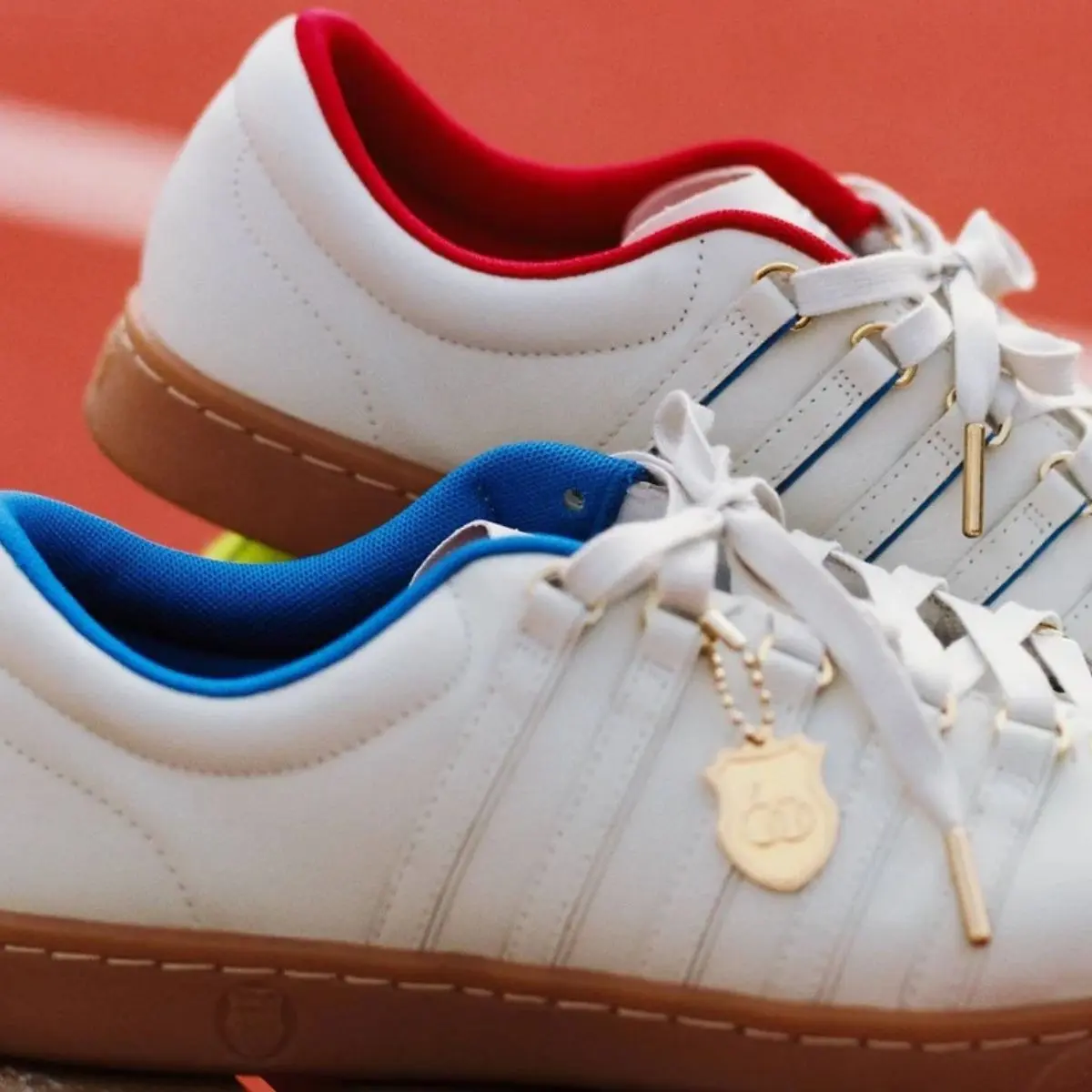
K-Swiss KSRC BEFORE THE CLASSIC
- The Backstory: Before K-Swiss officially launched its iconic Classic model in 1966, the company designed an early prototype that never saw the light of day. Today, this archival design has been resurrected in a limited-edition drop.
- Why It Works for the Office: Featuring a sophisticated suede texture, the signature five stripes, and modernized all-day cushioning, this sneaker bridges retro athletic heritage with contemporary polish. Pair it with a wide-leg wool trouser and a crisp poplin button-down.
K-Swiss COURT VARSITY
- The Design: A streamlined, contemporary silhouette tailored specifically for light activity and daily wear.
- Ergonomic Edge: The layered synthetic leather upper provides structured lateral support, while the slim, low-profile sole ensures it looks sophisticated rather than bulky under tailored corporate wear.
K-Swiss CLASSIC 66 NXT
- The Heritage Pick: A faithful nod to the original 1966 design, upgraded with buttery, soft full-grain leather.
- Professional Appeal: The clean white or tonal leather options look remarkably sharp when paired with structured blazers and pleated midi skirts, projecting an air of intentional, effortless style.
Quince 100% Leather Everyday Sneaker
- The Minimalist Standard: For conservative offices where footwear must remain understated, Quince’s 100% leather sneaker is a foolproof choice.
- Why Buy: Clean lines, zero loud branding, and a supple leather exterior mean it blends seamlessly into dressier corporate environments. It pairs just as effortlessly with a knit shift dress as it does with a sharp pantsuit.
Adidas Gender Inclusive Samba OG Sneaker
- The Timeless Classic: Soccer-inspired retro sneakers have cemented their place as permanent fixtures in modern capsule wardrobes.
- Styling Note: The low-profile silhouette and subtle colorways of the Samba OG make it exceptionally versatile. It brings an effortless, high-low energy to pleated trousers and structured outerwear, ensuring you look intentional and chic throughout the workday.
2. Effortless Slip-Ins for Maximum Convenience
Skechers Slip-ins: Hotshot
- Designed For: Long days that involve extensive standing and walking.
- Comfort Technology: Outfitted with luxurious suede accents and a breathable, air-cooled memory foam insole, the Hotshot absorbs impact efficiently, shielding both your arches and your lower back from fatigue.
Skechers Slip-ins: Contour Foam – Cozy Fit Luxe Comfort
- The Ultimate Cushion: This model is an ergonomic powerhouse disguised as a chic seasonal shoe.
- Key Features: It features Skechers’ patented Heel Pillow technology, a quilted corduroy and duraleather overlay, tied-off stretch laces for a tailored look, a supportive Contour Foam midsole, and an Air-Cooled Memory Foam insole. It is specifically engineered to maximize weight distribution and reduce lower lumbar strain.
Skechers Go Walk Flex Grand Entry Sneaker
- The Commuter’s Dream: Hands-free entry technology meets ultra-plush cushioning in this machine-washable marvel.
- Why It Belongs in Your Rotation: The molded heel panel allows you to step directly into the shoe without bending over, while stretchy laces provide a secure fit. The interior memory foam padding makes it feel like you are walking on clouds—ideal for high-step-count days.
3. Budget-Friendly Style and Pop-Color Statements
LUCKY STEP Women’s Retro Sneakers
- The Value Play: Proving that high style doesn’t require a steep price tag, these retro-inspired sneakers retail at an accessible $40 price point.
- Office Suitability: Smooth leather construction and understated retro silhouettes make them ideal 9-to-5 companions. They are an effortless way to inject a subtle pop of color into monochromatic corporate tailoring without violating dress code norms.
New Balance Gender Neutral 471 Sneaker
- The Trendy Hybrid: New Balance continues to master the art of the lifestyle runner. The 471 model features a slim, aerodynamic profile with sophisticated suede accents.
- Wardrobe Integration: It gives professional wardrobes a modern, fashion-forward lift without leaning into overly chunky dad-shoe territory.
4. High-Performance Hybrid Kicks for the On-the-Go Professional
Salomon XT-Whisper Sneakers
- The Active Professional’s Choice: For the worker who logs 10,000 steps before lunch, commutes via bicycle or brisk walking, and transitions directly from the desk to after-hours errands.
- Why It Works: While engineered with top-tier athletic performance and stability features, the XT-Whisper features low-key colorways and sleek framing that allow it to pass seamlessly in creative or relaxed office settings. You can finally ditch the second pair of commuting shoes stashed under your desk.
Official Statements & Expert Guidance
Industry experts and medical professionals continue to emphasize the importance of transitioning away from unsupportive footwear.
Dr. Elena Vance, a prominent podiatrist specializing in workplace biomechanics, notes:
"We see a direct correlation between rigid, flat footwear and chronic musculoskeletal complaints in office workers. When you spend eight hours a day on hard commercial flooring, your feet need dynamic support. Modern lifestyle sneakers that incorporate high-density memory foam, structured arches, and shock-absorbing midsoles are not just a fashion statement—they are a vital preventive health measure for your spine and joints."
Styling experts also emphasize that the key to pulling off sneakers in a professional environment lies in maintenance and silhouette pairing. Fashion director Marcus Vance advises:
"The golden rule of wearing sneakers to the office is cleanliness and tailoring. Your kicks must be immaculate—no scuffs, pristine leather or brushed suede. Pair them with tailored trousers that break neatly at the ankle, or structured blazers that create sharp lines. When the tailoring is sharp, a clean sneaker looks intentional, modern, and fiercely stylish."
Future Outlook: The Permanent Shift in Corporate Dress Codes
As we look toward the future of work, the rigid corporate uniform of the 20th century is officially a relic of the past. The hybrid work model has permanently prioritized human comfort, mental wellness, and physical health.
Employers have recognized that employees who are physically comfortable and free from foot and back pain are measurably more productive, focused, and engaged. Consequently, dress codes will continue to lean into flexibility. Footwear brands are responding with massive investments in research and development, ensuring that tomorrow’s office sneakers will feature even more advanced biomechanical engineering, sustainable materials, and high-fashion aesthetics.
Investing in a pair of supportive, stylish office sneakers this fall is more than a seasonal wardrobe update—it is an investment in your long-term physical health, ensuring you can conquer your career goals without ever having to look back—or look down in pain.
