

Executive Overview
The intersection of health, wellness, and confectionery has long been fraught with compromise. For decades, consumers seeking functional benefits—such as elevated protein intake, sustained energy, or cognitive focus—were forced to trade culinary pleasure for nutritional utility. Chalky protein bars, flavorless meal-replacement shakes, and cardboard-textured "health cookies" became the standard-issue currency of the wellness movement.
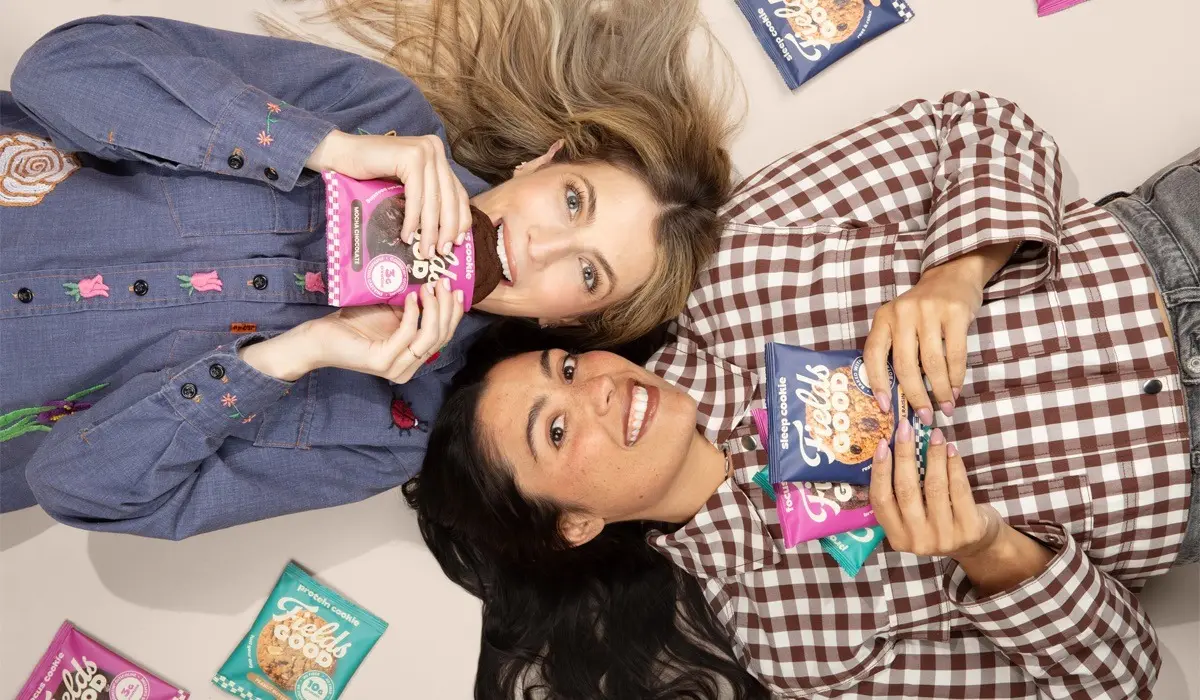
Enter Ashley Fields. As the co-founder of Fields Good and the daughter of iconic baking pioneer Debbi Fields—the visionary behind Mrs. Fields Cookies—Ashley occupies a unique lineage at the crossroads of heritage baking and modern nutritional science. Speaking on Tuesday at ADWEEK’s prestigious Brandweek summit, Fields pulled back the curtain on how her emerging functional snack brand successfully entered a crowded market to critical acclaim and early commercial traction.
In a candid, unscripted conversation with ADWEEK Executive Editor Alison Weissbrot, Fields articulated a bold mission: shifting consumer perceptions of what a healthy cookie can, and should, taste like. By developing proprietary recipes that infuse traditional comfort foods with functional benefits—ranging from mental focus to high-protein recovery—Fields Good has carved out a lucrative whitespace in the multi-billion-dollar wellness snack industry.
This deep-dive investigative report examines the genesis of Fields Good, the mechanics of its market disruption, the legacy of the Fields baking dynasty, and the broader macroeconomic shifts driving the functional food revolution.
Detailed Chronology: From Baking Royalty to Functional Innovation
The Legacy of Mrs. Fields: A Foundation in Quality
To understand the philosophy driving Fields Good, one must first examine the towering legacy of its predecessor. In the late 1970s, Debbi Fields revolutionized the American culinary landscape by betting on a simple, uncompromising premise: if you use the finest, freshest ingredients—real butter, premium chocolate, and uncompromised recipes—consumers will notice the difference. The Mrs. Fields brand grew from a single storefront in Palo Alto, California, into a global phenomenon synonymous with artisanal indulgence.
Growing up immersed in this culture of baking excellence, Ashley Fields absorbed not just the operational mechanics of the food business, but an obsessive dedication to taste and texture.
"We’re actually trying to shift people’s perception of what a healthy cookie could taste like," Fields told the audience at Brandweek.
That mindset became the ideological bedrock of her entrepreneurial journey. While many second-generation founders choose to replicate their family’s success by iterating on the original product, Fields recognized that consumer values had fundamentally shifted. The contemporary consumer no longer viewed pure indulgence as an acceptable daily reward; wellness, longevity, and nutritional efficacy had taken center stage.
Identifying the Market Gap
The inception of Fields Good did not happen overnight. It was born out of personal frustration and acute market observation. As an active consumer navigating the high-pressure modern lifestyle, Fields sought snacks that could fuel her cognitive and physical performance without triggering the dreaded blood-sugar crash associated with traditional sweets.
The diagnostic phase of the company involved meticulous research into existing "healthy" alternatives. What Fields found was a binary market:
- Indulgent Treats: High in taste, high in sugar, refined flour, and empty calories, offering zero nutritional utility.
- Wellness Snacks: Functional, protein-packed, or low-sugar, but plagued by unpalatable textures, artificial aftertastes, and uninspiring branding.
Fields identified a massive opening: the intersection of uncompromising sensory pleasure and targeted functional science. Rather than treating functionality as an afterthought or a bitter medicine to be masked, Fields Good positioned functionality as an enhancement to the core baking experience.
Formulating the Future: R&D and Early Reception
Developing a cookie that delivers functional benefits—such as cognitive focus, sustained energy, and clean protein—without relying on traditional inflammatory agents like refined flours and heavy sugars is an immense chemical challenge. In baking, sugar and fat are not merely flavor enhancers; they are structural agents that dictate moisture, spread, crispness, and mouthfeel.
Over months of exhaustive kitchen trials and nutritional chemistry collaborations, Fields engineered proprietary recipes that replaced traditional problem ingredients with nutrient-dense, functional alternatives. The result was a product line that defied category expectations.
When Fields Good quietly introduced its initial product lines to the market, the reception defied industry skepticism. Early adopters, fitness enthusiasts, and corporate professionals alike lauded the brand for delivering an authentic cookie experience that doubled as a functional supplement. By prioritizing taste equality over nutritional compromise, the brand bypassed the traditional skepticism directed at health-food startups.
Supporting Context & Metrics: The Rise of Functional Foods
The Macroeconomic Landscape of Functional Snacks
The success of Fields Good does not occur in a vacuum; it is reflective of a massive, structural shift in global consumer packaged goods (CPG). According to recent market research, the global functional food and beverage market is projected to surpass $300 billion by the end of the decade, propelled by post-pandemic health awareness and an increasingly preventative approach to personal healthcare.
Consumers are no longer looking for food simply to stave off hunger; they are demanding that every calorie work harder. Key growth drivers within this sector include:
- Cognitive Health & Nootropics: Ingredients that support mental clarity, focus, and stress reduction.
- Macronutrient Optimization: Clean protein sources, fiber enrichment, and low-glycemic indexing.
- Clean-Label Transparency: The systematic elimination of artificial preservatives, refined sugars, and synthetic sugar alcohols that cause gastrointestinal distress.
Navigating the Competitive CPG Battlefield
Despite the booming market, launching a challenger brand in the snack category is notoriously perilous. The center aisles of supermarkets are dominated by multinational conglomerates with vast distribution networks and deep marketing war chests. To survive, emerging brands like Fields Good must leverage agility, digital-first community building, and authentic storytelling.
| Strategic Pillar | Traditional CPG Approach | Fields Good Challenger Strategy |
|---|---|---|
| Product Formulation | Cost-optimized mass production; flavor masked by additives. | Premium functional ingredients; uncompromising taste parity. |
| Brand Heritage | Corporate identity; disconnected from founders. | Intergenerational baking legacy married to modern wellness. |
| Go-to-Market | Broad retail saturation from day one. | Community-driven, direct-to-consumer validation followed by targeted retail expansion. |
| Consumer Engagement | Transactional advertising campaigns. | Unscripted conversations, experiential marketing (e.g., ADWEEK House). |
As retail buyers increasingly prioritize brands that can capture the elusive Gen Z and Millennial demographics, storytelling rooted in authentic founder journeys—such as Ashley Fields building upon the legacy of Debbi Fields—provides an immediate trust signal that capital-backed startups struggle to manufacture.
Official Statements and Industry Insights
The dialogue between Ashley Fields and ADWEEK Executive Editor Alison Weissbrot at Brandweek provided critical insights into the strategic psyche of modern founders. Below are key excerpts and analytical breakdowns of the core philosophies shared on stage:
"We’re actually trying to shift people’s perception of what a healthy cookie could taste like."
— Ashley Fields, Co-Founder, Fields Good
Analyst Takeaway: This statement encapsulates the psychological barrier facing the entire functional snack category. For decades, consumers have been conditioned to accept that "healthy" implies a sacrifice in flavor. By reframing the mission as a perceptual shift rather than a dietary restriction, Fields Good positions itself not as a restriction-based diet brand, but as an upgrade to everyday living.
Furthermore, the setting of the announcement—ADWEEK’s Brandweek—underscores the evolving nature of brand-building. Modern food brands cannot rely solely on taste; they must operate as media-savvy cultural entities capable of engaging in transparent, unscripted conversations with their consumers. Events like ADWEEK House serve as vital crucibles where commerce, media, and advertising converge to shape the cultural zeitgeist of consumer habits.
Future Outlook: What Lies Ahead for Fields Good and the Functional Sector
Scaling the Brand Without Compromising Integrity
As Fields Good transitions from an early-acclaimed startup to a scalable commercial player, the leadership team faces the classic scaling dilemma: how to expand distribution, optimize supply chains, and enter major retail partnerships without diluting the uncompromising quality that fueled their initial success.
Maintaining rigorous oversight of ingredient sourcing will be paramount. As consumer scrutiny reaches all-time highs, transparency is no longer optional. Brands that attempt to cut corners during hyper-growth phases invariably face severe backlash from digitally empowered communities.
Product Line Expansion and Innovation Pipelines
Looking forward, the roadmap for Fields Good involves deeper exploration into specialized functional verticals. While initial offerings successfully targeted focus and protein, future product iterations are expected to explore:
- Sleep and Recovery Formulations: Incorporating adaptogens and botanicals designed for evening relaxation.
- Gut Health Optimization: Infusing prebiotic fibers and specialized micro-biomes to support digestive wellness.
- Seasonal and Heritage Collaborations: Leveraging the broader culinary legacy of the Fields family to bridge classic indulgence with cutting-edge functional science.
The Broader Horizon for the Industry
The trajectory of Fields Good serves as a bellwether for the future of the food and beverage industry. As wellness becomes seamlessly integrated into daily routines, the division between "treats" and "supplements" will continue to dissolve. Consumers will increasingly expect their favorite comfort foods to deliver holistic health benefits, and conversely, they will demand that their health supplements taste like comfort food.
In this rapidly evolving landscape, brands that honor culinary heritage while aggressively embracing nutritional innovation will dictate the market. Under the guidance of leaders like Ashley Fields—who understand both the emotional resonance of a warm cookie and the rigorous demands of modern nutritional science—the future of snacking looks remarkably bright, delicious, and functional.