

Executive Overview
In an era defined by ubiquitous micro- and nanoplastic pollution, researchers are racing to uncover innovative biological mechanisms capable of mitigating the silent invasion of synthetic polymers into human biology. Now, a breakthrough discovery from the Republic of Korea has shifted the paradigm of environmental medicine and nutritional science alike.
The World Institute of Kimchi (WiKim), a premier government-funded research organization operating under South Korea’s Ministry of Science and ICT, has announced a compelling scientific discovery: a specific lactic acid bacterium isolated from traditional kimchi can actively bind to nanoplastics within the gastrointestinal tract, safely facilitating their removal from the body through natural excretion.
Led by Dr. Hae Choon Chang, the Institute’s research initiative centers on Leuconostoc mesenteroides CBA3656, a probiotic strain naturally occurring in the revered Korean fermented vegetable dish. Rigorous in vitro assays and in vivo animal models have demonstrated that this resilient bacterium possesses an extraordinary capacity to adsorb polystyrene nanoplastics—even when subjected to the harsh, fluctuating chemical environments of the human digestive system.
This multi-institutional finding moves far beyond the traditional culinary and gut-health benefits associated with fermented foods. It introduces an exciting, biologically grounded framework for countering micropollutant bioaccumulation. As environmental toxins increasingly compromise human physiology, this research positions traditional dietary microflora as an unexpected therapeutic ally in public health protection.
Detailed Chronology of the Discovery
The journey from a humble jar of fermenting cabbage to a cutting-edge environmental health study reflects years of methodical, multidisciplinary scientific inquiry.
Phase 1: Identifying the Microbial Candidate
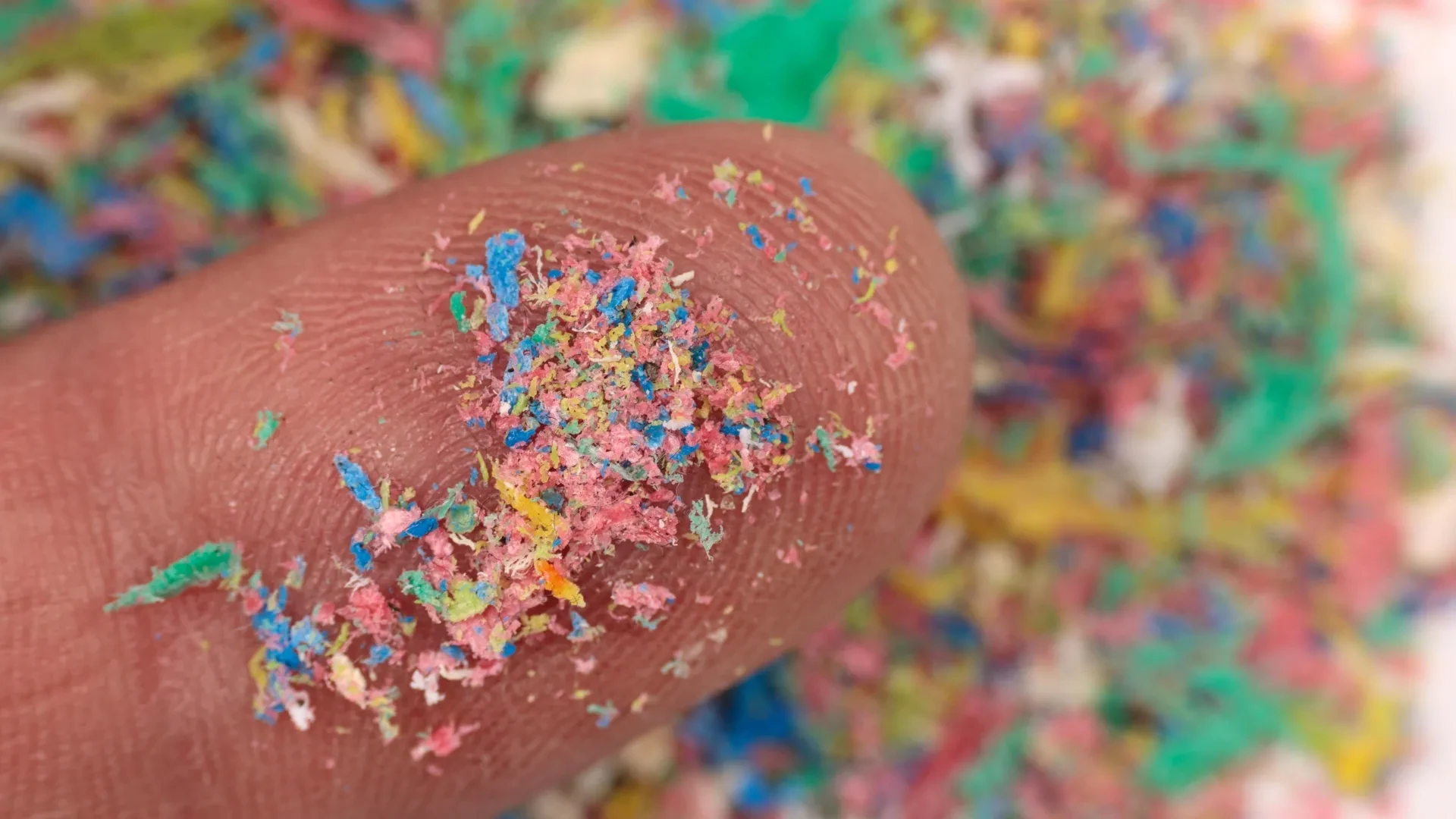
The investigation began as WiKim researchers—spearheaded by Drs. Se Hee Lee and Tae Woong Whon—sought to explore the uncharted interactions between beneficial food-borne microbes and anthropogenic environmental pollutants. Nanoplastics, defined as ultrafine plastic particles measuring less than 1 micrometer ($mu$m), represent an insidious class of contaminants. Unlike larger microplastics that are often expelled mechanically, nanoplastics bypass conventional biological filters due to their minuscule scale.
The research team hypothesized that certain lactic acid bacteria (LAB) native to fermented foods might exhibit surface-active properties capable of trapping or binding these foreign synthetic polymers. Out of numerous strains screened, Leuconostoc mesenteroides CBA3656 emerged as a primary candidate due to its robust cell-surface architecture and historical safety profile in human consumption.
Phase 2: In Vitro Adsorption Stress Testing
To evaluate whether strain CBA3656 could interact with synthetic pollutants, the team first tested its adsorption capacity against polystyrene nanoplastics (PS-NPs) under standard, controlled laboratory conditions.
The initial results were promising: strain CBA3656 displayed a high adsorption efficiency of 87%. This performance was exceptionally competitive, standing neck-and-neck with the established reference strain Latilactobacillus sakei CBA3608, which recorded an 85% adsorption rate.
However, laboratory baseline tests do not replicate the grueling biochemical gauntlet of the human digestive tract. The researchers immediately subjected both strains to simulated human intestinal conditions—complete with varying pH levels, digestive enzymes, and bile salts.
While the reference strain Latilactobacillus sakei CBA3608 suffered a catastrophic performance drop, plummeting to a mere 3% adsorption rate, Leuconostoc mesenteroides CBA3656 proved remarkably resilient. It maintained a substantially higher adsorption efficiency of 57%. This stark contrast revealed that the kimchi-derived strain possessed unique structural or biochemical durability, allowing it to stably anchor to nanoplastic particles where other strains failed.
Phase 3: In Vivo Confirmation via Germ-Free Animal Models
Encouraged by in vitro resilience, the research team transitioned to biological validation using a germ-free mouse model. This controlled animal architecture allowed researchers to isolate the exact physiological impact of the probiotic without interference from a complex, pre-existing gut microbiome.
The experimental design divided the subjects into test groups receiving daily administrations of strain CBA3656 and control groups receiving no probiotics, while both cohorts were exposed to controlled levels of nanoplastics.
The results were statistically decisive: both male and female mice administered strain CBA3656 exhibited more than a twofold increase in the concentration of nanoplastics detected in their feces compared to the control group. This direct empirical evidence confirmed that the probiotic bacteria did not merely bind to the particles in a test tube; they actively escorted the synthetic pollutants through the gastrointestinal tract, culminating in safe physiological elimination.
Supporting Context & Metrics
To fully grasp the magnitude of this discovery, one must examine the escalating crisis of nanoplastic pollution and the specific biochemical metrics that make Leuconostoc mesenteroides CBA3656 an outlier in microbiological research.
The Invisible Threat of Nanoplastics
Modern industrial civilization has flooded global ecosystems with synthetic polymers. While macro-plastics degrade slowly into larger fragments, environmental weathering, UV radiation, and mechanical friction break these materials down further into microplastics and, ultimately, nanoplastics ($<1 mutextm$, or one-thousandth of a millimeter).
Due to their sub-micron dimensions, these particles possess high surface-area-to-volume ratios and unique physicochemical properties that allow them to:
- Cross Biological Barriers: Nanoplastics can effortlessly breach the intestinal epithelial barrier, entering the human circulatory and lymphatic systems.
- Accumulate in Target Organs: Once systemic, these particles have been documented crossing the blood-brain barrier and lodging within vital filtering organs such as the kidneys and liver.
- Carry Chemical Hitchhikers: Their large surface areas act as magnets for heavy metals, persistent organic pollutants (POPs), and pathogenic biofilms, compounding their toxicity upon internal deposition.
Until recently, remediation strategies for human internal exposure were virtually non-existent. Medical science has focused almost exclusively on macro-level environmental cleanups, leaving the internal human burden largely unaddressed.
Quantitative Breakdown of the WiKim Study
The empirical data gathered by Drs. Lee and Whon establishes clear benchmarks for probiotic-mediated pollutant clearance:
| Experimental Parameter | Latilactobacillus sakei CBA3608 (Reference) | Leuconostoc mesenteroides CBA3656 (Kimchi Strain) |
|---|---|---|
| Standard Lab Adsorption Efficiency | 85% | 87% |
| Simulated Intestinal Adsorption Rate | 3% | 57% |
| Fecal Excretion Increase in Mice | Baseline (Control) | >200% (Twofold Increase) |
The ability of strain CBA3656 to retain 57% adsorption efficiency under simulated physiological stress—while a standard laboratory reference strain drops to an ineffective 3%—highlights a profound evolutionary adaptation in food-fermentation bacteria. It suggests that the dense, complex microbial ecosystems of traditional fermented foods select for robust cell envelopes capable of enduring hostile chemical environments.
Official Statements & Expert Perspectives
The intersection of nutritional heritage and cutting-edge environmental toxicology has drawn international attention from the scientific community.
Dr. Sehee Lee, lead researcher of the study, emphasized the broader societal implications of the team’s work during an official briefing at the World Institute of Kimchi:
"Plastic pollution is increasingly recognized not only as an environmental issue affecting oceans and wildlife, but as an insidious public health concern directly impacting human physiology. Our findings suggest that microorganisms derived from traditional fermented foods could represent an entirely new biological approach to address this emerging challenge."
Dr. Lee further elaborated on the philosophical and practical trajectory of the Institute’s ongoing research mandate:
"We are moving past the era where probiotics are viewed solely through the narrow lens of gut motility and digestion. By demonstrating that food-borne microbes can actively sequester synthetic environmental toxins, we open the door to preventive nutritional therapies. We will continue to expand the scientific value of kimchi microbial resources to contribute robust, nature-based solutions to modern public health and environmental crises."
Senior toxicologists and microbiologists unaffiliated with the study have similarly lauded the research for its methodological rigor. By pairing high-throughput in vitro gastric simulations with whole-organism murine validation, the WiKim team has established a gold standard for evaluating diet-based mitigation of micro-pollutants.
Future Outlook & Therapeutic Horizons
As the World Institute of Kimchi prepares for the next phases of its research pipeline, several critical questions and development pathways emerge.
1. Clinical Trials and Human Translation
While murine models provide invaluable foundational data, the ultimate validation requires human clinical trials. Future research will need to determine whether daily supplementation with Leuconostoc mesenteroides CBA3656 can safely and effectively enhance nanoplastic excretion in human subjects exposed to normal background levels of environmental plastics. Researchers will need to optimize dosage, delivery mechanisms (such as functional foods or targeted supplements), and evaluate long-term safety profiles across diverse human demographics.
2. Expanding the Microbial Library
Kimchi is not a monolith of a single bacterial strain; it is a dynamic, evolving microbial metropolis featuring hundreds of distinct species and strains of lactic acid bacteria, including various species of Leuconostoc, Lactobacillus, Weissella, and Pediococcus.
- Researchers at WiKim are already turning their attention to screening other resident kimchi microflora.
- The goal is to identify synergistic multi-strain consortia that might offer even higher adsorption efficiencies or target different classes of chemical plasticizers (such as phthalates and bisphenols) frequently associated with microplastics.
3. Engineering Functional Foods and Nutraceuticals
The commercial implications of this discovery are profound. The functional food and nutraceutical sectors are projected to experience explosive growth as consumers seek proactive defenses against environmental degradation.
- Potential applications range from specialized probiotic yogurts and fermented beverage formulations to pharmaceutical-grade chelating supplements designed for populations with high occupational or environmental exposure to microplastics.
- Furthermore, integrating strain CBA3656 into everyday fermented products could transform traditional dietary habits into an active, low-cost public health defense mechanism.
4. A Paradigm Shift in Environmental Medicine
Ultimately, the work being conducted at the World Institute of Kimchi underscores a profound ecological truth: nature often holds the antidote to the synthetic pressures of human industry. While halting plastic pollution at its source remains the ultimate global imperative, transitional remediation strategies are urgently required to protect the bodies of current and future generations.
By leveraging the evolutionary resilience of kimchi’s ancient microbial guardians, science has taken a monumental step forward, turning a staple of Korean culinary heritage into a modern shield against the invisible plastic tide.