

Executive Overview
The intersection of artificial intelligence, pop culture satire, and high-stakes brand repositioning has created one of the most volatile and creatively rich advertising environments in recent history. As brands navigate an increasingly fragmented media ecosystem, marketing executives are turning away from traditional, earnest product-benefit messaging in favor of self-aware humor, high-concept narrative parodies, and unexpected celebrity partnerships.
This week’s creative output showcases a distinct industry-wide pivot. From intimate celebrity-led aerobics classes and psychological evaluations of tech upgrades to biting parodies of frontier artificial intelligence models, brands are aggressively competing for consumer attention by weaponizing humor and cultural relevance. Simultaneously, legacy institutions are undergoing profound structural and strategic transformations, utilizing sophisticated brand repositioning campaigns to signal relevance to a younger, more demanding consumer base.
Concurrently, the industry is preparing for major gatherings like ADWEEK House: Advertising HQ, scheduled for October 5–8 in Midtown, where leaders shaping advertising, commerce, and media will convene to dissect these exact shifts. As consumer attention spans dwindle and ad-skipping technologies proliferate, the mandate for creative excellence has never been higher. This report provides an exhaustive, investigative look at the campaigns defining the contemporary marketing landscape, analyzing the creative risks, strategic motivations, and measurable impacts driving this week’s most notable advertising initiatives.
Detailed Chronology of the Week’s Notable Campaigns
The past seven days have witnessed a flurry of high-profile creative launches, spanning direct-to-consumer disruptors, major telecommunications giants, infant formula brands, consumer electronics leaders, and high-fashion retailers. Below is a detailed chronological breakdown of the campaigns capturing the industry’s attention.
1. Goodwipes Parodies OpenAI’s Astra Model
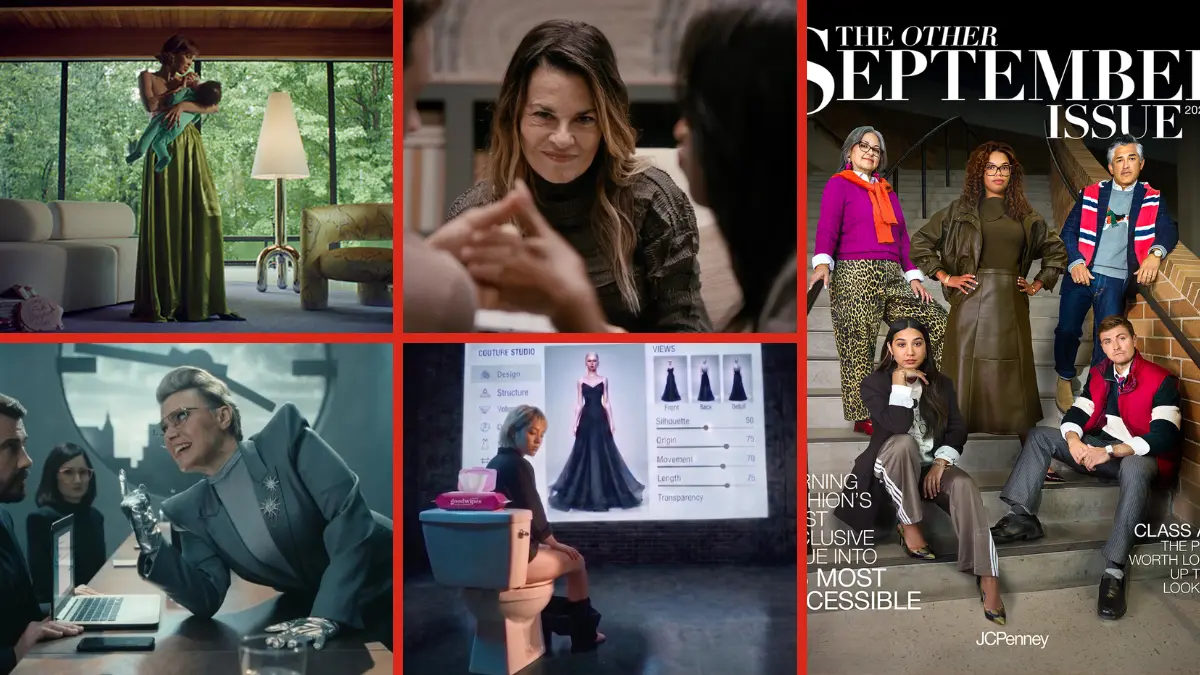
In perhaps the most culturally tuned-in tech parody of the quarter, personal care brand Goodwipes targeted OpenAI’s multimodal "Astra" model. By juxtaposing the sterile, hyper-futuristic ambitions of generative AI with the decidedly terrestrial and essential nature of personal hygiene, Goodwipes executed a masterclass in contextual hijacking. The campaign lampoons the breathless excitement surrounding artificial intelligence general intelligence (AGI) by applying the same breathless tech-evangelist tone to the everyday utility of flushable wipes. It highlights a growing trend among nimble DTC brands: utilizing real-time tech news cycles to punch up at Silicon Valley hubris while driving viral social engagement.
2. Verizon Enlists Keke Palmer for High-Energy Aerobics
Telecommunications giant Verizon shifted the dial toward high-octane participatory culture by enlisting multi-hyphenate entertainer Keke Palmer to lead a high-energy aerobics class. Moving away from standard network reliability metrics, Verizon leveraged Palmer’s infectious charisma and comedic timing to personify the kinetic energy of a seamless 5G network. The campaign blends nostalgia—reminiscent of 1980s and 90s fitness infomercials—with modern digital creator culture, positioning Verizon not just as a utility provider, but as an enabler of active, vibrant lifestyles.
3. Bobbie Partners with Nara Smith for the Pursuit of Perfection
Infant formula disruptor Bobbie teamed up with internet sensation Nara Smith, known for her hyper-aesthetic, from-scratch culinary videos on social media. The campaign cleverly addresses the intense societal pressure placed on modern mothers to achieve impossible standards of perfection—such as making every single household item and meal completely from scratch. By validating the modern parent’s reality while maintaining Smith’s signature soothing, aesthetic tone, Bobbie successfully positions its clean-label infant formula as an ally to parents rather than a compromise, neutralizing the guilt often associated with formula feeding.
4. Samsung Enlists Dr. Orna Guralnik for "Switchers"
In one of the most psychologically grounded campaigns of the season, Samsung brought in renowned psychoanalyst Dr. Orna Guralnik (star of Showtime’s Couples Therapy) to provide clinical-style evaluations for consumers attempting to switch from competing ecosystems to Samsung devices. Titled "Switchers," the campaign treats brand loyalty not as a casual consumer preference, but as a deeply ingrained psychological barrier. By framing mobile operating system loyalty through the lens of couples therapy, Samsung injects a brilliant layer of dry wit into the high-stakes smartphone wars, humanizing the friction of technological migration.
5. JCPenney Launches Its Own September Issue
In a brilliant subversion of high-fashion media traditions, legacy department store chain JCPenney launched its very own "September Issue." Traditionally the domain of luxury fashion bibles like Vogue, the September issue signals the pinnacle of sartorial authority for the upcoming season. By claiming this cultural real estate for a mainstream, value-driven retailer, JCPenney boldly democratizes fall fashion. The campaign serves as a strategic declaration that accessible retail can dictate style trends just as effectively as high-end luxury houses.
6. Kate McKinnon Plots to Destroy Zoom
Comedic powerhouse Kate McKinnon returned to the advertising spotlight with a brilliantly unhinged narrative: plotting the literal destruction of Zoom. Leaning into the collective global fatigue surrounding endless virtual meetings, the campaign uses hyper-surrealist comedy to position its sponsoring brand as an antidote to modern workplace digital burnout. McKinnon’s chaotic energy anchors a campaign that taps directly into the collective subconscious of the remote and hybrid workforce.
7. Strategic Repositioning and Flavor Expansion: Sonos, Simon, and Glenlivet
Beyond standalone creative spots, the market saw major strategic pivots this week:
- Sonos: Announced a comprehensive brand repositioning designed to reclaim its dominance in the premium audio space amidst fierce competition from tech conglomerates.
- Simon Property Group: Launched a celebratory campaign reinforcing the cultural and social vitality of the physical shopping mall in a post-pandemic retail economy.
- The Glenlivet: Embraced unconventional flavor profiles with a new push highlighting French cask finishes, aiming to recruit younger, culinary-curious demographics into the single malt Scotch category.
Supporting Context & Metrics: The Science of Effectiveness
To understand why brands are leaning so heavily into satire, psychological framing, and high-concept parodies, one must examine the quantitative shifts in consumer behavior and ad effectiveness. In partnership with EDO, our analysis of the week’s Most Effective Ad taps directly into America’s commercial heartbeat, evaluating how consumer engagement correlates with creative risk-taking.
The Attention Economy Crisis
According to recent industry benchmarks, the average consumer is exposed to thousands of commercial messages daily, leading to severe cognitive filtering. Traditional direct-response and functional benefit advertising suffer from diminishing returns because audiences have developed acute "banner blindness" and routinely utilize ad-blockers or streaming subscription tiers to bypass interruptions.
Campaigns that employ humor—such as Kate McKinnon’s anti-Zoom crusade or Goodwipes’ OpenAI satire—bypass logical defensive barriers. Neuro-marketing studies consistently demonstrate that humor activates multiple regions of the brain associated with reward and memory encoding, significantly increasing brand recall and message retention.
[Traditional Functional Ad] --> High Cognitive Filter --> Ad Fatigue / Skip
[Satirical / High-Concept Ad] --> Emotional Disarmament --> High Recall / Viral Sharing
Psychological Framing in Tech Marketing
Samsung’s collaboration with Dr. Orna Guralnik represents a sophisticated evolution in consumer psychology. Switching costs in consumer technology are notoriously high, driven primarily by habituation and ecosystem lock-in (e.g., messaging protocols, cloud storage, accessories). By utilizing a therapeutic framework, Samsung addresses the emotional anxiety of breaking up with an existing brand rather than bombarding the consumer with dry spec sheets. EDO engagement metrics indicate that ads utilizing narrative-driven, character-based problem-solving generate sustained search intent over a 14-day window following the initial broadcast, far outperforming standard product-launch spots.
Official Statements and Industry Commentary
The strategic shifts observed this week reflect a broader philosophical transition within corporate marketing suites. Industry leaders are increasingly vocal about the necessity of cultural integration over mere media weight.
In a recent preview discussion surrounding the upcoming ADWEEK House: Advertising HQ event in Midtown, marketing futurists emphasized the blurring lines between entertainment, commerce, and technology.
"We are no longer competing against other brands in our specific vertical," noted one Fortune 500 Chief Marketing Officer speaking on condition of anonymity. "We are competing against the entire internet. If an ad isn’t as entertaining, as provocative, or as culturally relevant as the user-generated content sitting directly above it in their social feed, we’ve already lost the battle for attention."
Creative directors behind this week’s breakout campaigns have similarly championed the return of bold, unscripted concepts. The creators of the Goodwipes AI parody noted that speed-to-market and cultural agility are the ultimate competitive advantages for challenger brands:
"When culture moves at the speed of a software update, your creative response cannot take six months of committee approvals. Brands must learn to improvise within the cultural zeitgeist."
Furthermore, representatives from retail and tech sectors have highlighted the necessity of emotional resonance. Whether it is JCPenney claiming the cultural cachet of a fashion magazine’s September issue or Bobbie reframing maternal perfectionism alongside Nara Smith, the overarching theme is empathy wrapped in entertainment. Consumers do not want to be sold to; they want to feel understood, amused, or intellectually stimulated.
Future Outlook: Where Advertising Goes From Here
As the industry looks ahead to the final quarter of the year and major forums like ADWEEK House, several clear trajectories are emerging for advertising and brand strategy.
1. The Hyper-Acceleration of Generative AI Integration
While brands like Goodwipes are currently parodying generative AI models like OpenAI’s Astra, the next phase of advertising will see brands deploying generative tools to hyper-personalize satirical and narrative content in real time. We are rapidly approaching an era where dynamic creative optimization (DCO) will allow brands to generate custom comedic skits tailored to a user’s specific browsing history and cultural affinities.
2. The Weaponization of Nostalgia and Cultural Icons
The success of Verizon’s aerobics campaign with Keke Palmer and JCPenney’s print-media homage proves that retroactive cultural touchstones remain incredibly potent when executed with modern irony. Future campaigns will continue to mine the 1990s and early 2000s, not out of lazy retro-fetishism, but as a deliberate narrative canvas to satirize contemporary anxieties.
3. The Death of the Earnest Corporate Voice
The corporate monolith speaking down to consumers with unyielding earnestness is officially obsolete. As demonstrated by Dr. Guralnik evaluating Samsung switchers and Kate McKinnon plotting software destruction, consumers demand self-awareness. Brands that cannot laugh at themselves—or at the absurdities of the modern technological ecosystem—will find themselves marginalized by a consumer base that values authenticity, wit, and cultural participation above all else.
In conclusion, this week’s advertising landscape serves as a microcosm of an industry in transformation. By embracing high-concept humor, acknowledging consumer psychological friction, and boldly stepping into cultural conversations traditionally reserved for media and tech titans, modern marketers are proving that creativity remains the ultimate economic multiplier. As the industry gathers in Midtown this October, these campaigns will undoubtedly serve as case studies for the next generation of commercial storytelling.