

Executive Overview
In the fast-evolving landscape of digital marketing and search engine optimization (SEO), data-driven decision-making separates market leaders from lagging competitors. Finding the right terms to target is no longer a matter of guesswork or relying on rudimentary search volume estimations. Today, enterprise-level optimization demands sophisticated software suites capable of dissecting vast swathes of competitive data, uncovering hidden market gaps, and structuring massive topical authority maps.
At the vanguard of this capability stands Semrush, an industry-standard platform featuring an expansive multi-billion-keyword database. This comprehensive operational blueprint explores advanced workflows for leveraging Semrush’s core keyword research apparatus—specifically the Keyword Manager, the Keyword Magic Tool, and the Keyword Gap tool. By utilizing targeted filtering, structural gap analysis, and automated topical clustering, digital marketers, in-house SEO teams, and agency professionals can systematically capture high-intent search traffic, scale content creation workflows, and maximize return on investment.

Detailed Chronology: Evolving from Basic Queries to Advanced Semantic Mapping
The discipline of search engine optimization has undergone a profound structural shift over the past decade. Early optimization efforts relied on simplistic volume-chasing strategies, where practitioners targeted broad, highly competitive head terms with little regard for user intent or conversion viability.

Phase 1: Capitalizing on Quick Wins with Existing Assets
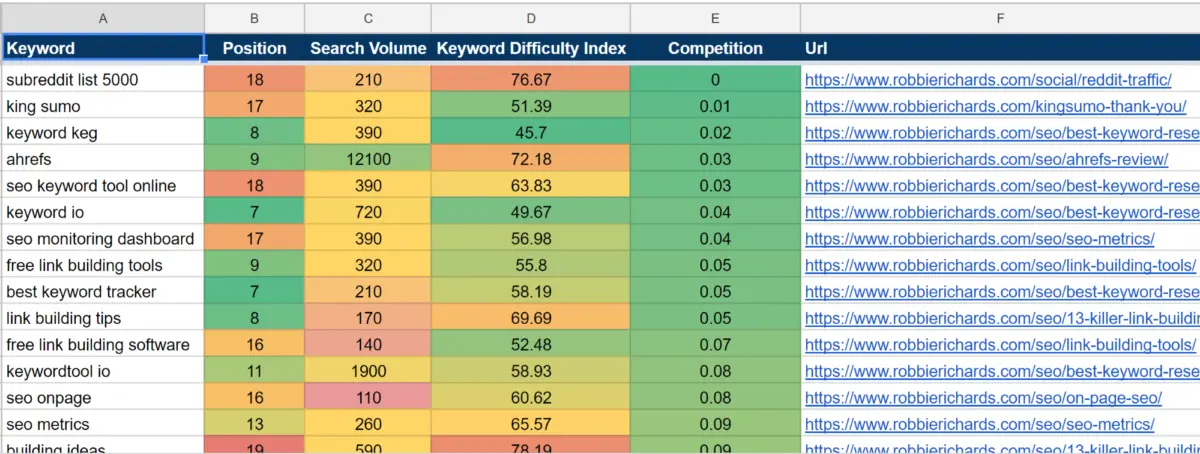
Modern SEO strategy dictates that the most efficient starting point for any website with an established content footprint is not chasing net-new keywords, but rather optimizing existing rankings. By extracting search terms for which a domain already ranks between positions 4 and 15, digital marketers can unlock immediate organic traffic gains with minimal effort.

Within the Semrush SEO Toolkit, navigating to the Organic Research >> Positions report exposes all baseline rankings. Applying advanced parameters—such as filtering for specific search positions, minimum monthly search volumes, and manageable Keyword Difficulty (KD) thresholds—isolates the most viable page-one and page-two opportunities. Segmenting these extracted assets into targeted internal lists allows teams to prioritize "quick-win" optimizations, bridging the gap between current visibility and first-page dominance.

Phase 2: Dissecting Competitor Ecosystems
Once low-hanging fruit has been identified, the focus shifts outward toward competitive intelligence. Rather than guessing what target audiences desire, top-performing brands analyze the exact content strategies driving traffic to rival domains.

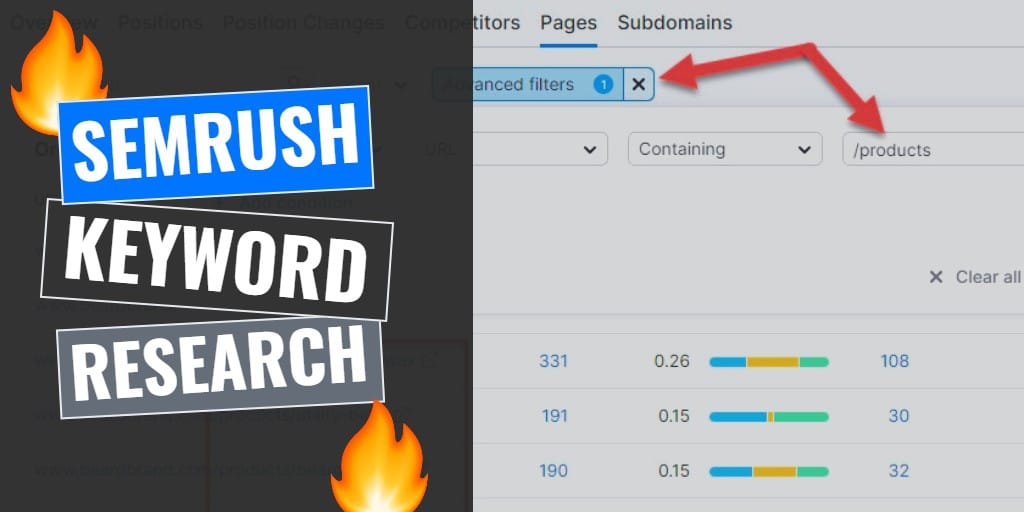
By analyzing a competitor’s top-performing URLs via the Organic Research >> Pages report, practitioners can isolate specific product or service subfolders (such as /products/ for e-commerce or /legal-services/ for legal practices). When explicit subfolder structures are absent, strategic keyword modifiers—such as "best," "review," or "software"—can be deployed to isolate high-intent transactional or informational queries.

Phase 3: Executing Comprehensive Gap Analysis
To uncover missed opportunities, the Semrush Keyword Gap tool compares multiple competitor domains against a target asset simultaneously. This functionality exposes missing keywords (terms where competitors rank but the target site does not) and weak keywords (terms where the target site ranks lower than its competitors). By layering search intent parameters, volume minimums, and strict KD limitations over these gap reports, SEO professionals can synthesize a laser-focused roadmap for net-new content development.

Phase 4: Scaling via Topical Clustering and Management
The final phase of modern keyword research involves organizing sprawling keyword lists into logical semantic architectures. Using the Keyword Magic Tool and Keyword Manager, raw terms are transformed into topical clusters. This structural approach ensures that content creators build comprehensive topical authority, signaling expertise to search engines and capturing high-intent long-tail traffic across the entire buyer’s journey.

Supporting Context & Metrics: Unlocking the Mechanics of Semrush Tools
To execute these strategies effectively, marketers must master the underlying metrics and configurations within the Semrush ecosystem. Understanding how to interpret Data-driven indicators like Keyword Difficulty, search intent, and paid-versus-organic overlaps is critical for resource allocation.

The Power of Granular Filtering
Raw data is rarely actionable on its own. Semrush provides advanced filtering capabilities that allow users to drill down into specific subsets of data:

- Keyword Difficulty (KD%): Measures how hard it would be to rank in the top organic search results for a given term. Filtering by maximum KD ensures that resources are not wasted on hyper-competitive terms prematurely.
- Search Intent Classification: Semrush automatically tags keywords by intent—Informational, Navigational, Commercial, or Transactional. Aligning target keywords with the correct funnel stage ensures that landing pages match user expectations, directly boosting conversion rates.
- SERP Features: Filtering by specific SERP features (such as Featured Snippets, Local Packs, or Reviews) helps marketers tailor their content formatting to capture prime real estate on search engine results pages.
Integrating Paid and Organic Intelligence (PPC-Organic Gap Analysis)
One of Semrush’s most distinguishing capabilities is its ability to cross-reference paid and organic search data. This unlocks two primary strategic plays:

- Providing Paid Aircover: Brands can identify high-priority organic keywords for which they currently rank outside the top three positions and cross-reference them against active paid search campaigns. By bidding on these terms via PPC, businesses can secure guaranteed visibility while their organic SEO efforts mature.
- Identifying High-Value Conversion Gaps: If a competitor is actively investing paid ad spend into a specific keyword, it serves as a strong signal of high conversion intent. Running a gap analysis on paid competitor terms highlights lucrative organic targets that are worth building dedicated content around.
Future Outlook: The Convergence of Intent, Architecture, and AI-Driven Integration
As search engine algorithms become increasingly sophisticated, driven by machine learning and natural language processing, the future of keyword research will rely less on exact-match targeting and more on comprehensive semantic resonance.

The Shift Toward Topical Authority
Search engines no longer evaluate web pages in isolation; they reward topical depth and contextual completeness. Tools like the Semrush Keyword Manager and its automated clustering capabilities are vital for this paradigm shift. By grouping thousands of disparate search queries into distinct semantic clusters, marketers can construct pillar pages and topic clusters that signal unquestionable authority to search crawlers.

Seamless Workflow Integration
The true value of modern SEO platforms lies in workflow consolidation. Rather than exporting data across multiple disconnected spreadsheets and third-party tools, platforms like Semrush offer native bridges between research and execution. Once a target keyword list is finalized within the Keyword Manager, data can be transmitted directly into tracking tools to monitor performance over time, or sent straight into content optimization assistants to guide copywriting.

This seamless continuum—from raw data extraction and competitive gap analysis to semantic clustering and content production—represents the gold standard for digital marketing operations. Organizations that master these integrated workflows will maintain a distinct competitive advantage, securing sustainable, high-intent organic traffic well into the future.