

Executive Overview
In the mid-2000s, Dateline NBC correspondent Chris Hansen became an unlikely American pop-culture phenomenon. Armed with a hidden-camera sting operation, a stern and lilting newscaster cadence, and a signature opening line—"Why don’t you have a seat right over there?"—Hansen exposed men who arrived at suburban homes believing they were meeting minors for illicit encounters. Yet, almost as quickly as the show cemented its place in the true-crime zeitgeist, it mutated into a meme.
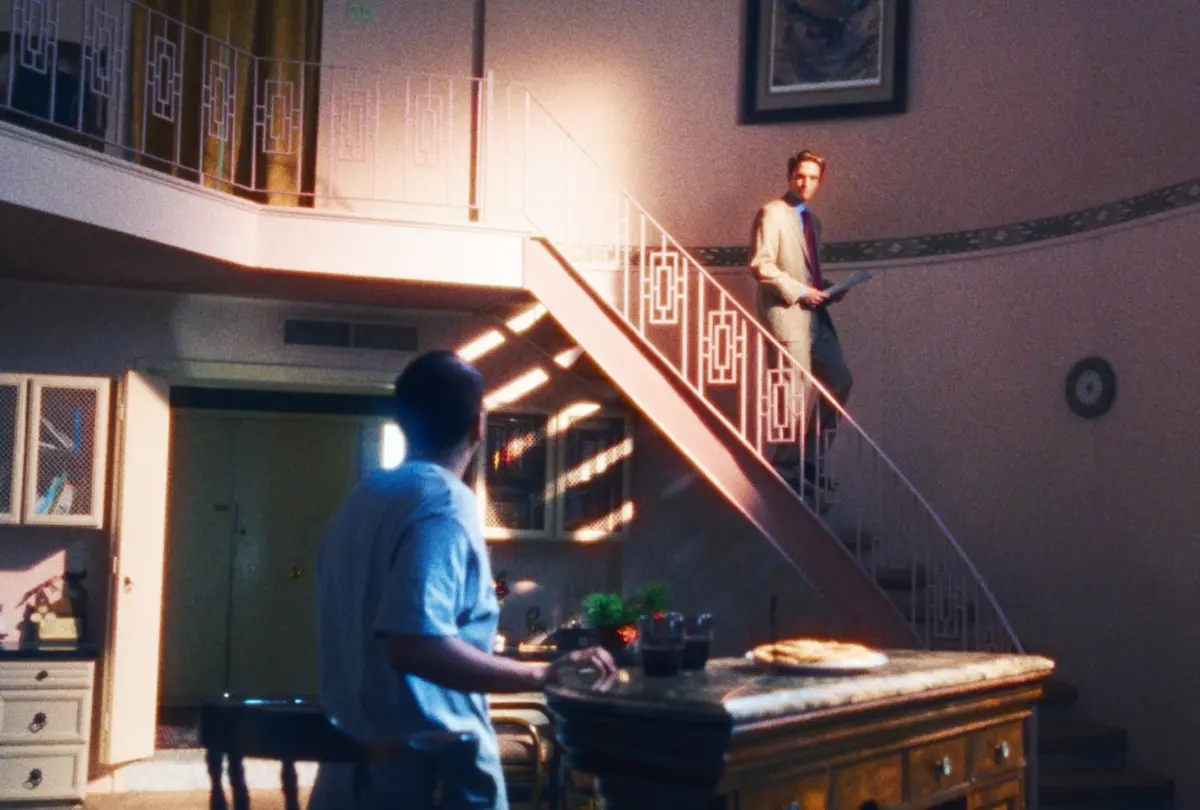
Fast forward to the cinematic landscape of 2026, and director Lance Oppenheim’s dark psychological drama Primetime arrives to re-interrogate this cultural obsession. Starring Robert Pattinson as a caricature of Hansen, the A24 film examines the dangerous intersection of tabloid journalism, public voyeurism, and the relentless pursuit of ratings. Set in late 2006 against the backdrop of a changing geopolitical world—specifically the crumbling regime of Saddam Hussein—Primetime attempts to draw a line between the unchecked power of the media and the bloodlust of an entertained public.
However, the film walks a perilous tightrope. By leaning heavily into the very meme culture and sensationalism it aims to critique, Primetime ultimately questions whether contemporary audiences have learned anything at all over the past two decades. Rather than offering a profound, structural critique of public shaming, the film exposes a lingering complicity: we, the viewers, remain the willing consumers of a tragedy repackaged as entertainment.
Detailed Chronology: From Cable TV Stings to A24’s Cinematic Mirror
To understand the cultural weight of Primetime, one must trace the timeline of the phenomenon it dissects.
2004–2007: The Rise and Fall of To Catch a Predator
- The Inception: Launched as a recurring segment on Dateline NBC, To Catch a Predator quickly evolved into a standalone juggernaut. Partnering with the watchdog group Perverted-Justice, the production team cataloged explicit online chat logs and lured suspects to rented suburban homes across the United States—from Florida condominiums to Jersey Shore properties.
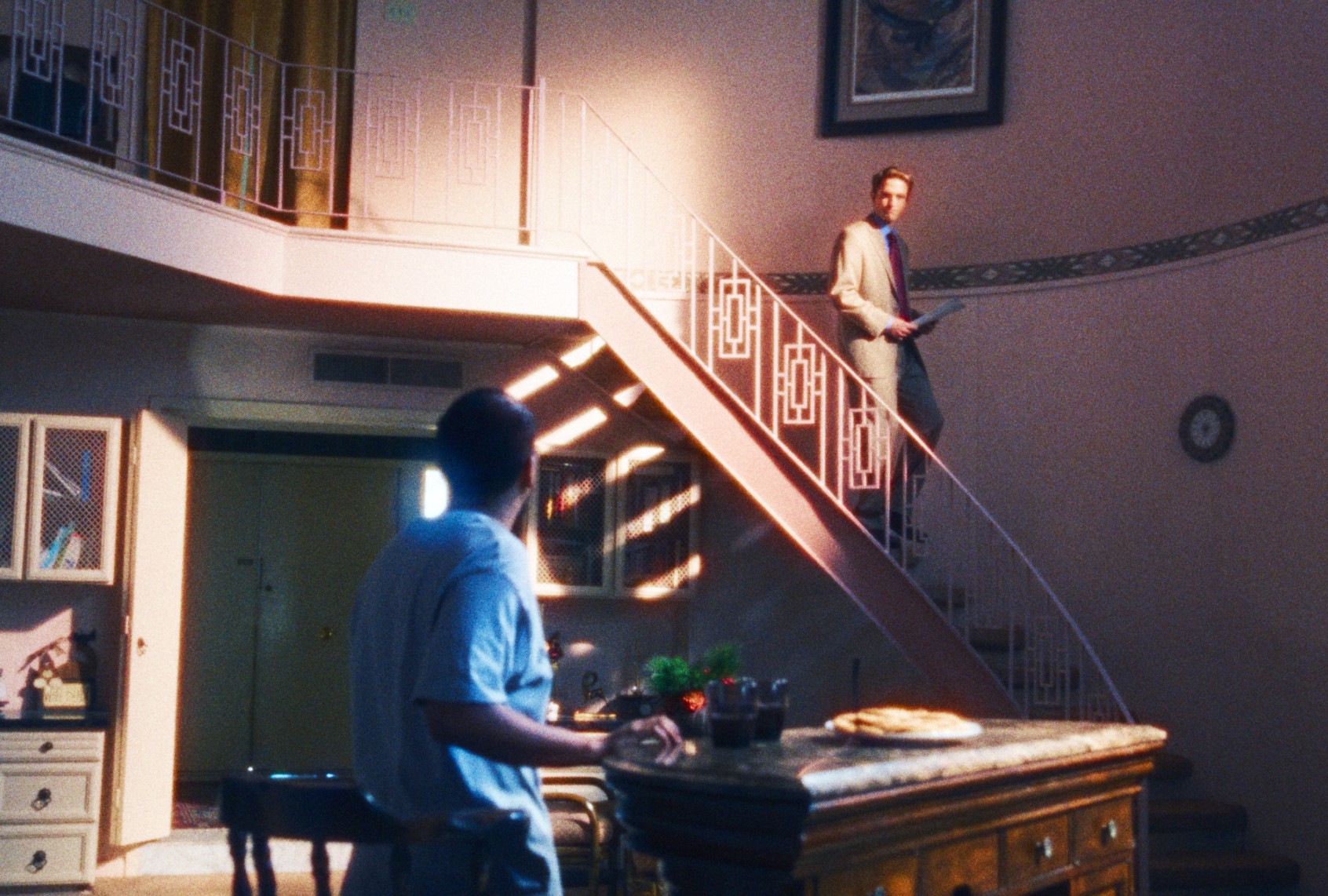
- The Mechanics of Public Humiliation: The broadcast relied on a ritualized format. Suspects walked through the front door, were greeted by Hansen in a Tuscan-decor kitchen, and were subjected to an intense, televised interrogation before being detained by local law enforcement hiding in adjacent rooms.
- The Tipping Point (November 2006): As NBC executives pushed the show into a lucrative primetime slot to maximize ratings, the pursuit for high-impact stories intensified. This unbridled chase culminated in tragedy when Bill Conradt, a former Texas district attorney, shot and killed himself inside his home as police and NBC camera crews forcibly entered. The incident exposed the fatal ethical pitfalls of a news division acting as both investigator and executioner.
2025–2026: The Retrospective Wave
- The Documentary Predecessors: Before Primetime hit theaters, cultural documentarians began examining the long-term psychological and sociological scars left by Hansen’s stings. Projects like the 2025 documentary Predators began mapping out how the program laid the groundwork for modern internet cancel culture and vigilante justice.
- The Release of Primetime (September 2026): Lance Oppenheim’s feature film drops into theaters, casting Robert Pattinson as a man intoxicated by his own mythos. Set during the dying months of 2006, the film juxtaposes the grand theater of the Iraq War with the domestic theater of suburban stings, painting Hansen as a telejournalist terrified of slipping into media oblivion.
Supporting Context & Metrics: The Anatomy of a Meme Economy
The promotional rollout for Primetime has provided some of the most fascinating cultural discourse surrounding its release, underscoring the friction between high-art critique and low-brow exploitation.
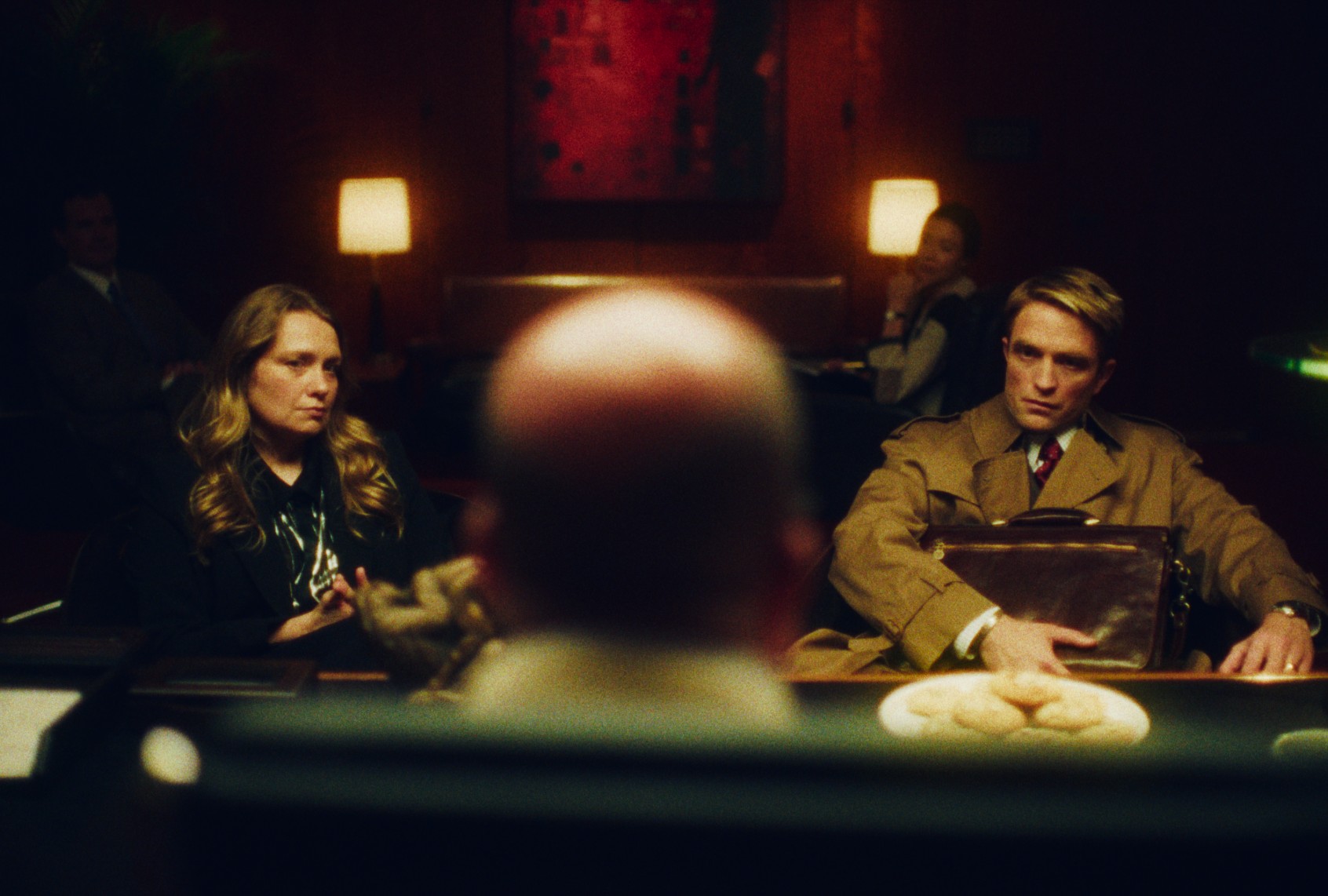
- Memeification of Dialogue: Upon the release of the film’s second trailer, Pattinson’s delivery of the iconic line—"You see how this looks, right?"—instantly flooded social media platforms like X (formerly Twitter) and TikTok, transforming into a reaction video meme of a meme of a meme.
- Merchandising Contradictions: Distributor A24 leaned heavily into the camp value of the source material. Promotional efforts included releasing a production photo styled to mirror Hansen’s original 2000s headshot and selling pop-up event merchandise featuring another famous quote from the film: "What would’ve happened if I wasn’t here?"
- The Ratings Paradox: At its peak, Dateline NBC drew millions of concurrent viewers, proving that public revulsion could be successfully monetized. Primetime mirrors this dynamic, utilizing Pattinson’s star power and uncanny impression work to draw audiences back into the very spectacle it condemns.
| Dimension | Real-World Phenomenon (To Catch a Predator, 2004–2007) | Cinematic Portrayal (Primetime, 2026) |
|---|---|---|
| Primary Driver | Journalistic "public service" masking tabloid sensationalism. | A telejournalist’s frantic bid to stay relevant as media shifts. |
| Audience Engagement | Live television viewing, early internet forum mockery, Impact-font macros. | Modern viral short-form video loops, A24 hype culture, ironic TikToks. |
| Ethical Blind Spot | Lack of legal boundaries; blurring lines between rehabilitation and execution. | Shallow philosophical musings that ultimately default to style over substance. |
Official Statements and Critical Reception
The artistic choices behind Primetime have sparked intense debate among film critics, cultural theorists, and industry insiders regarding the responsibilities of biographical drama.
Screenwriter Ajon Singh and director Lance Oppenheim have defended their approach as an exercise in holding up a mirror to society’s collective voyeurism. In early press materials, Oppenheim noted that the film was never intended to be a straightforward biopic of Chris Hansen, but rather an exploration of the American addiction to righteous violence and public shaming.
However, critics have pointed out a glaring irony in the execution. Writing for major cultural publications, reviewers have argued that Singh’s screenplay often retreats from deep structural inquiries, relying instead on heavy-handed dialogue. One notable line delivered by Pattinson’s Hansen—"There used to be a pillory in every civilized town. Now there’s a television with me on it"—has been widely cited as an example of the film’s tendency toward platitudes rather than piercing insight.
Industry analysts have similarly questioned A24’s marketing strategy. By weaponizing the exact same ironic detachment and meme culture that trivialized the original crimes, the promotional campaign risks making the film an active participant in the cycle it purports to critique.
Future Outlook: What Primetime Says About Our Digital Future
As Primetime continues its theatrical run, its ultimate legacy may lie less in its artistic merit and more in what it reveals about the digital landscape of the 2020s.
The film serves as an unintended stress test for modern media consumption. Two decades after the peak of To Catch a Predator, the architecture of public shaming has only grown more sophisticated. What was once confined to Friday night cable television has now been democratized across social media algorithms, where everyday users routinely act as judge, jury, and executioner.
By failing to offer a neat resolution or an easy moral out, Primetime leaves its audience stranded. It refuses to comfort the viewer with the illusion of moral superiority. Instead, it suggests that the hunger for spectacle—the deep-seated urge to gawk at human degradation under the guise of civic duty—remains entirely unquenched.
Ultimately, Primetime functions less as a traditional cinematic narrative and more as a cultural mirror. Whether viewers choose to look away or simply reach for another handful of popcorn while the screen blinks back at them remains the final, unanswered question.