

Executive Overview
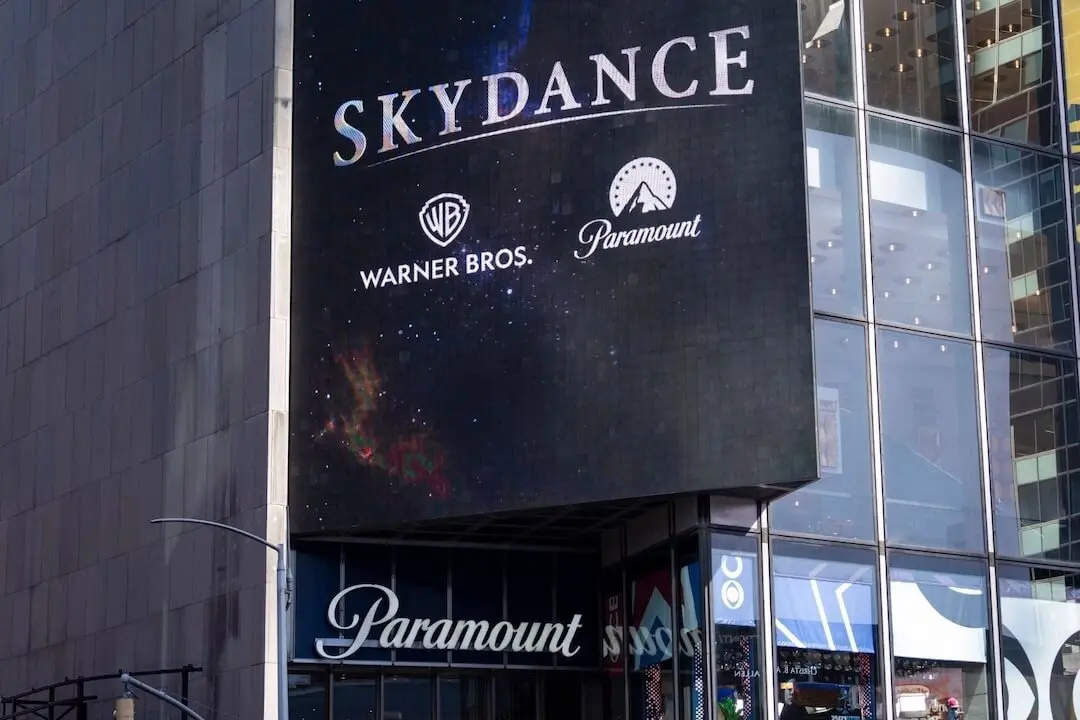
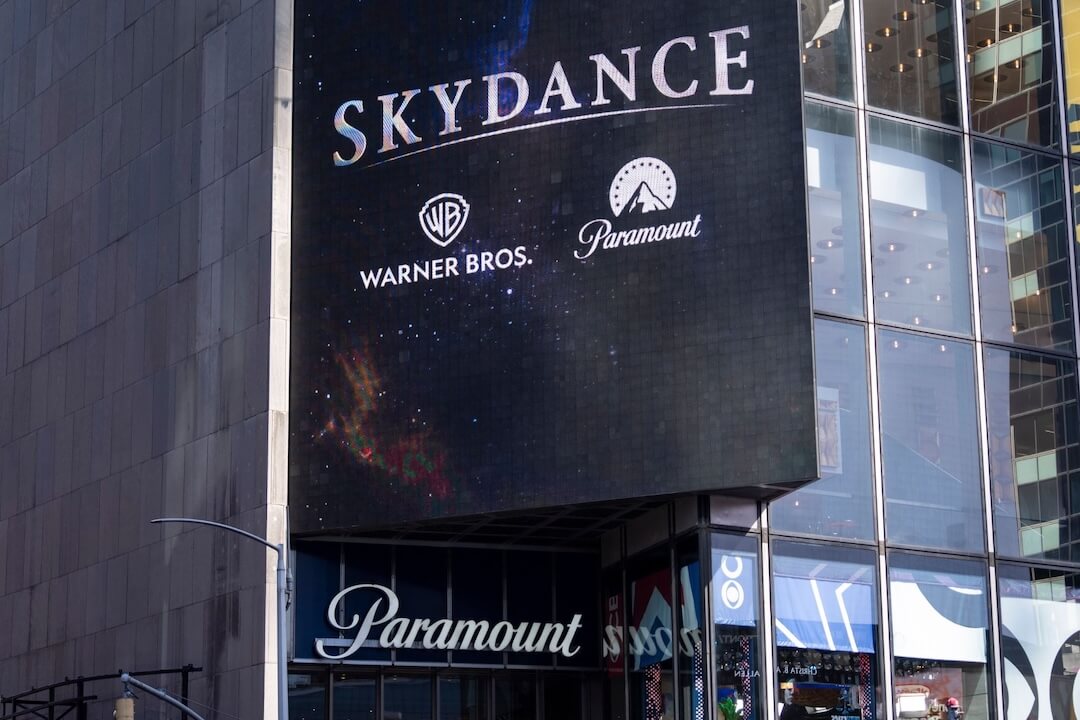
The landscape of global entertainment, streaming, and news has fundamentally shifted. Following months of grueling regulatory hurdles, intense legal arm-wrestling, and high-profile pushback from some of the industry’s most influential figures, the monumental mega-media merger between Paramount Skydance and Warner Bros. Discovery (WBD) officially closed on Tuesday. Valued at an astonishing $111 billion, the deal creates a singular, towering corporate entity—simply named Skydance—that instantly redefines the boundaries of media power.
Described by The Washington Post as “a new megacorporation in Hollywood, streaming, and news,” the newly consolidated colossus commands an unprecedented portfolio. It unifies the historic film and television studios of both Paramount and Warner Bros., houses premier streaming platforms Paramount+ and HBO Max (Max), and brings two of the world’s most formidable journalistic institutions—CNN and CBS News—under a single corporate umbrella.
Yet, this historic consolidation arrives amid severe economic headwinds, profound structural anxiety, and mounting regulatory scrutiny across the broader media ecosystem. While Skydance Chairman and Co-CEO David Ellison heralds the acquisition as a watershed moment for the industry, financial markets, labor unions, and newsrooms are bracing for the profound shockwaves of integration. Concurrently, the broader media sector is gripped by parallel crises, ranging from Disney’s high-stakes federal showdown with the Federal Communications Commission (FCC) to toxic social media fallout upending sports broadcasting norms.
Detailed Chronology and Deal Mechanics
The path to closing the $111 billion mega-deal was fraught with systemic friction. From its inception, the transaction faced skepticism from antitrust regulators, watchful lawmakers, and financial analysts concerned about the systemic debt load required to finance such an unprecedented corporate marriage.
The transaction officially crossed the finish line on Tuesday, triggering an immediate restructuring of executive leadership. David Zaslav, who steered Warner Bros. Discovery through its own tumultuous post-merger era and collected a 2025 pay package totaling $165 million, officially exited the company. In a parting three-minute video address distributed to WBD employees, Zaslav reflected on his tenure. "For me, it’s been a great honor to be alongside all of you. I hope you take pride in what you’ve built, what you’ve created, and the role you’ve played in shaping an extraordinary history," Zaslav said, as transcribed by Variety’s Todd Spangler. Zaslav departs with a lucrative "golden parachute" payout valued at no less than $550 million.
In his stead, Skydance Chairman and Co-CEO David Ellison, alongside Co-CEO Ynon Kreiz, stepped forward to outline the arduous roadmap ahead. In a joint statement, Ellison and Kreiz struck a pragmatic, sobering tone regarding the human cost of the merger: “Today is a historic day, not just for Skydance but for our entire industry. We couldn’t be more excited to get to work.” However, they immediately acknowledged the turbulent reality facing the newly formed workforce: “Integrating two companies will bring change, including difficult decisions that affect our workforce. We are committed to handling this process thoughtfully and respectfully.”
Early signs of financial and operational friction materialized almost immediately. On Tuesday, credit rating agency Fitch announced it was downgrading the combined company’s debt rating, citing increased leverage as well as “significant execution and integration risks.” To stabilize the balance sheet and satisfy rating agencies, Ellison and Kreiz have committed to delivering $6 billion in cost-cutting initiatives over the next three years—a target industry analysts expect will be achieved largely through the elimination of thousands of corporate and creative jobs.
Supporting Context & Metrics: The Challenges Facing Skydance
Securing the Warner Bros. Discovery asset is the crowning achievement of David Ellison’s career, but media analysts emphasize that the acquisition marks the starting line of a grueling marathon rather than a victory lap. The New York Times outlined five core challenges facing Ellison in the wake of the buyout, chief among them the operational stabilization of CNN and the delicate management of vital sports rights.
1. The CNN Editorial Independence Question
Perhaps the most intense scrutiny surrounds the future of CNN. Skeptics have raised flags regarding Ellison’s personal and professional proximity to President Donald Trump—noting instances where Ellison has hosted dinners for Trump and hobnobbed with the president at Ultimate Fighting Championship (MMAF) events.
To mitigate these concerns, Ellison addressed CNN employees directly during a town hall meeting on Tuesday, where he was interviewed by anchor Anderson Cooper. "We believe in complete editorial independence. We trust Mark [Thompson]. We trust the team," Ellison asserted. When Cooper pressed, asking, "You’re pledging not to interfere with news coverage of CNN?", Ellison replied unequivocally: "Correct. We’ve been very clear." Furthermore, Ellison publicly endorsed CNN’s aggressive pushback against the Trump administration’s efforts to restrict the network’s press credentials.
For now, CNN remains under the leadership of CEO Mark Thompson, while CBS News continues to be overseen by Editor-in-Chief Bari Weiss. During a staff call on Tuesday, Weiss sought to calm jittery newsroom nerves, stating, "Nothing right now is going to change. This is a process that’s going to unfold under time." While Ellison has initially maintained a wall between Weiss’s jurisdiction at CBS News and Thompson’s newsroom at CNN, media observers note that this firewall remains subject to future corporate reorganization.
2. Securing the NFL Partnership
Beyond news, Ellison must navigate high-stakes negotiations within the sports media ecosystem. Writing for The New York Times, Ken Belson underscored that live sports remain the ultimate bastion of "appointment viewing," with the National Football League serving as the undisputed crown jewel.
CBS Sports’ current broadcast agreement with the NFL—costing approximately $2.1 billion annually—is slated to expire at the conclusion of the 2033 season. However, because control of CBS Sports shifted during Ellison’s acquisition of Paramount, the NFL retained a unique "change-of-control" option allowing the league to reopen negotiations as early as August, or alternatively opt out of the agreement entirely at the end of the 2029 season.
While the NFL has not yet exercised this change-of-control clause, industry analysts suggest the league could leverage the situation to demand an additional $1 billion per year from CBS Sports. In exchange, the NFL would surrender its 2029 opt-out clause, providing CBS Sports with long-term programming certainty deep into the next decade.
Official Statements and Industry Fallout
Disney vs. the FCC: A Constitutional Showdown in Federal Court
While Skydance absorbs WBD, a parallel regulatory and constitutional crisis is unfolding across town for The Walt Disney Company. In April, Federal Communications Commission (FCC) Chairman Brendan Carr took the extraordinary step of initiating an early review of local broadcast licenses for eight ABC-owned television stations.
On Tuesday, Disney mounted a fierce legal counter-offensive in federal court, accusing the Trump administration of “blatant violations of the U.S. Constitution.” Disney petitioned a federal judge to bar the FCC from executing its accelerated review, while government attorneys pushed to have Disney’s lawsuit dismissed entirely.
Disney’s legal team argues that Carr and the FCC are weaponizing the regulatory process at the behest of President Trump, who has frequently lambasted ABC programming such as Jimmy Kimmel Live! and The View. Conversely, the FCC maintains that its inquiry is merely examining ABC’s corporate diversity and inclusion hiring practices.
Presiding District Judge Loren AliKhan appeared skeptical of the government’s justification during Tuesday’s proceedings, noting the questionable timing linking the license review to Disney’s employment policies. Writing for The Guardian, Jeremy Barr highlighted the judge’s probing questions. A definitive ruling is anticipated within the week.
Legal experts interviewed by The New York Times’ John Koblin and Jim Rutenberg agree that a victory for Disney would deal a stinging rebuke to Chairman Carr, potentially kneecapping his two-year campaign to bring major broadcast networks to heel through the looming threat of regulatory retaliation. Conversely, a loss for ABC would establish a formidable precedent for executive branch leverage over independent media outlets.
The Braiden Bell Controversy: Old Tweets, Modern Reckoning
Away from corporate boardrooms and courtrooms, the sports media world was rocked by a high-profile cautionary tale regarding the permanence of digital footprints. On October 1, the Portland Trail Blazers of the NBA announced the high-profile hiring of 29-year-old Braiden Bell as their new television play-by-play announcer.
Within hours of the announcement, however, the hire unraveled. KGW News reporter Devon Haskins uncovered a series of racist and misogynistic tweets posted by Bell in 2012 when he was 15 years old. One post read: “I’m not racist at all.. But not gonna lie.. Asian people piss me off! Hahaha #Honest.” Other posts utilized explicit misogynistic slurs.
Confronted with the findings, the Trail Blazers abruptly terminated Bell’s contract the same day. In a public statement, the franchise declared: “The Portland Trail Blazers have zero tolerance for racist, sexist, or harmful comments. Social media posts made by our recently announced play-by-play broadcaster are in clear violation of team and league policies… We did not meet our own bar in this process, and for that we apologize to Blazers fans and to Rip City.”
The firing ignited a furious debate across sports media. Bell issued an emotional apology, stating that the posts were "written by me 14 years ago while I was only 15 years old and have no reflection of who I am today." Bell’s attorney, Arnie Herz, subsequently appealed to the team for reinstatement, asking: “Should the worst words a fifteen-year-old ever wrote decide the rest of his life?”
The Trail Blazers stood firm, issuing a concise refusal to The Athletic: “We stand by our statement issued last week and have no further comment at this time. We wish Mr. Bell the best.” Meanwhile, KGW News and reporter Devon Haskins faced intense online backlash for publishing the investigation, prompting Haskins to temporarily delete his X account.
Prominent journalists weighed in on the broader implications of the scandal. Veteran media commentator Jemele Hill offered stark advice to emerging professionals on social media:
"I tell every young journalist to delete their social media accounts and just start new ones once they begin pursuing this career. There is no way you were posting anything on social media as a teenager that is going to age well. You aren’t famous. You don’t have a following big enough to justify keeping it. Just start over."
Future Outlook
As the dust settles on Skydance’s $111 billion acquisition of Warner Bros. Discovery, the media industry enters an era of ruthless consolidation and heightened ideological tension. David Ellison faces the monumental task of streamlining two sprawling corporate goliaths while extracting $6 billion in operational savings without alienating creative talent or destabilizing foundational assets like CNN and CBS Sports.
Simultaneously, the outcome of Disney’s federal lawsuit against the FCC will determine the legal boundaries of federal oversight regarding broadcast journalism and entertainment programming for years to come. Whether through multi-billion-dollar corporate mergers, constitutional battles in federal court, or the unforgiving realities of modern accountability, the media landscape of the late 2020s is proving to be a high-stakes arena where past, present, and future collide without mercy.