

By the Student Press Report National News Desk
Executive Overview
Across college and university campuses nationwide, an unsettling paradox has taken root. Institutions of higher education spend millions of dollars marketing themselves as incubators of critical thinking, civic engagement, and free expression. Yet, when student journalists turn that critical lens inward—investigating administrative overreach, financial mismanagement, ethical lapses, and civil rights violations—the rhetorical commitment to a free press frequently evaporates.
In its place stands a familiar corporate playbook: stonewalling, obfuscation, coordinated PR pushback, public gaslighting, and, in increasingly extreme cases, direct institutional retaliation against student reporters.
This national crisis of campus press freedom is not occurring in a vacuum. It mirrors broader societal trends marked by declining media literacy, mounting pressures on democratic institutions, and a rising hostility toward the Fourth Estate. But unlike professional newsrooms backed by corporate legal teams and institutional endowments, student newspapers are typically run by twenty-somethings juggling organic chemistry midterms, financial aid worries, and heavy course loads. They operate with shoe-string budgets, high staff turnover, and vulnerability to administrative pressure—particularly at private universities where First Amendment protections do not apply with the same force as they do at public institutions.
Despite these severe structural disadvantages, a new generation of collegiate journalists is refusing to fold. From the West Coast to the Midwest and the Mid-Atlantic, student newsrooms are uncovering major systemic scandals. They are exposing the unauthorized sale of donated human remains to military contractors, unearthing millions in hidden administrative "salary sweeps," and revealing covert interrogations of student activists by private investigators.
When university executives attempt to discredit these investigations with baseless accusations of "poor reporting" or "hidden agendas," these young reporters are hitting back with receipts, meticulous source corroboration, and an unwavering commitment to the truth.
This is the story of how college journalists are standing up to institutional power, the heavy costs they pay for their transparency, and why their resilience remains one of the brightest spots in modern journalism.
Detailed Chronology: Anatomy of Three Major Campus Battles
To understand the mechanics of administrative pushback against student newspapers, one must examine the specific, hard-fought investigations that have defined the current collegiate media landscape.
1. The Cadaver Scandal: USC, UCSD, and the U.S. Navy
The story broke quietly in Southern California before rippling outward into national headlines, exposing a macabre chain of custody involving donated human bodies.
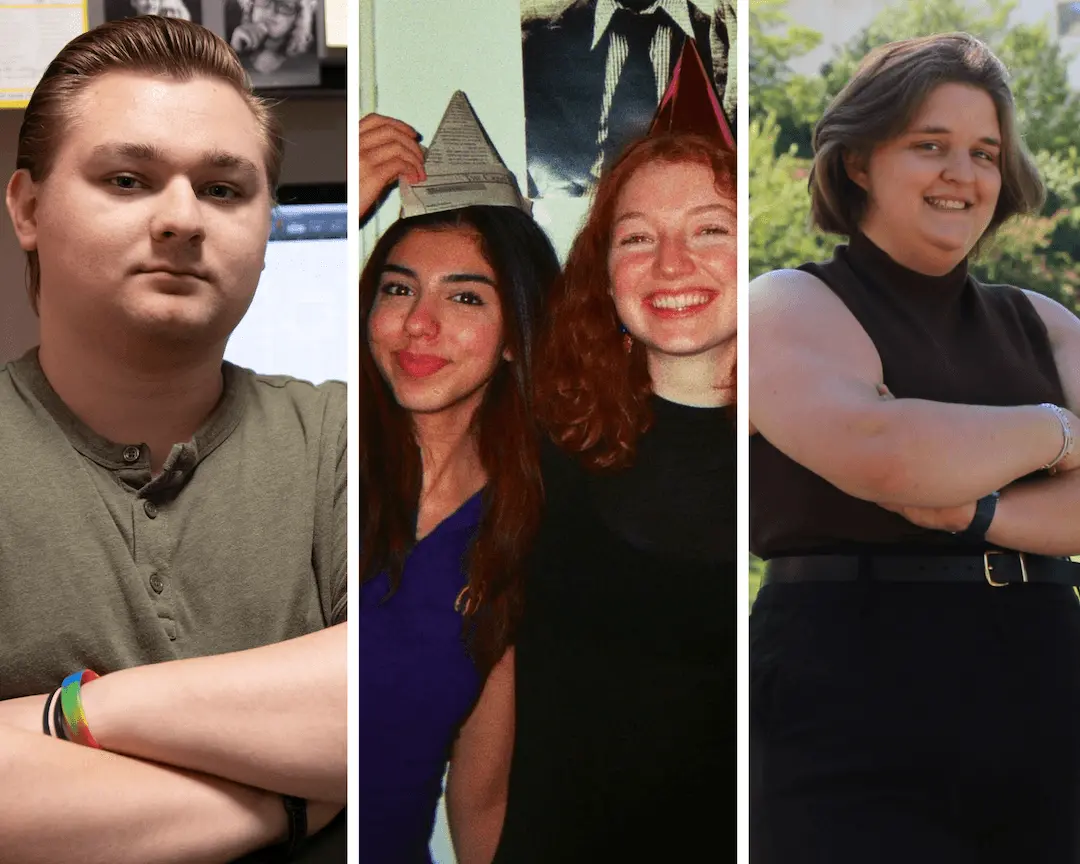
As Jennifer Nehrer, then a student journalist with Annenberg Media at the University of Southern California (USC), recounts, the details were initially mind-boggling. Universities in California were discovered to be taking bodies donated specifically to medical schools for educational purposes and quietly selling them to the U.S. Navy, which in turn routed them to the Israeli military for training exercises.
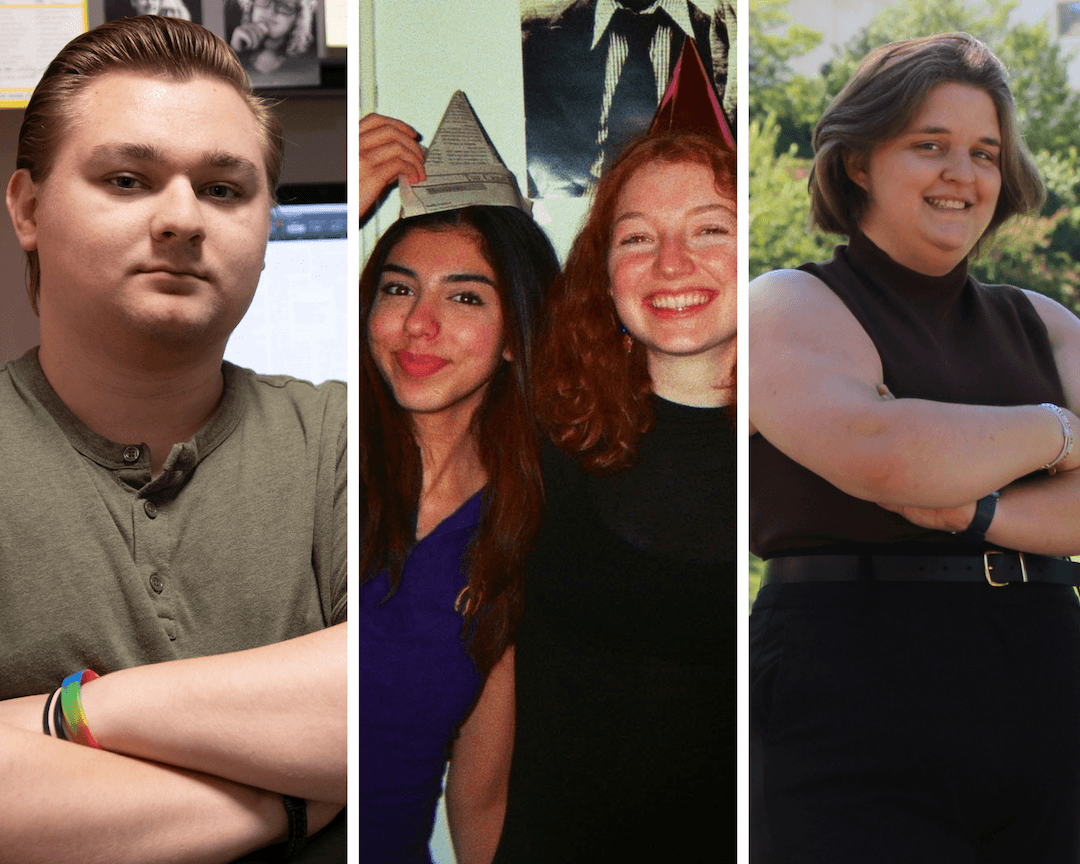
Recognizing the gravity of the allegations, Annenberg Media launched an investigative team and partnered with a reporter at The UCSD Guardian, the student paper at the University of California, San Diego, which operated a similar program. The reporting task required immense emotional fortitude. Nehrer and her peers were tasked with contacting grieving families to break the news that their loved ones’ remains were under the control of foreign military forces—a possibility they had never consented to when signing anatomical donation papers.
As the reporting progressed, the defensive posture of the universities crystallized. Both USC and UCSD engaged in a systematic campaign of obstruction:
- Stalling and Obfuscation: University communications departments repeatedly delayed responses to inquiries, often missing internal deadlines.
- Contradictory Records: Emailed responses from university officials frequently contradicted official public records obtained through records requests.
- Evasion Tactics: Administrators avoided putting statements in writing, instead opting for sudden phone calls to muddy the journalistic record.
Despite these hurdles, Annenberg Media and The UCSD Guardian published their joint investigation in April 2026. The public response was swift and visceral. One female reader, upon reading the exposé, emailed UCSD to rescind her own anatomical donation. According to the student reporters, UCSD’s response was a hastily written letter accusing the student journalists of spreading lies and dismissing them as "student reporters with an agenda" rather than legitimate investigators.
The pressure worked, however. On September 23, 2026, USC Annenberg Media reported that the university was finally terminating its contract to sell cadavers to the U.S. Navy, following a similar cutoff at UCSD. Real structural change had been forced by the student press.
2. "Salary Sweeps" and Cops at the Door: SIUE’s War on The Alestle
At Southern Illinois University Edwardsville (SIUE), the friction between the administration and The Alestle, the independent student newspaper, deteriorated from bureaucratic tension into outright hostility.
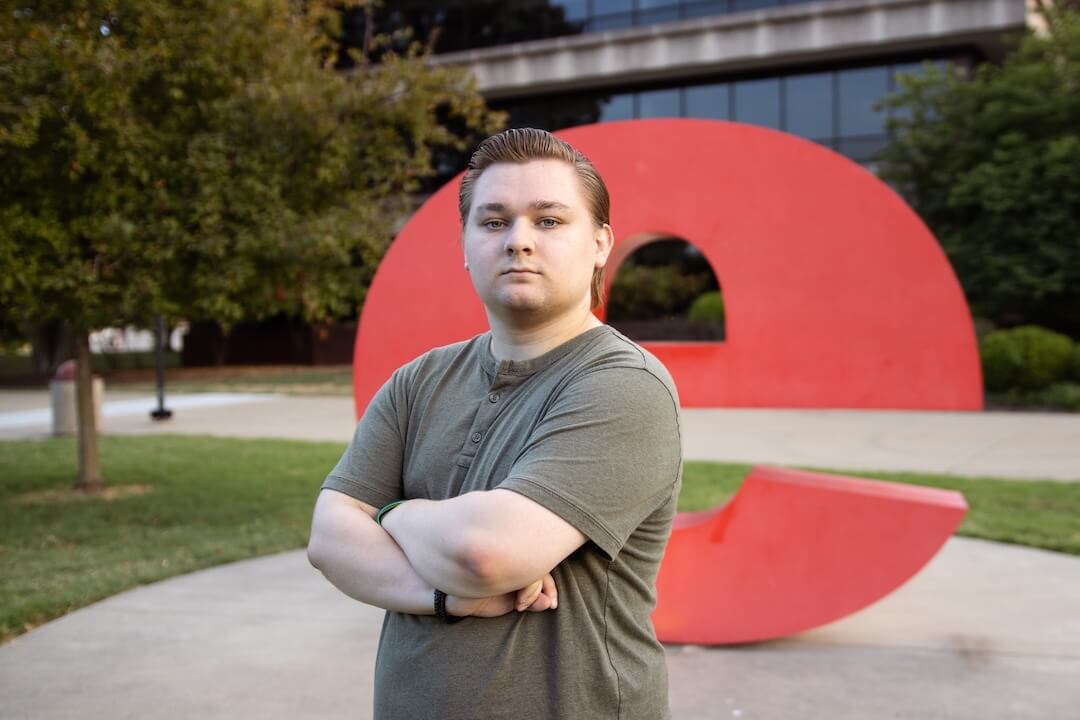
Dylan Hembrough, who has served as editor-in-chief of The Alestle for three years, watched the relationship with university leadership steadily degrade following a fall 2024 exposé on University Housing policies that suppressed employee freedom of speech. When university legal counsel claimed to the Foundation for Individual Rights and Expression (FIRE) that the reporting was inaccurate, Hembrough’s repeated requests for specific corrections were met with dead silence.
In March 2025, The Alestle published a sprawling 15-month investigation into administrative "salary sweeps." The report revealed that SIUE’s administration had quietly redirected over $15 million from various campus departments into centralized "strategic" accounts. While the student paper inadvertently underreported the total sum—an error they promptly and transparently corrected—Chancellor James T. Minor used the mistake as a pretext to sever all communication channels with the paper.
The hostility escalated further in February 2026. After The Alestle broke the news that the clerical workers’ union had filed a cease-and-desist order against SIUE for unfair labor practices, Chancellor Minor issued a sweeping memo to all deans and department heads. The letter baselessly dismissed the student reporting as "predictably poor, inaccurate and incomplete," offering zero evidence of factual errors.
Worse still, University Marketing and Communications began demanding the right to sit in on and record The Alestle’s interviews with sources—a clear intimidation tactic designed to induce self-censorship among campus employees. In a final, surreal escalation, SIUE’s communications department even contacted local law enforcement to accuse Hembrough of "harassment."
3. Private Investigators and Campus Surveillance: Bryn Mawr and Haverford
In October 2025, the editorial board of The Bi-College News—the independent student newspaper serving Bryn Mawr and Haverford colleges—received a tip that sounded like a political thriller.
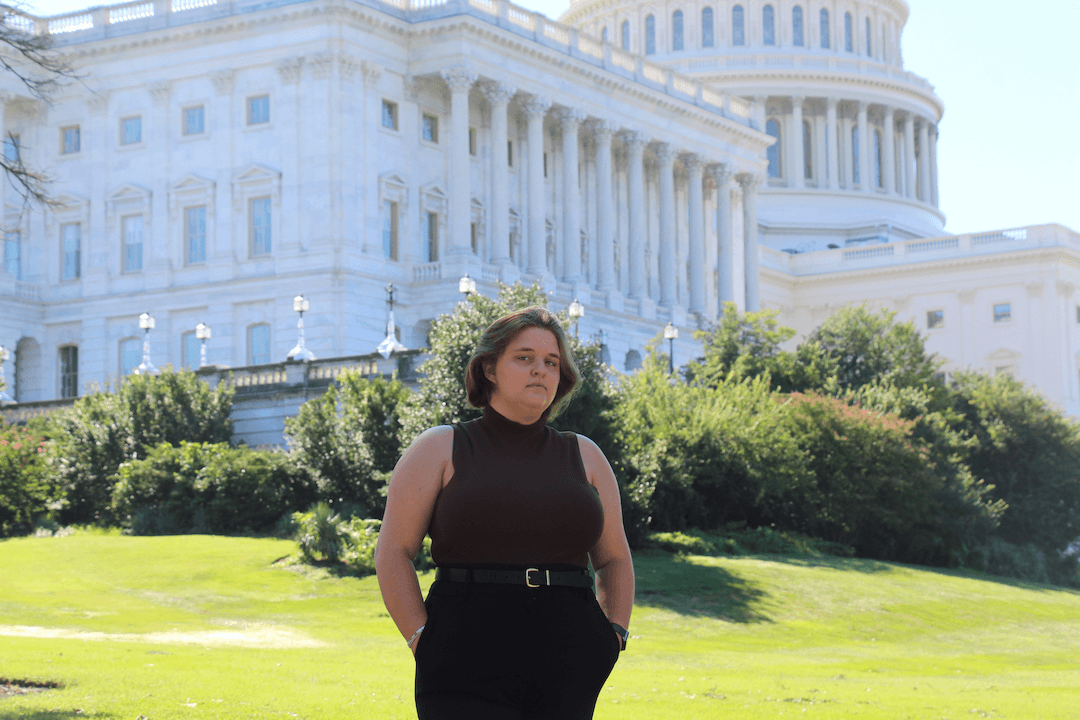
Multiple students reported receiving cryptic emails from the dean of Bryn Mawr’s undergraduate college commanding them to attend mandatory, confidential meetings with no stated agenda. Upon arrival, the students found themselves isolated in a room with two private investigators, with no university officials present. The investigators subjected the students to intense interrogations regarding their political affiliations, personal beliefs, and pro-Palestinian activism on campus.
Recognizing the immense vulnerability of their sources, co-editors-in-chief Hannah Epstein and Rana Rastegari knew they were walking a journalistic tightrope. Because Bryn Mawr is a private institution, students lacked the robust statutory protections of their public university peers. Furthermore, the private nature of the "confidential" meetings exposed sources to severe administrative retaliation.
Every allegation was meticulously corroborated through private messaging logs, emails, and secondary background sources. Three days before publication, the editors delivered a detailed list of inquiries to the president’s office. The administration declined to comment, offering only a vague statement on investigative protocols.
When the story broke, it detonated across campus. Students, alumni, and faculty members openly condemned the administration for betraying community trust. One week later, Bryn Mawr President Wendy Cadge fired back via a campus-wide email, claiming the article "greatly misrepresented" college investigative procedures and lecturing the student journalists on journalistic "best practices." Later that day, Cadge doubled down at an open campus forum, attempting to publicly discredit the student editorial board.
Rather than cowering, The Bi-College News responded with professional rigor. They offered the president’s office a secondary opportunity to identify specific factual inaccuracies. When the administration failed to point out a single error, the student newspaper published a definitive response co-signed by the entire editorial board. It included full email transcripts showing that the administration had been given ample opportunity to respond prior to publication.
Supporting Context & Metrics: The State of Campus Journalism
The experiences of Nehrer, Hembrough, Epstein, and Rastegari are not isolated anomalies; they represent a systemic national pattern. According to advocacy groups tracking collegiate press freedoms, incidents of administrative interference—ranging from withholding public records and defunding student publications to threatening editorial staff with disciplinary action—have risen steadily over the past five years.
| University / Publication | Core Investigation | Administrative Response | Outcome |
|---|---|---|---|
| USC / UCSD (Annenberg Media / The UCSD Guardian) | Unauthorized sale of donated human cadavers to the U.S. Navy and Israeli military. | Stonewalling, obfuscation, labeling reporters as "activists with an agenda." | Success: Both universities terminated their naval supply contracts. |
| SIUE (The Alestle) | $15M in administrative "salary sweeps" and unfair labor practices. | Public smear campaigns, severance of communication, attempts to record interviews, police reports filed against EIC. | Ongoing: Ongoing resistance; paper maintains independent publication. |
| Bryn Mawr / Haverford (The Bi-College News) | Secret interrogations of students by private investigators regarding political activism. | Dismissal of reporting as "misrepresentation," public lectures on journalistic ethics by the college president. | Success: Transparent pushback with published email receipts defending reporting integrity. |
The structural vulnerabilities facing student journalists are multifaceted:
- The Private University Deficit: Unlike public universities where the First Amendment strictly prohibits state actors from censoring student speech, private institutions operate under contractual agreements. This leaves students at schools like Bryn Mawr or USC with significantly fewer legal recourses when administrators retaliate.
- The "PR First" Reflex: Modern university administrations operate like major corporate entities, where protecting the brand and securing donor funding frequently supersedes institutional transparency and ethical accountability.
- High Turnover Rates: Because college newsrooms are staffed by students who graduate every two to four years, institutional memory can be fragile, making newsrooms prime targets for administrative marginalization.
Official Statements and Institutional Rhetoric
A recurring motif across all three case studies is the yawning chasm between administrative rhetoric and administrative reality. Universities routinely issue high-minded mission statements praising the value of a free student press while simultaneously deploying legal, financial, and reputational tactics designed to muzzle that very press.
At SIUE, the administration publicly insists it is "fully supportive of a free, independent student press," yet its leadership engages in systematic smear campaigns, sending open letters to the campus community that brand student investigations as "predictably poor, inaccurate and incomplete."
At Bryn Mawr, President Wendy Cadge’s public communiqués lectured student editors on the necessity of "multiple sources, accurate quotation, [and] opportunities for comment"—ironically, basic journalistic tenets that The Bi-College News had meticulously followed and documented through email time-stamps.
As Jennifer Nehrer noted in her reflections on her time at USC:
"It becomes increasingly clear… that these and other schools want to teach us the power and ways of the free press without being subject to it. We won’t tolerate that hypocrisy."
This sentiment was echoed by Dylan Hembrough of The Alestle:
"The administration has repeatedly demonstrated its lack of transparency. Now, after sending an open letter to every university community member making a number of false claims about The Alestle, it has demonstrated its willingness to distort reality to fit its narrative. This retaliation is insulting to the campus community, and it’s our noble duty to resist."
Future Outlook: The Resilience of the Student Press
Despite the immense pressures—ranging from administrative gaslighting to police intimidation—the current generation of collegiate journalists is forging a hardened resilience that bodes well for the future of American journalism.
Many of these young reporters are transitioning directly from their college newsrooms into major professional news outlets—bringing with them an unflinching willingness to hold power to account. Jennifer Nehrer now works as a news associate at CNN in Washington, D.C.; Rana Rastegari is a newsroom fellow at WHYY in Philadelphia; Hannah Epstein is pursuing international journalism fellowships; and Dylan Hembrough continues to lead The Alestle while completing his doctorate in pharmacy.
The battles fought in college newsrooms are not isolated student politics; they are frontline skirmishes in the broader defense of democratic accountability. When university executives realize they can no longer bully, gaslight, or silence student watchdogs without facing immediate, transparent pushback, the entire ecosystem of higher education becomes healthier, more honest, and more democratic.
As the phrase pinned to the wall of Jennifer Nehrer’s student newsroom—and echoed by viral digital commentators across the nation—reminds us:
"The student agenda is truth."
If you are a student journalist who has stood up to institutional authority—or know someone who has—please contact Barbara Allen, editor of the Student Press Report, at [email protected] for inclusion in future coverage.