The fundamental tension between government power and the independence of the press has reached a critical flashpoint across multiple fronts of American media and politics. In a decisive judicial rebuke to the executive branch, a federal court has barred the Trump administration from enforcing press restrictions against prominent news outlets, ruling that the administration’s actions likely violate core protections enshrined in the First and Fifth Amendments.
This legal victory for the media stands in sharp contrast to a rising tide of hostility on Capitol Hill, where lawmakers have increasingly sought to weaponize misunderstandings of state and federal law against reporters. The reverberations of these confrontations are being felt throughout the broader media landscape, which is simultaneously grappling with severe ratings contractions in legacy television and high-profile shakeups among sports broadcasting elite.
As news organizations prepare for protracted legal battles to defend access, public trust and constitutional norms hang in the balance. This report examines the sweeping legal, political, and cultural shifts currently reshaping the journalism industry.
Detailed Chronology
1. The White House Press Ban and Federal Court Intervention
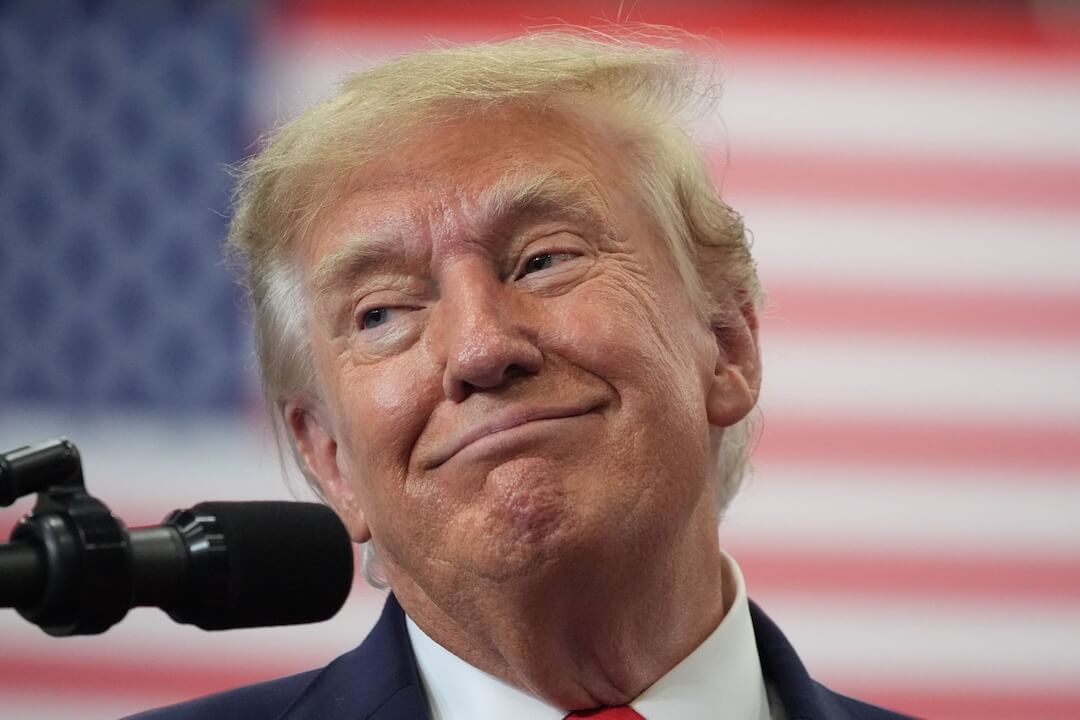
The legal saga began last month when the Trump administration barred journalists from CNN, MS NOW, and Politico from accessing the White House complex. While administration officials initially attempted to frame the ban around national security concerns, public statements made by President Donald Trump quickly undermined that rationale, heavily implying that the revocation of hard passes was a direct punitive response to coverage he deemed unfavorable, inaccurate, or biased.
Recognizing the constitutional gravity of the situation, U.S. District Judge Timothy J. Kelly intervened, issuing an initial 14-day temporary restraining order. Last week, Judge Kelly extended that relief while weighing arguments for a more durable injunction.
Late Tuesday, Judge Kelly delivered a comprehensive ruling in favor of the media outlets. He ordered the administration to immediately restore White House access to CNN, MS NOW, and Politico while their lawsuit seeking a permanent injunction proceeds.
2. Rep. Andy Harris’s Confrontation in Maryland
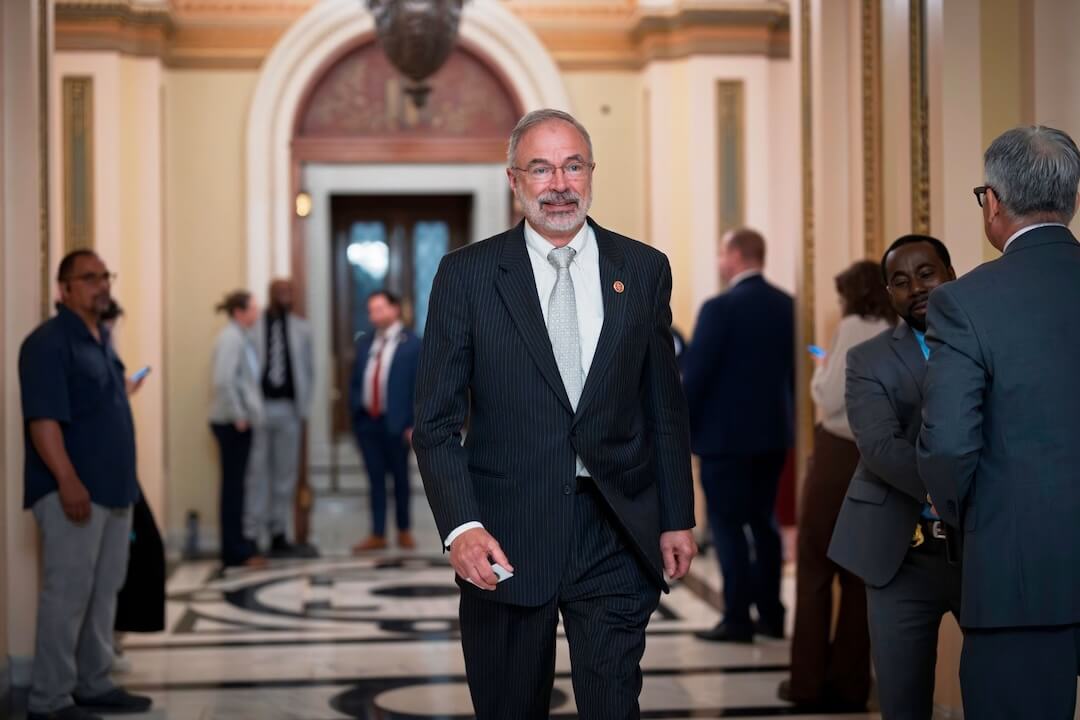
While federal courts were affirming the constitutional rights of national outlets, local and regional reporters faced aggressive resistance on the campaign trail. On Tuesday evening, Republican Representative Andy Harris of Maryland experienced a volatile debate against his Democratic challenger, Dan Schwartz, in a race for the congressman’s ninth term.
When the conversation turned to the high cost of diesel fuel, Rep. Harris blamed environmental regulations and Democratic policies. The crowd responded with visible jeering and laughter. Lapsing of his composure, Harris lashed out at the audience, shouting:
"This is the problem. You all say you believe there’s a First Amendment, but only if you agree with you. You should let me finish the sentence, ma’am. You are rude!"
This outburst served as a prelude to a far more egregious post-debate confrontation. Outside the main auditorium, Harris encountered a small group of reporters, including Cat Murphy, a graduate student reporting for the University of Maryland’s Capital News Service. As Murphy recorded the interaction, Harris abruptly lost his temper, demanding that she cease recording and threatening her with criminal prosecution.
Incorrectly citing Maryland’s status as a "two-party consent" state for audio recordings, Harris demanded that an officer be summoned and ordered that Murphy’s camera be seized. When another journalist interjected to remind the congressman that the exchange was taking place in a public forum during an open press gaggle, Harris doubled down, boasting of his legal expertise as a legislator. Murphy maintained her composure, ultimately asking the congressman how his threats aligned with his stated support for the First Amendment. Harris then stormed off, blaming Murphy for ruining other reporters’ chances of getting answers.
3. Tony Romo’s Exit and Industry Realignments
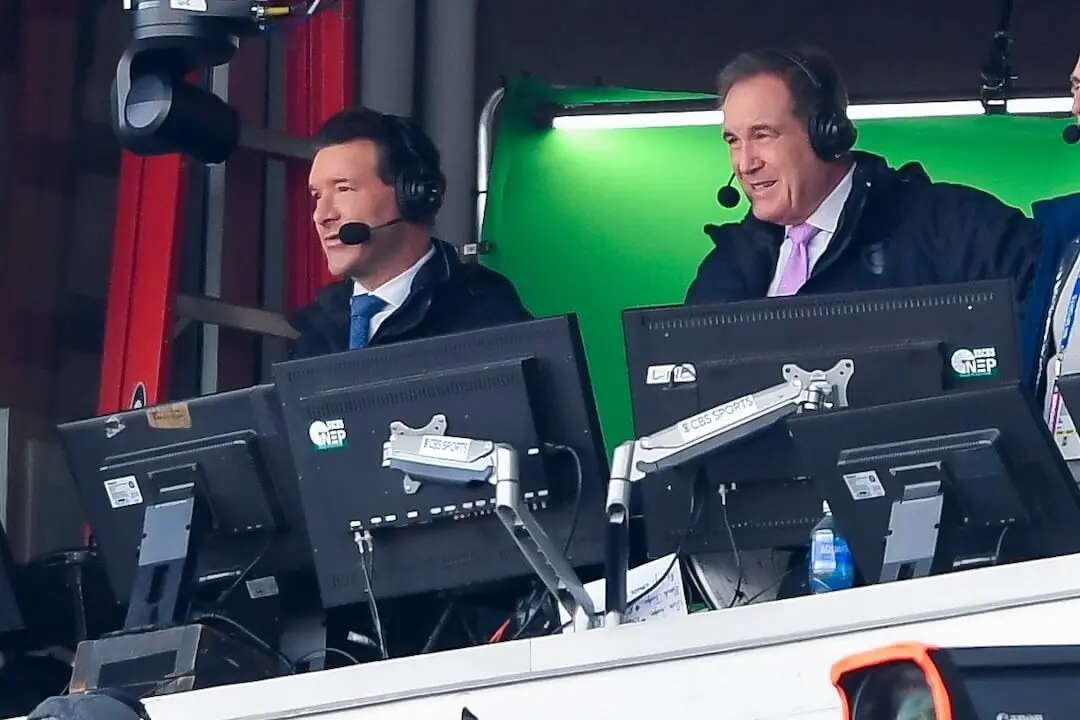
In the sports broadcasting arena, CBS Sports finalized a major structural pivot following the departure of its premier NFL analyst, Tony Romo. Romo, who had been partnered with play-by-play announcer Jim Nantz since 2017, was suspended by the network over the summer following an arrest in Wisconsin on suspicion of driving while intoxicated.
By October 3, CBS confirmed it had formally parted ways with Romo, buying out a significant portion of his remaining contract—which still had four years and $72 million left on the table. While J.J. Watt stepped in to fill the analyst vacancy on the network’s top broadcast team, Nantz addressed the situation publicly for the first time on a podcast appearance, expressing enduring personal support for Romo while acknowledging the unpredictable nature of the industry.
Supporting Context & Metrics
The intersection of legal precedents, audience metrics, and political hostility underscores a volatile moment for American media enterprises.
Constitutional Jurisprudence: First and Fifth Amendments
Judge Kelly’s ruling centers on two fundamental pillars of constitutional law:
Due Process (Fifth Amendment): Judge Kelly reaffirmed his earlier indications that the administration failed to provide adequate notice or a fair hearing when stripping reporters of their hard passes, thereby violating their due process rights.
Free Speech and Retaliation (First Amendment): The court found a clear "causal link" between the media outlets’ protected speech and the revocation of their credentials. Judge Kelly noted that the President’s own remarks demonstrated a clear intent to punish reporting he disliked. Furthermore, the court dismantled the administration’s retroactive national security defense, noting a complete lack of administrative record supporting that justification from the outset.
The Law on Public Recording
Legal scholars and veteran journalists quickly rushed to the defense of student reporter Cat Murphy, thoroughly debunking Rep. Harris’s interpretation of consent laws.
The "Two-Party Consent" Fallacy: Two-party consent statutes strictly apply to private oral conversations where individuals maintain a reasonable expectation of privacy.
The Public Official Precedent: Under established First Amendment jurisprudence, citizens and journalists enjoy a constitutionally protected right to record public officials performing their public duties in public spaces, provided they do not physically obstruct those duties. Rep. Harris’s attempt to compel law enforcement to seize recording equipment in a public setting has been universally condemned by media organizations as a flagrant overreach.
Television Ratings Pressures: 60 Minutes and NFL Lead-Ins
The business side of television journalism continues to experience dramatic fluctuations dictated by sports programming ecosystems. CBS’s flagship newsmagazine, 60 Minutes, experienced a striking ratings roller coaster:
One week prior to the slump, the program achieved a season-high milestone, cracking 10.2 million viewers, heavily buoyed by a thrilling late-window NFL matchup between the Kansas City Chiefs and the Las Vegas Raiders.
The following Sunday, without a high-profile CBS national game as a lead-in (as Fox broadcast the marquee matchup between the San Francisco 49ers and Seattle Seahawks), viewership plummeted to 6.061 million.
According to media analysts, this represented the lowest-rated fourth episode of a 60 Minutes season in the 21st century, illustrating the fragile reliance news broadcasts maintain on sports programming lead-ins.
Official Statements
The legal and political confrontations elicited strong rebukes from media executives, defense attorneys, and press freedom watchdogs.
Ted Boutrous, Lead Attorney for the Media Outlets:
"When the President issued his ‘ban on the free press,’ he blatantly and explicitly violated due process and the First Amendment. Since then, the President has repeatedly, candidly, and consistently admitted in public that he banned our clients from the White House to punish reporting he doesn’t like… The harm this ban did to our clients, the First Amendment, and the public as a whole is profound."
Bruce D. Brown, President, Reporters Committee for Freedom of the Press:
"The court has put an end to a blatantly unconstitutional attempt to punish news outlets for coverage the president doesn’t like. The decision protects not only CNN, MS NOW, and Politico, but all the other holders of White House passes who continued to work under the threat of retaliation — and of course the public, which deserves timely and accurate information from a press corps free from government intimidation."
Mark Thompson, CEO of CNN:
"This topic is one we’re never going to back down from. And no matter how many court cases, investigations, court appearances and all the expense that that entails, we will fight this one to the end… We stand fully behind our White House team and every other CNN journalist reporting and delivering in-depth, complicated and sometimes dangerous news day in and day out."
Industry Defense of Cat Murphy:
CNN anchor and reporter Jake Tapper publicly lauded Murphy’s poise during her confrontation with Rep. Harris, noting: "The congressman is incorrect on the law. Two-party consent is relevant only to private oral conversations, and he has zero expectation of privacy here." Tapper subsequently extended an invitation for Murphy to consider professional opportunities with the network upon completing her graduate studies.
Future Outlook
As these legal and cultural battles unfold, several key trajectories will define the immediate future of the journalism industry:
The White House Appeal: The Trump administration has signaled its intention to appeal Judge Kelly’s preliminary injunction, categorizing the court’s reasoning as "misguided." This sets the stage for higher appellate scrutiny, potentially pushing the litigation toward a definitive trial on the merits that could reach the Supreme Court, establishing modern precedents for executive branch authority over press credentials.
Escalating Local Hostility: The viral backlash against Rep. Harris highlights a dangerous normalization of hostility toward working journalists at the state and local levels. Legal defense networks are anticipated to increase educational outreach for local officials regarding public recording rights to prevent future unlawful threats of arrest.
Corporate Media Adaptation: In entertainment and news divisions alike, companies are navigating economic headwinds. While legacy institutions like CBS attempt to stabilize ratings strategies amid shifting sports broadcast rights, newsrooms across the country remain united in dedicating substantial financial and legal resources to preserve access and defend the First Amendment against governmental overreach.
Ultimately, the events of this week demonstrate that the defense of a free press is not confined to the marbled halls of federal courtrooms; it is an ongoing, daily struggle fought on campaign trails, in press gaggles, and through the unwavering resolve of reporters at every level of the profession.