

Executive Overview
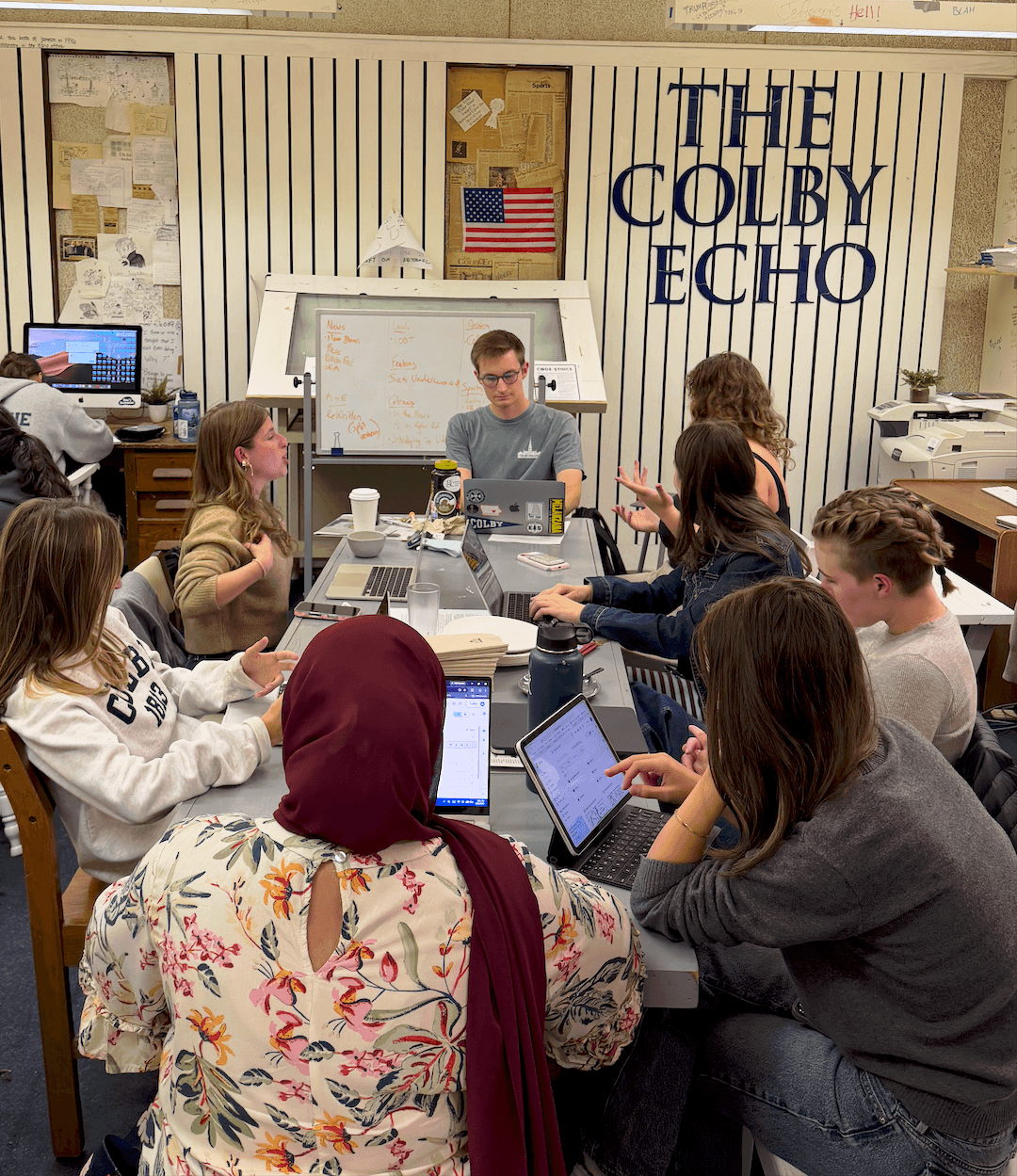
Every Monday evening as the academic week settles into its rhythm, Elias Kemp makes the familiar walk to the newsroom of The Colby Echo. By shortly before 7 p.m., the Colby College senior settles in for what will inevitably be a long night of editing, layout revisions, and coffee-fueled problem-solving. As co-editor-in-chief of the independent student newspaper at the elite, small liberal arts institution in Waterville, Maine, Kemp embodies a unique paradox central to modern American higher education: he is producing a vital, weekly print publication for a community of 2,400 students while studying philosophy at a college that does not offer a single academic journalism course, major, or minor.
Kemp’s reality is far from an isolated exception. Across the United States, roughly 1,100 college newspapers operate under similar conditions, with fewer than half backed by academic journalism programs on their campuses. Paradoxically, many of the nation’s most storied, decorated, and influential student media operations—including the University of California, Los Angeles’ Daily Bruin, The Michigan Daily, The Harvard Crimson, and The Cornell Daily Sun—thrive at universities entirely devoid of formal journalism education departments.
Without the safety net of classroom instruction, institutional accreditation, or professional syllabi, these student journalists are writing, editing, and managing entire newsrooms through trial by fire. While missing out on traditional pedagogical milestones, these newsrooms have cultivated an environment of raw autonomy, lowering barriers to entry, diversifying newsroom demographics, and forging deeply passionate civic engagement among students who never expected to pick up a reporter’s notebook.
Detailed Chronology: A Week in the Life of Uncredentialed Newsrooms
To understand the scope of contemporary independent student journalism, one must examine the grueling weekly lifecycles of newsrooms operating without institutional safety nets.
At The Colby Echo, the operational tempo peaks on Monday production nights. Kemp and his student editors parse through submitted copy, format pages, and ensure the paper is finalized for its Thursday distribution window. Because the paper has historically struggled to recruit a dedicated distributor from Colby’s tight-knit student body, Kemp’s responsibilities extend far beyond the editor’s desk. Every Thursday morning at 5:30 a.m., long before most of his peers wake up for morning classes, Kemp physically stocks the campus newsstands himself.
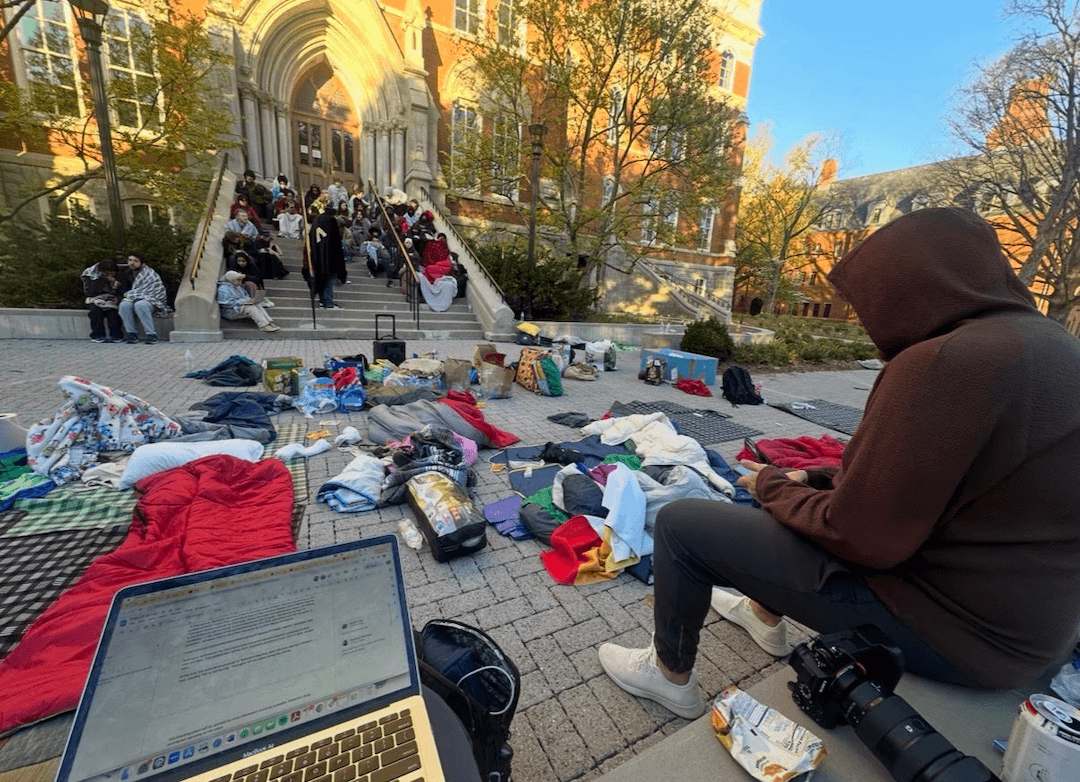
This bootstrap mentality defines leadership tenures across the country. When Jorie Fawcett stepped into the role of editor-in-chief at Vanderbilt University’s independent student newspaper, The Hustler, during the spring semester of her junior year, she was immediately thrust into a crucible of high-intensity reporting. Fawcett inherited the newsroom just as campus-wide pro-Palestine demonstrations escalated, culminating in a high-profile sit-in at the university’s Kirkland Hall administration building that resulted in three arrests. With two and a half years of prior newsroom experience, Fawcett knew the operational mechanics, but her tenure was characterized, by her own admission, by "a whole lot of not sleeping."
Similarly, Nathaniel Rodwell-Simon’s entry into journalism at the University of Chicago began not in a lecture hall, but behind a camera lens. A history and education major, Rodwell-Simon joined The Chicago Maroon as a freshman photographer. When pro-Palestine encampments materialized across the U.S. in the spring of 2024, Rodwell-Simon logged grueling 16-hour days capturing the unrest. Recognizing his dedication and news sense, senior editors nudged him to step outside his comfort zone. Without prior reporting experience, he transitioned into writing news updates and features, eventually rising to become the paper’s managing editor.
Yet, this relentless drive comes at a steep personal cost. Kemp routinely wraps up production nights at 11 p.m., trading precious hours that could otherwise be dedicated to his philosophy major, job applications, or the traditional social milestones of a college senior. While he receives a modest semester stipend, it fails to reflect the equivalent hourly output of standard campus employment. His commitment—and that of thousands of peers nationwide—stems not from academic credit or career obligation, but from a profound devotion to the craft.
Supporting Context & Metrics: The Landscape of Higher Education Journalism
The absence of formal journalism education at premier universities highlights a stark statistical reality across American campuses. According to data tracking compiled by the National Center for Education Statistics, U.S. News & World Report, and the Accrediting Council on Education in Journalism and Mass Communications (ACEJMC):
- There are approximately 1,100 active college newspapers across the United States.
- Fewer than half of these institutions maintain dedicated academic journalism departments, majors, or minors.
- U.S. News & World Report lists roughly 330 schools offering journalism degrees.
- The National Center for Education Statistics tracks approximately 450 institutions with similar programmatic offerings.
- Only 120 programs nationwide hold prestigious ACEJMC national accreditation.
These numbers illustrate that the traditional pipeline—whereby students enroll in journalism school, join the campus paper to apply coursework, and transition directly into industry jobs—represents a minority pathway. The heavy lifting of training the next generation of storytellers is frequently managed by extracurricular, completely autonomous student boards.
The Trade-Offs of On-the-Job Training
Operating without a journalism school creates distinct vulnerabilities. Student editors frequently grapple with institutional memory gaps. Jorie Fawcett noted that when junior writers inquired about why certain newsroom traditions or copy-editing standards existed, she often had no historical justification to offer.
"I never really knew the answer," Fawcett recalled. "Because someone had just told me that that’s how we do it, and then I was passing that along… It was just replication."
Ethical navigation poses another heavy burden. Aidan Marks, who served as editor-in-chief of The Davidsonian at Davidson College in North Carolina, felt his staff was frequently "ill-equipped to navigate ethical dilemmas" due to a lack of faculty oversight. Relying solely on self-directed research and high-school-level understanding, Marks and his editorial board had to manage complex editorial choices independently. Furthermore, staffing shortages severely restricted their scope; with a core team of roughly six staff writers and 15 editors who also wrote, The Davidsonian lacked the bandwidth for long-term investigative reporting, focusing instead on surviving the weekly print cycle.
Official Statements and Perspectives from the Newsroom Trenches
Despite the logistical hurdles, student leaders and alumni champion the unexpected freedoms afforded by uncredentialed newsrooms.
Elias Kemp argues that the absence of a journalism department effectively lowers the barrier to entry, transforming campus publications into more representative mirrors of their student bodies:
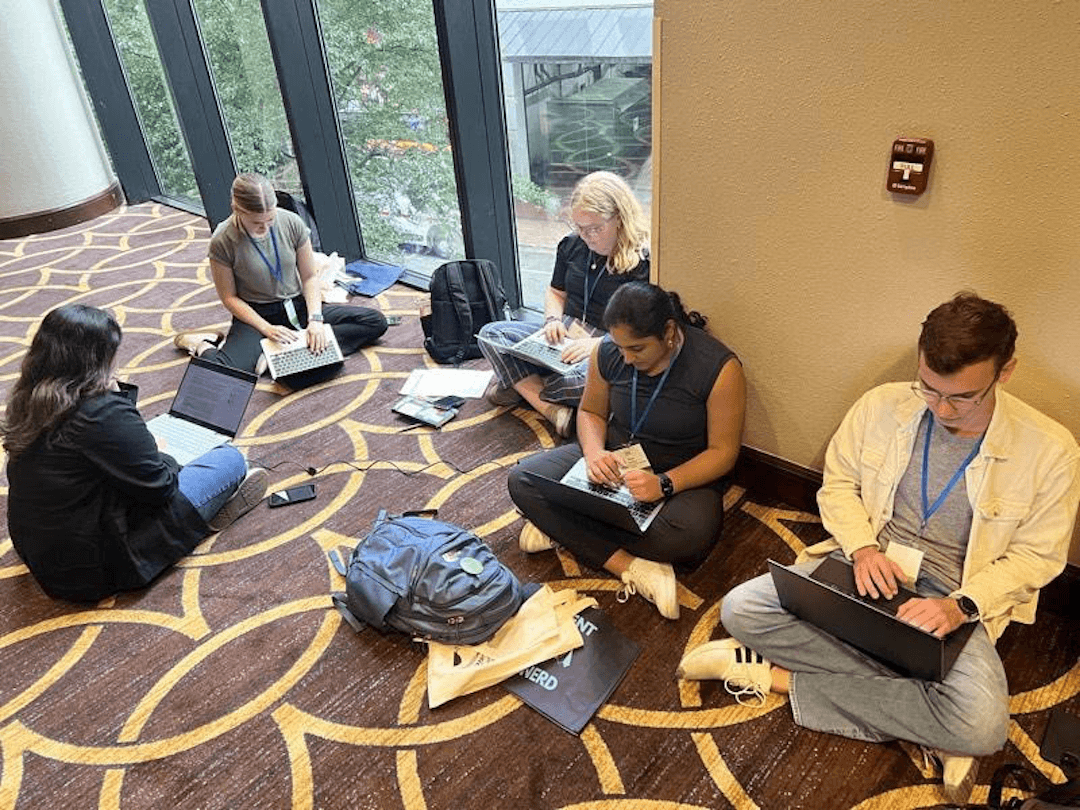
"It’s a positive having those folks who are not necessarily journalists by training. If the goal of The Colby Echo is to be an echo of the campus community, you have the campus community in larger numbers and more representative numbers on the Echo staff simply because there’s a lower academic barrier to entry."
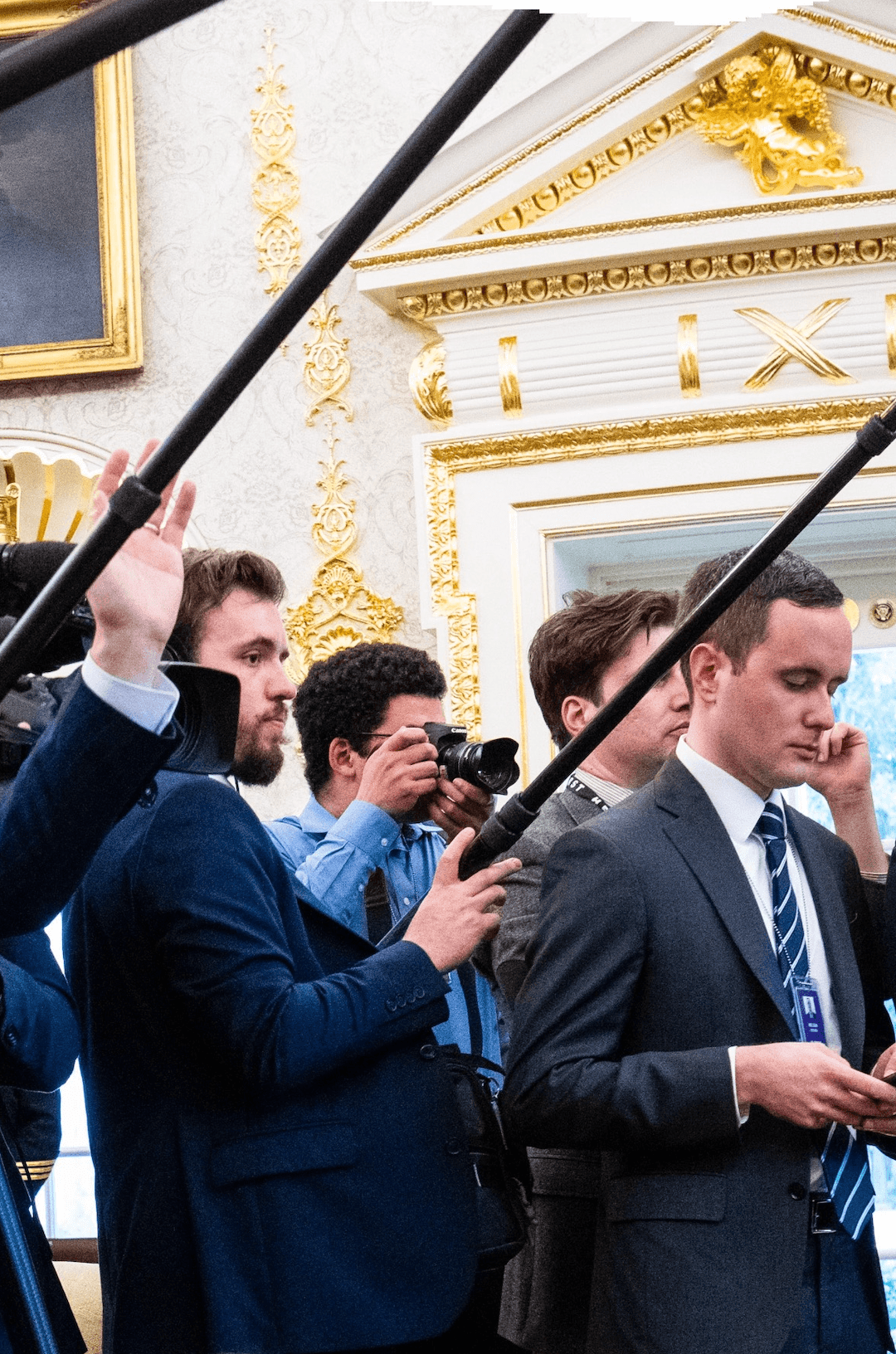
At universities with elite, pre-professional journalism programs—such as Northwestern University, the University of Missouri, or Arizona State University—new students may feel intimidated by peers arriving with advanced portfolios. Conversely, at non-journalism schools, students are encouraged to explore hidden talents. Nathaniel Rodwell-Simon noted that his senior editors "saw something in me that I did not see in myself," pushing a history and education major into the corridors of national media coverage, including shooting photographs inside the White House Oval Office.
Hailey Weiner, news editor at The Hustler, emphasizes the fundamental truth of the profession regardless of academic framing:
"Journalism is a job that you can only learn with experience… People here have a lot of drive, civic drive. Journalism is a career that you can see your results kind of immediately, and how they manifest in your community. Hearing people talk about your articles, seeing [the university] make decisions based off of something that you published, doing research on something… and then bringing it to light. I think that really motivates people."
Future Outlook: The Resiliency of Autonomous Student Media
As the broader media industry faces unprecedented economic contraction, digital transformation, and shifting public trust, the incubator of independent college journalism remains remarkably resilient.
While alumni like Jorie Fawcett and Elias Kemp ultimately choose paths outside traditional newsrooms—venturing into student affairs and philosophy, respectively—the analytical rigor, project management, and ethical fortitude forged in these newsrooms leave indelible marks on their professional profiles. Others, like Nathaniel Rodwell-Simon, weigh the precarious economics of the contemporary media landscape against a newly discovered vocation, keeping journalism firmly at the top of their career considerations.
Ultimately, the lack of academic infrastructure has not crippled these publications; rather, it has forged a culture of radical self-reliance. Driven by civic responsibility and a love for the tangible impact of ink on paper, these student journalists continue to report, edit, and distribute vital community news—proving that a press pass is forged not in a lecture hall, but in the relentless pursuit of the truth.