

Executive Overview
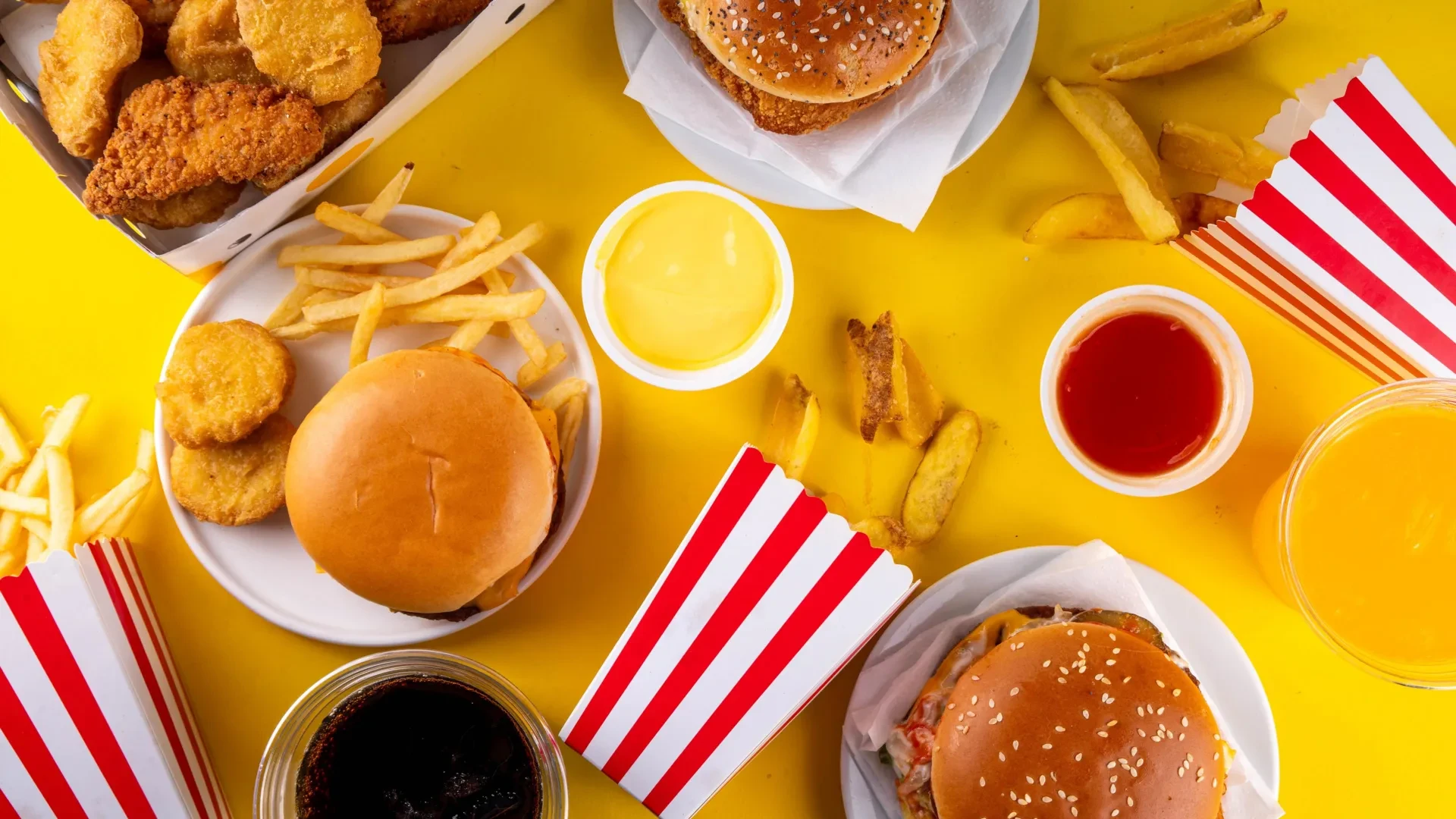
For years, public health messaging has grown increasingly unified on a singular, alarming premise: ultra-processed foods (UPFs) are a universal hazard to human longevity and well-being. Comprising more than half of the daily caloric intake for the average American adult, this sprawling category of convenience items, ready-to-heal meals, packaged snacks, and reconstituted meats has routinely shouldered the blame for climbing rates of chronic illnesses, metabolic disorders, and malignancies. Among these, colorectal cancer (CRC)—one of the most prevalent and lethal forms of cancer globally—has frequently been linked in public discourse to the relentless rise of industrial food processing.
However, a massive, nearly two-decade-long epidemiological investigation published in PLOS Medicine is turning conventional dietary wisdom on its head. Led by Dr. Erikka Loftfield and her esteemed colleagues at the National Cancer Institute (NCI), a division of the National Institutes of Health (NIH), the research team evaluated health and dietary records from more than 460,000 American adults. Their findings challenge the blanket condemnation of ultra-processed foods, revealing that total consumption of UPFs showed no overall association with a higher incidence of colorectal cancer.
Rather than indicting industrial processing itself as the primary catalyst for disease, the study highlights a crucial nuance that has long been lost in broad-brush nutritional guidelines: the health implications of a food depend heavily on its internal nutritional matrix rather than how heavily it was manufactured. While ultra-processed ultra-processed meats correlated directly with increased cancer rates, other ultra-processed items—specifically those rich in whole grains, dietary fiber, dairy, and calcium—were paradoxically associated with a lower incidence of colorectal cancer.
This comprehensive investigation forces both the scientific community and the general public to re-evaluate how we categorize, study, and regulate modern diets. By proving that the label "ultra-processed" fails to tell the whole story, the research opens a vital pathway toward more nuanced, evidence-based nutritional strategies for cancer prevention.
Detailed Chronology: Unpacking the 19-Year NIH-AARP Study
To understand the weight of these findings, one must examine the immense logistical framework and historical timeline that underpinned the research. The journey toward this paradigm-shifting publication began in the mid-1990s, an era when the modern American diet was undergoing a radical shift toward convenience, shelf-stable ingredients, and fast-food culture.
Phase I: Inception and Baseline Data Collection (1995–1996)
In 1995 and 1996, the National Institutes of Health launched the landmark NIH-AARP Diet and Health Study. Recognizing a critical need to understand the complex environmental and dietary underpinnings of cancer in an aging demographic, researchers enrolled hundreds of thousands of participants aged 50 to 71 residing in six states (California, Florida, North Carolina, Pennsylvania, New Jersey, and Louisiana) and two metropolitan areas (Atlanta and Detroit).
At the starting line of this longitudinal journey, participants were asked to complete an extensive, validated baseline questionnaire detailing their dietary habits over the previous 12 months. This questionnaire captured the frequency and portion sizes of over 120 distinct food and beverage items. Little did these participants know that their everyday grocery choices would eventually form the bedrock of one of the largest nutritional epidemiology studies of our time.
Phase II: The Long-Term Tracking Period (1996–2018)
Following the initial baseline data collection, the study entered a protracted monitoring phase. Researchers tracked the health outcomes of the cohort through 2018 via periodic linkage to National Death Index records, state cancer registries, and vital statistics databases.
The median follow-up period spanned an astonishing 18.8 years, giving scientists a rare window into the long-term dietary trajectories and cancer outcomes of nearly half a million individuals as they aged through their sixth, seventh, and eighth decades of life. Throughout this nearly two-decade surveillance window, researchers carefully documented every new diagnosis of colorectal cancer, controlling for potential confounding factors such as smoking status, physical activity, family history of cancer, body mass index (BMI), total energy intake, and overall diet quality.
Phase III: Classification and Methodological Rigor
As dietary science evolved, researchers recognized the need to apply modern analytical frameworks to this legacy dataset. Utilizing the internationally recognized NOVA food classification system—which categorizes foods based on the extent and purpose of industrial processing—the research team retrospectively coded the baseline dietary questionnaires.
This allowed investigators to isolate total ultra-processed food consumption and cross-reference it against specific food groups. They broke down the broad UPF category into granular sub-components: ultra-processed breads and cereals, ultra-processed dairy products, ultra-processed meats, sugary beverages, and ready-to-eat meals.
Phase IV: Analysis and the October 2024 Publication
When the data was fully synthesized, the results challenged prevailing assumptions. Published on October 15 in PLOS Medicine, the findings demonstrated that overall UPF intake did not elevate colorectal cancer risk. However, when the data was disaggregated by specific food sources, stark divergences emerged. The final publication immediately ignited conversations among nutritionists, oncologists, and public health officials worldwide, marking a milestone in nutritional epidemiology.
Supporting Context & Metrics: Breaking Down the Numbers
To fully grasp the implications of the NCI study, it is essential to look at the hard data, population metrics, and statistical associations uncovered by Dr. Loftfield’s team.
Key Population Metrics at a Glance
- Total Study Cohort: 461,682 American adults.
- Age Range at Enrollment: 50 to 71 years old.
- Median Follow-Up Duration: 18.8 years.
- Primary Exposure: Ultra-processed food (UPF) intake, measured via baseline dietary questionnaires.
- Primary Outcome: Incident cases of colorectal cancer (CRC) identified over nearly two decades of tracking.
- Baseline Dietary Reality: Ultra-processed foods already accounted for more than 50% of total daily caloric intake for American adults during the study’s baseline era—a figure that has likely climbed even higher in the decades since.
The Paradox of Processing: Good UPFs vs. Bad UPFs
The core revelation of the study lies in its sub-group analyses. When researchers stripped away the broad "ultra-processed" label and looked at individual product categories, they discovered that processing level alone was a poor predictor of oncological risk.
- The Protective Ultra-Processed Group: Higher consumption of whole grains, dietary fiber, dairy products, and calcium—even when sourced from ultra-processed formulations (such as mass-produced fortified whole-grain breads or commercially packaged yogurts and calcium-fortified dairy alternatives)—was consistently associated with a lower incidence of colorectal cancer. This reinforces the enduring protective properties of fiber, whole grains, and dairy minerals, proving that industrial processing does not automatically strip away these beneficial biochemical traits.
- The Detrimental Ultra-Processed Group: Conversely, meat products derived from ultra-processed sources (such as mass-produced hot dogs, heavily cured deli meats, and industrial sausages) showed the exact opposite pattern. Greater consumption of these items was robustly associated with an increased incidence of colorectal cancer, aligning seamlessly with decades of prior epidemiological warnings regarding processed meats.
The Substitution Analysis: A Quantifiable Benefit
To provide actionable insights for consumers, the research team conducted a substitution model. They calculated what would happen if individuals systematically replaced ultra-processed foods with minimally processed alternatives.
The analysis revealed that substituting minimally processed foods for just 10% of total ultra-processed food intake by weight was associated with a 2% lower incidence of colorectal cancer. While a 2% reduction may appear modest at an individual level, scaled across a national population of millions, shifting dietary choices away from harmful processed formulations toward whole foods could prevent thousands of cancer diagnoses annually.
Official Statements and Expert Perspectives
The publication of this study has drawn significant commentary from the scientific community, prompting leading researchers to reflect on how public health messaging must evolve.
Dr. Erikka Loftfield, the lead investigator of the study from the National Cancer Institute’s Intramural Research Program, summarized the core takeaway during a press statement accompanying the release:
"In this large population of older US adults, we did not observe an association between total ultra-processed food (UPF) intake and colorectal cancer incidence; however, when we looked at food groups, like whole grains, dairy, and meat, by UPF or non-UPF source, we found that associations were in line with current dietary guidance for colorectal cancer prevention such that higher whole grain and dairy but lower meat intakes were associated with lower colorectal cancer incidence."
Other public health experts have echoed these sentiments, noting that the study prevents a dangerous trap in nutritional science: nutritional reductionism. For years, critics have argued that categorizing foods solely by their degree of manufacturing ignores the fundamental chemistry of what those foods contain. A mass-produced, whole-grain high-fiber bread undergoes complex industrial processing, yet its biochemical profile remains rich in nutrients that protect the gastrointestinal tract. Conversely, a slice of heavily preserved, chemically stabilized processed meat carries carcinogenic compounds—such as N-nitroso compounds and heterocyclic amines—regardless of whether it was crafted in a local butcher shop or a massive industrial plant.
Furthermore, representatives from the National Institutes of Health emphasized the absolute independence of the research. Funded entirely by the Intramural Research Program of the National Cancer Institute, the study maintained strict firewall separations. The funding organization played no role in study design, data collection, analytical methodologies, the decision to publish, or the drafting of the manuscript, ensuring total scientific objectivity.
Future Outlook: Navigating the Nuances of Modern Nutrition
While the study is a masterpiece of epidemiological scale, its authors are the first to acknowledge its limitations—limitations that point directly toward the future of nutritional research.
Recognizing Study Limitations
- Demographic Homogeneity: The cohort comprised predominantly older, white American adults who joined the study in the mid-1990s. Consequently, these findings cannot be automatically generalized to younger generations, Gen Z, Millennials, or racially and ethnically diverse populations whose dietary patterns and baseline health statuses differ significantly.
- Single-Point Dietary Assessment: Participants reported their dietary habits only once, at the very beginning of the study in 1995–1996. Researchers could not account for how individual diets shifted, evolved, or improved (or worsened) over the subsequent 18.8 years.
- The Evolving Food Supply: The food industry has transformed dramatically since the mid-1990s. The chemical formulations, additive profiles, and sheer variety of ultra-processed foods available today are far more complex than those consumed by the cohort at baseline. This means initial dietary assessments may have actually underestimated participants’ true cumulative exposure to modern ultra-processed formulations.
- Observational Nature: Because the research is observational in design, it can establish strong statistical correlations but cannot definitively prove direct causation—meaning it cannot isolate whether a specific food item independently triggered or prevented cancer on a cellular level.
Where Do We Go From Here?
As nutritional science steps into the future, the NCI study serves as a critical course correction. It suggests that blanket warnings demonizing all ultra-processed foods may obscure more helpful, actionable dietary guidance.
For consumers navigating grocery aisles overflowing with packaged goods, the message is clear: ingredient lists and nutritional profiles matter far more than processing labels. Public health messaging should pivot away from generalized fear-mongering and toward empowering consumers to make discerning choices.
Future research must validate these findings across younger, more diverse cohorts and incorporate repeated, dynamic dietary tracking to capture the fluid nature of modern eating habits. Until then, the timeless pillars of cancer prevention remain standing—emphasizing whole grains, dietary fiber, calcium, and dairy while steering clear of processed meats. The level of processing is merely the wrapper; it is the nutritional substance inside that truly dictates our health.