In the high-stakes arena of Search Engine Optimization (SEO), marketers and site owners are perpetually haunted by a single, elusive question: “How many backlinks do I actually need to rank?”
For years, the conventional wisdom surrounding link building has been plagued by guesswork, vanity metrics, and a brute-force mentality that assumes more is always better. Agencies and independent publishers routinely dump thousands of dollars and countless hours into acquiring random links, hoping against hope that the algorithm will finally reward their content with a coveted page-one ranking.
However, advanced SEO audits reveal a counterintuitive reality: you rarely need as many backlinks as you think.
Precision beats volume every time. By moving away from generalized assumptions and adopting a systematic, data-driven approach, digital marketers can accurately calculate the precise quantity and quality of backlinks required to push a piece of content into the top three to five positions on Search Engine Results Pages (SERPs). This comprehensive guide breaks down a battle-tested, 5-step framework designed to eliminate guesswork, prioritize high-converting assets, evaluate competitor link profiles, and maximize the efficiency of every link-building dollar spent.
Detailed Chronology & Methodology: The 5-Step Ranking Blueprint
Achieving sustainable organic growth requires a methodical workflow. Rather than treating link building as an endless, reactive chore, top-tier SEO professionals treat it as a surgical intervention. Below is the step-by-step chronology used to audit, target, and reverse-engineer backlink requirements for maximum organic ROI.
Step 1: Identify Your Highest-Priority Backlink Targets
The first rule of efficient resource allocation is simple: never build links to content that doesn’t directly drive leads, revenue, or conversions. Too many site owners waste valuable link equity boosting low-intent, informational blog posts that bring in traffic but fail to monetize. Instead, the focus must lock onto high-converting assets currently languishing in the middle-to-lower tiers of page one (positions 4 through 10) that need just a minor push to break into the podium spots.
To uncover these hidden revenue drivers, practitioners rely on two primary extraction methods:
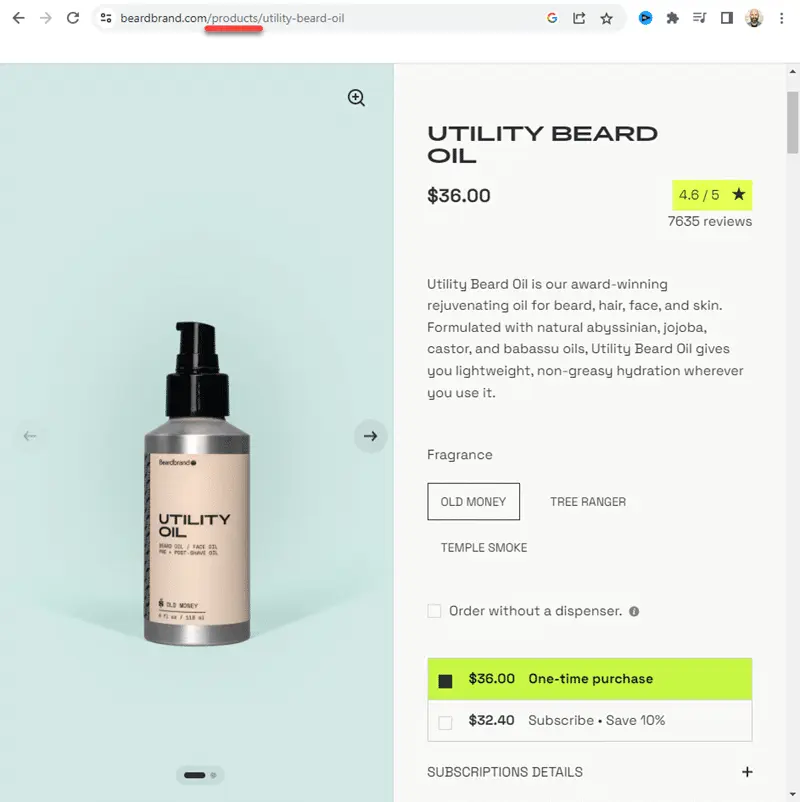
Subfolder Analysis: E-commerce platforms, SaaS providers, and service-based websites frequently silo their most important commercial pages within specific subfolders—such as /products/, /features/, /industries/, /reviews/, or /services/. By plugging these subfolder paths into an enterprise SEO tool like Ahrefs Site Explorer and filtering the Top Pages report for keywords ranking in positions 4–10, marketers instantly generate a high-ROI shortlist of product or feature pages ready for optimization.
Keyword Modifiers: For sites that do not utilize structured subfolders, keyword modifiers serve as an effective alternative. By applying a "Keyword Contains" filter in the Top Pages report using high-intent modifiers like Best, Software, Tools, Platform, Solutions, Alternatives, or vs., publishers can instantly isolate money-making comparison and review pages.
By analyzing a target asset—such as an established guide on SERP tracking tools—marketers can establish a baseline for content freshness and identify precisely where algorithmic assistance is required.
Step 2: Review SERP Data and Isolate Direct Competitors
Once a high-priority target is selected, the next phase involves examining the live competitive landscape. By navigating to the Keyword Explorer overview and scrolling down to the SERP Overview report, marketers can view every URL currently occupying the top ten positions.
The goal here is not to gawk at the top-ranking giants, but to find a benchmark competitor. Specifically, look for a rival domain that shares two critical traits:
A Domain Rating (DR) score comparable to or lower than your own website.
An identical content type and format (e.g., comparing a listicle-style blog post to another listicle-style blog post).
Crucially, raw "Referring Domains" (RD) counts shown in high-level reports can be profoundly misleading. A competitor might boast 85 referring domains, but a closer inspection often reveals that the vast majority are low-quality, irrelevant, or spammy links that do not reflect the true barrier to entry. Finding the competitor with the lowest feasible referring domain count allows for an accurate, "apples-to-apples" comparison.
Step 3: Filter and Refine Competitor Backlink Profiles
Raw data requires rigorous cleaning. To uncover the real number of backlinks needed to compete, marketers must drill down into the competitor’s Referring Domains report and apply targeted filters.
Standard industry filters typically include:
Removing low-quality or spammy link networks.
Isolating do-follow links from unique root domains.
Filtering for topically relevant industry sectors (e.g., SaaS, marketing agencies, or niche publishers).
For instance, an initial competitor analysis might display 85 referring domains. However, once rigorous quality filters are applied, that number frequently drops drastically—sometimes down to just 22 truly impactful, topically relevant domains. Subtracting irrelevant mentions leaves the SEO strategist with a realistic, highly achievable backlink target rather than an intimidating, bloated metric.
Step 4: Assess Domain Rating (DR) Distributions
Counting links is only half the battle; understanding link quality is what separates amateur campaigns from professional masterclasses. Step four requires auditing the domain rating distribution of the competitor’s backlink profile.
If a competitor’s backlink profile is heavily front-loaded with authoritative, high-DR links (such as multiple referring domains with a DR of 80+), closing the gap will require a long-term, sophisticated PR and outreach strategy. Conversely, if the profile features a mix of mid-tier editorial placements, guest posts, and industry collaborations, the path forward becomes significantly clearer. By inspecting the specific backlink sources via the competitor’s outbound link dropdowns, marketers can reverse-engineer the exact outreach methods—whether guest blogging, digital PR, or resource page link building—used to acquire those assets.
Step 5: Determine Link Velocity Targets
Ranking on page one is rarely a static achievement; competitors actively defend their turf by continuously building new links. To prevent outranking a rival only to lose the spot a month later, SEOs must calculate link velocity—the rate at which competitors acquire new links over time.
By toggling the backlink report to display "New backlinks" over rolling 30-day, 3-month, and 6-month windows, strategists can gauge ongoing maintenance requirements. In many cases, mature SERPs show a stark reality: established competitors may generate zero new referring domains month-over-month. This insight brings immense operational relief, confirming that once the initial backlink gap is bridged (e.g., acquiring 22 targeted domains), the site will only require one or two strategic links per quarter to defend its hard-earned position.
Supporting Context & Metrics: The Mathematics of Organic Growth
To fully appreciate the value of this 5-step framework, one must examine the underlying economics of search traffic. Consider enterprise-tier keywords or competitive software roundups—assets that currently pull in modest traffic (such as 90 to 100 organic visits per month) while sitting at the bottom of page one (position 9).
Data consistently shows that moving a piece of content from position nine into the top three positions routinely triples or quadruples organic traffic. When applied across a portfolio of high-intent commercial keywords, this traffic surge directly translates to exponential increases in affiliate commissions, product sign-ups, and inbound enterprise leads.
By filtering out the noise of total referring domains and focusing exclusively on topically relevant, high-DR link gaps, digital marketers ensure that their capital is never wasted on low-tier directory submissions or defunct PBNs (Private Blog Networks). Every link acquired serves a singular purpose: moving a revenue-generating asset past the tipping point into page-one dominance.
Expert Insights and Official Perspectives
Industry veterans increasingly emphasize efficiency over volume in the wake of continuous core algorithm updates. Modern search engines have grown remarkably adept at evaluating topical relevance, user intent, and contextual link quality.
"The era of mass link acquisition is dead," notes veteran SEO strategist Robbie Richards in his advanced training modules. "When you run a rigorous gap analysis on page-one competitors, you consistently find that the barrier to entry is far lower than people assume. Most sites don’t need hundreds of new links; they need a handful of highly relevant, authoritative contextual placements combined with a timely content refresh."
This perspective underscores a vital truth in modern digital marketing: content quality and backlink acquisition are two sides of the same coin. Pumping backlinks into an outdated, poorly formatted article yields diminishing returns. However, pairing a comprehensive content overhaul with a surgically precise backlink campaign creates an irresistible signal for search engine crawlers.
Future Outlook: The Evolution of Link Building and SERP Competition
As artificial intelligence continues to reshape search engines through generative experiences and semantic parsing, the mechanics of ranking are bound to evolve. Yet, the foundational importance of authoritative, earned endorsements—backlinks—remains absolute.
Moving forward, the publishers who succeed will be those who abandon blunt-force SEO tactics in favor of data intelligence. Calculating exact backlink requirements, monitoring competitor velocity, and auditing domain rating distributions will no longer be considered "advanced tactics"—they will be the baseline standard for operational survival.
By auditing high-priority assets today, content creators can stop guessing, optimize their outreach budgets, and build predictable, scalable pathways to the top of the search engine results pages.