

Executive Overview
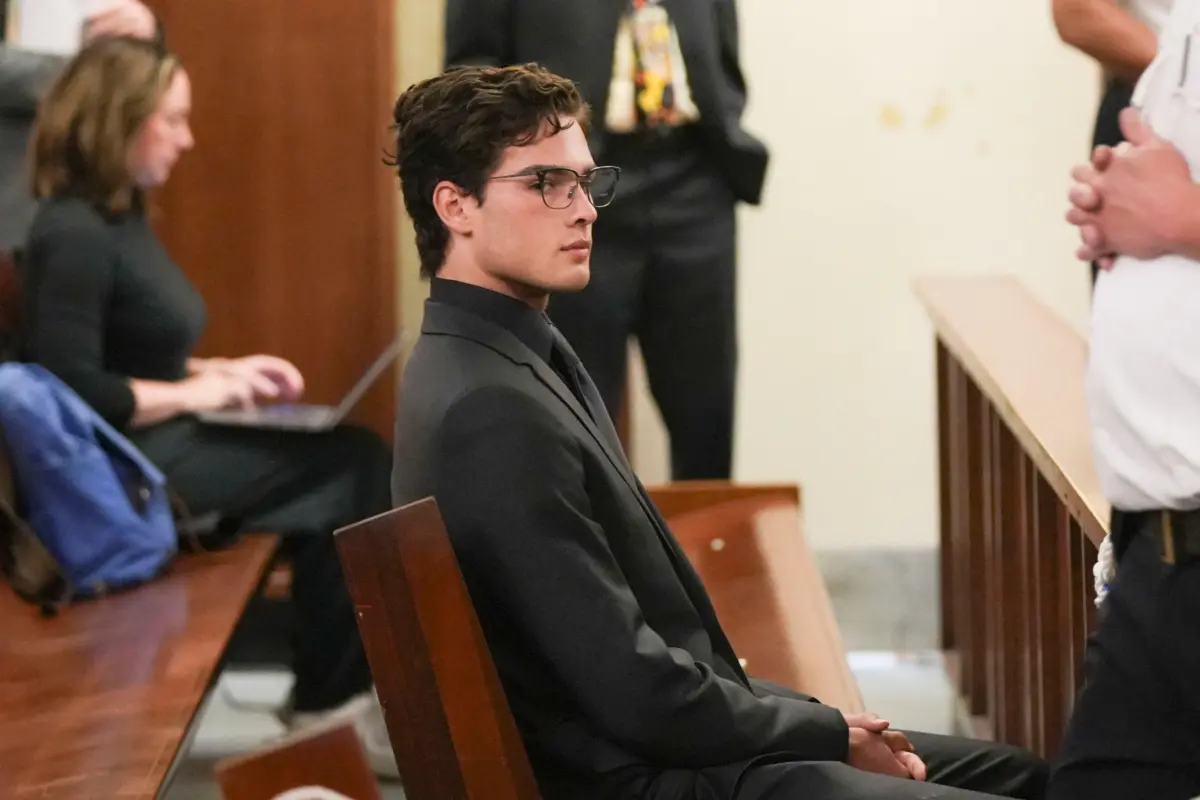
The intersection of digital subcultures, youth celebrity, and severe criminal allegations collided in a Massachusetts courtroom on a Thursday morning, marking a critical turning point in the legal saga of Braden Peters, a prominent figure in the online "looksmaxxing" community who performs under the moniker "Clavicular." Peters, facing grave felony charges stemming from an alleged assault on Cape Cod in May 2025, formally entered a plea of not guilty during his arraignment.
The case has captured the attention of mainstream media and digital watchdogs alike, pulling back the curtain on the unregulated, hyper-niche ecosystem of online physical-enhancement communities. Peters, who built his digital footprint advising young men on maximizing their physical aesthetics, found himself navigating a vastly different reality as a defendant in a criminal proceeding. Following arguments regarding his flight risk and community danger, a Massachusetts judge set his bail at $10,000, which Peters swiftly paid in cash. As conditions of his release, he surrendered his passport and was subjected to strict stay-away orders prohibiting any direct or indirect contact with his accuser, as well as any commentary regarding her on his digital platforms.
The charges against Peters—which include rape, a drug-related sexual offense, and providing alcohol to a minor—sent shockwaves through his online follower base. Yet, the case represents more than just an isolated legal battle between two digital creators. It serves as a stark case study of the real-world legal consequences that can arise from interactions born within the ethereal, often lawless spaces of niche social media subcultures. With a defense strategy beginning to take shape in court filings—pointing to post-incident collaborations and personal notes—and a civil suit running parallel to the criminal prosecution, the legal battle ahead promises to scrutinize the blurred lines between online persona, offline behavior, and the complexities of consent in the digital age.
Detailed Chronology of Events
To understand the gravity of the legal framework surrounding Braden Peters, one must trace the timeline from the initial alleged events in the spring of 2025 to the courtroom showdown in late 2026. The progression of the case highlights the complex interplay between civil litigation and state-level criminal prosecution.
May 2025: The Alleged Incident on Cape Cod
According to law enforcement documents and court filings, the core incidents occurred on May 23, 2025, at a family residence owned by Peters’ relatives on Cape Cod, Massachusetts. Aleksandra Vasilevna Mendoza, a fellow digital creator widely known by her online handle Alorah Ziva, traveled to the property. At the time of the alleged events, police reports cited by The New York Times indicated that Mendoza was 17 years old.
According to civil complaints initially filed by Mendoza, the encounter quickly escalated from a standard creator collaboration into a traumatic ordeal. Mendoza alleged that Peters supplied her with alcohol to the point of severe intoxication, impairing her capacity to grant legal consent. The complaint further detailed that Peters engaged in non-consensual sexual activity with her while she was incapacitated, and claimed that upon waking the following morning, she realized the abuse was ongoing without her consent. Additionally, the initial civil filings raised alarming claims that Peters administered an unapproved substance, potentially containing elements of methamphetamine, without her knowledge or informed consent.
April to October 2025: The Civil Suit Filed and Refiled
The civil litigation set the early public stage for the allegations. In April 2025, Mendoza filed a comprehensive civil suit against Peters, detailing claims of battery, intentional infliction of emotional distress, and fraud. This lawsuit brought the Cape Cod incident into the public consciousness, forcing Peters to issue blanket denials across his social media channels.
As the criminal investigation gained momentum behind the scenes, the civil litigation shifted. In October, Mendoza refiled her civil suit, notably omitting the specific sexual assault allegations. Legal experts noted that this strategic pivot was designed to streamline the civil proceedings and ensure that the civil action would not inadvertently complicate or interfere with the impending state criminal prosecution.
September 2025: Grand Jury Indictments and State Charges
Recognizing the severity of the allegations, the Commonwealth of Massachusetts moved forward with formal criminal charges in September. Prosecutors secured an indictment against Peters, charging him with three distinct criminal counts:
- Rape: A primary felony charge relating to the alleged non-consensual sexual assault on Cape Cod.
- Drug-Related Sexual Offense: A felony charge tied to the administration of substances during the course of the sexual interaction.
- Procuring Liquor for a Minor: A misdemeanor charge resulting from allegations that Peters provided alcohol to Mendoza, who was under the legal drinking age of 21 at the time.
Late 2025 to October 2026: The Arraignment and Bail Proceedings
The legal trajectory culminated in Peters’ formal arraignment on a Thursday in October 2026. The day prior to the arraignment, defense counsel petitioned the court for a low bail amount, arguing aggressively that Peters possessed no prior felony convictions, did not constitute a flight risk, and posed no physical danger to the broader community.
Despite these arguments, the presiding judge set bail at $10,000, which Peters promptly posted in cash. Alongside the financial bond, the court imposed stringent pre-trial conditions: Peters was ordered to surrender his passport immediately and barred from initiating any form of contact with Mendoza, including online mentions or digital harassment campaigns orchestrated by his followers.
Supporting Context & Metrics: The "Looksmaxxing" Subculture
The gravity of Braden Peters’ legal troubles cannot be fully parsed without examining the cultural phenomenon that birthed his digital celebrity. Operating under the alias "Clavicular," Peters was a prominent architect and beneficiary of the "looksmaxxing" movement—a rapidly expanding digital subculture centered on the optimization of human physical appearance.
Decoding "Looksmaxxing"
Rooted in obscure internet forums and message boards, looksmaxxing blends elements of self-improvement, body modification, incel subculture tropes, and toxic masculinity. Practitioners—predominantly young men—share tips, routines, and surgical recommendations to maximize their genetic potential. Metrics of success within these communities are hyper-quantified, focusing on facial bone structure (such as jawlines, canthal tilt, and, notably, clavicle width, from which Peters derived his moniker), body fat percentages, and grooming regimens.
Influencers like Peters capitalized on the deep-seated insecurities of teenage boys and young men, monetizing their advice through private Discord servers, subscription-based coaching, and social media ad revenue. However, the culture has faced relentless scrutiny from psychologists and cultural critics for promoting body dysmorphia, misogynistic worldviews, and dangerous, unregulated physical hacks.
A History of Digital Controversy
Peters’ career as Clavicular was defined by shock value and perpetual controversy long before the Massachusetts state police opened their criminal investigation. Operating in a digital ecosystem that rewards algorithmic outrage, Peters frequently courted backlash. Among his most notorious pre-trial controversies was a widely circulated incident in Florida where he allegedly shot a dead alligator—an act that drew intense condemnation from animal rights activists and mainstream internet users alike.
This appetite for transgressive behavior and boundary-pushing content formed the backdrop of his personal brand. When allegations of a far darker nature emerged, critics argued they were an extension of a digital culture that frequently dehumanizes women and normalizes predatory power dynamics under the guise of alpha-male posturing.
Legal Strategies and Official Statements
As the case moves toward trial, the preliminary legal maneuvers offer a clear window into how both the prosecution and the defense intend to frame their arguments before a jury.
The Defense Strategy: Contesting Consent and Collaboration
During the pre-trial bail hearings, defense attorneys representing Peters revealed the foundational pillars of what is expected to be their primary trial defense. Seeking to dismantle the prosecution’s narrative of incapacitation and non-consensual assault, Peters’ legal team introduced evidence highlighting an ongoing personal and professional relationship between Peters and Mendoza long after the alleged date of May 23, 2025.
According to court filings submitted by his lawyers, Mendoza not only agreed to collaborate on subsequent social media content with Peters but also repeatedly praised him in personal communications. Defense filings prominently featured a handwritten note purportedly authored by Mendoza, which read:
"Braden, you have my loyalty 100% […] I admire the man you are."
Furthermore, the defense highlighted instances where Mendoza allegedly described Peters as "so nice" and continued mutual digital ventures well after the events on Cape Cod. Legal analysts suggest the defense will likely leverage this material to challenge the credibility of the accusations, arguing that subsequent friendly interactions are inconsistent with the trauma of a non-consensual assault.
Prosecution and Accuser Stance
Conversely, prosecutors maintain that the power dynamics inherent in influencer collaborations, combined with the alleged use of alcohol and incapacitating substances, nullify any surface-level cordiality or post-incident contact. Victims of trauma frequently experience complex emotional responses, including forced compliance, confusion, or attempts to maintain normalcy—nuances that prosecutors often present expert testimony to explain.
Representatives for Aleksandra Vasilevna Mendoza have largely remained tight-lipped regarding the immediate developments of the criminal case. Following Peters’ not-guilty plea, Mendoza’s legal counsel declined to provide public comment. However, the strategic decision to refile the civil suit without the sexual assault claims demonstrates a calculated effort by her legal team to ensure that the civil proceedings do not create evidentiary vulnerabilities that defense attorneys could exploit in the criminal trial.
Meanwhile, representatives for Peters have maintained a strict silence outside of the courtroom, declining requests for interviews. Peters himself has offered no new public statements regarding the arraignment, having previously relied on brief social media denials when the civil allegations first went public.
Future Outlook
The legal proceedings against Braden Peters are positioned to become a landmark trial at the intersection of digital creator culture and the criminal justice system. As the case progresses through the Massachusetts court system, several critical milestones and broader societal implications loom on the horizon.
Upcoming Legal Milestones
With the arraignment concluded, the discovery phase will take center stage. Attorneys on both sides will exchange digital forensics, police reports, medical records concerning the alleged substance administration, and comprehensive communication histories between Peters and Mendoza. Expert witnesses in toxicology, trauma response, and digital media dynamics are expected to play pivotal roles. Pre-trial motions regarding the admissibility of the defense’s handwritten notes and the scope of permissible evidence will likely dominate the court docket in the coming months before a trial date is formally scheduled.
Broader Cultural and Legal Implications
Beyond the specific verdict that will ultimately decide Peters’ guilt or innocence, the case carries profound implications for the influencer industry. For years, the digital creator economy has operated in a regulatory gray area, where offline misconduct is frequently minimized, shielded by non-disclosure agreements, or mitigated by loyal fanbases.
The criminal prosecution of "Clavicular" signals a growing intolerance by law enforcement agencies and judicial systems toward alleged predatory behavior within digital subcultures. It serves as a sharp reminder that the digital screens, follower counts, and monetization metrics that insulate influencers online hold no weight in a court of law. Whether the trial results in conviction or acquittal, the case of Braden Peters has already permanently altered the conversation surrounding accountability, power dynamics, and safety within the modern creator economy.