

EXECUTIVE OVERVIEW
The American retail landscape is undergoing a profound demographic and cultural transformation, and at the epicenter of this shift is the explosive growth of Asian grocery store chains. Leading this charge is 99 Ranch Market, a 42-year-old retail powerhouse that has long served as a cultural anchor and culinary sanctuary for Asian immigrant communities across the United States. Today, the pioneering grocer is embarking on an aggressive multi-market expansion strategy designed to capitalize on a surging national appetite for authentic pan-Asian ingredients.
Known widely for its staggering array of fresh produce, live seafood, and specialized provisions spanning Chinese, Korean, Japanese, Taiwanese, Vietnamese, and Filipino cuisines, 99 Ranch Market is no longer merely keeping pace with its core consumer base. Instead, it is capturing the imagination—and the grocery budgets—of a diverse, adventurous, and increasingly adventurous American mainstream. This strategic push comes at a critical juncture in the U.S. retail sector. Over the past decade, demographic shifts, accelerated by shifting consumer habits during the pandemic and a broader cultural fascination with East and Southeast Asian media, cuisine, and lifestyle, have turned niche grocery items into household staples.
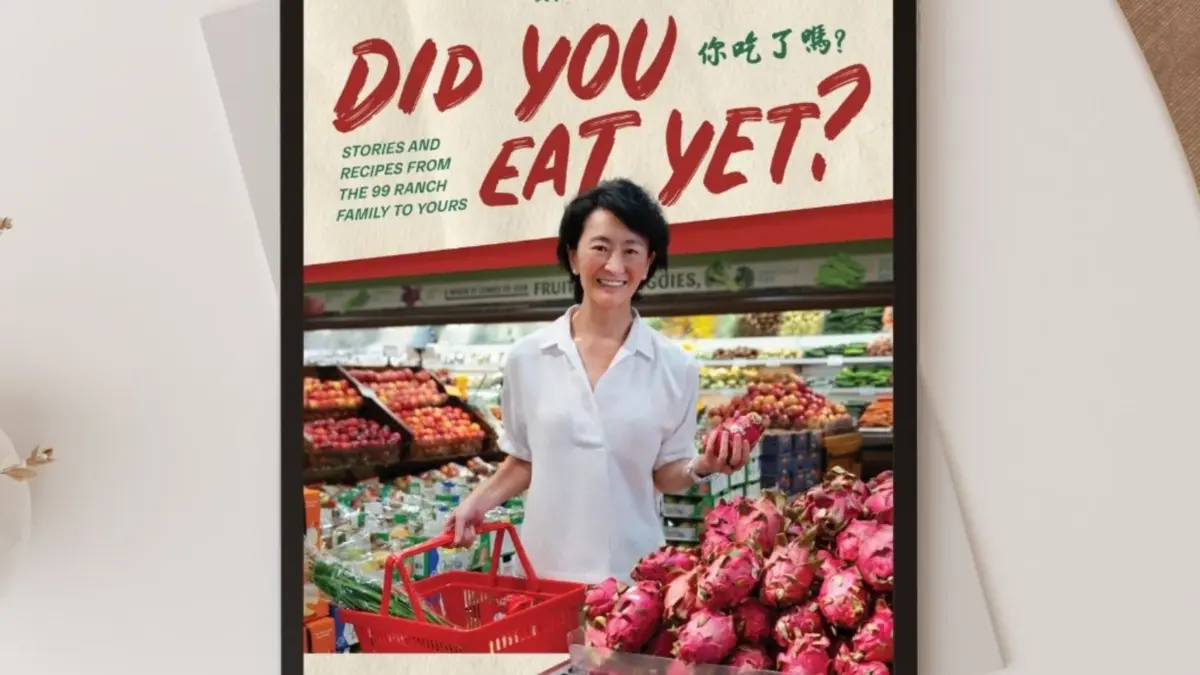
To cement its market leadership, 99 Ranch Market is not only breaking ground on new bricks-and-mortar storefronts across high-growth metropolitan areas but is also diversifying its brand touchpoints. In a landmark strategic move, the grocer recently published its inaugural cookbook, a glossy, curated compendium designed to demystify Asian home cooking and spotlight the proprietary and specialty products lining its store aisles.
Yet, 99 Ranch Market is far from alone in this retail renaissance. Major competitors such as H Mart and Patel Brothers are concurrently executing rapid nationwide expansion plans. Meanwhile, conventional supermarket behemoths—including Whole Foods Market, Target, and Trader Joe’s—have fundamentally re-engineered their center-store and perimeter offerings to include dedicated sections for Asian sauces, noodles, snacks, and frozen goods.
This deep-dive investigation explores the underlying market forces driving the pan-Asian grocery boom, traces the evolution of 99 Ranch Market from a single storefront in Southern California to a national phenomenon, examines the quantitative metrics reshaping the retail landscape, and provides an authoritative forecast of where the industry is headed in the years to come.
DETAILED CHRONOLOGY: FROM A SINGLE SOUTHERN CALIFORNIA STORE TO A NATIONAL PHENOMENON
To understand the current trajectory of 99 Ranch Market, one must look back at the immigrant entrepreneurial spirit that birthed the enterprise more than four decades ago.
The Founding Era (1984–1990s)
In 1984, Taiwanese immigrant Roger Chen founded the first 99 Ranch Market in Westminster, California—the heart of Orange County’s "Little Saigon." At the time, the options for immigrants seeking authentic ingredients from their home countries were severely limited. Neighborhoods often relied on tiny, independent mom-and-pop herbalists or cramped specialty shops that lacked the scale, variety, and modern conveniences of mainstream American supermarkets.
Chen identified a glaring gap in the market: the burgeoning Asian American population in Southern California required a clean, spacious, well-lit supermarket experience that could house under one roof the vast array of ingredients native to Taiwan, China, and Southeast Asia. The name "99" was chosen as an auspicious symbol in Chinese culture representing longevity and good fortune, paired with "Ranch" to evoke a sense of abundance and wide-open spaces.
During its first decade, the company expanded methodically across Southern California, establishing anchor locations in suburban communities with high concentrations of Asian diaspora families, such as Monterey Park and Rowland Heights. These early stores served as community hubs, featuring not just grocery aisles, but integrated hot-food delis, bakeries, and butcher counters customized to the culinary preferences of shoppers from specific regions.
Geographic Diversification and Coastal Expansion (2000s–2010s)
As the demographics of the United States shifted and professional class immigrants settled in tech and financial hubs outside of California, 99 Ranch Market recognized the need for geographic diversification.
In the 2000s, the chain made its historic leap into Northern California, followed closely by expansions into Washington state and the Pacific Northwest. This era required complex supply chain logistics, as sourcing fresh, highly perishable items—such as live Dungeness crabs, specialized Chinese greens (like gai lan and ong choy), and regional condiments—demanded the establishment of robust distribution networks thousands of miles away from traditional import ports.
By the 2010s, 99 Ranch Market crossed the American continent, planting its flag in the vibrant metropolitan areas of the East Coast and the South. Stores opened in New Jersey, Texas, Nevada, and Maryland, proving that the brand’s appeal transcended regional demographics. By tailoring its inventory slightly to reflect local community shifts—such as incorporating a wider selection of South Asian or Vietnamese goods depending on the neighborhood—the chain maintained high foot traffic and fierce customer loyalty.
Modern Diversification and the Omnichannel Era (2020–Present)
Entering the 2020s, 99 Ranch Market faced the dual challenges of a global pandemic and a rapidly digitizing retail environment. The company accelerated its investments in e-commerce, partnering with delivery aggregators like Instacart and launching its own direct-to-consumer digital ordering platforms to service urban centers where physical footprints were limited.
Most recently, the 42-year-old grocer reached a major corporate milestone by publishing its first-ever branded cookbook. This strategic initiative serves a dual purpose: it acts as an inspirational guide for second- and third-generation Asian Americans looking to reconnect with heritage recipes, while simultaneously acting as a top-of-funnel marketing tool for the thousands of imported and private-label products sold in its aisles.
As the company looks toward the next twelve months, its leadership has signaled that its upcoming real estate pipeline will be its most aggressive yet, targeting underserved suburban and urban-suburban corridors nationwide.
SUPPORTING CONTEXT & METRICS: THE MACROECONOMIC DRIVERS OF THE ASIAN GROCERY BOOM
The rapid expansion of 99 Ranch Market and its peers is not occurring in a vacuum. It is propelled by powerful demographic, cultural, and economic tailwinds that have permanently altered the U.S. grocery sector.
Demographic Shifts and Buying Power
According to data from the U.S. Census Bureau and the Pew Research Center, the Asian American population is one of the fastest-growing demographic groups in the United States, having more than doubled over the past two decades. This growth is heavily concentrated in states like California, Texas, New York, Washington, New Jersey, and Illinois—precisely the markets where 99 Ranch Market and H Mart have established strong footholds.
Furthermore, the aggregate purchasing power of Asian American consumers has skyrocketed, currently estimated to exceed $1.3 trillion annually. This demographic is characterized by high household median incomes, strong digital engagement, and a high propensity to spend disposable income on premium food, dining out, and culinary exploration.
The Mainstreaming of Asian Flavors
Simultaneously, the cultural boundaries separating ethnic cuisines from mainstream American cooking have dissolved. Driven by the proliferation of food media, travel, social media platforms (such as TikTok and Instagram), and a younger, more diverse demographic of food consumers, ingredients that were once relegated to the "ethnic foods aisle"—such as gochujang (Korean fermented chili paste), miso, fish sauce, black garlic, and various chili crisps—are now pantry staples for millions of non-Asian households.
Industry research indicates that over 78% of millennial and Gen Z consumers actively seek out experimental and global flavors when cooking at home. This cultural curiosity has created a halo effect for specialized supermarkets. Consumers no longer view stores like 99 Ranch Market as intimidating or exclusionary spaces meant only for specific immigrant groups; instead, they are increasingly recognized as culinary destinations offering superior freshness, authenticity, and variety compared to conventional grocers.
Competitive Landscape: The Big Three and Mainstream Challengers
To fully grasp the competitive intensity of the current market, one must analyze the positioning of the primary players:
- 99 Ranch Market: The undisputed titan of pan-Asian retail, with a historical stronghold in Chinese, Taiwanese, and broader East/Southeast Asian product categories. Its stores are famous for their massive scale, vibrant live seafood departments, and comprehensive hot-food counters.
- H Mart: Founded in Queens, New York, in 1982, H Mart has grown into a formidable national chain with over 80 locations. While anchored deeply in Korean culture and cuisine, H Mart stores feature expansive pan-Asian selections and have aggressively targeted affluent suburban markets, often anchoring major lifestyle retail developments.
- Patel Brothers: Serving as the premier destination for South Asian groceries, Patel Brothers boasts over 30 locations across the United States. The chain has capitalized on the explosive growth of the South Asian demographic, offering everything from fresh curry leaves and bulk spices to regional flours and sweets.
- Mainstream Invaders: Recognizing the massive profit margins and high customer retention associated with specialty ethnic foods, conventional supermarket operators have entered the fray. Whole Foods Market has systematically upgraded its global spice and sauce aisles; Target has introduced robust private-label and branded Asian snack lines; and Trader Joe’s relies heavily on viral, proprietary Asian-inspired frozen meals (such as its famous soup dumplings and scallion pancakes) to drive foot traffic.
Despite this incursions by mainstream giants, specialty chains retain a definitive competitive moat: unmatched supply chain relationships with overseas manufacturers, economies of scale on bulk agricultural imports, and an authentic shopping experience that mass-market retailers simply cannot replicate.
OFFICIAL STATEMENTS: INSIGHTS FROM RETAIL LEADERS
While privately held companies like 99 Ranch Market typically maintain a guarded posture regarding specific financial metrics and corporate earnings, executive commentary and recent strategic moves offer clear windows into their operational philosophy.
In recent corporate communications surrounding the release of the company’s first cookbook and its forward-looking real estate strategy, executive leadership underscored the brand’s enduring mission:
"For over forty years, 99 Ranch Market has been more than just a place to buy groceries. We have served as a cultural bridge, bringing families together over the shared experience of authentic, comforting meals from home. As we look to the future and expand our footprint, our commitment remains steadfast: to provide the highest quality ingredients, introduce diverse culinary traditions to new audiences, and continuously innovate how we connect with our shoppers—whether through our physical stores, our digital platforms, or our new cookbook."
Industry analysts point out that this dual focus on physical expansion and experiential marketing—such as publishing branded literature—signals a mature brand transitioning into a lifestyle ecosystem.
Retail real estate consultants working closely with the chain note that landlords are increasingly eager to secure 99 Ranch Market as an anchor tenant. In an era where traditional department stores and apparel retailers are shrinking their footprints due to e-commerce pressures, grocery anchors—particularly high-volume specialty grocers that offer experiential dining, fresh food preparation, and cultural destination appeal—are viewed as the undisputed saviors of modern shopping centers.
FUTURE OUTLOOK: WHERE IS THE PAN-ASIAN GROCERY SECTOR HEADED?
As 99 Ranch Market and its competitors look toward the horizon, several critical trends will dictate the shape and success of the pan-Asian grocery sector over the next decade.
1. Accelerated Real Estate Expansion into Non-Traditional Markets
While coastal states and major metropolitan areas will remain primary revenue drivers, future growth will increasingly tap into secondary and tertiary markets. Cities with growing research and technology sectors—such as Austin, Texas; Raleigh-Durham, North Carolina; and Salt Lake City, Utah—are seeing demographic shifts that mirror the early stages of coastal hubs. Grocers like 99 Ranch Market are well-positioned to establish early dominance in these emerging markets before mainstream competition saturates the space.
2. Supply Chain Innovation and Direct Import Models
Navigating global supply chain disruptions has become a critical competency for specialty grocers. To maintain competitive pricing on imported goods—ranging from specialized Japanese rice and Taiwanese teas to premium cookware—chains are increasingly investing in direct-to-manufacturer relationships and localized distribution hubs. By cutting out middleman brokers, grocers can protect profit margins while shielding consumers from the worst effects of inflationary pressures.
3. Omnichannel Integration and Experiential Retail
The modern grocery consumer expects a seamless blend of digital convenience and physical engagement. While e-commerce and delivery services will continue to capture a growing share of non-perishable and packaged goods sales, the core competitive advantage of 99 Ranch Market lies in its physical stores. Future store designs are expected to lean heavily into experiential retail: incorporating expanded food halls, live cooking demonstrations, interactive tasting stations, and integrated community spaces that transform grocery shopping from a mundane chore into a weekend cultural excursion.
4. Generational Evolution in Consumer Preferences
As second- and third-generation Asian Americans ascend into leadership and economic prominence, their shopping habits differ subtly from those of their immigrant parents. While demand for ultra-authentic, traditional ingredients remains robust, there is a parallel surge in demand for convenience-oriented products, health-conscious or organic alternatives, and fusion items. Grocers that can successfully balance the demands of traditional purists with the modern, convenience-driven sensibilities of younger consumers will capture the lion’s share of future market growth.
CONCLUSION
The expansion of 99 Ranch Market is far more than a routine corporate growth story; it is a testament to the changing cultural fabric of the United States. For 42 years, the grocer has stood as a beacon of culinary authenticity, providing immigrant communities with a literal and figurative taste of home. Today, as the broader American palate embraces the rich, diverse complexities of pan-Asian cuisine, 99 Ranch Market stands uniquely positioned at the vanguard of a retail revolution.
Through aggressive real estate expansion, innovative brand extensions like its new cookbook, and an unwavering commitment to quality and community, 99 Ranch Market is not merely scaling its business—it is redefining what it means to be a modern American supermarket.