

Executive Overview
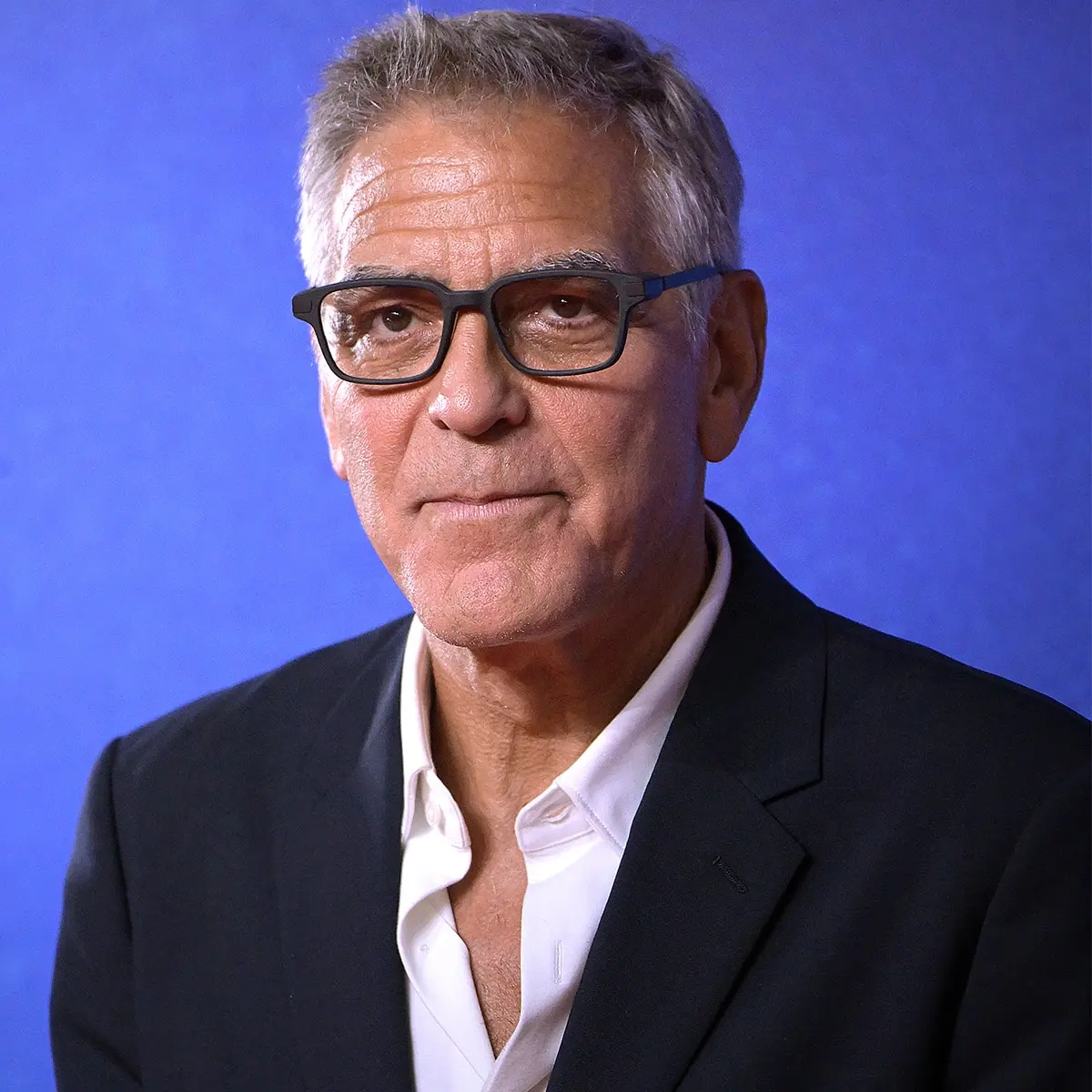
The intersection of global celebrity and deeply personal tragedy often yields moments of profound vulnerability. For Academy Award-winning actor, director, and producer George Clooney, the Venice Film Festival became a platform not only to celebrate a storied cinematic career, but to process an irreplaceable loss. Accepting the prestigious Golden Lion for Lifetime Achievement, the 65-year-old luminary delivered a moving address that transcended the standard Hollywood acceptance speech, shifting the global spotlight toward the fragile, fleeting nature of human existence.
The occasion was shadowed by the passing of his older sister, Adelia “Ada” Zeidler, who died in December at the age of 65 following a rapid and aggressive battle with cancer. For Clooney, holding his sister’s hand during her final moments served as an abrupt, grounding lesson in perspective. In a public reflection that resonated with audiences worldwide, Clooney articulated the dizzying speed of a lifetime—reminiscing about how childhood memories of holding hands with his sister felt as though they had occurred mere moments before.
While Clooney commands the heights of global recognition, Ada Zeidler lived a life largely removed from the flashbulbs of Hollywood. A native of Kentucky, she built a quiet, purposeful existence as an elementary art teacher, a National Merit Scholar, an avid reader, and a talented creative. Yet, despite the vast disparity in their public profiles—with George navigating the upper echelons of international stardom alongside his wife, human rights lawyer Amal Clooney—the sibling bond remained unbreakable.
This comprehensive report examines the life and legacy of Adelia "Ada" Zeidler, the profound impact of her passing on George Clooney, the philosophical insights the actor shared during his emotional Venice address, and the broader cultural conversation surrounding grief, privacy, and the intentional pursuit of joy in an ephemeral world.
Detailed Chronology: From Kentucky Roots to the Venice Stage
To understand the profound grief expressed by George Clooney, one must trace the deep-seated roots of the Clooney family in Augusta, Kentucky. Growing up in a household steeped in media and public awareness—their father, Nick Clooney, was a well-known broadcast journalist and television host, and their aunt was the legendary singer and actress Rosemary Clooney—the siblings experienced early exposure to the mechanics of fame. However, while George gravitated toward the camera, Ada forged a path defined by community, education, and artistic expression.
Early Life and Academic Excellence
Born Adelia Clooney, Ada distinguished herself early on through exceptional academic aptitude. During her high school years, she earned recognition as a National Merit Scholar, a testament to a sharp intellect that would later inform her career and diverse personal interests. Friends and community members in Kentucky often noted her quick wit, humility, and grounded nature. Unlike many who grow up on the periphery of the entertainment industry, Ada exhibited little desire to chase the spotlight, preferring the quiet authenticity of her home state.
A Life Dedicated to Art and Community
Ada’s passion for creativity found a professional outlet in education. She dedicated several years of her life to shaping young minds as an elementary art teacher at Augusta Independent School. Colleagues and students remembered her as a patient, encouraging mentor who believed in the transformative power of art for children. Outside the classroom, her intellectual curiosity remained vibrant; she was an active, engaged member of a local Kentucky book club and pursued various personal artistic endeavors. Her obituary rightly celebrated her as a "talented artist," a descriptor that captured both her professional contributions and her private soul.
Maintaining Sibling Proximity Across the Great Divide
As George Clooney’s career skyrocketed—transitioning from television heartthrob on ER to a cinematic powerhouse starring in Ocean’s Eleven, Syriana, and Up in the Air—the logistical challenges of maintaining a close sibling relationship multiplied exponentially. Paparazzi scrutiny, relentless media attention, and global travel schedules could easily fracture familial ties. Yet, George and Ada maintained a fierce, protective closeness.
In a rare and candid 2012 interview with The Columbus Dispatch, Ada shed light on how they successfully navigated the vast chasm between her quiet Kentucky life and her brother’s A-list status. To protect privacy and manage communication securely, Ada deliberately chose not to store George’s phone number in her mobile device.
"I wouldn’t want to have it in my phone and then lose my phone," Ada explained to The Columbus Dispatch at the time. "He can phone me, and he does occasionally, but email is more convenient for both of us."
This pragmatic approach underscored the mutual respect and down-to-earth dynamic that characterized their relationship. They were brother and sister first; the global icon status was merely background noise.
The Rapid Diagnosis and Final Moments
In late 2023, the foundation of the Clooney family was shaken when Ada was diagnosed with terminal cancer. The disease progressed with devastating swiftness, upending the family’s equilibrium. Throughout the ordeal, George and his wife, Amal Clooney, remained deeply involved, supporting Ada through her final months.
In a statement released to People magazine on December 20, following her passing, George paid tribute to his sister’s extraordinary resilience:
"My sister, Ada, was my hero. She faced down cancer with courage and humor. I’ve never met anyone so brave."
The final moments shared between the siblings at the bedside were transformative for the actor. Holding her hand as she transitioned, George experienced a visceral awakening regarding the passage of time—a realization that would later form the emotional core of his address at the Venice Film Festival.
Supporting Context & Metrics: Grief, Mortality, and the Entertainment Industry
The public processing of grief by public figures often serves as a mirror for collective human experience. When celebrities use platforms like international film festivals to speak candidly about mortality, it invites audiences to reflect on their own temporal boundaries.
The Psychology of Rapid Loss
Medical and psychological studies consistently show that sudden terminal diagnoses—particularly those that progress within months—trigger distinct psychological shockwaves for surviving family members. Unlike prolonged illnesses where families experience anticipatory grief, rapid declines force caregivers and loved ones into a compressed timeline of acceptance.
In George Clooney’s case, the transition from normalcy to terminal illness and death occurred "very quickly," as he noted in Venice. Psychologists point out that such rapid losses often distort an individual’s perception of time, amplifying the feeling that life’s milestones are compressed into fleeting instants. This psychological phenomenon explains the actor’s poignant observation: "It was minutes ago that she and I were little kids together. Minutes ago, we were holding hands as little kids."
Celebrity Privacy vs. Public Grief
The death of Adelia Zeidler also highlights a broader narrative within celebrity culture: the deliberate curation of privacy by non-famous family members. While children of actors and siblings of musicians are frequently thrust into the digital age’s unrelenting information stream via social media, Ada Zeidler represents a bygone era of intentional obscurity.
By refusing to keep her brother’s phone number in her contacts and living out her days in Kentucky rather than Los Angeles or New York, Ada maintained absolute agency over her identity. Her passing serves as a reminder that behind every globally recognized face is a network of private individuals whose contributions, challenges, and quiet dignity largely escape the historical record until moments of transition force them into the light.
Official Statements and Reflections
The emotional resonance of Ada’s passing reached a global audience through George Clooney’s unscripted remarks at the Venice Film Festival, where he accepted the Golden Lion for Lifetime Achievement. Below are key excerpts from his public statements and tributes:
On the Brevity of Life and Childhood Memories
"My sister, who I was very close to, got cancer last year, and she died very quickly. I was with her when she died, and there was this feeling being with her, holding her hand when she died, understanding how brief all of this is. It was minutes ago that she and I were little kids together. Minutes ago, we were holding hands as little kids."
On the Imperative of Seeking Joy
"Time goes fast, all of this, and so we have to find nothing but joy. Find joy in the things that make them miserable. You have to find joy. You have to seek joy out, and you have to demand it, and you have to make sure that you demand it of yourself. That’s it.
Because look, I don’t know what happens after we die. Nobody I know has yet to come back and tell me exactly how it works out. So, I know this life. And for this life, you have to seek joy. And you have to try to find it for your family and your friends."
On Ada’s Courage
"My sister, Ada, was my hero. She faced down cancer with courage and humor. I’ve never met anyone so brave." — Statement to People magazine, December 20.
Future Outlook: Legacy, Remembrance, and Family Focus
As the Clooney family continues to navigate the post-loss landscape, the impact of Adelia "Ada" Zeidler’s life and passing will undoubtedly shape George Clooney’s personal and professional trajectory.
Prioritizing Family in an Era of Accelerated Media
For George and Amal Clooney—who share nine-year-old twins, Alexander and Ella—the tragedy has reinforced the importance of intentional family time. In interviews following the event, associates close to the family have noted a renewed dedication to slowing down amidst the frantic pace of Hollywood production schedules. The philosophical shift articulated in Venice—demanding joy and recognizing the sheer brevity of human existence—serves as a guiding compass for the actor’s remaining chapters in the spotlight.
Preserving Ada’s Artistic and Educational Legacy
While Ada Zeidler sought no institutional monuments, her legacy lives on through the minds she shaped at Augusta Independent School and the artistic passion she instilled in her students. In communities across Kentucky, her memory is preserved by neighbors who recall her sharp intellect, her dedication as a National Merit Scholar, and her unwavering kindness.
Furthermore, by bringing her story to a global stage, George Clooney ensured that his sister’s quiet, dignified life achieved a measure of universal resonance. Ada Zeidler’s journey—marked by artistic expression, fierce familial loyalty, and unyielding courage in the face of terminal illness—stands as a testament to a life well-lived, proving that true impact is measured not by public acclaim, but by the depth of love left behind.