

Executive Overview
For over four decades, the U.S. Arctic Research Commission has operated as a quiet, steady advisory body to Congress and the president, offering expert guidance on scientific research, environmental changes, and military security in the dynamic and frigid far north. Traditionally led by veterans of science and public policy, the commission’s mandate was upended when the administration appointed Thomas Dans—a Texas venture capitalist and MAGA influencer lacking a formal background in science—as its chair.
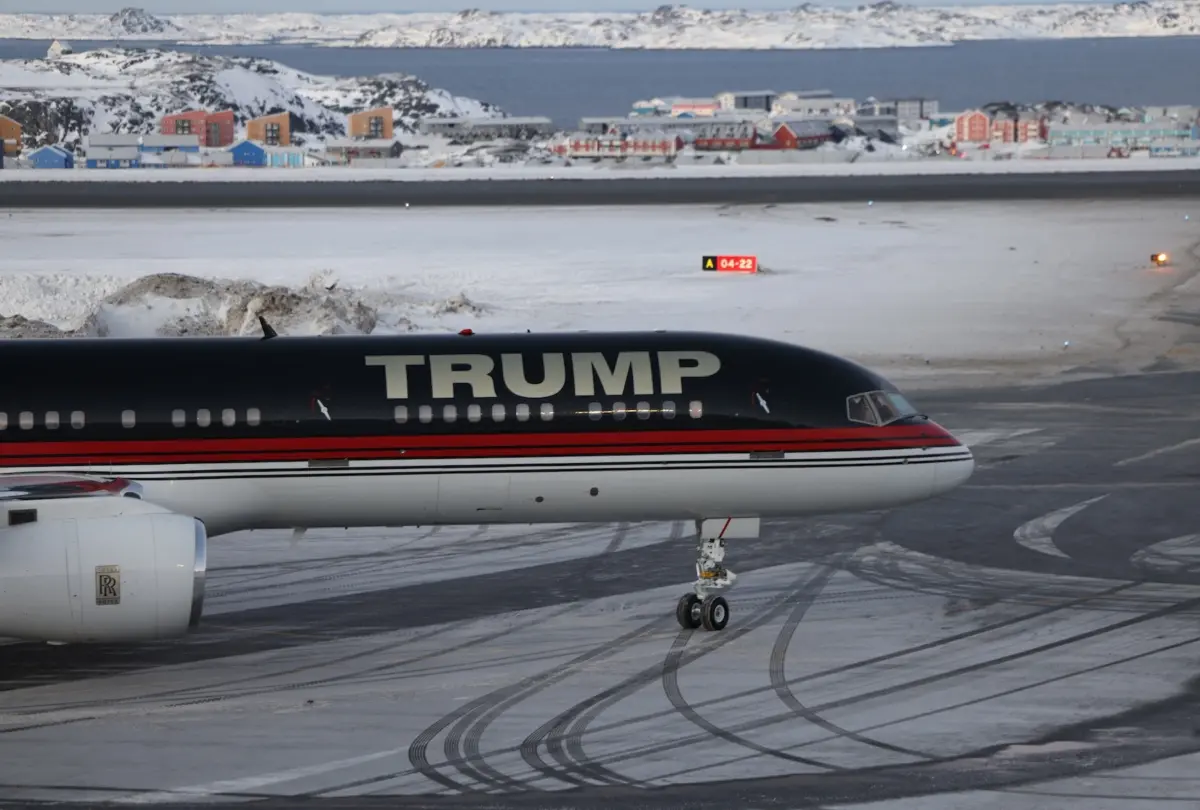
Since taking the helm, Dans has transformed a traditionally administrative scientific role into a high-profile platform for advancing controversial foreign policy agendas. From championing the annexation of Greenland to advocating for the restoration of diplomatic and economic ties with Russia, Dans has frequently blurred the line between official U.S. policy and his own private business interests.
This investigative review examines how Dans’s tenure has strained relations with NATO allies, bypassed standard federal ethics requirements, and raised urgent national security questions. By mingling public influence with private commercial consulting—specifically regarding global shipbuilding and energy investments—Dans exemplifies a growing trend within modern governance where personal financial ties and geopolitical strategy intersect without traditional oversight.
Detailed Chronology
Early Roots and First-Term Government Service
Thomas Dans’s fascination with Russia dates back to his youth. Recruited as a seventh grader in a Maryland public school to study the Russian language, he later visited Moscow as an exchange student before embarking on a career in international finance during the mid-1990s. Working within a private equity fund financed by the U.S. Agency for International Development (USAID), Dans navigated the post-Soviet economic landscape, rubbing shoulders with figures like Kirill Dmitriev—a Harvard-educated financier who would eventually become a key intermediary for Russian President Vladimir Putin.
During Donald Trump’s first presidential term, Dans entered government service as a senior policy adviser for international affairs at the Treasury Department. In that role, he participated in a clandestine National Security Council task force tasked with evaluating U.S. strategic control over Greenland. Following this work, Trump briefly appointed Dans to the U.S. Arctic Research Commission in late 2020. However, his tenure was abruptly cut short when the incoming Biden administration dismissed him and several other political appointees in early 2021, prompting public complaints from Dans about being ousted without notice.
The Private Sector Interregnum and Conservative Activism
Out of government, Dans pursued a series of short-lived private ventures and conservative political projects. He co-founded an investment firm that collapsed in late 2023, and launched an unsuccessful effort to acquire the Helsinki Shipyard in Finland—a facility with historical Russian ownership links that produces a significant portion of the global icebreaker fleet.
Simultaneously, Dans engaged in international lobbying, representing the Kazakhstan Embassy and its state-owned energy company, while contributing to the Heritage Foundation’s Project 2025. In May 2024, he established "American Daybreak," a nonprofit dedicated to fostering closer ties between the United States and Greenland. Following Trump’s subsequent electoral victory, Dans mobilized these networks, helping coordinate visits to Greenland by figures like Donald Trump Jr. and conservative activist Charlie Kirk.
Return to the Arctic Commission and Private Commercial Conflicts
Following Trump’s return to office, Dans was appointed to chair the U.S. Arctic Research Commission, leveraging his position to publicly advocate for administrative priorities while maintaining lucrative private consulting arrangements.
Central to his public platform has been the promotion of icebreakers and maritime infrastructure. Dans heavily championed Damen Shipyards Group, a Dutch shipbuilding conglomerate with which he held a business relationship intended to secure federal icebreaker contracts. This advocacy occurred while Dutch prosecutors were actively investigating Damen for allegedly supplying military-use equipment to Russia in violation of European sanctions. Although Damen ultimately terminated its agreement with Dans as media scrutiny intensified, ethics watchdogs argue that Dans’s dual role highlights critical vulnerabilities in federal oversight.
Supporting Context & Metrics
The Arctic is currently warming at unprecedented rates, setting off a cascade of global environmental and geopolitical shifts:
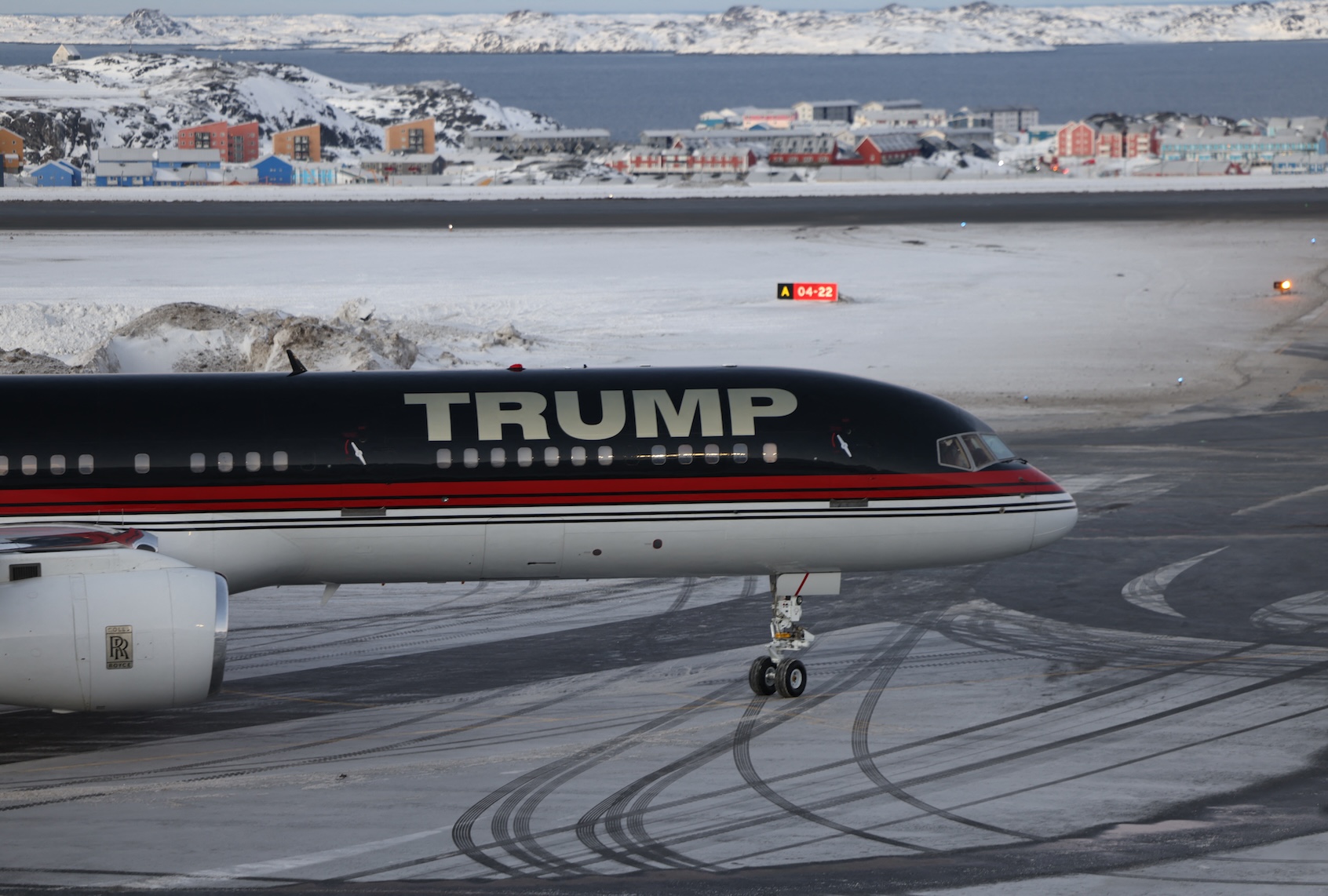
- Climate Acceleration: Rapid ice-melt is driving accelerated sea-level rise and triggering severe weather patterns across the United States and international territories.
- Geopolitical Competition: China and Russia have ramped up joint military exercises in the far north, capitalizing on newly navigable shipping lanes and newly accessible sub-surface mineral deposits.
- Financial and Governance Metrics: Despite wielding significant influence and gaining access to cross-agency federal data, Arctic Research Commission members are classified as non-federal employees. Eligible only for a modest stipend of up to $55,000 annually, they are exempt from standard executive branch financial disclosure and ethics filings.
These structural loopholes have allowed Dans to operate with minimal regulatory friction, despite retaining historical and ongoing foreign entanglements, such as past investments in Russian restaurant management operations and extensive dealings with foreign defense contractors.
Official Statements and Institutional Rebuttals
The defense of Thomas Dans’s appointment and actions from the White House has been robust, though sharply countered by former government officials and legal experts.
-
The White House Defense: Administration spokespersons have steadfastly defended Dans’s leadership. White House spokesperson Anna Kelly asserted:
"Tom Dans is doing a great job leading the Arctic Research Commission, and his shipbuilding expertise has helped him succeed in this role. The President appreciates all he is doing to advance American interests in the Arctic."
Regarding his calls for renewed diplomacy with Moscow, Kelly added that the administration is "willing to work with anyone in order to advance American interests, including peace in the Russia-Ukraine War." -
Institutional and Legal Critique: Former government officials argue that Dans’s expansive rhetoric and commercial dealings grossly exceed the scientific mandate of the commission. Fran Ulmer, who chaired the commission for over nine years, noted that Dans’s broad foreign policy pronouncements are "far beyond the Arctic Research Commission’s scientific mandate… and certainly outside the bounds of what the U.S. Arctic Research Commission has done in the past."
Legal and ethics specialists have also raised alarms regarding potential violations of federal lobbying laws and foreign agent registration requirements. Josh Rosenstein, an expert on the Foreign Agents Registration Act (FARA), noted that Dans’s private work with foreign shipbuilders while interacting with the U.S. government "certainly would raise questions… about what sort of interactions he, on behalf of [foreign entities], had with the U.S. government." Furthermore, former White House ethics lawyer Virginia Canter warned that combining foreign entanglements with unrestricted access to government-wide information should inherently "raise national security concerns."
Future Outlook
The trajectory of U.S. policy in the polar regions remains fraught with tension, particularly regarding the ongoing diplomatic maneuvers surrounding Greenland and strained relations with European allies.
As Denmark and Greenland brace for shifting geopolitical realities—exemplified by military preparations and local protests against foreign annexation rhetoric—the credibility of scientific bodies like the Arctic Research Commission faces unprecedented strain. International researchers and academic institutions have increasingly distanced themselves from U.S. initiatives out of concern over politicization and potential intelligence exposure.
Moving forward, the controversy surrounding Thomas Dans underscores a broader governance challenge: balancing the aggressive, disruption-focused goals of modern executive appointments with the traditional safeguards designed to protect national security, prevent conflicts of interest, and maintain the integrity of independent scientific research institutions.