

Executive Overview
To the average consumer, the world of modern advertising appears as a seamless, high-gloss succession of polished campaigns, charismatic celebrity endorsements, and perfectly curated social media feeds. What remains hidden behind the digital curtain, however, is the grueling, meticulous research and strategic recalibration required to make those moments resonate.
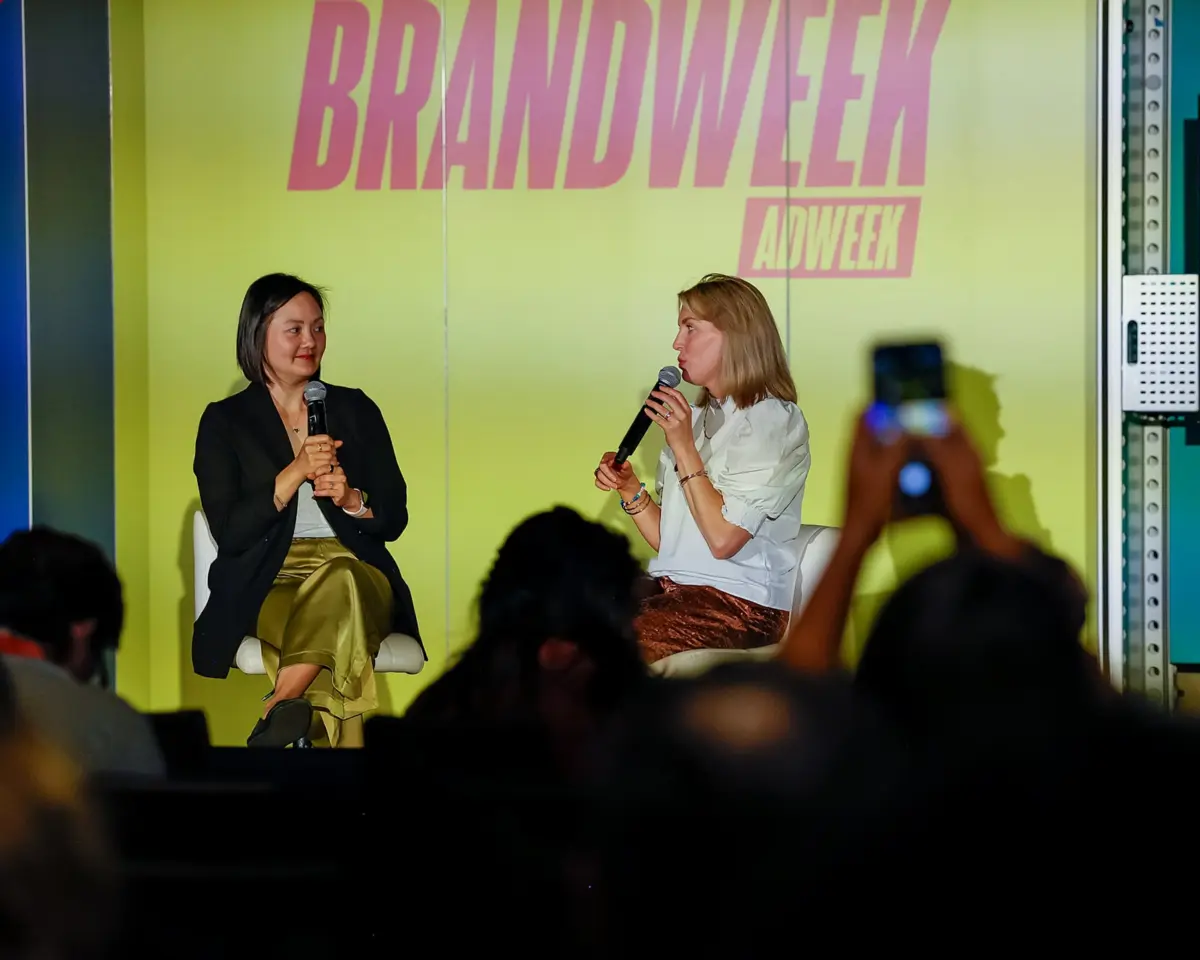
This tension between public polish and private perseverance was a central theme at ADWEEK’s prestigious Brandweek event, where Kim Dao, head of marketing at the men’s grooming and personal care brand Every Man Jack, offered a rare glimpse into the brand’s inner machinations. Speaking to an audience of industry leaders and innovators, Dao detailed how the nearly two-decade-old brand has continuously reworked its audience paradigms, modernized its market positioning, and executed high-stakes partnerships—such as a recent, highly successful campaign featuring NFL quarterback Baker Mayfield—that yielded surprising and transformative results.
As the men’s personal care sector undergoes a massive cultural and commercial evolution, traditional playbooks are no longer sufficient. Brands can no longer rely on hyper-masculine tropes or one-size-fits-all messaging. Instead, as Dao articulated during her Brandweek presentation, contemporary marketing demands an agile, deeply empathetic approach rooted in rigorous consumer insights.
"As a marketer, you can get scrappy—what stories does your brand want to tell?" Dao challenged the audience. "What values are you trying to bring to life?"
This comprehensive report explores the trajectory of Every Man Jack from its founding in 2007 to its current status as an industry heavyweight. By examining the brand’s foundational challenges, its strategic pivots, its high-profile collaborations, and the rigorous data collection methods that fuel its creative output, we uncover the blueprint for maintaining brand relevance in a hyper-competitive, fast-shifting consumer landscape.
Detailed Chronology: From 2007 Origins to the Modern Era
To understand where Every Man Jack stands today, one must trace its journey back to its inception. The timeline of the brand’s evolution offers a fascinating case study in adaptability, consumer responsiveness, and long-term strategic vision.
Phase I: The White Space of 2007
When Every Man Jack officially launched in 2007, the landscape of men’s personal care was vastly different from today. At the time, the market was starkly polarized into two distinct extremes:
- The Mass-Market Budget Tier: Inexpensive, highly commercialized products that relied heavily on synthetic fragrances, harsh chemicals, and generic branding. These items were ubiquitous on drugstore shelves but offered little in terms of ingredient integrity or skin health.
- The Salon-Quality Tier: High-end, premium brands that utilized superior ingredients and sophisticated formulations, but carried a steep, prohibitive price tag that alienated the everyday consumer.
Recognizing a distinct "white space" between these two extremes, Every Man Jack was founded on a simple yet disruptive premise: naturally derived, high-performance grooming products that delivered salon-level quality without the luxury markup. The initial product lines focused on essentials—body wash, shampoo, and shaving creams—formulated with ingredients like green tea, sage, and chamomile, packaged in clean, utilitarian, and visually distinct bottles.
Phase II: The Digital and Direct-to-Consumer Transition (2010s)
As the retail landscape shifted dramatically over the next decade, driven by the rise of e-commerce and direct-to-consumer (DTC) startups, Every Man Jack was forced to evolve. The proliferation of digital-native brands meant that legacy shelf-space dominance was no longer a guaranteed moat.
During this period, the brand invested heavily in expanding its digital footprint, optimizing its online storefront, and building a community-driven marketing apparatus. Rather than merely mimicking the disruptive tech-first brands of the era, Every Man Jack leveraged its brick-and-mortar retail relationships while simultaneously refining its digital acquisition funnels. This dual-channel approach allowed the brand to capture both the traditional retail shopper and the digitally native consumer searching for clean grooming alternatives online.
Phase III: The Audience Rework and Cultural Alignment (2020s)
Entering the 2020s, the definition of modern masculinity underwent a seismic cultural shift. Consumers—particularly Millennials and Gen Z—began demanding authenticity, sustainability, and inclusivity from the brands they supported.
Recognizing that its original demographic positioning risked becoming stagnant, Every Man Jack embarked on a comprehensive internal audit of its audience segments. This was not a superficial rebranding exercise; it was a deep, data-driven restructuring of who the brand was speaking to and how it delivered its core values. The company leaned further into sustainability initiatives, optimized its packaging for reduced environmental impact, and began diversifying its marketing channels to reflect the multifaceted lives of modern men—balancing outdoor ruggedness with urban wellness, fatherhood, and professional drive.
Supporting Context & Metrics: The Science Behind the Scrappy Strategy
While creative campaigns capture headlines, the engine room of Every Man Jack’s marketing success is powered by meticulous research and rigorous data analytics. As Kim Dao emphasized at Brandweek, the polished advertisements consumers see are merely the tip of the iceberg.
The Anatomy of Consumer Insights
In an era where consumer loyalty is notoriously fickle, data is the ultimate anchor. Every Man Jack utilizes a multi-layered research framework to inform its product development and campaign execution:
- Quantitative Behavioral Tracking: Analyzing purchasing patterns, repeat-order rates, and channel preferences across both retail partners and e-commerce platforms to identify shifting consumer habits.
- Qualitative Sentiment Analysis: Conducting focus groups, social listening initiatives, and customer feedback loops to understand the emotional and psychological drivers behind a consumer’s grooming choices.
- Competitive Landscape Auditing: Continuously monitoring pricing elasticity, ingredient trends, and messaging shifts across the personal care sector to identify emerging white spaces before they become saturated.
The Economics of Clean Grooming
The financial viability of Every Man Jack’s model is underpinned by broader macroeconomic shifts in consumer spending. According to recent industry data, the global men’s grooming market has experienced robust, steady growth, propelled largely by an increasing male focus on self-care, wellness, and personal hygiene.
Within this expanding market, the demand for clean, naturally derived ingredients has transitioned from a niche preference to a baseline expectation. By positioning itself early at the intersection of accessibility and ingredient integrity, Every Man Jack established a defensible market position. The brand’s pricing strategy—remaining accessible while projecting premium efficacy—has allowed it to weather inflationary pressures and shifting consumer confidence better than competitors anchored exclusively at the ultra-luxury or ultra-budget extremes.
Case Study: The Baker Mayfield Collaboration
A prime illustration of Every Man Jack’s research-backed, scrappy strategy in action is its high-profile partnership with NFL quarterback Baker Mayfield, which culminated in a signature collection.
When conceptualizing the collaboration, the marketing team did not simply drop a celebrity’s face onto an existing product and hope for high conversion. Instead, the partnership was built on a thorough alignment of brand values: Mayfield’s underdog narrative, grit, resilience, and approachable persona mirrored Every Man Jack’s core ethos of functional, no-nonsense grooming for hardworking individuals.
The campaign yielded surprising and overwhelmingly positive results, proving that when a celebrity partnership is rooted in authentic brand alignment rather than superficial star power, it can drive profound engagement, expand demographic reach, and significantly boost sales velocity.
Official Statements & Industry Perspectives
The insights shared by Kim Dao at Brandweek provide a valuable masterclass in modern marketing philosophy. Below are key excerpts and contextual breakdowns of the strategic principles guiding Every Man Jack’s leadership team.
"Consumers only see polished advertisements. What they don’t see is the meticulous research that goes into creating campaigns."
— Kim Dao, Head of Marketing, Every Man Jack
Dao’s observation cuts to the heart of modern marketing delusions. In an age dominated by viral TikTok trends and overnight success stories, there is a dangerous temptation for brands to prioritize speed over substance. Dao’s commentary serves as a necessary corrective, reminding industry professionals that creative brilliance is almost always preceded by unglamorous, exhaustive data collection and audience analysis.
"As a marketer, you can get scrappy—what stories does your brand want to tell? What values are you trying to bring to life?"
— Kim Dao, Head of Marketing, Every Man Jack
The directive to "get scrappy" is particularly relevant in the current economic climate. With marketing budgets under intense scrutiny and return on ad spend (ROAS) harder to secure across traditional digital channels, brands must rely on ingenuity, authentic storytelling, and value-driven positioning rather than sheer financial muscle. By focusing on narrative coherence and emotional resonance, Every Man Jack has demonstrated that smaller, more agile teams can outmaneuver legacy conglomerates burdened by bureaucracy.
Future Outlook: The Next Evolution of Men’s Personal Care
As Every Man Jack approaches its second decade in business, the brand stands at a critical crossroads. The strategies that propelled its growth over the past ten years will need to be continuously adapted to meet the challenges of an increasingly complex future.
1. Hyper-Personalization and Technological Integration
The next frontier for personal care brands lies in hyper-personalization. As consumers increasingly expect products tailored to their specific skin types, hair textures, and lifestyle needs, Every Man Jack will likely need to leverage advanced data analytics and artificial intelligence to offer more customized product recommendations and digital shopping experiences.
2. Deepening Sustainability Commitments
Environmental consciousness is no longer an optional differentiator; it is a fundamental license to operate. While Every Man Jack has made significant strides in sustainable packaging and naturally derived formulations, consumer expectations will continue to rise. Future campaigns and product lines will need to demonstrate absolute transparency regarding carbon footprints, sourcing ethics, and circular economy practices.
3. Evolving Definitions of Masculinity
The cultural conversation surrounding gender, identity, and masculinity will continue to evolve. Brands that succeed in the long term will be those that champion inclusivity, emotional intelligence, and diverse representations of modern life. Every Man Jack’s historical willingness to rework its audience paradigms positions it well to navigate these cultural shifts, ensuring its messaging remains resonant, respectful, and forward-thinking.
Conclusion
The story of Every Man Jack is a testament to the power of balancing rigorous research with creative agility. As Kim Dao’s Brandweek presentation underscored, the polished exterior of a successful advertising campaign is built upon a foundation of deep consumer understanding, strategic audience re-evaluation, and a willingness to embrace scrappy, value-driven storytelling.
In an industry prone to fleeting trends and superficial marketing tactics, Every Man Jack’s near-twenty-year trajectory offers a compelling blueprint for sustained relevance. By staying true to its founding mission—delivering accessible, high-quality, naturally derived grooming products—while continuously adapting to the cultural and technological shifts of the modern era, the brand proves that true marketing success is not just about what the consumer sees, but the exhaustive care that goes on behind the scenes.