

Executive Overview
The relationship between the executive branch of the United States and the working press hit a turbulent and unprecedented crossroads, marking one of the most disruptive weeks for freedom of the press in recent memory. Sparked by a sudden directive from President Donald Trump banning prominent news organizations—specifically CNN, MS NOW, and Politico—from White House grounds over perceived negative coverage, the conflict escalated rapidly into a high-stakes constitutional standoff.
What followed was a dizzying sequence of events: a swift rebuke from the federal judiciary, allegations of executive noncompliance with court orders, diplomatic irony involving high-level international visits, and ongoing friction regarding access to major presidential events. This crisis extended far beyond the immediate logistical headaches faced by a few newsrooms. Legal experts, journalists, and constitutional scholars argue that the standoff struck at the core of the First Amendment, testing the resilience of democratic checks and balances and forcing a national reckoning over the rights of citizens to hold their government accountable through an independent press.
Detailed Chronology of a Constitutional Standoff
The Ban and the Initial Legal Challenge
The week’s turmoil began when the administration enacted sweeping restrictions barring journalists from CNN, MS NOW, and Politico from entering White House grounds. The administration made little secret of its motives, with the president openly citing a lack of truthfulness and an excess of negativity in their reporting as the primary drivers behind the exclusion.
Recognizing the existential threat to news gathering, legal teams representing the affected outlets moved swiftly. By Wednesday, attorneys presented oral arguments before a federal judge, pitting the media organizations against the administration’s legal apparatus in an emergency bid to halt the bans.
The Midnight Ruling
In the early hours of Thursday morning, U.S. District Judge Timothy Kelly issued a decisive ruling in favor of the media outlets, granting a 14-day temporary restraining order. The judge ordered the White House to "immediately return, reinstate, and restore" the press credentials of the affected organizations.
Rather than focusing immediately on the core First Amendment questions, Judge Kelly’s ruling anchored itself in the Fifth Amendment’s due process clause. He noted that the government did not dispute the fact that the plaintiffs received neither notice nor an opportunity to be heard before their hard passes were revoked.
Furthermore, Judge Kelly expressed deep skepticism regarding the administration’s retroactive national security justifications. He highlighted the glaring contradiction that President Trump’s own public statements attributed the ban to editorial viewpoints and reporting styles rather than any legitimate intelligence threat.
The Morning After: Defiance and Confusion
Despite the clarity of the judicial order, Thursday morning did not bring immediate resolution. Journalists from CNN, MS NOW, and Politico attempting to access the White House grounds were still turned away by security personnel. In some instances, reporters discovered their credentials had been actively seized, prompting CNN media reporter Brian Stelter to describe the unfolding reality as "nothing short of astonishing."
Realizing the executive branch was seemingly ignoring the federal injunction, legal counsel for the media outlets—led by prominent attorney Theodore J. Boutrous—filed an immediate request for an emergency hearing, alleging that the administration had repeatedly violated the court’s order. Judge Kelly gave the White House until 12:30 p.m. to respond.
Disputed Timelines and Gradual Access
White House press operations director Micah Stopperich pushed back against the allegations of noncompliance, asserting that press badges were restored digitally by 7:25 a.m. and that the Secret Service had confirmed access was "back on" by 9:07 a.m.
However, firsthand accounts from reporters on the ground thoroughly contradicted this timeline. CNN senior justice correspondent Evan Perez pointed out on air that CNN reporter Betsy Klein and other journalists were repeatedly denied entry well past 11:00 a.m. It was not until midday that access was finally granted to the credentialed reporters, rendering the administration’s stated restoration timeline dubious at best.
State Dinner Restrictions and Ongoing Friction
Even after physical access to the grounds was begrudgingly restored, tensions remained exceptionally high. Later that evening, CNN and MS NOW reported that their journalists were barred from properly covering arrivals at a high-profile White House state dinner.
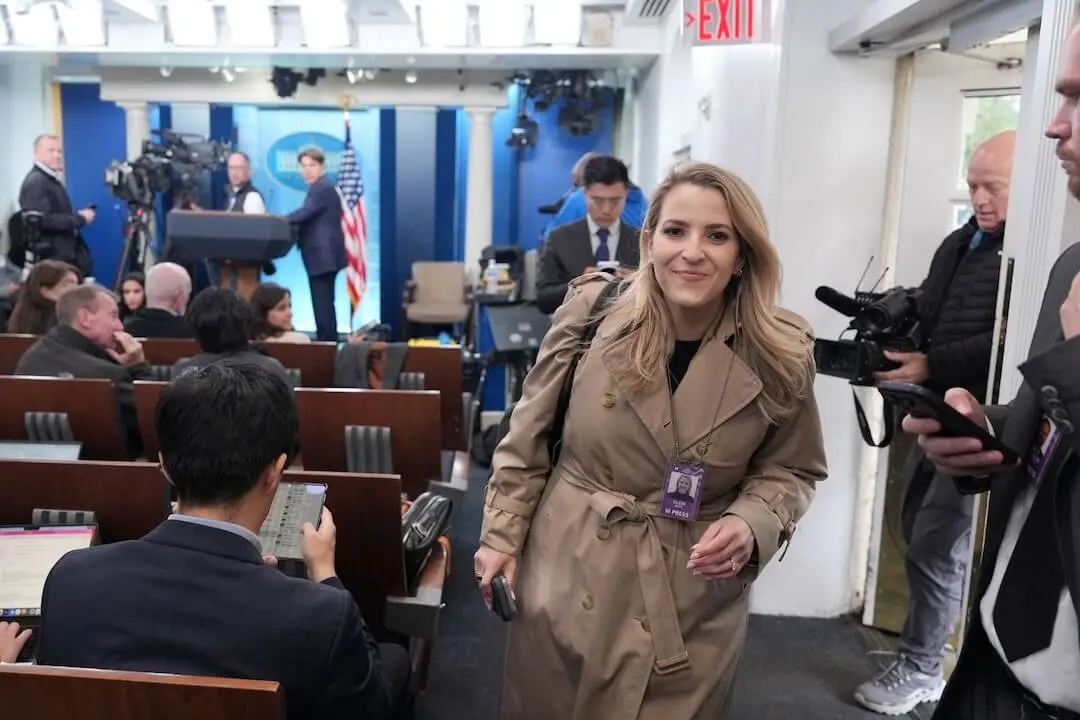
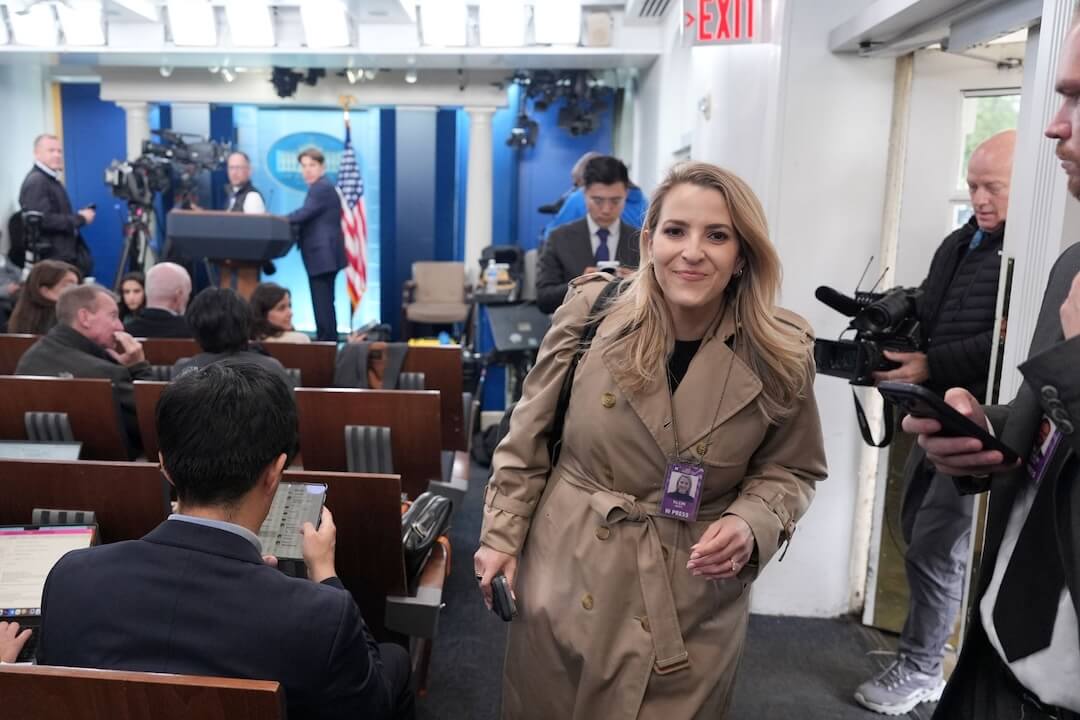
While the North Portico arrivals were ostensibly open to pre-credentialed media, CNN White House correspondent Kristen Holmes revealed that network representatives were told their credentials permitted only camera and audio feeds, explicitly forbidding an editorial presence. Similarly, MS NOW White House reporter Laura Barrón-López was blocked from covering the arrival of visiting Chinese leader Xi Jinping, raising immediate fears within newsrooms that selective blackouts of daily reporting routines might become a persistent administrative strategy.
Supporting Context & Metrics: The International Stage and Institutional Impact
The timing of the domestic press crisis added a layer of profound diplomatic irony. All the chaos unfolded while Chinese leader Xi Jinping was visiting the White House—a juxtaposition that did not escape the notice of media commentators and anchors.
During a broadcast on CNN’s Inside Politics, host Dana Bash highlighted the contradiction:
"Instead of showing [Xi] by example how important it was to have a free press, and abide by the checks and balances of democracy, [Trump] was until just a few moments ago blocking American media and defying a federal judge."
Kaitlan Collins of CNN echoed this sentiment, pointing out the absurdity that state media representatives from a foreign communist government were permitted free movement on White House grounds while domestic American journalists holding constitutionally protected rights were locked outside.
The operational fallout extended to the broader press corps. Outraged by the exclusion of their colleagues, the television press pool remained suspended for much of Thursday afternoon. As noted by Michael M. Grynbaum of The New York Times, major networks indicated they would refuse to resume normal coverage of the president until the White House formally and unreservedly permitted CNN and the other banned entities to participate once again in the shared pool rotation.
Official Statements and Legal Perspectives
The legal battle provided a platform for profound reflections on the nature of American democracy. Theodore J. Boutrous, lead attorney for the media coalition, appeared on MS NOW’s Deadline: White House with host Nicolle Wallace to dissect the administration’s legal strategy and the broader implications of the case.
Addressing the government’s expected next moves during the upcoming preliminary injunction phase, Boutrous expressed confidence that the administration would struggle to maintain its footing:
"They’re going to try to come up with some rationale. National security was their first stab. I imagine they’ll keep pushing that as we go to the next stage of this litigation… But it’ll be impossible for them to do it, because the president, over and over again, stated that the reason for this ban was his antipathy towards the content of the reporting and the editorial viewpoints."
Boutrous also voiced genuine shock at the philosophical stance articulated in the government’s legal briefs. He noted that the administration’s arguments essentially suggested that a free press should not exist—that journalists ought to be prohibited from gathering information about government activities that officials prefer to keep hidden.
Despite these alarming administrative positions, Boutrous hailed Thursday as a victory for the rule of law:
"Today was a feel-good moment for the First Amendment and for democracy. When I saw the MS NOW reporters back in the White House and on the White House grounds and the CNN reporters and Politico and everybody else and the cameras, I felt really good about our country."
He emphasized that the ultimate beneficiary of the legal fight is not any individual network, but the American public itself, which relies on independent journalism to gather the facts required for self-governance.
Future Outlook: What Lies Ahead for the First Amendment
As the 14-day temporary restraining order runs its course, the legal battle is far from over. The Trump administration is widely expected to contest the ruling further, attempting to construct durable legal defenses to justify future exclusions of critical media outlets.
However, constitutional scholars point out that the administration faces a steep uphill battle given the public record left by the president’s own statements linking the bans directly to critical reporting. The upcoming preliminary injunction hearings will serve as the next major legal crucible, determining whether temporary judicial relief can be forged into a permanent protection against executive retaliation.
For working journalists, the events of the week have left an indelible mark, transforming routine assignments into a daily question of institutional access. As Laura Barrón-López and other White House correspondents noted, the lingering anxiety centers on whether selective credentialing and targeted exclusions will become a normalized tool of political leverage.
Ultimately, the crisis serves as a stark reminder of the fragility of democratic norms. As media analysts have repeatedly observed, press freedom is not merely an institutional perk for major television networks; it is an essential public utility designed to ensure transparency, accountability, and the unhindered flow of information to citizens. How the courts ultimately resolve this clash will set a powerful precedent for executive power and constitutional rights for generations to come.