

Executive Overview
The landscape of American media and political communication is undergoing a period of intense legal and ethical turbulence. Recent weeks have seen a convergence of high-stakes legal battles over press freedoms, dramatic confrontations between lawmakers and student journalists, and major executive shake-ups across network television.
At the epicenter of these developments is a federal court ruling blocking the Trump administration’s attempts to restrict access for major news organizations, alongside a viral incident involving a veteran congressman threatening a student reporter over routine public recording. Simultaneously, the sports and news broadcasting industries are grappling with unprecedented viewership fluctuations and high-profile personnel exits.
This report provides a comprehensive, structured analysis of the intersecting forces shaping modern journalism, focusing on constitutional protections, political accountability, and the evolving economics of the media ecosystem.
Detailed Chronology
The White House Press Access Legal Battle
The struggle between the executive branch and the institutional press reached a critical juncture when U.S. District Judge Timothy J. Kelly delivered a decisive preliminary ruling. The legal confrontation stems from a directive issued by the Trump administration last month revoking the hard passes of journalists representing CNN, MS NOW, and Politico.
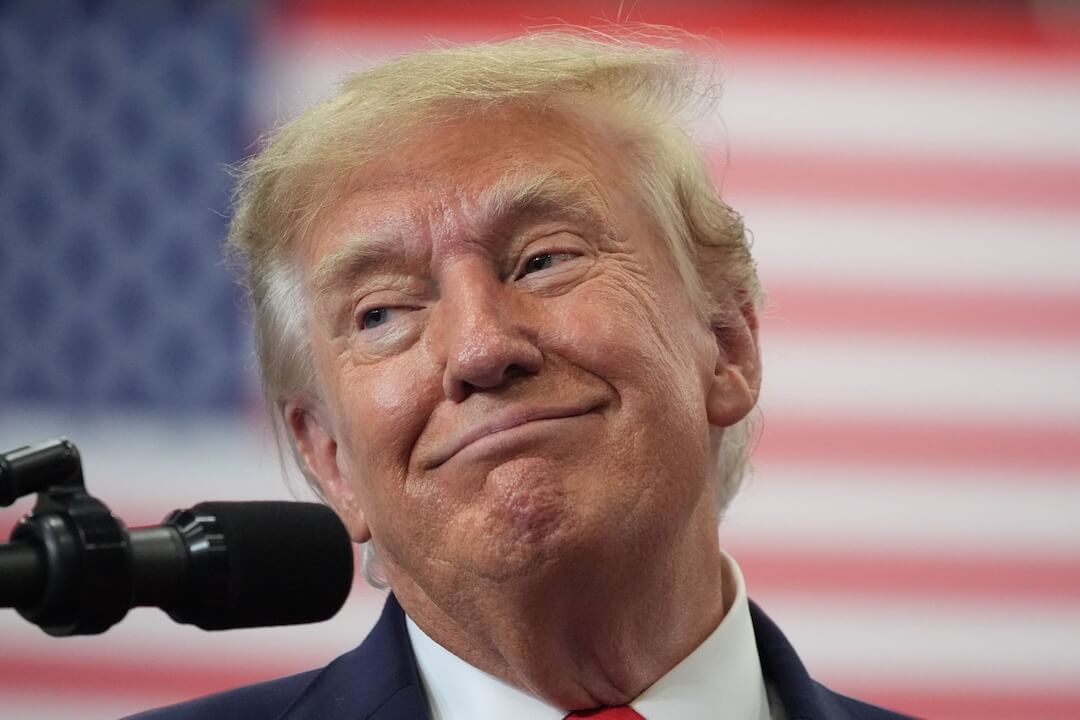
The administration’s initial defense relied on assertions of national security. However, Judge Kelly systematically dismantled this argument, noting a complete absence of administrative record or direct presidential statement supporting the national security justification at the time the bans were enacted. Instead, Kelly pointed to public statements made by President Trump indicating that the restrictions were a direct response to unfavorable coverage and perceived biases.
Following an initial 14-day temporary restraining order and subsequent extensions, Judge Kelly granted a broader preliminary injunction late Tuesday. The ruling mandates that the administration restore White House access to the affected outlets while the underlying lawsuit challenging the permanent legality of the ban proceeds through the court system. Kelly concluded that the administration’s actions likely violated both the Fifth Amendment’s due process clause and the First Amendment rights of the press corps.
Congressman Harris’s Confrontation in Maryland
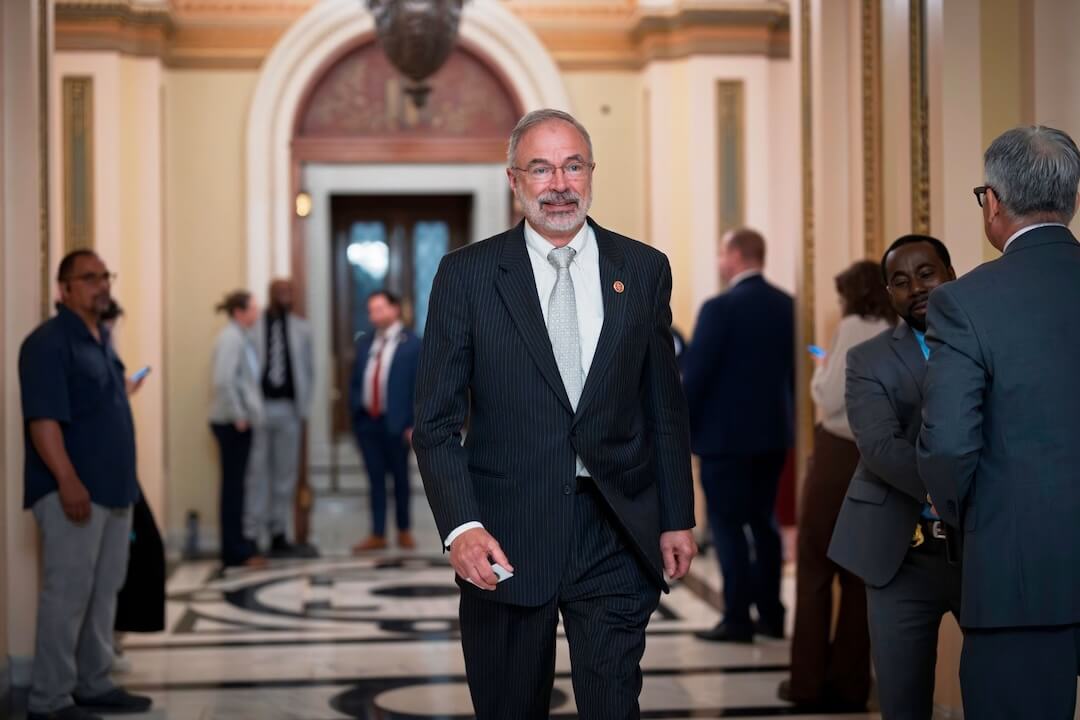
Parallel to the federal legal drama, a local political event in Maryland escalated into a national debate over the boundaries of the First Amendment. Rep. Andy Harris (R-Md.), currently serving his ninth term in Congress and chairing the House Freedom Caucus, experienced a turbulent public appearance following a debate against Democratic challenger Dan Schwartz.
The evening deteriorated during a post-debate media gaggle when Harris attempted to prevent Cat Murphy, a graduate student reporter for the University of Maryland’s Capital News Service, from recording his remarks. Citing Maryland’s status as a "two-party consent" state, Harris threatened Murphy with criminal prosecution and demanded that law enforcement confiscate her camera.
Despite being informed by multiple journalists that a public forum involving an elected official grants no reasonable expectation of privacy, Harris doubled down on his assertions, ultimately storming out of the venue and blaming Murphy for ruining the reporters’ chances of securing answers. Legal experts, media organizations, and prominent television anchors quickly condemned the congressman’s understanding of the law, affirming that the First Amendment robustly protects the right of individuals to record public officials performing their duties in public spaces.
Supporting Context & Metrics
The Mechanics of Constitutional Protections
The dual controversies surrounding the White House press bans and Rep. Harris’s recording threats highlight a foundational tension in American jurisprudence: the friction between political figures seeking to manage public perception and journalists exercising constitutionally protected oversight.
- First Amendment Thresholds: Legal scholars emphasize that public officials in public settings operate under a zero-expectation-of-privacy standard. Recording a politician during a press scrum or open-floor exchange does not require mutual consent, rendering state wiretapping statutes inapplicable to open-air journalistic reporting.
- Due Process and Retaliation: In the White House litigation, the core constitutional violation rests on viewpoint discrimination. Government entities cannot selectively revoke long-standing operational privileges—such as hard press passes—to penalize critical reporting or coerce favorable coverage.
Television Ratings and Industry Dynamics
Beyond the courtroom and the campaign trail, the economics of television journalism continue to experience dramatic shifts, driven largely by sports broadcasting lead-ins and network restructuring.
- CBS’s "60 Minutes" Volatility: The legendary investigative newsmagazine experienced a severe ratings correction, drawing 6.061 million viewers for its Sunday broadcast featuring a West Bank report by Lesley Stahl. This figure represents a precipitous drop from the previous week’s audience of 10.2 million—the program’s highest mark of the season, which had benefited directly from a high-stakes, late-window NFL broadcast between the Kansas City Chiefs and the Las Vegas Raiders. Sunday’s lower numbers were compounded by Fox securing the marquee late-window NFL game, depriving CBS of a critical lead-in audience.
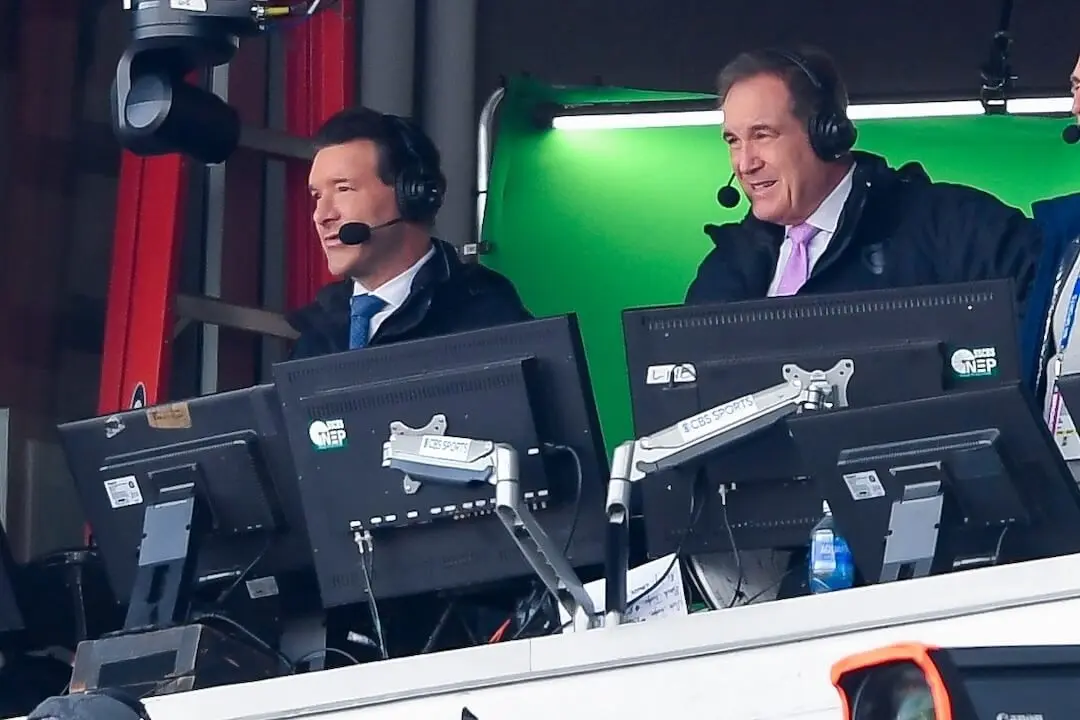
- The Fallout from Tony Romo’s Exit: CBS Sports has officially adjusted to life without top NFL analyst Tony Romo, who parted ways with the network following a summer arrest on suspicion of driving while intoxicated in Wisconsin. Romo, who had four years and $72 million remaining on his contract, was initially suspended and replaced by J.J. Watt before a permanent separation was announced. Longtime play-by-play partner Jim Nantz addressed the departure on a recent podcast appearance, expressing confidence that Romo will eventually find opportunities elsewhere in the industry while praising his unique broadcasting style and outlining a "forever relationship" rooted in their years of collaboration.
Official Statements
The legal and political fallout has elicited sharp commentary from media executives, constitutional attorneys, and press freedom advocates.
-
Ted Boutrous, Lead Attorney for the Media Outlets:
"When the President issued his ‘ban on the free press,’ he blatantly and explicitly violated due process and the First Amendment. Since then, the President has repeatedly, candidly, and consistently admitted in public that he banned our clients from the White House to punish reporting he doesn’t like and to try to force journalists to cover him in ways he prefers. The harm this ban did to our clients, the First Amendment, and the public as a whole is profound."
-
Bruce D. Brown, President of the Reporters Committee for Freedom of the Press:
"The court has put an end to a blatantly unconstitutional attempt to punish news outlets for coverage the president doesn’t like. The decision protects not only CNN, MS NOW, and Politico, but all the other holders of White House passes who continued to work under the threat of retaliation — and of course the public, which deserves timely and accurate information from a press corps free from government intimidation."
-
Mark Thompson, CNN Chief Executive Officer:
Speaking on air and in a memo to staff, Thompson characterized Judge Kelly’s ruling as a major validation of fundamental press freedoms.
"It’s a really big boost — the judge essentially saying our complaint is likely to succeed… No matter how many court cases, investigations, court appearances and all the expense that that entails, we will fight this one to the end. CNN will continue to assert our press freedom rights to exhaustion." -
Jim Nantz on Tony Romo’s Departure from CBS:
"I think unquestionably he will work again. I don’t know if it’s calling games or being in studio, but he’s got a lot of talent. He’s got a lot of people who like him, and he’s a star. He’s got a personality that’s different, and that’s a good thing."
Future Outlook
As these legal and institutional battles unfold, several key trajectories will define the media landscape in the coming months:
- Appellate Pathways for the White House Ban: The Trump administration has signaled its intent to appeal Judge Kelly’s preliminary injunction. The central question for higher appellate courts will be whether executive discretion in granting press access can be insulated from First Amendment scrutiny when public statements suggest retaliatory intent. A final trial on the merits will ultimately determine whether the ban is permanently enjoined.
- The Legal Education of Lawmakers: The public backlash against Rep. Andy Harris underscores an ongoing educational gap regarding media law among elected officials. The viral nature of the confrontation serves as a cautionary tale for politicians attempting to leverage legal misconceptions to suppress public documentation.
- The Evolving Broadcast Landscape: With sports rights continuing to dictate linear television ratings—as evidenced by the massive swing in "60 Minutes" viewership—networks will increasingly rely on strategic programming lead-ins to sustain audiences. Meanwhile, high-profile exits like Tony Romo’s departure from CBS demonstrate the fragile equilibrium between on-air talent, corporate risk management, and contractual obligations in modern sports broadcasting.
Ultimately, the defense of institutional journalism remains a dynamic arena where judicial oversight, public accountability, and corporate resilience intersect to protect the flow of information to the public.