

Executive Overview
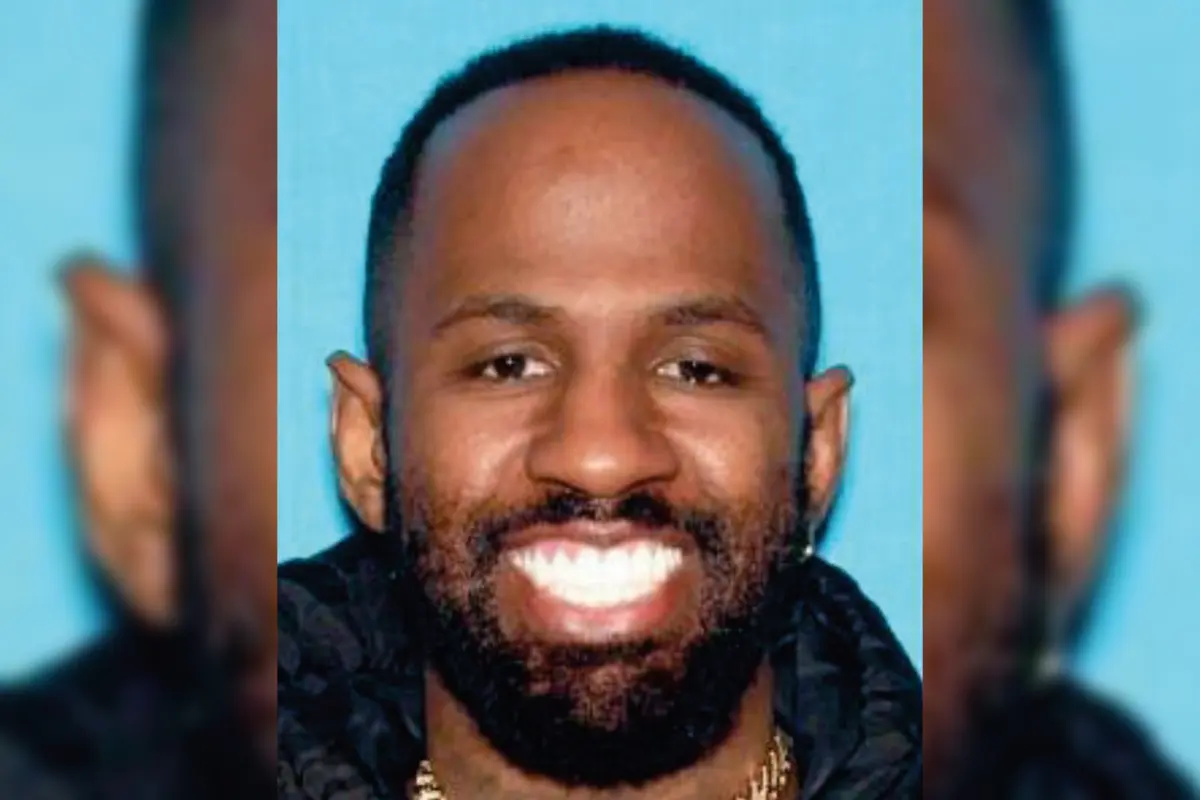
True crime enthusiasts and sports culture chroniclers have a new high-profile scandal to dissect. Netflix has officially announced the upcoming expansion of its critically acclaimed, sports-themed documentary franchise, Untold, with a feature dedicated to one of the most brazen digital deception schemes of the decade. Titled Untold: Wide Deceiver, the forthcoming documentary promises to pull back the curtain on the extraordinary life and crimes of Daejon Love, a 35-year-old internet personality and viral scammer who weaponized modern dating apps, social media validation, and the allure of professional athletics to orchestrate a multimillion-dollar fraud ring.
According to preliminary network statements, the project will "unpack the internet nickname and the far darker story it exposed." While true-crime documentaries frequently center on sensational headlines, Untold: Wide Deceiver intends to pivot the spotlight away from the perpetrator’s carefully curated illusions and focus squarely on the resilience, vulnerability, and harrowing experiences of the women he targeted.
The announcement arrives at a pivotal juncture in the ongoing legal proceedings against Love, closely following his initial appearance in federal court. Charged alongside an 18-year-old accomplice, Taylor Jamie Chan, Love allegedly constructed an elaborate digital identity wherein he posed as a standout player for the San Francisco 49ers. By leveraging this fabricated prestige, Love and his co-conspirator managed to charm, manipulate, and ultimately defraud at least 26 women out of upwards of $1.3 million. Federal law enforcement agencies, however, fear that the true scope of the syndicate’s operation may extend far beyond current indictments.
By integrating this saga into the Untold catalog—which already boasts hard-hitting investigations into the tragic murder-suicide of former NFL quarterback Steve McNair, the post-career struggles of NBA star Lamar Odom, and the global cultural phenomenon surrounding Australian Olympic breakdancer Raygun—Netflix continues its rigorous exploration of the psychological pressures, systemic vulnerabilities, and darker underbellies of the sports and entertainment landscapes. This comprehensive deep-dive examines the mechanisms of the scam, the human toll exacted by the perpetrators, the legal battles ahead, and the broader cultural implications of digital identity manipulation in the modern dating ecosystem.
Detailed Chronology: The Rise, Reign, and Ruin of a Digital Impostor
Building the Myth: Social Media as a Weapon of Deception
To understand how Daejon Love managed to convince multiple women that they were locked in committed relationships with a professional NFL athlete, one must examine the meticulously engineered digital ecosystem he constructed. Operating primarily across mainstream social media platforms and elite online dating applications, Love did not rely solely on simple catfishing techniques; he built a fully realized, multimedia enterprise of falsehoods.
Central to his facade were meticulously produced video clips showcasing Love running rigorous athletic drills outfitted in authentic San Francisco 49ers gear. These videos were interspersed with content highlighting a high-rolling lifestyle: luxury sports cars, exclusive urban real estate, high-end dining, and the effortless confidence associated with top-tier professional athletes. In an era where digital validation often substitutes for real-world intimacy, these visual markers served as an impenetrable shield of credibility. Victims were not just meeting a man on a screen; they were being invited into a perceived world of celebrity, wealth, and security.
The Confluence of Romance and Financial Exploitation
Once a target was secured on dating platforms, Love transitioned from general displays of affluence to hyper-focused, targeted romantic idealization—commonly referred to in modern psychological circles as "love bombing." Targets reported being showered with constant digital affection, intense declarations of devotion, and rapid integration into a perceived future partnership.
Once emotional dependencies were established, the second phase of the operation commenced. Love introduced a lucrative narrative: a high-yield, exclusive investment opportunity tied to a purportedly legitimate business enterprise. To add a veneer of corporate legitimacy to the scheme, his 18-year-old co-conspirator, Taylor Jamie Chan, stepped into the role of Love’s personal investment adviser.
The conspirators utilized sophisticated psychological pressure tactics, backed by an arsenal of falsified financial documentation. Victims were regularly shown fabricated bank statements, forged investment returns, and professional-looking account dashboards designed to simulate staggering financial growth. When targets expressed hesitation due to a lack of immediate liquid capital, Love and Chan exhibited no restraint, reportedly urging cash-poor victims to secure unsecured personal loans, empty retirement accounts, or borrow from family members under the ironclad guarantee that their investments would yield exponential, life-changing returns.
The Collapse of the Facade and Federal Intervention
The house of cards began to tremble as inconsistencies in the financial returns piled up and victims attempted to cash out their purported fortunes, only to be met with manufactured administrative delays, ghosting, or demands for additional capital infusions.
Following extensive investigative work by federal authorities, the Department of Justice officially brought the hammer down in August. Daejon Love was arrested and subsequently charged with multiple counts of wire fraud and conspiracy to commit wire fraud. The federal indictments laid bare a chilling reality: an organized criminal enterprise operating under the guise of romantic courtship, systematically stripping women of their life savings.
Supporting Context & Metrics: The Scale of the Syndicate
Quantifying the damage inflicted by digital romance fraudsters is notoriously difficult due to the profound social stigma, shame, and emotional trauma that frequently deter victims from coming forward. Nevertheless, the public metrics released by the United States Department of Justice and the Federal Bureau of Investigation paint a deeply unsettling picture of the Daejon Love operation.
- Confirmed Financial Loss: Federal prosecutors have formally documented over $1.3 million in direct financial losses extracted from the victims.
- Confirmed Victim Count: Indictments currently detail at least 26 distinct victims spanning multiple states and dating platforms.
- The Dark Figure of Crime: Law enforcement agencies, including the FBI, have publicly stated that they strongly believe the actual number of defrauded individuals is significantly higher, as numerous victims remain too intimidated, traumatized, or embarrassed to report their experiences.
- Legal Penalties: If convicted on all federal counts, Daejon Love faces severe legal repercussions, including a maximum statutory sentence of up to 20 years in federal prison, alongside mandatory financial restitution and individual fines reaching $250,000.
- Co-Conspirator Involvement: The inclusion of 18-year-old Taylor Jamie Chan highlights a disturbing generational pivot in cyber-enabled financial crime, demonstrating how younger individuals are being recruited or willingly participating in sophisticated multi-tiered fraud networks.
Official Statements and Industry Insights
The announcement of Untold: Wide Deceiver has generated substantial industry commentary, illuminating both the artistic vision behind the Netflix documentary and the wider societal urgency surrounding romance scams.
Netflix’s official press release emphasized the thematic depth of the upcoming project:
"Untold: Wide Deceiver will unpack the internet nickname and the far darker story it exposed, providing a definitive look into the mechanics of modern digital manipulation and the profound human cost paid by those caught in its web."
While the initial production briefs released to the press omitted the name of the documentary’s director, a trusted production insider closely connected to the project shared exclusive insights with The Hollywood Reporter. According to the source, the core narrative thrust of the film will decisively reject the temptation to sensationalize Love’s charismatic persona. Instead, the documentary will act as a platform for the victims, offering an intimate, empathetic examination of the psychological warfare waged against them.
Industry analysts note that this approach aligns with the evolving trajectory of true-crime documentary filmmaking. Audiences are increasingly fatigued by productions that inadvertently glorify perpetrators through excessive focus on their methods. By centering the resilience, investigative persistence, and emotional recovery of the women targeted by Love, Netflix aims to redefine the standard for ethical crime reporting in the streaming era.
Furthermore, legal experts tracking the case have pointed out that Love’s recent appearance in federal court marks only the opening salvo in what is expected to be a protracted, highly publicized legal battle. Defense attorneys anticipate extensive scrutiny regarding the digital evidence, the interstate nature of the communications, and the specific division of labor between Love and his teenage co-conspirator.
Future Outlook: The Legal Horizon and Cultural Impact
As Untold: Wide Deceiver moves through its final production and post-production phases toward an eventual Netflix premiere, several critical narratives continue to unfold concurrently in the real world.
The Trajectory of the Federal Case
The immediate future for Daejon Love will be dictated by the federal court system. With his initial arraignment and court appearances now concluded, pre-trial motions, evidence discovery hearings, and potential plea negotiations will dominate the coming months. Legal scholars predict that the prosecution’s case will heavily hinge on digital forensics—including IP tracking, cryptocurrency tracing, communication logs, and financial audit trails—to establish an undeniable pattern of systemic fraud. The involvement of Taylor Jamie Chan adds an additional layer of complexity, as federal prosecutors may leverage potential cooperation agreements to secure deeper insights into the organizational hierarchy of the scam network.
A Watershed Moment for Digital Dating Security
Beyond the courtroom, the Daejon Love saga serves as a harsh cultural wake-up call regarding the profound vulnerabilities embedded within contemporary digital culture. As artificial intelligence, deepfake technology, and hyper-realistic social media fabrication tools continue to democratize the creation of false identities, the traditional paradigms of online trust are undergoing radical stress tests.
Cybersecurity advocates and digital safety experts hope that the massive global reach of the Untold franchise will catalyze broader conversations regarding online verification, dating app accountability, and public education surrounding romance fraud. By bringing the gritty, unvarnished reality of these crimes into mainstream living rooms, the documentary may empower future targets to recognize warning signs earlier, report suspicious activities without fear of judgment, and dismantle the social stigmas that traditionally silence victims of financial exploitation.
Ultimately, Untold: Wide Deceiver promises to be much more than a retrospective true-crime special. It stands to serve as a definitive cautionary tale for the digital age—a stark reminder that behind the polished veneer of viral avatars, curated feeds, and effortless charm lies a dangerous capacity for calculated human exploitation.