

Executive Overview
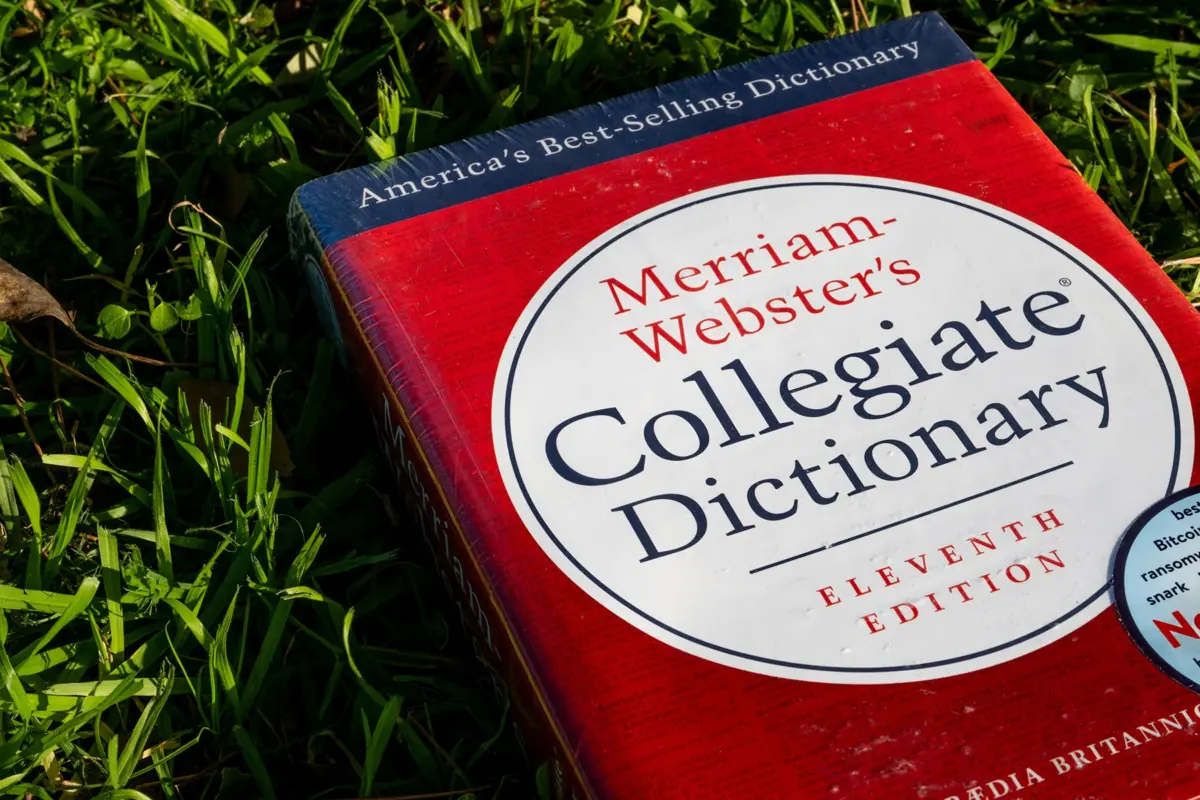
Language is not a static monument carved in stone; rather, it is a living, breathing ecosystem that expands, mutates, and adapts in real-time alongside the society that uses it. For millions of speakers, keeping pace with the relentless evolution of modern slang, internet culture, and technological shorthand can feel like an insurmountable challenge. Enter Merriam-Webster, America’s venerable authority on the English language, which has stepped in to bridge the gap between historical definitions and contemporary discourse.
In a sweeping update released on Wednesday, the lexicographical giant officially inducted 1,400 new words and definitions into its historic dictionary. Described by the company’s editorial team as a much-needed "glow-up" for its centuries-old lexicon, this latest expansion heavily reflects the linguistic footprints left by internet-first phenomena, social media micro-trends, digital-era wellness, and modern socio-cultural behaviors.
From the ubiquitous anxiety of the "Sunday scaries" to the hyper-specific aesthetic optimization known as "looksmaxxing," these entries are far more than passing fads. They are the linguistic artifacts of our current era. By institutionalizing these terms, Merriam-Webster is not merely documenting how we speak today; it is providing a mirror to the cultural, technological, and psychological shifts defining the modern human experience. This comprehensive report explores the methodology behind the updates, the cultural significance of the newly minted lexicon, and what this massive linguistic expansion reveals about the trajectory of the English language in the twenty-first century.
Detailed Chronology: How the Modern Dictionary Evolves
The process of updating a foundational national dictionary is rarely a spontaneous endeavor. It is the culmination of meticulous data collection, rigorous sociological observation, and disciplined lexicographical analysis. To understand how terms like "meme coin," "cuffing season," and "vibe coding" transition from the depths of online message boards and urban subcultures into the hallowed pages of a formal dictionary, one must examine the meticulous lifecycle of modern lexicography.
Phase 1: The Digital Listening Post
Long before a word is considered for formal inclusion, it must exist in the wild. Merriam-Webster’s editorial team operates continuous monitoring systems that scan thousands of sources—ranging from prestigious academic journals and mainstream journalism to niche internet forums, viral social media platforms, and pop-culture transcripts. Lexicographers act as linguistic anthropologists, tracking frequency curves and semantic shifts in real-time. When a novel term or an existing word with a newly adapted meaning begins to cross over from localized or generational use into wider public consciousness, it is flagged for further review.
Phase 2: The Three-Pillar Criteria Evaluation
Once a term has gained traction, it must pass through a strict vetting process. Merriam-Webster relies on three foundational criteria to determine whether a word or definition earns a permanent spot in the lexicon:
- Frequent Use: The term must appear with regularity across diverse texts and platforms over an extended period. It cannot merely be a one-day trending hashtag or an ephemeral TikTok soundbite.
- Widespread Use: The word must transcend hyper-niche communities. While it may originate within a specific demographic—such as Gen Z internet users, cryptocurrency enthusiasts, or the fashion industry—it must demonstrate cross-pollination into broader societal conversations.
- Meaningful Use: The term must fill a distinct semantic gap. It needs to articulate a concept, emotion, state of being, or technological function that existing vocabulary cannot adequately capture.
Phase 3: The Editorial "Glow-Up"
Following months, and often years, of tracking usage patterns, the editorial board convenes to finalize the rollout. The recent addition of 1,400 words represents the latest milestone in this ongoing chronological timeline. By grouping these updates into thematic categories—spanning food, fashion, digital technology, and psychological phenomena—the dictionary provides a structured snapshot of contemporary life. The introduction of these terms marks the official transition of internet-native vernacular into standardized English, granting these phrases institutional legitimacy.
Supporting Context & Metrics: The Anatomy of Modern Additions
The breadth of Merriam-Webster’s latest update is staggering, touching nearly every facet of modern life. To fully appreciate the scope of this "glow-up," it is necessary to categorize and analyze the specific domains influenced by these linguistic arrivals.
The Digital Economy and Cryptographic Culture
The financial and technological landscapes have revolutionized human interaction, spawning entirely new sub-languages. Among the notable additions are terms that reflect the speculative and digital-first nature of modern finance and internet interaction:
- Meme coin: A cryptocurrency that derives its value and popularity largely from internet memes, viral marketing, or community-driven hype rather than traditional utility or fundamental economic value (e.g., Dogecoin).
- Compute: While traditionally a verb meaning to calculate, its modern computational and infrastructural sense—referring to the processing power and resources required to run complex algorithms, machine learning models, and vast data centers—has been firmly solidified.
- Rickroll: A classic internet prank dating back to the late 2000s, officially defined as the act of tricking someone into clicking a hyperlink that leads to the music video for Rick Astley’s 1987 hit "Never Gonna Give You Up." Its formal inclusion highlights how internet folklore endures across decades.
Social Media Psychology and Interpersonal Dynamics
As human connection increasingly migrates to digital spaces, our vocabulary has expanded to articulate the unique psychological states produced by online environments:
- Parasocial: A term describing a one-sided relationship where one party extends emotional energy, interest, and time, while the other party—often a celebrity, influencer, or media personality—is completely unaware of their existence. While academic circles have used this for decades, its modern proliferation necessitated broader lexicographical recognition.
- Crashout: A slang term denoting a sudden, explosive loss of emotional control, often resulting in erratic, destructive, or aggressive behavior, frequently popularized through youth culture and social media video content.
- California sober: A lifestyle choice describing an individual who abstains from most mind-altering substances or hard drugs, but selectively continues to use cannabis or alcohol under specific, self-prescribed boundaries.
Aesthetics, Wellness, and Cultural Subgenres
Modern lifestyle trends have given rise to words that capture niche subcultures, aesthetic optimization, and the seasonal rhythms of modern living:
- Looksmaxxing: Originating from male-dominated internet forums and expanding via aesthetic content creators, this refers to the practice of maximizing one’s physical attractiveness through targeted skincare, grooming, fitness, and lifestyle optimization.
- Cuffing season: A recurring autumnal and winter phenomenon wherein single individuals proactively seek out short-term romantic partnerships to endure the colder, darker months, only to break up as spring approaches.
- Sunday scaries: The acute wave of anxiety, dread, and apprehension that typically sets in on Sunday afternoons or evenings as individuals contemplate the impending return to the work or school week.
- Shapewear: Form-fitting undergarments designed to temporarily alter or smooth the wearer’s silhouette, reflecting significant shifts in modern fashion and body-contouring culture.
- Vibe coding: A contemporary programming and development concept where human creators guide AI tools by setting the overall "vibe," tone, and architectural goals, rather than writing every line of code manually.
- Yacht rock: A specific style of smooth, soft rock music popular in the late 1970s and early 1980s, characterized by high production values, jazz influences, and coastal-elite aesthetics.
The Evolution of Existing Vocabulary
Crucially, not all dictionary updates involve brand-new coinage. As Merriam-Webster’s editors frequently emphasize, some of the most profound linguistic changes involve old words acquiring entirely new, modernized senses.
Consider words like mouse and cookie. To previous generations, these terms evoked thoughts of household rodents and baked goods. Today, their dominant cultural associations are inextricably linked to computer peripherals and digital data trackers. Similarly, verbs like browse and lurk have expanded seamlessly from physical library aisles and wildlife observation into the digital realms of internet forums and website navigation. Even the everyday verb access, first entered in the Collegiate Dictionary in 1973, required a dedicated computer-specific definition update in 1993. These quiet, foundational shifts are just as vital to the health of the language as headline-grabbing slang.
Official Statements and Editorial Philosophy
The inclusion of internet slang and culturally charged terms often invites skepticism from purists who argue that the dictionary is validating fleeting trends or degrading the purity of the English language. However, Merriam-Webster’s editorial leadership maintains a steadfast, pragmatic philosophy regarding their craft.
In an official corporate statement accompanying the release, the editorial team defended the diverse roster of additions:
"The new entries reflect words and meanings that have demonstrated widespread use over time, offering a window into the world today."
The company further elaborated on its website regarding the democratizing nature of lexicography, noting that language belongs to its speakers, not to self-appointed guardians of grammar. By capturing terms born in the trenches of internet culture, the dictionary acts as an objective historian rather than a prescriptive gatekeeper.
Furthermore, editorial representatives emphasize that inclusion does not equal endorsement. A dictionary does not declare a word "good" or "proper"; it simply confirms that the word exists, is widely understood, and serves a functional purpose in human communication. Whether society is discussing the macroeconomic impact of a meme coin or lamenting the onset of the Sunday scaries, these words are working tools of communication. To ignore them would be to render the dictionary an obsolete artifact rather than a living, authoritative guide.
Future Outlook: The Trajectory of Language and the Word of the Year
As Merriam-Webster cements these 1,400 new entries into its digital and print catalogs, the linguistic community is already looking toward the horizon. The timing of this major update—arriving late in the calendar year—offers fascinating analytical clues regarding the upcoming selection for the highly anticipated Word of the Year.
While official frontrunners for the annual title have yet to be publicly announced, historical patterns suggest that the winner often emerges from the intersection of technology, social psychology, and socio-political climate. In recent years, the coveted title has been awarded to words that encapsulated profound cultural anxieties and shifts:
- Authentic (2023): Captured a cultural obsession with genuine expression in an era dominated by artificial intelligence, deepfakes, and curated social media personas.
- Polarization (2022): Highlighted the deep ideological, political, and social divisions fracturing global communities.
- Slop (or similar past entries): Addressed the overwhelming tide of low-quality digital noise and AI-generated content flooding our information feeds.
Given that this year’s batch of 1,400 words heavily emphasizes technology, digital communication, and the psychological weight of online connectivity, industry watchers speculate that the 2024 Word of the Year may similarly bridge the gap between artificial intelligence, digital fatigue, and human adaptation. Terms like vibe coding and parasocial hint at a cultural preoccupation with how technology mediates our emotional and professional lives.
Looking further ahead, the rapid acceleration of artificial intelligence, decentralized finance, and cross-cultural digital communication guarantees that the English language will continue to evolve at an unprecedented pace. Neologisms will be born on social media platforms in a matter of hours, spreading across the globe before fading or solidifying into permanent fixtures of speech.
For Merriam-Webster and its dedicated team of lexicographers, the mission remains clear: to document the human story one word at a time. As long as society continues to invent new ways to live, work, connect, and express ourselves, the dictionary will be there to catch our words as they fly—ensuring that future generations can look back and understand not just what we said, but who we were.