

Executive Overview
In the rapidly expanding universe of high-end functional fitness, few brands command the zealous loyalty and rapid global scaling of Hyrox. Billed as the "marathon of fitness," the competition tests every energy system, muscle group, and psychological barrier an athlete possesses. However, a bizarre, unprecedented, and deeply unsettling incident at a premier event in Beijing, China, has forced the global organization to reckon with the darker, messier boundaries of extreme endurance.
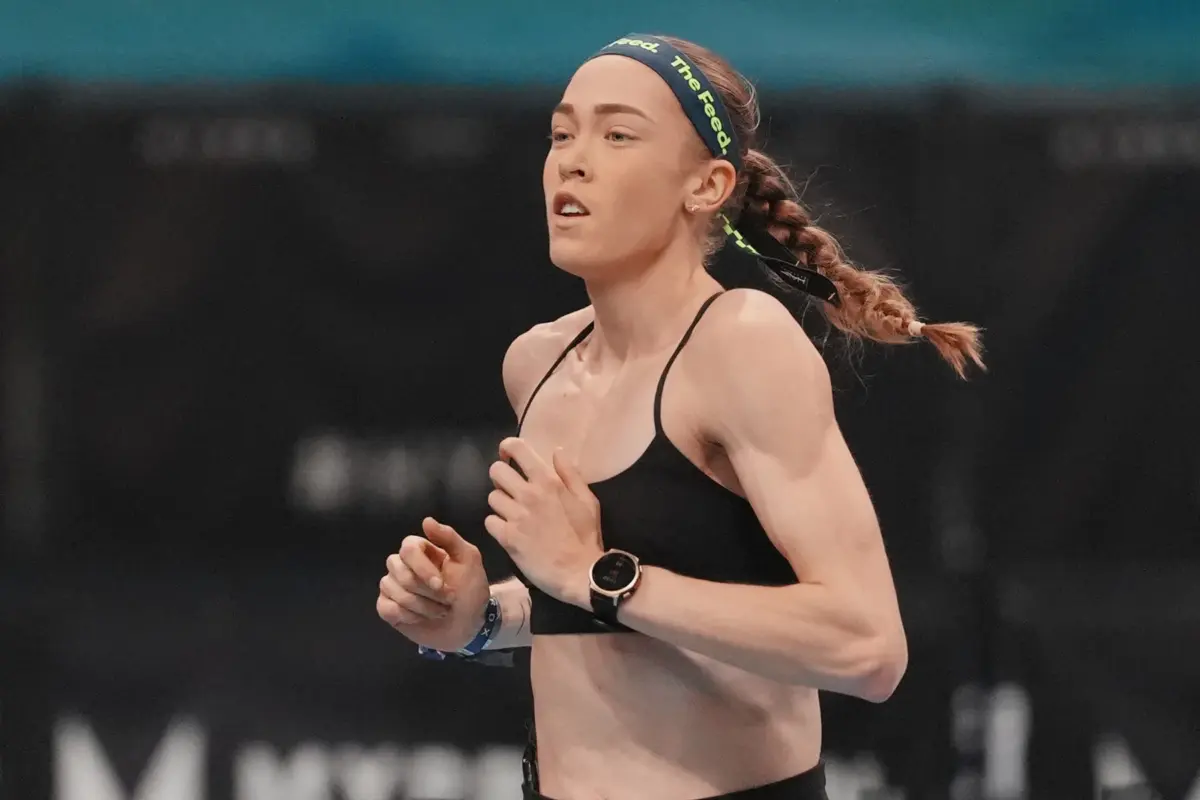
On September 12, during a high-stakes professional division match in Beijing, 22-year-old Australian elite athlete and world record holder Joanna Wietrzyk suffered a severe bout of fecal incontinence mid-race. Rather than pulling out of the competition to seek medical attention or address the biohazard, Wietrzyk continued to compete. For over an hour, she pushed weighted sleds, executed burpee broad jumps, completed grueling rowing intervals, and ran across indoor, carpeted tracks while visibly soiled. She ultimately crossed the finish line with a time of 1 hour, 1 minute, and 23 seconds, securing first place.
What followed was an immediate, polarizing digital firestorm. While some praised Wietrzyk’s staggering physical resilience and uncompromising "win at all costs" mentality, a massive wave of backlash erupted across social media. Competitors, attendees, and spectators accused Hyrox officials of a catastrophic operational failure, pointing out that Wietrzyk had shared communal fitness equipment, contaminated high-traffic racing lanes, and exposed fellow athletes, referees, and spectators to dangerous biological waste.
The fallout forced Hyrox leadership into damage control. Initially defending the athlete’s raw grit, organizers quickly backtracked as public outcry intensified. Moritz Fürste, co-founder of Hyrox, issued a formal apology, admitting that management failed to act swiftly and neglected their duty of care. Consequently, Hyrox has overhauled its global rulebook, introducing strict protocols that empower race directors to immediately disqualify or pull any competitor from a course if bodily fluids pose a contamination risk.
This deep-dive investigation examines the timeline of the Beijing incident, the cultural ethos of the Hyrox phenomenon, the corporate missteps that exacerbated the controversy, and the sweeping policy shifts designed to safeguard the integrity of the sport.
Detailed Chronology: The Beijing Incident Unfolds
The morning of September 12 began like any other elite Hyrox competition. The atmosphere inside the climate-controlled Beijing arena was thick with chalk dust, electronic beats, and the synchronized pounding of hundreds of running shoes against padded, indoor carpeting. The professional division represents the absolute apex of the sport—a tier where fractions of a second matter and athletes possess engines capable of sustaining maximum aerobic thresholds for over an hour.
Joanna Wietrzyk, widely recognized as one of the sport’s most formidable talents and a reigning world record holder, entered the arena as a clear favorite. But roughly into the punishing sequence of alternating runs and functional stations, Wietrzyk experienced acute physical distress, resulting in sudden and uncontrollable fecal incontinence.
In traditional endurance sports like marathons or triathlons, such an occurrence typically spells the immediate end of a race. The physical discomfort, coupled with the obvious logistical and sanitary impossibilities of continuing, leads most athletes to withdraw. Wietrzyk, however, made a split-second, controversial calculation to press forward.
A Brutal Visual Spectacle
Eyewitness accounts and photographs captured a harrowing and surreal sequence of events. With fecal matter visibly coating her legs and shorts, Wietrzyk powered through the mandatory fitness stations:
- The SkiErg and Rowing Ergometers: Wietrzyk handled shared handles, leaving behind residue that subsequent athletes would inevitably touch.
- The Sled Push and Pull: Pushing and pulling heavy metal sleds across the carpeted turf, her physical exertion exacerbated her condition, while the abrasive nature of the movement further distributed waste across the racing lane.
- Burpee Broad Jumps: Requiring athletes to drop their entire bodies flat to the floor before jumping forward, this station transformed from an athletic test into an active biohazard exposure zone.
- The Final Run: Pacing across indoor, carpeted tracks where ventilation is recycled and crowds press tight against the barricades.
Despite the obvious distress and the grotesque nature of the contamination, race officials on the course did not intervene. Track marshals watched as Wietrzyk completed the grueling circuit, crossing the finish line in 1:01:23 to claim the victory.
The Aftermath and Social Media Firestorm
Immediately following her victory, Wietrzyk embraced the narrative of extreme athletic triumph. In a now-deleted Instagram post, she celebrated her first-place finish with the caption: "Go hard or go home… a win is a win." The post included a photograph of Wietrzyk resting in a hospital bed, signaling that the physical toll of the race had ultimately required medical intervention.
While intended as a testament to her unyielding willpower, the post ignited a digital explosion. Within hours, screenshots and video clips of the incident circulated widely across X (formerly Twitter), Reddit, and fitness-focused Instagram channels.
The backlash was swift and unforgiving. Amateur and professional athletes alike directed their frustration not solely at Wietrzyk, but squarely at Hyrox’s event management. Critics highlighted a jarring double standard: while Hyrox has historically maintained draconian enforcement over minor infractions—such as penalizing athletes for accidentally spilling water bottles, spitting, littering, or creating minor "slip hazards"—officials had allowed a massive biological hazard to persist unchecked for nearly an hour.
Supporting Context & Metrics: The Hyrox Phenomenon
To understand why the Beijing incident caused such an earthquake within the fitness community, one must examine the meteoric rise and unique operational ecosystem of Hyrox.
What is Hyrox?
Founded in Germany in 2017 by Christian Toetzke and former professional hockey player Moritz Fürste, Hyrox was designed to bridge the gap between functional fitness training and endurance racing. Unlike CrossFit, which features constantly varied, highly technical Olympic lifting and gymnastics movements, Hyrox offers a standardized, predictable format.
Every single Hyrox race worldwide follows the exact same blueprint:
- 1 Kilometer Run
- 1Km SkiErg
- 1Km Run
- Sled Push (varying weights based on division)
- 1Km Run
- Sled Pull (varying weights)
- 1Km Run
- Burpee Broad Jumps
- 1Km Run
- Rowing Ergometer (1,000 meters)
- 1Km Run
- Farmers Carry (varying weights)
- 1Km Run
- Sandbag Lunges
- 1Km Run
- Wall Balls (repeated target throws)
With over 100 races held annually across the globe, drawing hundreds of thousands of participants ranging from open-age amateurs to elite professionals, Hyrox has transformed from a niche European competition into a multi-million-dollar global fitness empire.
The Indoor Environment and Hygiene Realities
Because Hyrox events take place indoors—typically inside massive convention centers, exhibition halls, or arenas—the venue dynamics are vastly different from outdoor marathons or trail races.
- Carpeted Tracks: The running tracks are almost universally laid with synthetic, low-pile carpeting over concrete flooring. This material is designed to absorb impact for runners, but it is notoriously difficult to sanitize once contaminated with bodily fluids.
- Shared Equipment: Hundreds of athletes use the exact same SkiErgs, rowers, sleds, kettlebells, and medicine balls throughout a single race day. Sanitization protocols between heats are generally limited to quick wipe-downs of high-touch surfaces by volunteers.
- Closed-Circuit Air: Large indoor venues rely on industrial HVAC systems that circulate air across thousands of packed spectators and sweating competitors.
Given these environmental factors, the presence of untreated human waste on the course wasn’t just an aesthetic or psychological affront; it represented an immediate public health and safety violation. Pathogens such as E. coli, norovirus, and various bacterial infections can easily be transmitted via contaminated surfaces and equipment, posing severe risks to everyone in the facility.
Official Statements and Corporate Reversal
Hyrox’s initial handling of the crisis proved to be a masterclass in corporate PR miscalculation.
The Initial Defense of "Grit"
In the immediate wake of the online backlash, Hyrox China and Hyrox World released a statement that attempted to frame the incident through the romanticized lens of extreme sports endurance. Organizers confirmed that behind the scenes, aggressive remediation had taken place: the affected lanes were deep cleaned, the contaminated sections of carpet were physically ripped out and replaced, and the specific pieces of equipment Wietrzyk interacted with were removed before the amateur heats commenced the following day.
However, the initial rationale provided by corporate representatives shocked the community. Blaming "blurring" and "confusion" regarding biohazard protocols between professional and amateur divisions, the statement leaned heavily into corporate motivational speak:
"We ask our athletes to push themselves to the highest levels. At times, they will go beyond what even we thought was possible. That courage, resilience and refusal to give in are precisely what makes elite athletes so extraordinary. Our role is to give them the right framework and the right boundaries within which they can compete, perform and express themselves at their very best."
Rather than quelling the fire, this statement poured gasoline on it. Critics pointed out that praising "courage" in the face of a biohazard essentially incentivized athletes to ignore basic hygiene and public health out of a desperate desire to win.
Moritz Fürste Steps In
Recognizing that the brand’s reputation for safety and professionalism was actively fracturing, Hyrox co-founder Moritz Fürste intervened directly. Taking to Instagram, Fürste bypassed corporate doublespeak and offered an unvarnished, direct apology:
"I apologise to all that were directly or indirectly affected, as well as to everyone who felt like we did not handle the situation like we should have. Hyrox made a mistake by not reacting immediately during the race. In the end it is my job to foresee these potential incidents — and I did not. As of this moment, there are new rules and procedures in place to prevent situations like this from happening again. We learn and try to get better everyday."
Fürste’s acknowledgment of personal responsibility marked a turning point in the crisis management timeline, shifting the narrative from corporate denial to institutional accountability.
Future Outlook: The New Hyrox Rulebook
The fallout from Beijing has permanently altered how Hyrox governs its events. The organization has officially codified new operational mandates designed to ensure that a biological incident of this magnitude can never happen again on a Hyrox course.
Key Changes to the Rulebook
- Mandatory Medical Intervention and Removal: Under the updated regulations, race directors, medical personnel, and track marshals possess the explicit authority to pull any athlete from the course immediately if blood, vomit, urine, or feces creates a verifiable contamination or biohazard issue.
- Zero Tolerance for Bodily Fluid Exposure: While minor scrapes resulting in superficial blood have historically been managed with quick bandaging, the new guidelines draw a hard line at waste products and mass fluid contamination. Hygiene and safety now officially supersede an athlete’s right to finish.
- Enhanced Sanitation Protocols: Event operations teams have been issued standardized, medical-grade biohazard kits and mandatory response timelines for rapid neutralization of contaminated zones, ensuring that even temporary disruptions are handled with clinical precision.
The Question of the Title and Online Harassment
As of publication, representatives for Hyrox have not clarified whether Joanna Wietrzyk will be officially stripped of her Beijing professional division victory, nor has Rolling Stone received a definitive comment on the status of her medal. The legal and competitive implications of revoking a win retroactively present complex contractual challenges for the organization.
Simultaneously, Hyrox leadership has issued a stern warning to the digital mob that materialized around Wietrzyk. While acknowledging legitimate anger regarding the organization’s operational failures, officials emphasized that the vitriol directed at the 22-year-old athlete crossed dangerous lines.
"Frustration should never be directed towards the athletes themselves," organizers stated firmly. "They are the people who put themselves on the line, compete at the highest level and make competition what it is. There is no place in our community for threats of violence or encouragement to harm an athlete."
Hyrox has threatened permanent bans for any community members found engaging in targeted harassment, cyberbullying, or issuing threats of violence against Wietrzyk or any other competitor.
Conclusion
The Beijing biohazard incident will long be remembered as a bizarre and defining inflection point for Hyrox. As extreme sports continue to push the boundaries of human endurance, the intersection of raw athletic grit and basic public health responsibilities will inevitably face stress tests.
By rewriting its rulebook, owning its institutional oversight, and establishing clear, uncompromising boundaries for medical intervention, Hyrox has signaled that while the pursuit of greatness is paramount, it can no longer come at the expense of common decency, shared hygiene, and community safety. The "marathon of fitness" has matured—acknowledging that sometimes, the bravest thing an athlete and an organization can do is step off the track.