

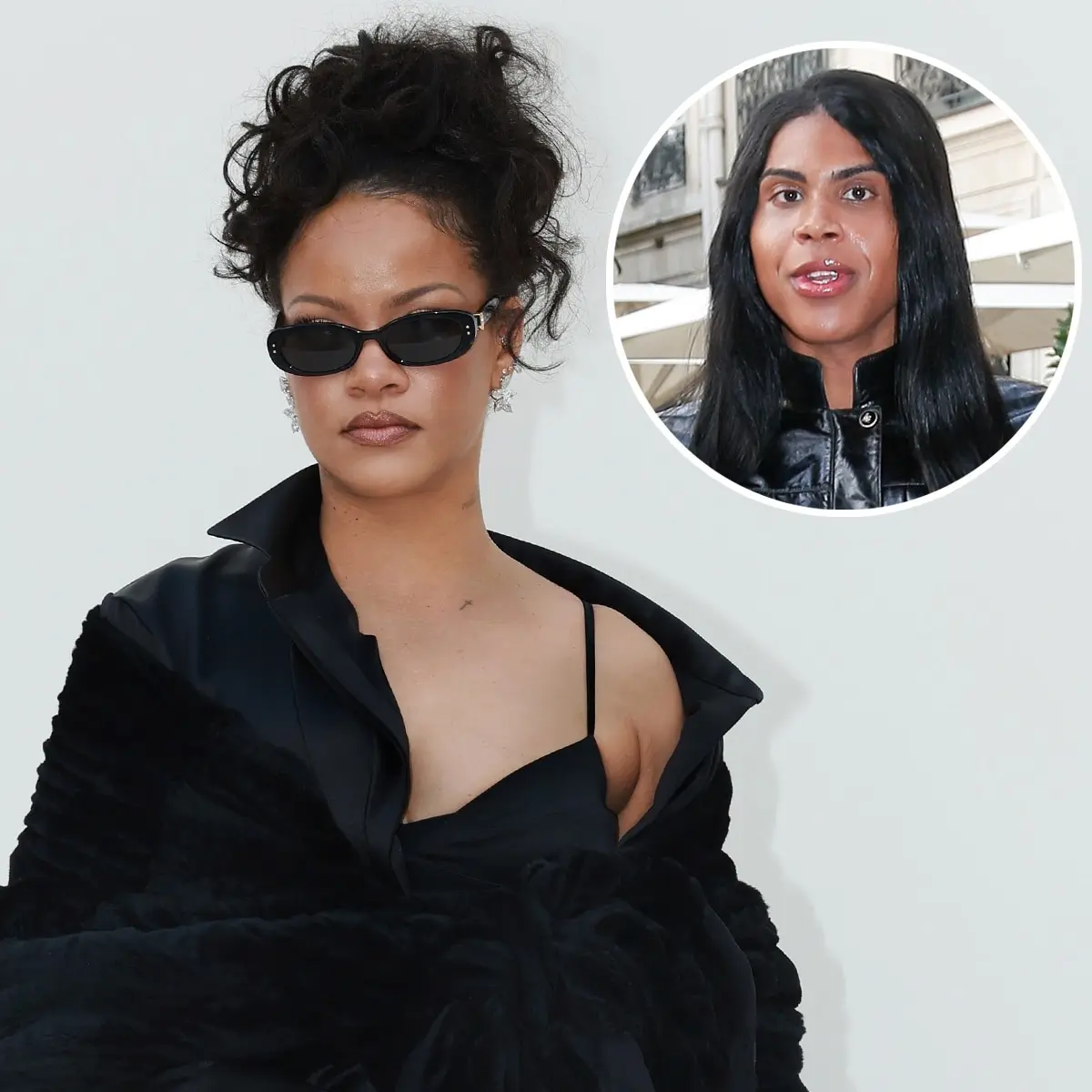
Paris Fashion Week has long served as the ultimate global crucible for high-end design, theatrical displays of wealth, and intense celebrity calculus. Yet, even by the lofty, tempestuous standards of the City of Light, the Spring/Summer 2027 collections cycle delivered an unexpected collision of sartorial mastery and digital-age public drama. At the epicenter of this cultural friction stood none other than global icon, entrepreneur, and mother of three, Rihanna.
Known as much for her rule-breaking approach to personal style as for her cultural ubiquity, the multi-hyphenate mogul commanded international headlines during her latest Parisian excursion. However, the narrative of her trip quickly expanded far beyond her undeniable dominance on the front rows and red carpets. A seemingly innocuous scheduling delay at one of the week’s premier runway shows catalyzed a cascading series of events—culminating in public critiques from fellow high-profile attendees, viral social media schadenfreude, and a masterclass in how modern celebrities navigate, deflect, and weaponize public perception.
This report examines the anatomy of a fashion week controversy, tracing the timeline from the first flashbulbs on September 28 to the digital retaliation that gripped social media algorithms days later. Through a detailed chronology of events, sartorial breakdowns, structural insights into the contemporary fashion ecosystem, and an authoritative look at the personalities involved, we dissect how a single hour-long delay transformed into one of the most talked-about cultural clashes of the autumn season.
Detailed Chronology: From Golden Openings to Runway Reverberations
The timeline of Rihanna’s tumultuous yet triumphant Paris Fashion Week campaign is marked by distinct tonal shifts, moving effortlessly from high-fashion reverence to internet-fueled retribution.
September 28: The Golden Ascent
Rihanna’s Parisian itinerary commenced with a definitive statement of luxury. Making her first major appearance of the week, the 38-year-old stepped out for the highly anticipated Matières Fécales Ready-to-Wear Spring/Summer 2027 presentation.
Defying conventional styling paradigms, the pop superstar—who shares children RZA (4), Riot (3), and Rocki (12 months) with partner A$AP Rocky—descended upon the venue draped in a custom tinseled gold skirt and matching jacket set. Designed through the intricate knits of Cecile Feilchenfeldt, the ensemble radiated opulence. Rihanna balanced the metallic grandeur of the look with a stark black bustier, architectural Christian Louboutin heels, and a heavy gold choker necklace that anchored the avant-garde silhouette. The appearance immediately dominated style blogs, establishing a high bar for the remainder of the week.
September 29: The Dior Delay and the Roots of Discord
The friction point of the week materialized the following afternoon during the Christian Dior Ready-to-Wear Spring/Summer 2027 show. As industry elites, international press, and celebrity guests took their seats inside the venue, anticipation morphed into restless speculation as the clock ticked past the scheduled start time.
Among the front-row attendees was EJ Johnson—the media personality and middle child of NBA legend Magic Johnson and Cookie Johnson. According to Johnson’s subsequent digital documentation, the commencement of the presentation was held up by a full sixty minutes.
On September 29, Johnson published an Instagram vlog chronicling their experience of the event. While praising the eventual execution of the collection, the Rich Kids of Beverly Hills alum publicly pinned the blame for the extensive delay squarely on Rihanna’s shoulders.
"We just left the Dior show, getting out of there was crazy, but the show itself was beautiful," Johnson remarked in the vlog. "It did start an hour late because Rihanna was late and, you know, like, we didn’t care to wait for her, but the show was beautiful nonetheless."
While the remark was delivered casually, it violated the unwritten code of front-row diplomacy, inviting immediate scrutiny from the singer’s fiercely loyal fanbase, known globally as the "Navy." Within hours, fan-managed accounts flooded digital spaces, with one supporter unearthing a vintage GIF of Rihanna rolling up a car window with an expression of sharp affront—a visual motif that quickly became shorthand for the fandom’s dismissal of the critique.
October 1–3: The Digital Climax and the "Damn" Heard Round the World
The narrative took a dramatic, albeit karmic, turn on October 3, when a piece of street-style schadenfreude surfaced on social media platforms.
A circulating video captured EJ Johnson attempting to navigate the paparazzi-heavy exterior of a Parisian hotel. Accompanied by an entourage, Johnson posed briefly for photographers before attempting to enter the building, only to find their path abruptly barred by hotel security staff. The awkward, highly public rebuff was captured in real-time by onlookers and uploaded to Instagram.
As the clip went viral, accumulating hundreds of thousands of views and tens of thousands of engagements, Rihanna herself weighed in. Leaving a characteristically succinct, single-word comment on the post—"Damn."—the multi-billionaire entrepreneur effectively detonated the digital discourse. The comment instantly garnered tens of thousands of likes, transforming a private hotel entry mishap into a global internet moment and cementing Rihanna’s reputation as an unbothered cultural tactician.
Supporting Context & Metrics: The Economics and Optics of Fashion Week
To fully understand the weight of a sixty-minute delay and the ensuing online skirmish, one must examine the high-stakes ecosystem of Paris Fashion Week.
The Currency of Punctuality vs. Star Power
In the ecosystem of global fashion houses, time is meticulously engineered. Front-row seating charts are calculated down to the square inch based on brand affinity, advertising value equivalency (AVE), and historical partnership loyalty. When an A-list titan of Rihanna’s caliber attends a show, the macroeconomic calculus shifts.
Brands frequently accommodate the logistical nightmares of transporting global superstars through dense European security and paparazzi barricades. While an hour-long delay disrupts the tightly packed schedules of editors and buyers, fashion houses often calculate that the sheer volume of global media impressions generated by Rihanna’s arrival outweighs the temporal inconvenience.
Sartorial Metrics: The High-Value Aesthetic
Rihanna’s presence in Paris was defined by a stark visual dichotomy that underscored her dominance across different luxury houses:
- The Matières Fécales Look (Sept. 28): A masterclass in textural juxtaposition. The Cecile Feilchenfeldt-knitted gold tinseled skirt suit relied on artisanal craftsmanship, valued heavily within avant-garde circles, paired with commercial luxury anchors like Christian Louboutin footwear.
- The Dior Look (Sept. 29): Shifting gears for the French heritage house, Rihanna bypassed color in favor of an imposing, oversized black coat layered over a delicate lace camisole. The understated tailoring served a singular purpose: to frame an estimated 100 carats of Chopard diamond jewelry, turning her personhood into a walking exhibition of high-jewelry mastery.
Official Statements & Industry Perspectives
Neither Rihanna’s official representatives nor Christian Dior’s corporate communications teams issued formal statements regarding the timeline of the September 29 show, adhering to an unwritten luxury rule that prefers to let the clothes—and the ensuing PR—speak for themselves.
However, industry insiders and cultural analysts have weighed in on the broader implications of the public spat. Speaking anonymously, a veteran Parisian PR executive noted:
"Fashion week is theater. Delays happen constantly due to traffic, security threats, and wardrobe modifications. For an attendee to publicly weaponize a delay against a sitting icon like Rihanna is a breach of front-row etiquette. Rihanna didn’t need to write a press release; a single-word comment on an unrelated viral fail does the work of a thousand publicists."
EJ Johnson has not directly addressed Rihanna’s viral comment, choosing instead to focus on subsequent fashion week engagements across the European capital. Meanwhile, the digital footprint of the exchange continues to generate organic engagement, proving that celebrity adjacency remains one of the most powerful currencies in modern media.
Future Outlook: The Evolution of Front-Row Politics
As the dust settles on Paris Fashion Week Spring/Summer 2027, the fallout from the Rihanna-Johnson dynamic offers a clear window into the future of celebrity relations within the fashion industry.
- The Democratization of Accountability: Traditional media gatekeepers once controlled the narratives surrounding fashion week behavior. Today, vlog-style documentation by personalities like EJ Johnson, combined with real-time fan surveillance and algorithmic justice, ensures that every perceived slight or logistical hiccup is immediately broadcast and analyzed.
- The Power of Minimalist Comms: Rihanna’s minimalist approach to conflict resolution—eschewing lengthy statements in favor of a single, devastatingly timed word—sets a new benchmark for celebrity crisis management. By weaponizing humor and timing, she maintains an aura of untouchable cool while starving detractors of the oxygen of debate.
- The Unstoppable Synergy of Brand and Icon: Despite momentary friction on the ground, the symbiotic relationship between major fashion houses and cultural titans remains unbreakable. Brands will continue to absorb the logistical chaos of late arrivals in exchange for the cultural oxygen that only figures like Rihanna can provide.
Ultimately, Paris Fashion Week Spring/Summer 2027 will be remembered not merely for the gold lamé, the Chopard diamonds, or the artfully draped coats, but as the moment Rihanna proved once again that whether she is walking the carpet or watching from the sidelines, she dictates the terms of engagement.