

Executive Overview
The modern marketing landscape is undergoing a structural evolution. In an era defined by fractured consumer attention, ad-blockers, and streaming saturation, traditional banner ads and standard 30-second spots are no longer enough to move the needle. Brands are increasingly forced to look outward—forming unexpected alliances, leaning heavily into pop-culture zeitgeists, and leveraging high-profile comedic talent to capture consumer imagination.
This week’s roundup of brand activations, sponsorships, and advertising campaigns underscores a singular, overarching trend: cultural integration over traditional interruption. From the thunderous roar of the Formula 1 track to the quiet, domestic battlegrounds of cat ownership, companies are redefining how they connect with audiences.
Notable collaborations dominating the marketing sphere include:
- Liquid I.V.’s high-velocity entry into motorsport through a major partnership with McLaren Racing Formula 1.
- Walmart and Sam’s Club deploying heavy-hitting comedic star power via Walton Goggins and Jason Sudeikis to celebrate enterprise synergy.
- Away bringing electronic music royalty John Summit on board for a fresh brand narrative.
- J.Crew enlisting the sketch-comedy trio Please Don’t Destroy to inject sartorial self-awareness into menswear.
- Kalshi positioning itself dynamically in the sports world by helping NBA defensive stalwart Dillon Brooks lock down his biggest rival.
- Dollar Tree driving consumer traffic through aggressive value propositions.
- Sheba attempting to scientifically and emotionally conquer the feline-care market with a bold guarantee of feline affection.
This report provides a comprehensive, investigative look into these campaigns, analyzing the strategy, the creative execution, and the broader economic implications for an industry striving to remain relevant in a hyper-competitive marketplace.
Detailed Chronology of This Week’s Major Brand Moves
1. High-Speed Hydration: Liquid I.V. Joins McLaren Racing
As Formula 1 continues its unprecedented explosion in popularity across North America and global markets, brands are scrambling to secure paddock real estate. This week, hydration giant Liquid I.V. announced a strategic partnership with McLaren Racing Formula 1.
For Liquid I.V., a brand built on the premise of cellular transport technology and rapid rehydration, the partnership is more than just a logo placement on a sleek papaya-and-black chassis. It represents a functional alignment. Formula 1 drivers endure extreme G-forces, intense cockpit temperatures, and severe physical strain, making hydration a matter of competitive advantage rather than mere wellness.
Industry analysts note that this partnership allows Liquid I.V. to transition its messaging from everyday wellness and hangover recovery to elite athletic performance. By aligning with a heritage team like McLaren—bolstered by stars like Lando Norris and Oscar Piastri—Liquid I.V. positions itself as the premier fuel for high-performance lifestyles, opening doors to lucrative international markets where F1 commands massive television audiences.
2. Retail Royalty Meets Comedic Heavyweights: Walmart and Sam’s Club
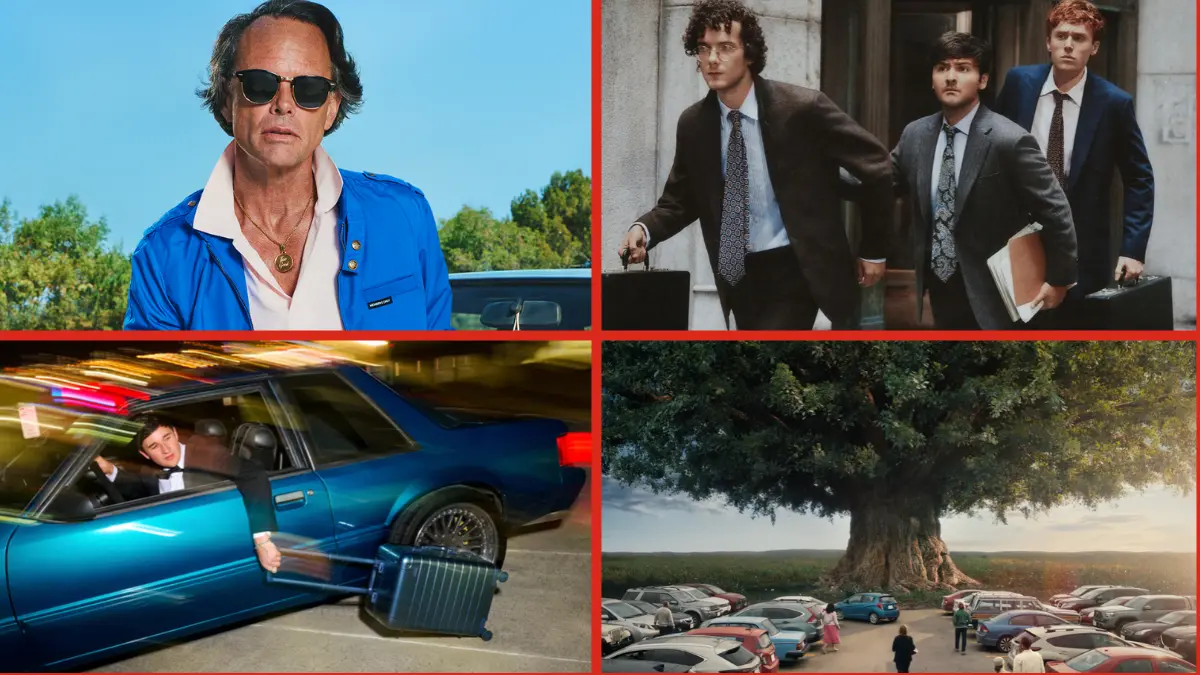
In the retail sector, synergy is notoriously difficult to communicate to consumers without sounding corporate or sterile. Walmart and Sam’s Club solved this challenge this week by deploying two of television’s most recognizable and charismatic actors: Walton Goggins and Jason Sudeikis.
The campaign, designed to celebrate the operational and membership benefits of the broader Walmart ecosystem, relies on the comedic friction between Goggins’ sharp, intense screen presence and Sudeikis’ laid-back, affable charm. Rather than focusing solely on price points—a saturated narrative in discount retail—the spots lean heavily into lifestyle convenience.
By framing the relationship between Walmart and Sam’s Club as a dynamic duo, the brands effectively cross-pollinate their customer bases. Walmart shoppers are reminded of the bulk-buying perks of Sam’s Club, while warehouse club members are nudged toward the everyday convenience of Walmart’s digital and physical footprint.
3. Travel, Techno, and Tailoring: Away and J.Crew Make Bold Moves
The lifestyle and apparel sectors saw two distinct cultural pivots this week:
- Away Enlists John Summit: Luggage and travel brand Away tapped electronic dance music superstar John Summit for a new role. Summit, known for selling out massive venues worldwide and dominating festival circuits from Ibiza to Red Rocks, represents the modern, hyper-mobile creative class. For Away, which built its reputation on sleek, minimalist polycarbonate suitcases for digital nomads, partnering with a touring DJ is a masterclass in audience expansion. It shifts the brand’s narrative from corporate business travel to high-octane, global creative touring.
- Please Don’t Destroy Suits Up at J.Crew: In an era where traditional menswear advertising can feel rigid, J.Crew turned to internet sketch-comedy darlings Please Don’t Destroy (the Emmy-nominated writing trio from Saturday Night Live). Known for their absurd, self-deprecating humor, the group is seen suiting up in J.Crew’s latest collections. The campaign successfully strips away the intimidation factor of high-end tailoring, proving that classic American prep can coexist with millennial and Gen Z comedic sensibilities.
4. Sports, Discount Retail, and Feline Romance
Rounding out the week’s strategic chess moves are campaigns operating at the intersection of pop culture, economic reality, and pet care:
- Kalshi and Dillon Brooks: Prediction market platform Kalshi found an ingenious way into sports culture by partnering with NBA defensive menace Dillon Brooks. Known for his aggressive on-court antics and relentless lockdown defense, Brooks is featured in a campaign where Kalshi helps him "block" his biggest rival. It’s a clever play that links the concept of financial forecasting and risk management to the high-stakes world of professional basketball.
- Dollar Tree’s Bargain Hunt: Amid ongoing consumer anxiety over inflation and cost-of-living pressures, Dollar Tree launched a campaign encouraging shoppers to rediscover the thrill of the hunt. By leaning into unexpected bargains, the brand is successfully capturing value-conscious consumers who are trimming discretionary budgets elsewhere.
- Sheba’s Bold Feline Guarantee: Pet food brand Sheba made waves with a daring marketing promise: guaranteeing that their formula can make your cat fall in love with you. Utilizing quirky, high-production creative assets, Sheba plays on the notoriously independent and aloof nature of felines, offering pet parents an emotional hook that transcends basic nutritional benefits.
Supporting Context & Metrics: The Science of Ad Effectiveness
To truly understand the weight of these campaigns, industry professionals must look beyond creative execution and examine hard data. This week’s most effective campaign, as determined by real-time attention and response metrics in partnership with EDO, highlights the power of whimsy in modern advertising.
Why Whimsy Drives ROI
According to EDO’s engagement tracking data, advertisements that successfully incorporate humor, surrealism, or emotional warmth—such as the Sudeikis/Goggins Walmart pairing or Sheba’s feline-centric promises—consistently outperform straightforward, product-feature-heavy spots.
- Immediate Consumer Response: Ads that provoke a smile or an emotional chuckle generate a measurable lift in immediate search intent within 15 minutes of broadcast.
- Cross-Platform Amplification: Campaigns featuring recognizable talent (like John Summit or Please Don’t Destroy) naturally bleed over into organic social media shares, significantly reducing the cost-per-impression (CPI) for the sponsoring brands.
- Brand Recall: In categories saturated with parity products (such as hydration drinks, luggage, and pet food), emotional differentiation is the primary driver of long-term brand equity.
The Macroeconomic Environment
This week’s wave of partnerships is occurring against a backdrop of complex economic indicators. With consumers tightening their belts in certain retail sectors while aggressively prioritizing experiential spending (travel, concerts, and live sports), brands are forced to bifurcate their strategies.
On one hand, we see value-driven messaging from giants like Dollar Tree and Walmart. On the other hand, we witness experiential, high-status alignments like Liquid I.V. x McLaren and Away x John Summit. This dual-track approach proves that successful modern marketing requires brands to either solve economic friction or elevate cultural status—there is very little room left in the middle.
Official Statements and Industry Insights
Reflecting on the flurry of announcements, industry executives have shared insights into the strategic shifts dictating these campaigns:
"We are no longer living in an era where a 30-second spot can simply dictate features and expect loyalty. Consumers want to see brands living inside the cultures they care about—whether that’s the paddock at an F1 race, the front row of a techno festival, or the chaotic sketch-comedy world of the internet."
— Anonymous Senior Media Strategist"When you pair talent like Walton Goggins and Jason Sudeikis, you aren’t just buying reach; you are buying instant cultural credibility. The consumer immediately lowers their guard because they are being entertained, not lectured."
— Retail Marketing Executive
Furthermore, representatives from McLaren Racing expressed enthusiasm for the Liquid I.V. alliance, noting that peak physical endurance is the common denominator between elite motorsport athletes and everyday consumers striving for optimal health. Similarly, representatives from Away highlighted that John Summit embodies the restless, exploratory spirit that the luggage brand has championed since its inception.
Future Outlook: What Lies Ahead for Brand Partnerships?
As we look toward the remainder of the fiscal year, several key trajectories emerge from this week’s news cycle:
- The Rise of the Creator-Brand Hybrid: The involvement of cultural figures like John Summit and Please Don’t Destroy signals that traditional celebrity endorsements are shifting toward deep, collaborative integrations. Brands will increasingly look to creators not as mouthpieces, but as creative directors and co-authors of brand narratives.
- F1 as the Ultimate Marketing Playground: Expect to see more endemic and non-endemic brands pour marketing dollars into Formula 1. As the sport cements its cultural footprint in North America, the paddock will become the premier battleground for lifestyle, beverage, and tech brands.
- Data-Driven Emotional Resonance: As tools from firms like EDO become more sophisticated, brands will optimize their creative output in real time—abandoning dry, transactional advertising in favor of narrative-driven, emotionally resonant campaigns that capture both the hearts and wallets of modern consumers.
Ultimately, this week proves one undeniable truth: in a crowded marketplace, fortune favors the bold, the creative, and those willing to forge unexpected alliances. Brands that continue to take creative risks will successfully capture consumer mindshare, while those clinging to outdated paradigms risk fading into the white noise of modern media.