

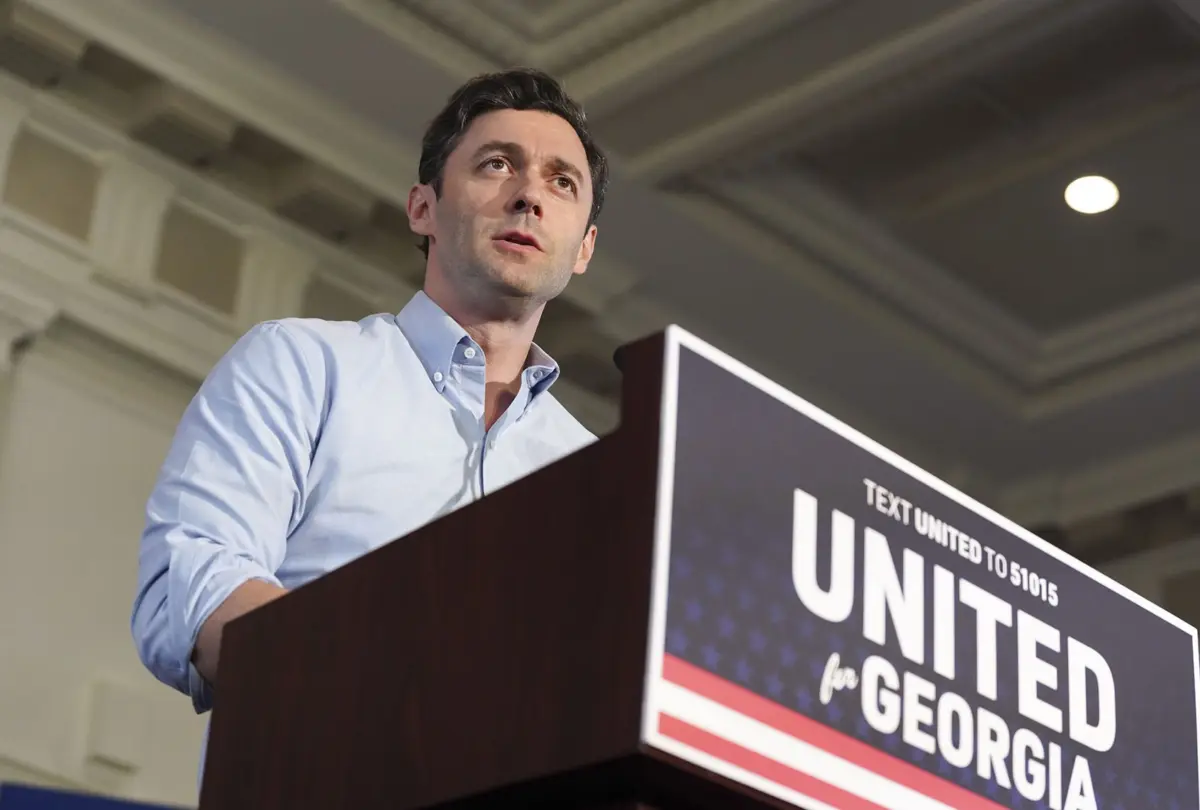
Published: November 3, 2026, 8:48 PM EST
Author: Alex Galbraith (Enriched Editorial Analysis)
Executive Overview
In a high-stakes electoral showdown that captured the attention of the entire nation, incumbent Democratic Senator Jon Ossoff successfully defended his seat on Tuesday, comfortably turning back a formidable challenge from Republican Representative Mike Collins. Projected as the winner by the Associated Press, Ossoff’s decisive victory in the battleground state of Georgia defies the historical headwinds that typically plague the party in power, especially following Donald Trump’s victory in the Peach State during the 2024 presidential election.
Initially written off by early forecasters who anticipated a brutal cycle following the 2024 results, Ossoff’s campaign executed a masterclass in localized, resilient politics. By anchoring his platform on economic populism—specifically safeguarding Affordable Care Act (ACA) subsidies during a crippling, record-setting government shutdown—Ossoff transformed what could have been a defensive battle into an assertive referendum on affordability and governance.
Beyond securing his tenure in the United States Senate, this triumph immediately thrust Ossoff into the national spotlight as a premier figure within the Democratic Party. As pundits and political strategists look toward the 2028 presidential horizon, Ossoff’s aggressive campaign style, fundraising prowess, and ability to win in a rapidly evolving Sun Belt state have significantly elevated expectations regarding a potential White House bid, even as the senator publicly demurs.
Detailed Chronology: From Vulnerable Incumbent to Definitive Victor
The Post-2024 Landscape and Early Vulnerabilities
When Donald Trump carried Georgia in the 2024 general election, conventional wisdom suggested that Jon Ossoff would face an uphill battle defending his Senate seat in the subsequent midterms. Pundits pointed to historical voting trends, lingering inflation, and a polarized electorate as vulnerabilities that an energized Republican party could exploit.
The Turning Point: The Historic Government Shutdown
The political dynamics of the race shifted dramatically during a brutal, historic government shutdown that paralyzed Washington and sent shockwaves through local economies. While congressional Republicans sought to leverage the impasse, Ossoff seized the narrative by doubling down on health care access. By making the protection of Affordable Care Act subsidies the literal bedrock of his candidacy, he directly addressed the anxieties of working-class and middle-class Georgian families facing escalating out-of-pocket medical costs.
The General Election Sprint and Collins’ Missteps
As the campaign entered its final months, Ossoff maintained a hyper-localized focus, addressing kitchen-table issues such as skyrocketing inflation, cost-of-living pressures, and foreign entanglements. He frequently slammed the Trump administration’s costly military engagement with Iran, contrasting Washington’s foreign adventures with domestic economic neglect.
Conversely, Republican challenger Mike Collins struggled to maintain momentum. Collins’ campaign was repeatedly derailed by self-inflicted controversies, including scrutiny over his congressional payroll practices and uncomfortable questions regarding his affiliations with alleged white nationalists. These missteps alienated moderate suburban voters in critical counties surrounding Atlanta, effectively handing Ossoff a broader coalition of independents and disaffected Republicans.
Supporting Context & Metrics: The Anatomy of a Sun Belt Victory
Economic Populism and Health Care Realities
Ossoff’s strategic decision to stake his political future on health care affordability proved prescient. Polling data throughout the cycle indicated that healthcare costs and inflation remained the top priorities for Georgia voters. By championing ACA subsidies, Ossoff successfully framed the election as a choice between protecting everyday families or enabling corporate and partisan excess.
The Rhetorical Shift: Embracing the "Fighter" Persona
Long regarded as a polished, data-driven moderate in the traditional mold, Ossoff’s 2026 campaign revealed a markedly sharper, more combative edge. Adopting a fighter’s stance similar to fellow progressive firebrands, Ossoff discarded cautious political platitudes in favor of direct, unvarnished critiques of his opponents.
This pivot occasionally raised eyebrows among centrist commentators who clung to antiquated notions of bipartisan decorum. However, it resonated powerfully with a Democratic base craving aggressive pushback against conservative policies. A notable moment occurred in August at a packed campaign stop, where Ossoff skewered the administration’s priorities:
"So [Trump] doesn’t want to do this job," Ossoff told roaring crowds. "He wants to build his ballroom and travel with Natalie on their apparently defenseless flying palace gifted by the Emir of Qatar."
By refusing to shy away from direct confrontation, Ossoff energized grassroots volunteers and captured critical media mindshare, proving that Democrats could match Republican populist energy without abandoning substantive policy arguments.
Official Statements and Reactions
While official victory speeches and formal concessions rolled in late Tuesday evening from campaign headquarters across Decatur and Atlanta, political figures from both sides of the aisle weighed in on the profound implications of the Georgia contest.
- The Ossoff Campaign: Emphasizing a mandate for economic fairness, campaign surrogates reiterated that the senator’s primary focus remains delivering for the people of Georgia. "Jon ran on a simple premise: that public service is about lowering costs, protecting health care, and fighting for working families every single day," said a senior campaign advisor on condition of anonymity. "Tonight, Georgia voters validated that vision."
- Republican Response: Observers from the opposing camp pointed to local structural challenges and the unique nature of midterm dynamics. While acknowledging the disappointment of the loss, national party strategists noted that Georgia remains a fiercely contested battleground where candidate quality and national macro-trends heavily dictate outcomes.
- Democratic Strategists: Privately and publicly, national Democratic leaders expressed awe at Ossoff’s execution. By holding a crucial Sun Belt seat in a challenging fiscal and political climate, Ossoff has cemented his status as a masterclass operator in contemporary electoral politics.
Future Outlook: The 2028 Presidential Speculation
With his Senate seat secured for another six years, the inevitable question confronting Jon Ossoff is whether he will translate his proven electoral appeal into a national presidential campaign for 2028.
Ossoff has consistently sought to downplay these rumors, stating publicly that he harbors "zero interest in running for president." However, political historians and modern campaign veterans note that denials of this nature are standard operating procedure for rising political stars focused on their immediate legislative duties.
As Ossoff delivers his victory speech, every inflection, policy emphasis, and stylistic choice will be meticulously analyzed by national pundits seeking to divine his long-term intentions. Whether he chooses to focus entirely on his growing influence in the United States Senate—where he can shape national policy on healthcare, economics, and foreign oversight—or eventually heeds the call of a national constituency, one reality is indisputable: Jon Ossoff has positioned himself as an indispensable leader of the Democratic Party’s next generation. His victory in Georgia is not merely the end of a grueling midterm battle; it is the opening chapter of a much larger national political narrative.
