

Executive Overview
In a breakthrough that could fundamentally shift how medical science approaches metabolic and gastrointestinal disorders, researchers at Michigan Medicine have successfully reversed a severe form of fatty liver disease in animal models. Rather than focusing exclusively on the liver—the organ where the damage ultimately manifests—the investigative team targeted an unexpected and distant culprit: the gut.
The experimental compound at the center of this discovery, known as DT-109, is a glycine-based tripeptide that tackles metabolic dysfunction-associated steatohepatitis (MASH) by systematically modulating gut microbiota, fortifying the intestinal lining, and intercepting inflammatory toxins before they can infiltrate the bloodstream.
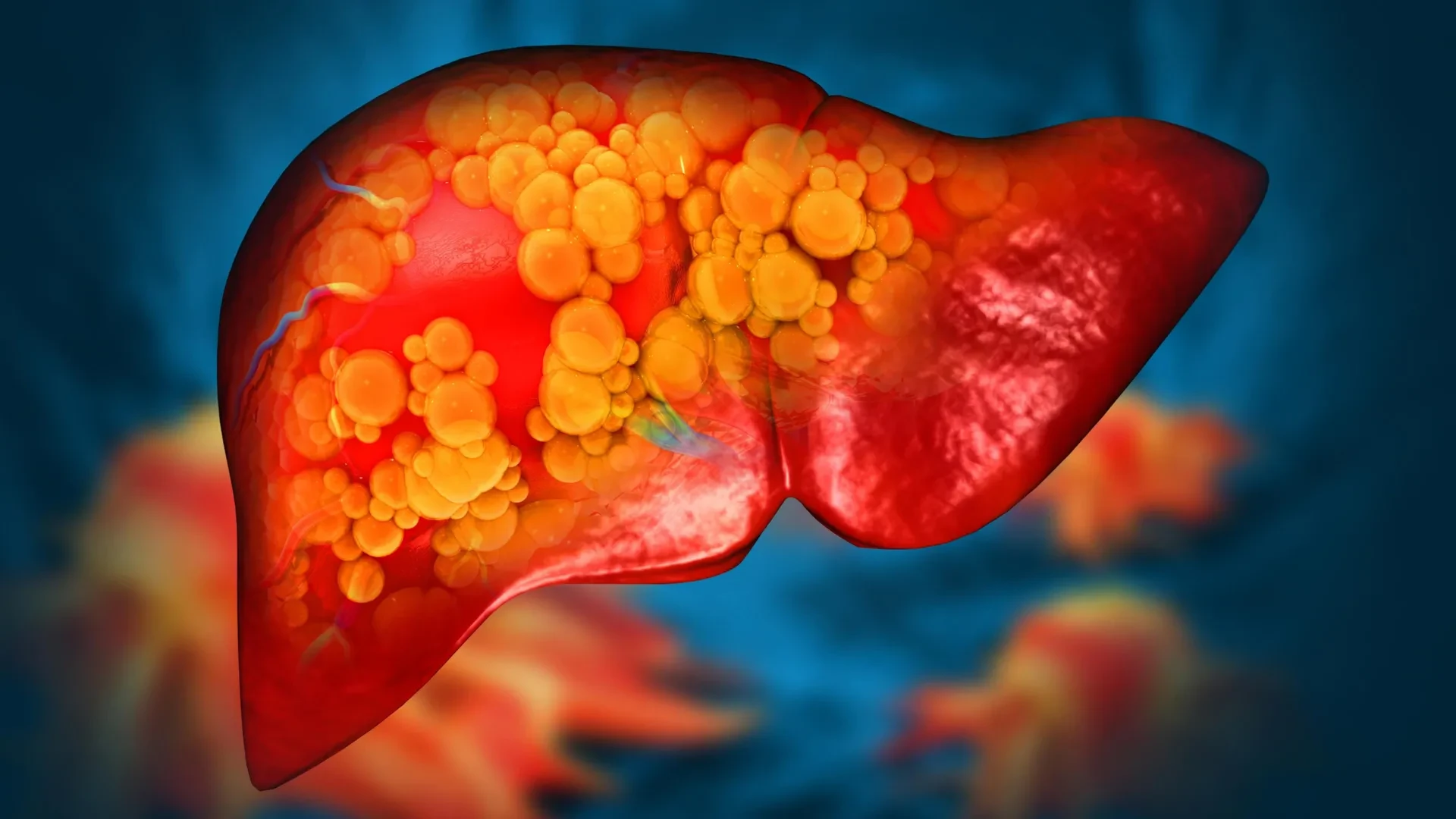
MASH is a debilitating, progressive condition affecting approximately 7% of the global population. Characterized by excessive hepatic fat accumulation, chronic inflammation, and cellular degradation, it frequently spirals into irreversible cirrhosis, liver failure, or hepatocellular carcinoma. Therapeutic options remain strictly limited, leaving millions of patients vulnerable to advanced liver disease.
However, by illuminating the mechanics of the gut-liver axis, the Michigan Medicine team has demonstrated that repairing the gastrointestinal barrier can trigger profound healing cascades in the liver. Published in The Journal of Clinical Investigation, these findings open a promising new avenue for therapeutic intervention. While the compound has shown remarkable efficacy in mice and nonhuman primates, it remains experimental, with clinical trials required to determine its safety and efficacy in human populations.
Detailed Chronology
The discovery of DT-109’s therapeutic potential is the culmination of years of targeted investigation into the biochemical intersections of metabolism, microbiology, and cardiovascular health.
Phase I: Identifying the Molecule and Initial Efficacy
In earlier foundational work, Dr. Eugene Chen’s research team at the University of Michigan Medical School identified that DT-109—a small molecule synthesized from three amino acids (a tripeptide)—could measurably improve MASH parameters in animal models. While the phenotypic improvements were clear, the precise pharmacological mechanisms remained elusive. How could a small peptide, acting primarily within the gastrointestinal tract, produce such dramatic protective effects in an entirely different organ system?
Phase II: Unmasking the Gut-Liver Axis Pathway
To decode this mechanism, the researchers initiated a granular study into the microbiome’s role in MASH pathogenesis. They isolated a critical biological trigger: the abnormal proliferation of Clostridium perfringens, a pathogenic bacterium within the intestines known for synthesizing high levels of ammonia.
As ammonia concentrations surge inside the digestive tract, they chemically degrade the gut epithelial barrier. This specialized lining acts as a biological sieve, designed to absorb nutrients while barring toxins, microbes, and metabolic waste from entering the systemic circulation. As Clostridium perfringens breaks down this barrier, the intestinal wall becomes permeable—a phenomenon often referred to as "leaky gut."
Through this compromised barrier, gut-derived microbial products, endotoxins, and ammonia escape into the bloodstream, migrating directly to the liver via the portal vein. Upon arrival, these foreign agents provoke a hyper-reactive immune response, notably overactivating CD8+ T cells. While these immune cells normally defend the body against pathogens, their chronic, dysregulated activation inside a fatty liver accelerates severe inflammation, tissue scarring, and cellular death characteristic of MASH.
Phase III: Intervention and Reversal in Animal Models
Armed with this mechanistic map, the researchers deployed DT-109 across rigorous animal trials involving both murine models and nonhuman primates. The results were striking:
- Microbiome Modulation: DT-109 systematically suppressed populations of Clostridium perfringens, subsequently reducing intestinal ammonia production.
- Barrier Repair: By lowering local toxicity, the compound restored the structural integrity of the gut epithelial barrier, choking off the systemic influx of microbial metabolites.
- Hepatic De-escalation: With the influx of pro-inflammatory toxins halted, liver inflammation subsided, and the pathological markers of MASH were successfully reversed.
Significantly, the success of the drug in nonhuman primates—whose digestive anatomy, gut microbiota, and metabolic physiology closely mirror those of humans—elevates the scientific credibility of the findings and bridges a vital translational gap toward human clinical applications.
Supporting Context & Metrics
To fully understand the gravity of this discovery, it is essential to examine the epidemiological burden of MASH, the biological complexity of the gut-liver axis, and the broader systemic potential of DT-109.
The Global Burden of MASH
- Prevalence: MASH impacts roughly 7% of the worldwide population, translating to hundreds of millions of affected individuals.
- Disease Trajectory: Beginning as simple steatosis (fat accumulation), the disease advances to steatohepatitis (inflammation and cell injury), which can progress over years or decades into fibrosis, cirrhosis, and end-stage liver failure.
- Therapeutic Gap: Despite incremental advancements in pharmacology, effective disease-modifying therapies remain severely constrained, leaving clinicians searching for strategies that halt or reverse tissue scarring before it becomes fatal.
Decoding the Gut-Liver Axis
The gut-liver axis represents an intimate physiological and vascular partnership. Approximately 75% of the blood supply to the liver arrives directly from the gastrointestinal tract via the portal vein. Consequently, the liver is the primary organ exposed to everything absorbed by the intestines, including nutrients, gut-derived hormones, microbial metabolites, and bacterial toxins. When gut homeostasis is disrupted—a state known as dysbiosis—the liver bears the brunt of the systemic fallout. By treating the gastrointestinal tract as the primary therapeutic target, researchers are shifting paradigms: healing the gut acts as an effective shield for the liver.
Beyond the Liver: Cardiovascular and Systemic Implications
Intriguingly, the therapeutic reach of DT-109 may extend far beyond hepatology. Previous investigations have shown that the tripeptide can reduce atherosclerotic plaque formation and inhibit vascular calcification in nonhuman primates.
- Atherosclerosis: The accumulation of fatty deposits within arterial walls that restricts blood flow and drives heart attacks and strokes.
- Vascular Calcification: The hardening of blood vessels due to mineral deposits, reducing cardiovascular elasticity.
Because metabolic syndromes rarely afflict a single organ in isolation, a compound capable of concurrently ameliorating MASH, dampening systemic inflammation, and protecting the cardiovascular vasculature represents a powerful multitarget therapeutic candidate. Furthermore, researchers are actively exploring whether DT-109’s barrier-strengthening properties could offer relief for patients suffering from inflammatory bowel diseases (IBD), such as Crohn’s disease and ulcerative colitis.
Official Statements
The implications of this research have drawn commentary from leading figures within the University of Michigan academic and clinical communities.
"We see clear evidence that DT-109 protects the gut epithelial barrier, reducing the systemic influx of harmful microbial products that are thought to contribute to MASH development and progression. This compound shows benefits to the gastrointestinal system and has great potential as a treatment for MASH."
— Eugene Chen, M.D., Ph.D., Senior author of the study and Frederick G. L. Huetwell Professor of Cardiovascular Medicine at the University of Michigan Medical School.
Highlighting the unique positioning of the drug along the gastrointestinal-hepatic pathway, co-author Dr. Jifeng Zhang elaborated on its systemic dynamics:
"DT-109 connects microbiota modulation with liver protection by restoring gut barrier integrity and limiting the systemic translocation of ammonia and other pro-inflammatory microbial products within the gut-liver axis. We also found that DT-109 primarily acts in the gastrointestinal tract, but its reach stretches much further."
— Jifeng Zhang, Ph.D., Research Professor of Cardiovascular Medicine at U-M Medical School.
From a clinical perspective, the discovery offers fresh optimism for hepatologists who manage advanced metabolic liver diseases on a daily basis:
"This study presents novel evidence about the pathogenesis of MASH and provides excitement about a therapeutic avenue to explore for a condition that remains difficult to treat. What patients with MASH need is a safe and effective therapy capable of improving their liver and heart health—of course we are excited about these developments."
— Elliot Tapper, M.D., Academic Director of Hepatology at Michigan Medicine.
Future Outlook
While the preclinical data generated in animal and nonhuman primate models is undeniably robust, the transition from laboratory discovery to clinical reality demands rigorous, methodical progression.
The Path to Human Clinical Trials
The immediate priority for the Michigan Medicine research team and collaborating entities is the preparation and execution of human clinical trials. These studies will be vital to answering several critical questions:
- Safety and Tolerability: Establishing whether DT-109 can be administered safely to human patients across varying stages of MASH without adverse off-target effects.
- Pharmacokinetics: Confirming whether the compound modulates the human microbiome and reinforces the intestinal epithelial barrier in a manner consistent with the animal data.
- Dosing and Efficacy: Determining optimal therapeutic dosages capable of safely reversing hepatic steatosis and inflammation in human subjects.
Commercialization and Governance
The intellectual property surrounding DT-109 is held by the University of Michigan, which has licensed the patent to Diapin Therapeutics. Diapin supplied the experimental compound for the current study and is actively spearheading its ongoing preclinical and clinical development pipeline.
Inventors listed on the core patent—including Ying Zhao, Oren Rom, Jifeng Zhang, and Dr. Y. Eugene Chen—maintain financial and ownership interests in Diapin Therapeutics alongside the university, establishing a direct pipeline from academic discovery to commercial biotechnology translation.
Regulatory and Ethical Compliance
All experimental protocols involving nonhuman primates and murine models underwent strict institutional review and adhered to the highest ethical standards. Procedures were sanctioned by the Laboratory Animal Care Committee of Xi’an Jiaotong University and the Institutional Animal Care and Use Committee of Spring Biological Technology Development Co., Ltd., strictly complying with the National Institutes of Health Guide for the Care and Use of Laboratory Animals.
Furthermore, preparatory human protocol frameworks have received clearance from multiple institutional review boards, including the First Affiliated Hospital of Xi’an Jiaotong University, Jinan University, and the University of Hong Kong/Hospital Authority Hong Kong West Cluster, laying the groundwork for future human trials.
Conclusion
Should upcoming clinical trials corroborate the findings observed in animal models, DT-109 could redefine the pharmacological management of metabolic dysfunction-associated steatohepatitis. By treating the gut to heal the liver, Michigan Medicine’s pioneering research introduces a transformative blueprint for combating some of the most complex, multi-systemic diseases of the modern era.