

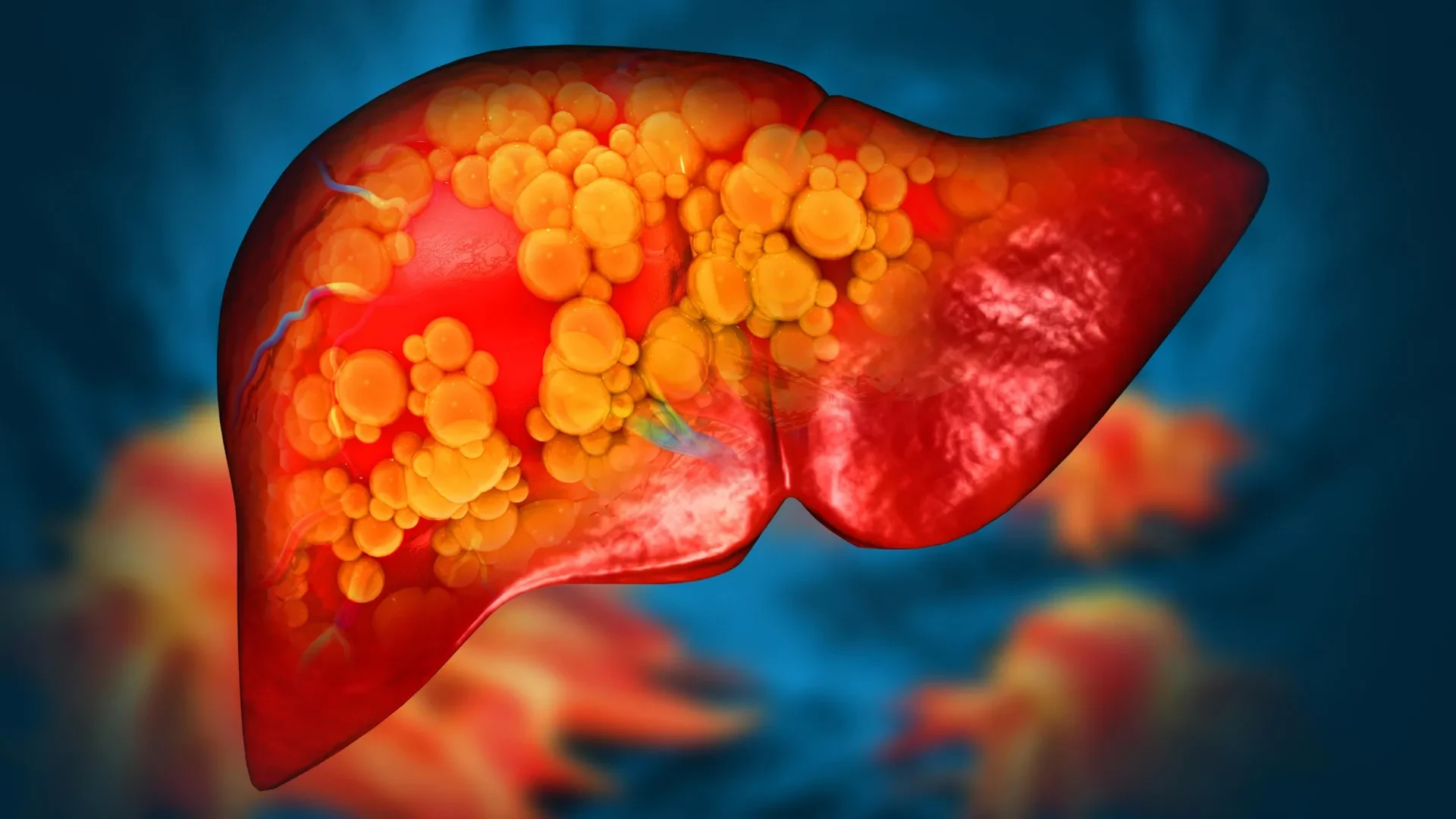
Executive Overview
In the ongoing battle against metabolic diseases, a major paradigm shift may be on the horizon. Researchers at Michigan Medicine have successfully reversed a severe, notoriously difficult-to-treat form of fatty liver disease in animal models using an experimental compound that targets an unexpected anatomical location: the gastrointestinal tract.
The drug, a glycine-based tripeptide designated as DT-109, attacks metabolic dysfunction-associated steatohepatitis (MASH)—a progressive, inflammatory liver condition—not by acting directly on liver tissue, but by remodeling the gut microbiome, reinforcing the intestinal epithelial barrier, and halting a dangerous chain reaction of microbial toxins.
Published in The Journal of Clinical Investigation, these groundbreaking findings illuminate the intricate mechanics of the gut-liver axis. By demonstrating that a therapeutic agent operating primarily within the digestive system can successfully reverse advanced hepatic damage, this research opens unprecedented avenues for treating MASH, which currently impacts approximately 7% of the global population. As researchers prepare to transition this compound toward human clinical trials, the medical community stands on the precipice of a transformative strategy for managing metabolic and cardiovascular disorders.
Detailed Chronology & Scientific Discovery
To fully grasp the magnitude of the Michigan Medicine discovery, one must trace the step-by-step unraveling of how a localized gut disturbance cascades into systemic organ failure.
1. Unmasking the Culprit: Gut Bacteria and Ammonia
Before evaluating the therapeutic potential of DT-109, Dr. Eugene Chen’s research team at the University of Michigan Medical School needed to decode the precise mechanism by which the gut microbiome influences liver pathology. Prior work had established that DT-109 could improve MASH symptoms in animal models, but the underlying pathways remained shrouded in mystery.
Through rigorous microbiological and biochemical analyses, the team zeroed in on a critical instigator: the excessive proliferation of Clostridium perfringens. This specific bacterial strain thrives in unbalanced intestinal environments and produces substantial quantities of ammonia as a metabolic byproduct.
2. Compromising the Intestinal Barrier
When localized ammonia concentrations surge within the intestinal lumen, they exert a toxic effect on the gut’s structural integrity. Specifically, high ammonia levels degrade the epithelial tight junctions—the microscopic cellular seals that form the gut’s protective inner lining.
Under normal physiological conditions, this intestinal barrier acts as a selective gatekeeper. It absorbs essential nutrients while blocking potentially harmful luminal antigens, bacterial toxins, and microbial metabolites from leaking into the bloodstream. However, as Clostridium perfringens overgrowth weakens this barrier, its permeability increases drastically—a phenomenon commonly referred to as "leaky gut."
3. Activating the Systemic Cascade
With the intestinal defense compromised, microbial byproducts and toxins cross the mucosal boundary and enter the portal circulation, traveling directly to the liver. Once inside the hepatic microenvironment, these rogue microbial signals provoke intense inflammation and hyper-activate the body’s immune defenses.
Notably, this triggers the excessive proliferation and over-activation of CD8+ T cells. While these immune cells normally serve a protective function by destroying infected or mutated cells, their over-activation within the liver accelerates chronic inflammation, cellular apoptosis, and the fibrotic scarring characteristic of MASH.
4. DT-109: Interrupting the Cycle
Armed with this mechanistic map, researchers tested DT-109—a small, highly specialized molecule composed of three amino acids (a tripeptide)—to see how it could interrupt this destructive loop.
In controlled trials spanning both murine (mouse) models and nonhuman primates, administration of DT-109 dramatically suppressed the population of Clostridium perfringens and curtailed intestinal ammonia production. By mitigating the primary source of mucosal irritation, the compound allowed the intestinal lining to repair itself.
Consequently, systemic translocation of inflammatory microbial products dropped precipitously. Without a continuous influx of gut-derived toxins, hepatic inflammation subsided, and the structural manifestations of MASH were effectively reversed.
Supporting Context & Metrics: The Scale of MASH and the Gut-Liver Axis
The Global Burden of MASH
Metabolic dysfunction-associated steatohepatitis (MASH)—formerly known as nonalcoholic steatohepatitis (NASH)—is far more than simple fat accumulation in the liver. It represents a destructive pathological spectrum:
- Prevalence: MASH affects roughly 7% of the global population, representing hundreds of millions of individuals worldwide.
- Pathological Progression: Unchecked excess fat accumulation causes chronic cellular injury and inflammation. Over time, this progresses to cirrhosis (extensive, irreversible liver scarring), liver failure, and hepatocellular carcinoma (liver cancer).
- Therapeutic Shortfalls: Although modern pharmacology has introduced incremental improvements, fully effective and widely accessible therapies capable of reversing advanced MASH remain severely limited, leaving clinicians searching for paradigm-shifting alternatives.
Understanding the Gut-Liver Axis
The anatomical and functional bridge between the gastrointestinal tract and the liver is known as the gut-liver axis.
- Direct Vascular Link: Blood draining from the intestines does not return directly to the general circulation; instead, it flows entirely through the portal vein straight into the liver.
- Vulnerability: Because of this direct pipeline, the liver is the first major organ exposed to everything absorbed by the gut—including nutrients, metabolic byproducts, gut hormones, and, crucially, microbial toxins.
- Therapeutic Implications: By recognizing that liver health is inextricably linked to gut barrier integrity, researchers can bypass conventional, liver-centric drug delivery methods. Treating the gut to heal the liver represents an elegant inversion of traditional pharmacology.
Official Statements & Expert Insights
The implications of this study have resonated strongly throughout the academic and clinical communities at Michigan Medicine.
"We see clear evidence that DT-109 protects the gut epithelial barrier, reducing the systemic influx of harmful microbial products that are thought to contribute to MASH development and progression. This compound shows benefits to the gastrointestinal system and has great potential as a treatment for MASH."
— Eugene Chen, M.D., Ph.D., Senior author of the study and Frederick G. L. Huetwell Professor of Cardiovascular Medicine, University of Michigan Medical School.
The bridging of microbiology and hepatology underscores the complexity of modern multi-system disorders. Co-author Dr. Jifeng Zhang elaborated on the systemic reach of a localized intervention:
"DT-109 connects microbiota modulation with liver protection by restoring gut barrier integrity and limiting the systemic translocation of ammonia and other pro-inflammatory microbial products within the gut-liver axis. We also found that DT-109 primarily acts in the gastrointestinal tract, but its reach stretches much further."
— Jifeng Zhang, Ph.D., Research Professor of Cardiovascular Medicine, U-M Medical School.
From a clinical care perspective, the urgency for safe, multi-organ therapeutic interventions cannot be overstated. Dr. Elliot Tapper highlighted the clinical enthusiasm surrounding these preclinical breakthroughs:
"This study presents novel evidence about the pathogenesis of MASH and provides excitement about a therapeutic avenue to explore for a condition that remains difficult to treat. What patients with MASH need is a safe and effective therapy capable of improving their liver and heart health—of course we are excited about these developments."
— Elliot Tapper, M.D., Academic Director of Hepatology, Michigan Medicine.
Future Outlook: Beyond MASH and Toward Human Trials
While the reversal of MASH in nonhuman primates—whose gut microbiomes and hepatic anatomies closely mirror those of humans—is a monumental scientific milestone, researchers emphasize a crucial caveat: DT-109 remains an experimental drug.
1. Navigating the Path to Clinical Trials
The immediate priority for the Michigan Medicine research team and affiliated stakeholders is the translation of these preclinical findings into formal human clinical trials. These upcoming trials will be meticulously designed to evaluate:
- Pharmacokinetics and Safety: Ensuring that the tripeptide is well-tolerated by human subjects without adverse systemic side effects.
- Efficacy in Patients: Confirming whether the gut-repairing and liver-protecting properties observed in animals translate into sustained clinical improvement for human MASH patients.
2. Broad Horizons: Cardiovascular and Intestinal Applications
Beyond fatty liver disease, the protective mechanisms of DT-109 may extend into other prevalent metabolic pathologies:
- Atherosclerosis and Vascular Calcification: Previous studies have indicated that DT-109 can suppress the formation of atherosclerotic plaques (fatty deposits inside artery walls) and prevent vascular calcification in nonhuman primates. Because metabolic disorders frequently co-occur with cardiovascular disease, a single compound capable of protecting both the liver and the vascular system could revolutionize cardiometabolic care.
- Inflammatory Bowel Disease (IBD): Because barrier dysfunction is a hallmark of chronic gastrointestinal disorders such as Crohn’s disease and ulcerative colitis, researchers are investigating whether DT-109’s tissue-repairing capabilities could offer relief to IBD patients, though targeted studies will be required to confirm this hypothesis.
3. Intellectual Property and Commercialization
As the drug advances toward clinical deployment, institutional frameworks are already in place. Ying Zhao, Oren Rom, Jifeng Zhang, and Y. Eugene Chen are named inventors on a patent application entitled "Tripeptides and treatment of metabolic, cardiovascular, and inflammatory disorders."
The University of Michigan holds the foundational patent for DT-109 and has licensed the compound to Diapin Therapeutics, an enterprise in which both Dr. Chen and the University maintain an ownership interest. Diapin supplied the experimental compound for the study and will spearhead its continued clinical development.
Conclusion
The Michigan Medicine discovery marks a watershed moment in metabolic research. By shifting the clinical gaze away from the damaged organ itself and toward the microbiome-gut barrier axis, scientists have mapped a viable, highly innovative pathway to reverse severe fatty liver disease. If forthcoming human trials mirror the profound success seen in animal models, DT-109 may soon offer millions of MASH patients worldwide a new lease on life—protecting their livers, safeguarding their hearts, and redefining the boundaries of modern therapeutics.