

Executive Overview
An investigative report by ProPublica has exposed the extent of White House involvement in attempting to fundamentally reshape the processing of mail-in ballots ahead of the midterm elections. While a Supreme Court intervention ultimately blocked a controversial executive order issued by President Donald Trump, internal administration discussions—revealed through confidential sources and leaked records—point to a broader, highly aggressive strategy.
The strategy originally envisioned by administration officials extended far beyond the finalized directives. Early proposals floated within the West Wing included mandating certified mail for all ballots—a requirement that would have forced voters to be physically present to sign for delivery, virtually dismantling mail-in voting infrastructure. Though that extreme measure was shelved due to insurmountable opposition from the United States Postal Service (USPS), the administration proceeded with an executive order that thrust postal workers into the unprecedented role of election gatekeepers.
The directive, unveiled in March, sought to leverage postal operations to screen voters, manage ballot tracking, and enforce strict eligibility criteria under the coordination of Commerce Secretary Howard Lutnick. The resulting fallout triggered deep institutional anxiety within the USPS, leading to internal dissension, a rushed and error-prone implementation phase, multiple lawsuits from civil rights groups and Democratic-led states, and a stark test of the postal agency’s statutory independence.
Detailed Chronology: From Concept to Courtroom
Fall 2025: Initial Overtures and the Certified Mail Proposal
The administrative push regarding mail-in voting began in the fall of 2025, when White House officials contacted USPS leadership under the guise of exploring ways to improve the integrity of mail-in voting. Trump, who has frequently claimed without evidence that mail ballots are "inherently corrupt" despite casting them himself, sought to implement tighter controls over how votes transit through the postal network.
According to sources familiar with the administration’s early internal deliberations, the White House initially floated a radical idea: requiring all ballots to be sent exclusively via certified mail. Had it been enacted, this policy would have required voters to be home to sign for their ballots, a logistical nightmare that postal officials warned would completely cripple timely delivery. Vehement pushback from the Postal Service eventually forced the administration to abandon the certified-mail concept, pushing them to pursue an alternative executive order.
March 2026: The Executive Order and the Exclusion of USPS Lawyers
Even after the certified mail plan was scrapped, White House officials continued drafting what would become the final executive order, intentionally cutting out Postal Service lawyers during critical phases of the process. Issued in March 2026 under the title "Ensuring Citizenship Verification and Integrity in Federal Elections," the order shocked legal experts and postal veterans alike.
Rather than acting merely as a delivery mechanism, the order mandated that postal workers serve as a frontline filter, determining which ballots could be delivered based on state voter lists. Furthermore, the directive bypassed traditional channels by placing Commerce Secretary Howard Lutnick—who holds no formal oversight authority over the USPS—in a central coordination and advisory role regarding its execution.
Summer 2026: Bureaucratic Resistance, Whistleblower Alarms, and Final Rules
As legal challenges piled up from civil rights groups and coalitions of Democratic-led states, the USPS Board of Governors faced mounting pressure to resist the directive. However, a June 2026 Supreme Court decision expanding executive authority to remove leaders of independent agencies left governors hesitant to openly challenge the White House, fearing swift retaliation.
Appointed at Trump’s behest in mid-2025, Postmaster General David Steiner directed agency leadership to prepare for compliance. Career postal officials, alarmed by the potential for mass voter disenfranchisement, attempted to water down the rules during internal drafting. They proposed collecting state voter lists without forcing rank-and-file postal workers to actively cross-reference them against individual ballots. The White House firmly rejected the compromise, insisting that even minor discrepancies in a bulk mailing—such as a handful of unaligned addresses out of a million—should result in the rejection of the entire batch.
On August 21, 2026, the USPS released a sprawling 95-and-page final rule detailing how it would operationalize the executive order, just weeks before ballots were scheduled to ship. A whistleblower complaint released the same month warned that the hastily constructed tracking system was error-prone and untested, threatening widespread administrative chaos.
September 2026: The Supreme Court Reprieve
The crisis reached a temporary head on September 14, 2026, when the Supreme Court blocked the executive order, halting the imminent disruption to the midterm election cycle. While the ruling averted immediate chaos, it laid bare deep institutional fractures regarding the independence of federal agencies under political pressure.
Supporting Context & Metrics: The Scale of Mail-In Voting
To understand the magnitude of the White House’s intervention, it is necessary to examine the sheer volume and operational reliability of mail-in voting within the American electoral system:
- Massive Adoption: Nearly one-third (approximately 33%) of all votes cast in the 2022 and 2024 federal elections were submitted via mail.
- Systemic Reliability: Independent audits conducted by the USPS Office of Inspector General and various election watchdogs have consistently shown that the postal network handles the vast majority of election mail securely, though occasional localized delays or lost ballots occur.
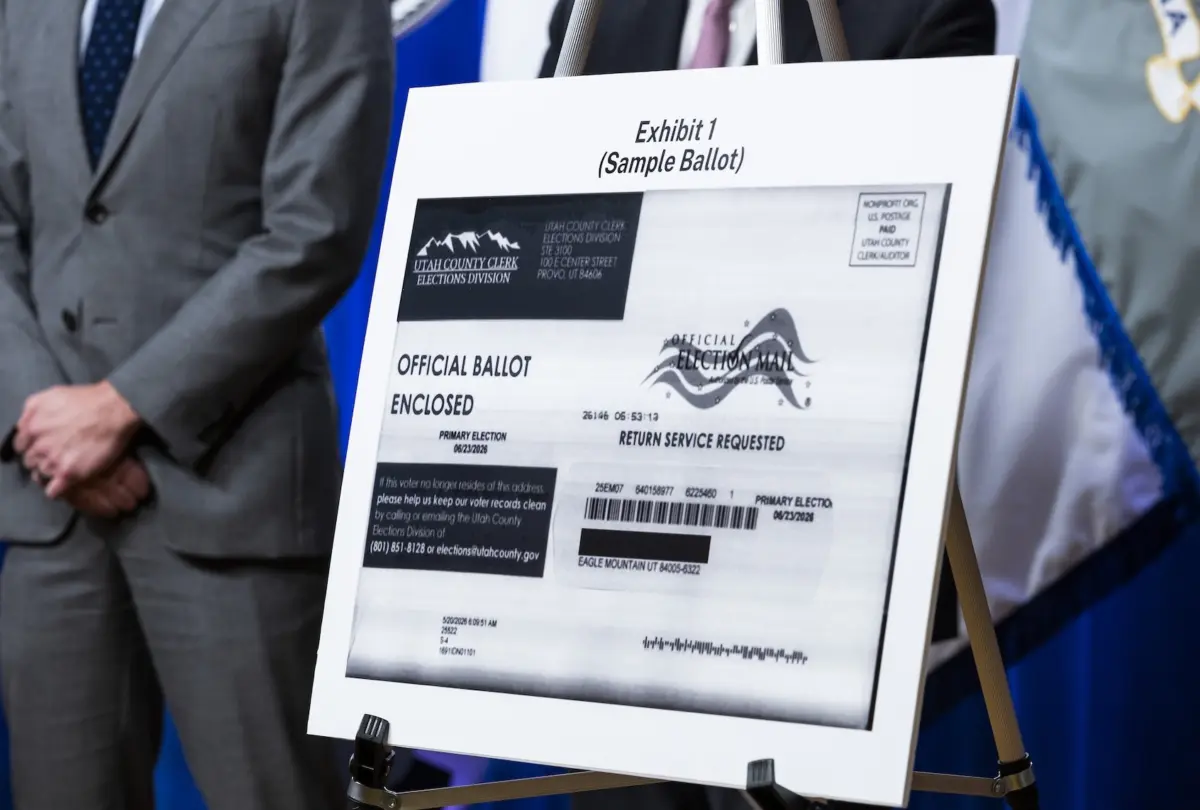
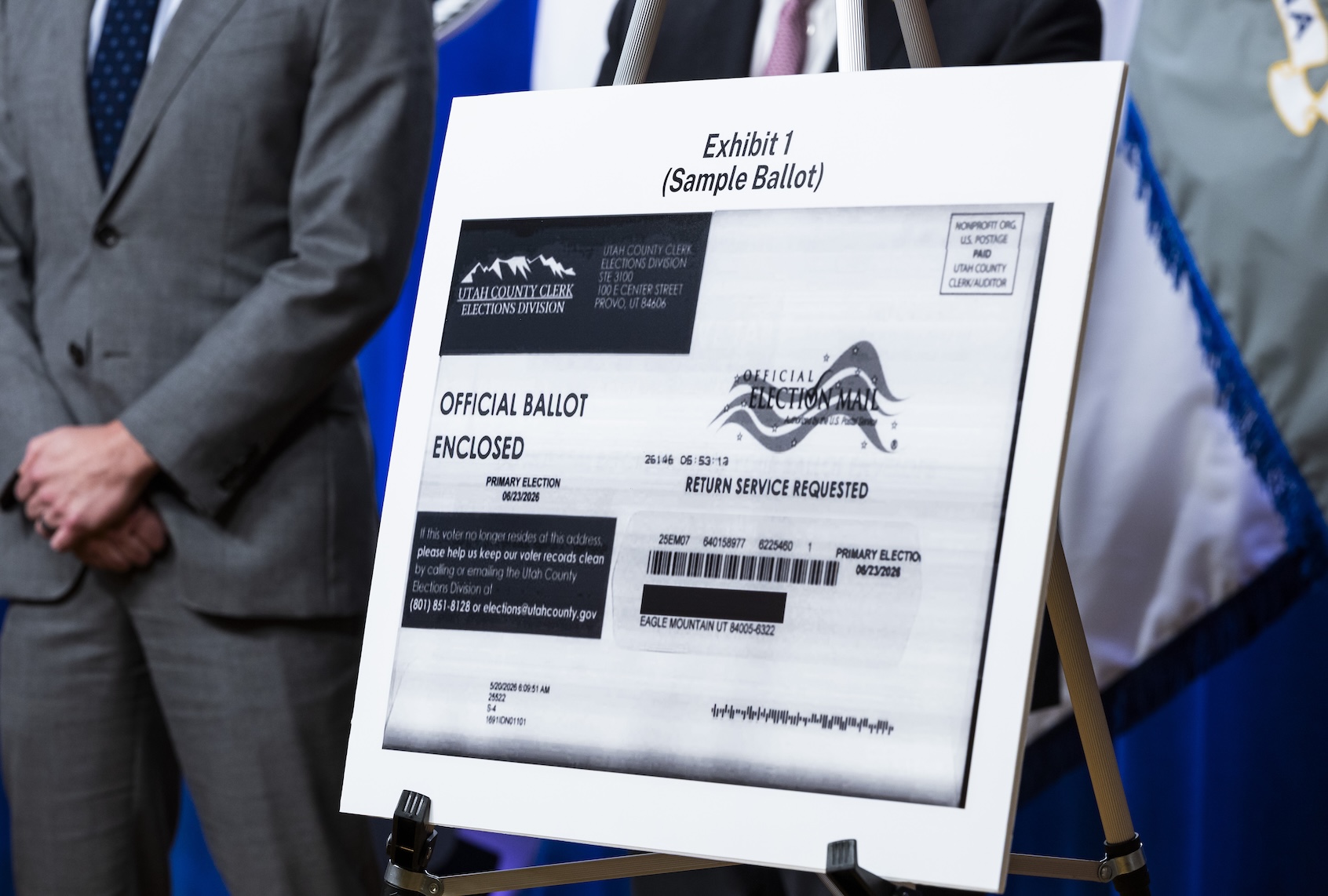
- Standardization Efforts: Prior to the executive order, career postal officials had long advocated for common-sense, bipartisan recommendations—such as standardized ballot envelopes with scannable barcodes and distinct logos—to help separate election mail from standard first-class mail. A federal bill aiming to codify these measures stalled in the Senate in 2024.
- Jurisdictional Complexity: Implementing the administration’s mandated envelope designs and data-matching portals required rapid coordination across nearly 10,000 distinct local voting jurisdictions in a matter of weeks—a timeline career officials deemed impossible.
Official Statements and Stakeholder Perspectives
The fallout from the White House’s directive has generated sharp divisions among federal officials, union leaders, and executive representatives:
- The White House: Defending the administration’s actions, White House spokesperson Lauren Bis stated that the executive order introduced "important safeguards to vote-by-mail" designed to protect security and ensure that only American citizens participate in federal elections. Bis also dismissed claims that the certified-mail proposal was unworkable, asserting that it played no role in the decision to shift strategies.
- Postal Management: Postmaster General David Steiner emphasized the agency’s commitment to the democratic process, stating in an earlier release, "Postal employees take great pride in their responsibility to support the democratic process. We will continue to approach that responsibility with the care, professionalism, and dedication that voters and election officials expect."
- Postal Labor Unions: Jonathan Smith, president of the American Postal Workers Union, offered a harsh critique of the administration’s motivations and the agency’s response. "The ultimate goal was to create chaos and doubt in the vote-by-mail process," Smith said. "You’re creating a rule to solve a problem that doesn’t exist." Smith also criticized USPS leadership for relying solely on the courts to stop the mandate, characterizing it as "a dangerous calculation, and a clear lack of courage and integrity."
- The Department of Commerce: A spokesperson for the Department of Commerce confirmed Secretary Howard Lutnick’s advisory role in drafting the order, noting that "President Trump values Secretary Lutnick’s advice on many matters."
Future Outlook and Institutional Implications
The attempt by the executive branch to alter the mechanics of mail-in voting has left lasting scars on the institutional independence of the United States Postal Service. While the Supreme Court’s September ruling temporarily halted the enforcement of the controversial directive, legal scholars and election experts warn that the episode sets a dangerous precedent for future electoral administration.
The tensions between career civil servants striving to protect nonpartisan public service delivery and political appointees aiming to implement sweeping election-integrity mandates are unlikely to dissipate. As the nation looks toward future election cycles, the debate over who controls the pathways of American democracy—and whether independent agencies can withstand executive overreach—remains a central vulnerability in the nation’s electoral infrastructure.