

Executive Overview
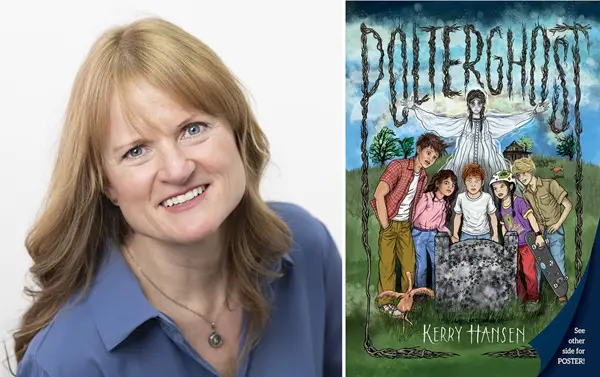
The middle-grade (MG) publishing sector stands at a critical juncture. As digital media, short-form algorithms, and ubiquitous screen access continue to reshape youth cognitive habits, traditional print literature faces unprecedented competition for young readers’ time and attention. Amidst these shifting market dynamics, a crucial perspective has emerged from the retail frontline: that of Kerry Hansen, a veteran educator with more than two decades of experience in high school and college classrooms, who now serves as an independent bookseller at Books & Company in Oconomowoc, Wisconsin.
Hansen’s dual perspective as both a front-lines educator and a hands-on book seller offers valuable insights into the changing habits of young readers. Observing firsthand how children interact with print media in an era dominated by smartphones, Hansen identifies a growing intimidation toward traditional "walls of text" and lengthy chapter structures among middle-grade audiences (typically ages 8–12). To counteract this drift, the children’s publishing ecosystem is undergoing a structural transformation, embracing hybrid storytelling methods—such as graphic novels, verse novels, and embedded digital ephemera—to re-engage reluctant readers.
Concurrently, Hansen is translating these frontline observations into creative practice. Her debut middle-grade novel, Polterghost—a narrative centering on a lonely 12-year-old who discovers a spirit in his family’s new home—is scheduled for release in January 2027 under the Charlesbridge Moves imprint. Hansen’s approach highlights a formula designed to sustain modern middle-grade readership: combining high-stakes emotional resonance, accessible formatting, spooky mysteries, and well-timed comedic relief.
Detailed Chronology
=========================================================================================================
                                CAREER & PUBLISHING TIMELINE
=========================================================================================================

[2000s–2020s] -------------------------------------------------------------------------------------------
• Educator Career: Kerry Hansen serves for over two decades as a high school and college instructor.
• Core Observation: Tracks the gradual shift in youth cognitive engagement and reading endurance.

[Transition Period] -------------------------------------------------------------------------------------
• Shift to Bookselling: Joins Books & Company in Oconomowoc, Wisconsin as an independent bookseller.
• Floor Intelligence: Gathers direct reader feedback from children, parents, and educators.

[Mid-2020s] ---------------------------------------------------------------------------------------------
• Manuscript Acquisition: Charlesbridge Moves acquires Hansen's debut middle-grade novel, 'Polterghost'.
• Industry Reporting: Featured in Publishers Weekly (August 24, 2026 issue) discussing MG trade trends.

[January 2027] ------------------------------------------------------------------------------------------
• Scheduled Publication: Debut of 'Polterghost', marking Hansen's official crossover from bookseller to author.
=========================================================================================================
The Educator Era (Late 1990s – Early 2020s)
For more than twenty years, Kerry Hansen worked directly within the educational system, guiding high school and college students through language arts and humanities curricula. During this period, educational environments underwent a dramatic shift in media consumption. The gradual adoption of personal smartphones and algorithmic media feeds fundamentally altered students’ stamina for long-form narrative text, creating a pronounced gap between confident, self-motivated readers and those who became overwhelmed by traditional literary formatting.
The Frontline Retail Transition
Transitioning from the classroom to the floor of Books & Company in Oconomowoc, Wisconsin, Hansen gained immediate access to consumer decision-making. Working as an independent bookseller allowed her to observe how children select books outside the constraints of required school reading lists. This role provided direct insights into what captivates young readers, what causes them to put books back on the shelf, and how parents navigate their children’s evolving reading abilities.
Creative Development and Acquisition
Recognizing the need for stories that balance fast pacing with deep emotional connection, Hansen authored Polterghost. The novel blends speculative ghost-story elements with real-world emotional stakes, drawing on narrative structures designed to retain reader attention. The manuscript was acquired by Charlesbridge Moves, an imprint focused on dynamic, movement-oriented literature for young audiences, setting its release date for January 2027.
Supporting Context & Metrics
The Changing Landscape of Middle-Grade Reading Habits
The trade publishing landscape for middle-grade literature is navigating a bifurcated market. On one end are voracious, self-identified readers who routinely consume 300-plus-page fantasy works featuring intricate worldbuilding. On the other end is a growing demographic of reluctant or overwhelmed readers who express hesitation when confronted with dense blocks of uninterrupted prose.
                  MIDDLE-GRADE READER DEMOGRAPHIC DIVISION

  Voracious Readers (~20-30%)              Reluctant / Hesitant Readers (~70-80%)
┌───────────────────────────────┐        ┌───────────────────────────────────────┐
│ • Seek 300+ page fantasy      │        │ • Intimidated by "walls of text"      │
│ • High narrative endurance    │   vs   │ • Attracted to visual & hybrid media  │
│ • Intricate worldbuilding     │        │ • Compete directly with screen time   │
│ • Self-driven book selection  │        │ • Require structural/pacing hooks     │
└───────────────────────────────┘        └───────────────────────────────────────┘
Key Structural Factors Influencing Middle-Grade Engagement
- Text Formatting Intimidation: Long chapters without visual breaks often increase reading friction for kids accustomed to rapid digital feeds.
- The Lure of Digital Alternatives: Mobile devices offer low-friction, high-dopamine entertainment options that directly compete with traditional print reading.
- Gateway Formats: Graphic novels and verse novels have transitioned from niche categories to critical drivers of youth literacy, offering entry points for reluctant readers.
- Epistolary and Visual Interstitials: Integrating short-form communication methods—such as text messages, emails, lists, and illustration breaks—helps break up long prose passages and maintain momentum.
The Dynamics of Age-Category Transitions
A critical friction point in youth bookselling occurs during transitional developmental stages—specifically when readers move from early chapter books into middle-grade, and subsequently from middle-grade into Young Adult (YA) literature.
┌─────────────────────────────────────────────────────────────────────────────────┐
│                       AGE CATEGORY TRANSITION MATRIX                            │
├───────────────────┬───────────────────────────┬─────────────────────────────────┤
│ Transition Stage  │ Primary Friction Point    │ Bookseller Recommendation Strategy│
├───────────────────┼───────────────────────────┼─────────────────────────────────┤
│ Middle Grade to   │ Visual Aesthetic & Cover  │ Bridge via thematic content;   │
│ Young Adult       │ Art ("Too babyish")       │ transition from middle-grade    │
│ (Ages 12–14)      │                           │ authors (e.g., Alan Gratz) to   │
│                   │                           │ accessible YA (e.g., Ruta Sepetys)│
├───────────────────┼───────────────────────────┼─────────────────────────────────┤
│ Chapter Book to   │ Page Count & Vocabulary   │ Leverage graphic novels,        │
│ Middle Grade      │ Barriers                  │ verse novels, and visual        │
│ (Ages 7–9)        │                           │ interstitials                   │
└───────────────────┴───────────────────────────┴─────────────────────────────────┘
When 12- to 13-year-olds prepare to move beyond middle-grade books, cover design often becomes a key factor. Young teens frequently reject titles with art they perceive as targeted at younger children, seeking books that reflect their growing maturity. Successful hand-selling relies on identifying the core themes an individual enjoys—such as historical fiction, action-mystery, or speculative survival—and connecting them to maturely packaged YA equivalents.
Official Statements
During an interview featured in Publishers Weekly, Kerry Hansen detailed her observations on current middle-grade trends, hand-selling strategies, and the creative choices driving her upcoming novel.
On Reader Attention and Structural Adaptation
"Kids are having trouble sustaining their attention and they’re intimidated by walls of text. The kids who are readers are always going to be readers. They’re going to go for the fantasy: the 300-page worldbuilding books. We’ve got them already. Then there are the kids who pick up a book and say, ‘Oh my gosh, these chapters are so long. My phone is so alluring!’ We need to find ways to lure those kids back in."
Hansen highlights that publishers and creators are developing concrete formatting solutions to address these attention challenges:
"I have a big stack of advance reader’s copies that are starting to do that: more novels-in-verse, and obviously graphic novels—those are the gateway to reading. Also, little things like text messages, or a list, or an email within the manuscript can break up the text."
                 FORMAT INNOVATIONS FOR MG READER RETENTION

  [Traditional Block Text]   ───►   [Modern Structural Modifications]
  • Long uninterrupted pages        • Shorter, punchier chapters
  • Dense narrative prose          • Integrated text message threads
  • Extended chapter lengths       • Epistolary lists & email logs
                                   • Novel-in-verse formatting
On Guiding Readers from Middle Grade to Young Adult
When helping readers cross the bridge into young adult literature, booksellers must balance age-appropriate content with visual branding that appeals to maturing tastes:
"We get the most questions from readers who are transitioning from one age category to another. We get the 13-year-olds who are moving to young adult. They don’t want the babyish covers of middle grade anymore. So, I ask them, ‘What did you read in middle grade?’ A kid might say Alan Gratz. So I say, ‘Well, let’s try Ruta Sepetys. Let’s try some historical.’ I take what they’ve read in middle grade and then find that next step up in young adult."
On the Mechanics of Spooky Middle-Grade Fiction
Reflecting on her creative approach for Polterghost, Hansen noted that successful scary stories for young readers balance tension with lighthearted moments:
"When I was a kid, I wanted to watch horror movies, and I wanted to read Stephen King, but I couldn’t even get past the opening credits. And then Scooby-Doo came along and that spoke to me: it’s a spooky, scary mystery but with humor. That was my main driving force for Polterghost. Kids want a little creepy but then they want some comic relief."
┌────────────────────────────────────────────────────────────────────────────────┐
│                       THE "SCOOBY-DOO" NARRATIVE BALANCING ACT                  │
├──────────────────────────────────────┬─────────────────────────────────────────┤
│ Suspense & Horror Elements           │ Tonal Counterweights                    │
├──────────────────────────────────────┼─────────────────────────────────────────┤
│ • Eerie atmospheric settings         │ • Slapstick or situational humor        │
│ • Ghostly/supernatural encounters    │ • Strong, relatable peer friendships    │
│ • Unsolved central mysteries         │ • Triumphant, reassuring resolutions   │
└──────────────────────────────────────┴─────────────────────────────────────────┘
On Permanent Themes in Youth Literature
Despite evolving formats and digital distractions, Hansen emphasizes that foundational narrative elements remain timeless:
"I’m passionate about strong characters and friendships, like in Stranger Things and Stand by Me—those bonding moments within a story. Offering different genres is important, too. Realistic stories are wonderful, but I think sometimes they need to have a little something else to pull kids in. Maybe there’s a mystery or a speculative element. For me, it’s humor."
Future Outlook
The landscape of middle-grade publishing through 2027 and beyond will likely be shaped by the ongoing interaction between traditional print storytelling and digital media habits. As Kerry Hansen’s upcoming debut Polterghost illustrates, success in this changing market requires meeting young readers where they are, both structurally and emotionally.
=========================================================================================================
                                FUTURE INDUSTRY OUTLOOK: MG PUBLISHING
=========================================================================================================

  1. FORMAT DIVERSIFICATION
     • Continued growth of hybrid graphic-prose titles and novels-in-verse.
     • Broader adoption of structural breaks (epistolary formats, embedded media) across traditional prose.

  2. CURATIONAL HAND-SELLING
     • Independent bookstores serving as critical filters to bridge reading gaps between MG and YA.
     • Focus on thematic continuation rather than strict age-band marketing.

  3. GENRE BLENDING
     • Purely realistic middle-grade fiction will increasingly incorporate speculative, mysterious, or
       humorous subplots to maximize engagement.

  4. PUBLISHING IMPRINT STRATEGIES
     • Imprints like Charlesbridge Moves positioning releases to capture the energy, pacing, and
       accessible structures demanded by modern young readers.
=========================================================================================================
Implication for Publishers and Educators
Publishers are increasingly analyzing structural layout alongside narrative prose. The success of imprints like Charlesbridge Moves demonstrates a broader industry shift toward titles that maintain steady pacing without sacrificing thematic depth. For educators and librarians, integrating varied formats—including graphic novels and verse narratives—is increasingly recognized as an effective way to build reading stamina rather than a shortcut.
Anticipation for Polterghost (January 2027)
Scheduled for publication in January 2027, Hansen’s Polterghost serves as a practical application of her bookselling insights. By pairing a accessible ghostly mystery with humor and strong character relationships, the novel offers a clear model for engaging reluctant readers. The book’s performance will provide an instructive case study in how frontline bookselling intelligence can inform middle-grade fiction in a changing media landscape.