

By the Industry Insights Editorial Desk
Published: Fall Season Analysis
Executive Overview
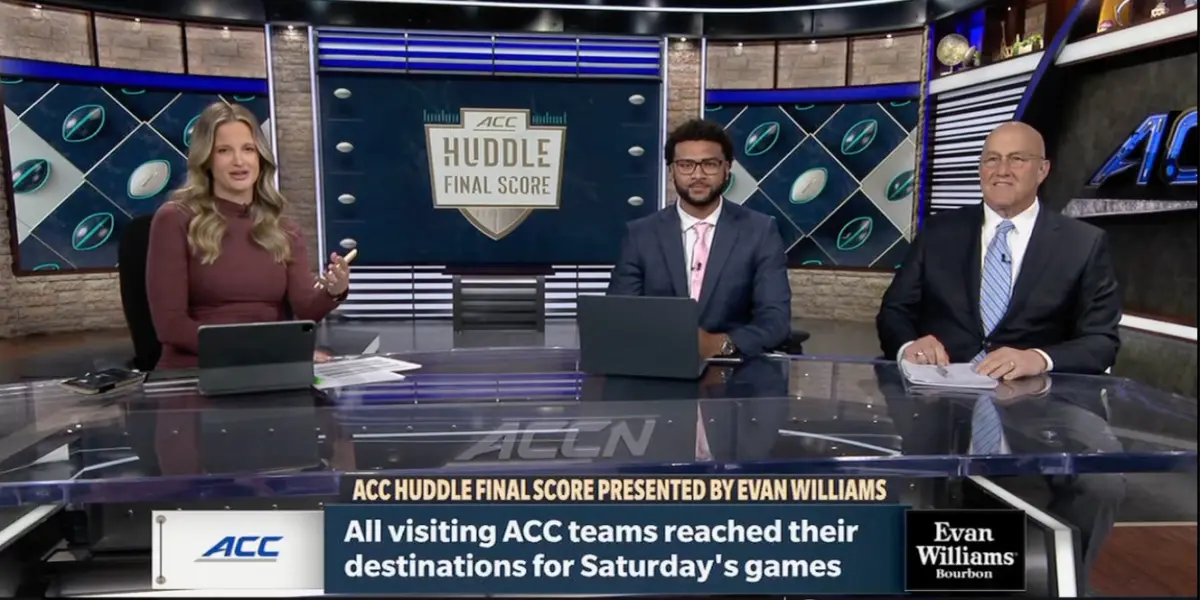
In a landmark marketing maneuver that bridges the worlds of heritage distillation and collegiate athletics, Kentucky-based bourbon brand Evan Williams has officially shattered a long-standing commercial barrier. Through a strategic partnership orchestrated alongside its advertising agency, Method1, Evan Williams has secured a premier sponsorship position across the Disney-owned ACC Network’s college football live games and studio broadcasts.
This milestone achievement makes Evan Williams the absolute first sponsor within the distilled spirits category to secure an integrated advertising position across the ACC Network’s collegiate football programming. While the evolving landscape of sports broadcasting has gradually relaxed legacy restrictions regarding alcohol advertising, this integration represents a watershed moment for spirits brands seeking mainstream, family-oriented sports properties.
Rather than a fleeting ad-buy, this activation is part of a broader, highly calculated national college football media plan that also encompasses engagements with the Big Ten. Disney representatives have confirmed that Evan Williams stands alone as the solitary advertiser within the distilled spirits category holding a presence on the ACC Network. While the broadcast landscape remains dynamic—leaving room for category expansion as the season progresses—this foundational placement effectively cements the brand’s footprint within the collegiate sports ecosystem.
This article explores the mechanics of this groundbreaking partnership, the evolving relationship between the beverage-alcohol industry and collegiate sports media, the strategic backing of agency Method1, and the broader economic ramifications for sports marketing executives navigating the modern broadcast environment.
Detailed Chronology: How the Deal Came to Life
To understand the magnitude of the Evan Williams ACC Network integration, one must examine the shifting tides of network television policy, collegiate sports monetization, and the meticulous choreography required by brand executives and media agencies.
The Changing Regulatory and Cultural Tides
For decades, broadcast networks—particularly those broadcasting collegiate sports—maintained strict internal policies regarding the advertising of distilled spirits. While beer and wine brands found steady homes during game-day broadcasts, hard liquor was traditionally relegated to late-night slots or barred entirely due to perceived sensitivities surrounding college demographics and institutional partnerships.
However, as broadcast revenues faced mounting pressures and streaming platforms altered viewer habits, athletic conferences and media conglomerates began re-evaluating their revenue streams. The NCAA and major conferences, including the Atlantic Coast Conference (ACC) and the Big Ten, recognized that modernizing their commercial portfolios was essential to remaining competitive.
The Role of Method1 in Crafting the Strategy
Behind every major sponsorship deal lies an intricate web of negotiation, demographic modeling, and creative positioning. Method1, the advertising agency representing Evan Williams, recognized that traditional television spots were no longer sufficient to capture the attention of modern consumers. They needed a cultural anchor—an environment where communal viewing, regional loyalty, and high-engagement viewership converged.
College football emerged as the prime vehicle. By targeting the ACC and Big Ten networks, Method1 identified an opportunity to position Evan Williams not merely as a commercial product, but as an experiential companion to game-day traditions. The agency’s strategy involved a multi-tiered national media plan, culminating in the historic clearance on the ACC Network.
Securing the Milestone ACC Network Placement
The negotiations, which solidified over the summer months leading into the college football season, required alignment between Disney Advertising Sales, network compliance teams, and the brand’s marketing architects.
While Disney spokespersons noted that the agreement does not carry an "official ACC Network designation"—a title typically reserved for presenting sponsors of entire leagues or tournaments—the functional reality of the placement is just as potent. Evan Williams secured ad units and integrated broadcast features within both live-game coverage and foundational studio shows. This ensured that whether viewers tuned in for pre-game analysis, halftime reports, or the dramatic closing moments of a conference rivalry, the Evan Williams brand presence remained a consistent visual and auditory touchpoint.
Supporting Context & Metrics: The Intersection of Spirits and Sports Marketing
To fully grasp why this partnership matters, industry analysts must examine the macro-economic shifts within the American spirits market and the staggering reach of collegiate athletic broadcasts.
The Ascent of American Whiskey
Over the past decade, American whiskey—and Kentucky bourbon in particular—has experienced an unprecedented renaissance. Driven by a surge in premiumization, cocktail culture, and global export demand, brands have sought aggressive new avenues for consumer acquisition.
According to data from the Distilled Spirits Council of the United States (DISCUS), spirits have steadily gained market share against beer and wine, crossing historical milestones in total supplier revenue. However, as the domestic market becomes increasingly saturated, legacy brands like Evan Williams—produced by Heaven Hill Distillery—must look beyond traditional print and digital mediums to maintain growth trajectories. Prime-time television, particularly live sports, offers the scale necessary to move the needle on national brand awareness.
[Spirits Market Share Growth Over Time (Illustrative Trend)]
2015: [=======          ] (Steady Growth)
2018: [===========      ] (Accelerating Premiumization)
2023: [================ ] (Dominant Share Expansion)
The Unmatched Value of College Football Viewership
College football is one of the few remaining appointment-viewing phenomena in modern media. Unlike scripted television or on-demand streaming, live sports retain massive, highly engaged audiences that watch commercials in real time rather than skipping them.
- Audience Demographics: ACC Network broadcasts capture millions of passionate alumni, students, and regional sports fans spanning key demographic groups prized by spirits marketers (specifically adults aged 25–54 with disposable income).
- Extended Engagement Windows: A standard college football broadcast spans over three hours, complemented by hours of pre-game and post-game studio analysis. This creates multiple touchpoints for brand recall.
- Regional Loyalty: College sports fans exhibit fierce loyalty not only to their teams but also to the brands that support their athletic ecosystems. By associating with the ACC Network, Evan Williams taps into deeply ingrained regional pride across the Eastern and Southern United States.
Official Statements and Industry Reactions
The historic nature of the partnership elicited thoughtful commentary from key stakeholders, reflecting the delicate balance between commercial expansion and institutional stewardship.
The Disney Perspective
A spokesperson for Disney Advertising Sales provided critical clarity regarding the scope and nature of the agreement, stating:
"Evan Williams is currently the only advertiser in this category with a presence on the ACC Network. While this could change as the season progresses, the deal does not include an official ACC Network designation, but it further reinforces Evan Williams’ leadership position within the category and effectively cements the brand’s presence within the ACC Network college football ecosystem."
This statement underscores two vital points:
- First-Mover Advantage: Disney acknowledges Evan Williams as the pioneer of its category on the network, granting the brand psychological ownership of the space during the crucial opening weeks of the season.
- Dynamic Marketplace: By noting that the category status could evolve, Disney signals that the floodgates may soon open for other distilled spirits brands, making Evan Williams’ early establishment all the more critical for establishing brand equity.
Brand and Agency Alignment
Representatives from Heaven Hill Distillery and Method1 emphasized that the partnership was designed to celebrate the communal rituals of game day. Rather than relying on disruptive or jarring commercial placements, the creative strategy focused on integration—aligning the warmth and heritage of Kentucky bourbon with the rich traditions of collegiate sports pageantry.
Industry analysts reviewing the campaign noted that the tone struck by Method1 avoids the aggressive tropes of historical alcohol advertising, opting instead for sophisticated storytelling that resonates with mature consumers who view college football as a social weekend ritual.
Future Outlook: What This Means for the Future of Sports Broadcasting and Advertising
The entry of Evan Williams into the ACC Network broadcast ecosystem is not an isolated event; it is a bellwether for the future of sports media monetization. As we look toward future seasons and broader media landscapes, several key trends emerge:
1. The Erosion of Legacy Advertising Barriers
The success of this partnership will undoubtedly embolden other distilled spirits brands to petition major sports networks and collegiate conferences for ad inventory. As broadcast entities face mounting pressure to maximize television revenues, the historical hesitancy surrounding hard liquor advertising is giving way to pragmatic commercial realities. We can expect to see competing bourbon, tequila, and vodka brands aggressively pursuing similar deals across the SEC, Big Ten, Big 12, and beyond.
2. The Evolution of "Ecosystem" Placements
As noted by Disney, Evan Williams secured its footprint not merely through isolated commercial spots, but by embedding itself within the "ACC Network college football ecosystem." Future brand sponsorships will likely move beyond simple 30-second ad units toward deeper integrations:
- Branded studio segments and tactical game breakdowns.
- Digital and social media cross-promotions tied to live broadcast moments.
- Experiential activations on college campuses surrounding marquee matchups.
3. Regulatory and Institutional Watchfulness
Even as commercial barriers fall, brands and networks must navigate a complex web of institutional sensibilities. Colleges and universities are historically protective of their public images, particularly regarding student health and wellness. For a spirits brand to succeed in this space, messaging must remain strictly targeted toward legal-drinking-age consumers, emphasizing responsible enjoyment and cultural heritage over volume consumption. Evan Williams’ measured approach serves as a masterclass in how to thread this needle successfully.
Conclusion
The partnership between Evan Williams Bourbon, Method1, and the Disney-owned ACC Network marks a pivotal chapter in the evolution of sports advertising. By breaking through a decades-old category barrier, Evan Williams has not only secured a unique competitive advantage for its national college football media plan but has also set a new precedent for how distilled spirits brands can engage with multi-generational, highly passionate sports audiences.
As the college football season unfolds and millions of fans tune in each week, Evan Williams will occupy a singular space on the screen—a testament to visionary agency strategy, network adaptability, and the enduring appeal of America’s native spirit. Whether competitors follow suit remains to be seen, but history has already been written: Evan Williams is the first to pour.
