

Executive Overview
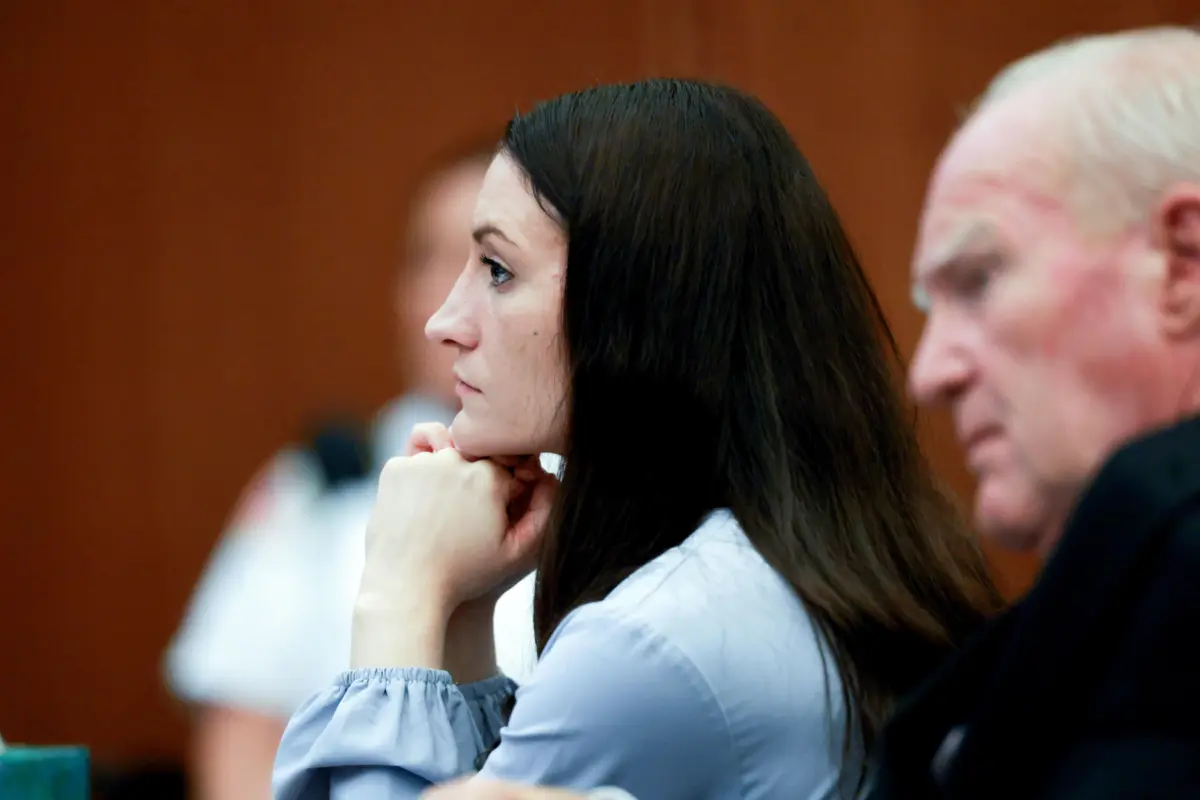
The high-profile legal proceedings surrounding Lindsay Clancy—a Massachusetts mother accused of the January 2023 strangulation deaths of her three young children—have captivated and horrified the public. As the legal battle unfolds in a Massachusetts courtroom, compounding layers of tragedy, mental health advocacy, and fierce legal debate have emerged. Central to this human drama is a verified GoFundMe campaign titled "The Musgrove Family Fund." Established to support Clancy’s parents, Michael and Paula Musgrove, the crowdfunding effort has rapidly gained momentum, raising over $700,000 toward an ambitious $2 million goal.
The campaign is designed to alleviate the staggering financial burdens incurred by the Musgrove family. Originally residents of Connecticut, the couple made the life-altering decision to relocate to Massachusetts to be near their daughter and maintain an active presence throughout her grueling legal ordeal. These funds are designated to cover ongoing travel, lodging, and essential living expenses as the trial progresses.
While the financial lifeline offers a degree of stability to her aging parents, the courtroom battle itself remains intensely divisive. Lindsay Clancy has not denied the physical acts that resulted in the deaths of five-year-old Cora, three-year-old Dawson, and eight-month-old infant Callan. However, she has pleaded not guilty to the charges against her. The fundamental crux of the ongoing trial does not center on who committed the acts, but rather on why they happened and whether Clancy possessed the legal capacity and mental soundness to be held criminally responsible.
As prosecutors present chilling digital footprints and theories of premeditation, the defense counters with a desperate narrative of a mind entirely broken by severe postpartum psychosis. With testimonies from emotional witnesses, including Clancy’s ex-husband Patrick Clancy, and the defendant’s own rare courtroom acknowledgments, the trial stands as a harrowing exploration of the intersection between severe maternal mental illness and the criminal justice system.
Detailed Chronology: From Tragic January Days to the Courtroom
The Genesis of a Tragedy
The sequence of events that shattered the Clancy family unfolded in January 2023 in Duxbury, Massachusetts. Emergency responders were called to the family home, where they discovered three children—Cora, Dawson, and Callan—gravely injured. Despite life-saving efforts, all three children tragically succumbed to their injuries. Lindsay Clancy was also found at the scene with severe injuries, having allegedly attempted to take her own life.
In the wake of the tragedy, investigators began parsing through medical records, digital histories, and personal communications to reconstruct the state of mind of the mother of three. Clancy was subsequently charged with murder, setting the stage for one of the most complex psychological and legal trials in recent Massachusetts history.
Pre-Trial Revelations and Digital Footprints
As the trial progressed into its sixth week of proceedings and beyond, prosecutors aggressively pressed a narrative of intentionality and premeditation. During court sessions, state prosecutors reintroduced a compelling theory suggesting that Clancy’s actions were calculated, pointing to internet searches conducted on family devices in the months leading up to the tragedy.
According to reports from The Guardian, digital forensics revealed queries for "suicide methods," psychiatric medications, detox programs, and psychosis-related information. Further scrutiny of Clancy’s personal cellphone unearthed unsettling queries, including "Can you treat a sociopath?" alongside frantic notes detailing overwhelming feelings of exhaustion, deep depression, and emotional detachment.
In stark contrast, personal journal entries and notes applications entered into evidence painted a portrait of a mother grappling with a deep internal war. One poignant note, written in October 2022, detailed her desperate desire to bond with her youngest son, Callan:
"I want to feel love and connection with all my kids… I just want to feel happy. I want to be able to relax and take care of my kids… And when they go to bed at night, I want to deeply relax and hang out with Pat and then fall into a deep sleep for 8 hours, get up and pour hard into myself for an hour and a half. Cal was so very planned and desired. I want to be able to give him all the love he deserves."
Another haunting note, composed just prior to the fatal events and modified only a day before, read: "Medication stole my motherhood and my life… prescription medication stole me from my own body."
Key Testimonies and Courtroom Breakthroughs
The emotional weight of the trial reached a critical juncture when Patrick Clancy, Lindsay’s ex-husband, took the stand as the prosecution’s first witness. In poignant testimony, Patrick detailed the rapid and alarming deterioration of his wife’s mental health in the weeks leading up to the tragedy. He recounted how her psychological state "kept getting worse and worse," directly supporting the defense’s assertions regarding her profound mental illness.
On August 4, during the sixth day of the trial, Lindsay Clancy made headlines by speaking directly in court for the first time. Addressing Massachusetts Superior Court Judge William Sullivan, Clancy confirmed her stipulation to the facts when asked by the bench. Her clear, composed response of "Yes, your honor," streamlined the proceedings, effectively eliminating the prosecution’s immediate need to call a roster of expert witnesses to verify agreed-upon factual timelines.
Supporting Context & Metrics: The $2 Million GoFundMe Campaign
The financial dimensions of the Lindsay Clancy trial extend far beyond court fees, encompassing the immense logistical hurdles faced by her immediate family. The verified GoFundMe campaign, titled "The Musgrove Family Fund," serves as a vital economic buffer for Michael and Paula Musgrove.
Breakdown of the Campaign Metrics:
- Target Goal: $2,000,000 USD
- Funds Raised To Date: Over $700,000 USD
- Primary Beneficiaries: Michael and Paula Musgrove (parents of Lindsay Clancy)
- Intended Use of Funds: Travel expenses, long-term lodging in Massachusetts, daily living costs, and sustained emotional and physical support for their daughter through the duration of the multi-year legal process.
- Geographic Shift: Permanent or semi-permanent relocation from their home state of Connecticut to Massachusetts to guarantee daily proximity to the courthouse and detention facilities.
Public response to the fundraiser has been intensely polarized, mirroring the broader societal debate over the case. While hundreds of donors have contributed to ease the Musgrove family’s mounting financial strain, others have questioned the allocation of such substantial sums in a case involving the deaths of three children. Nevertheless, platform verifications confirm the legitimacy of the campaign, highlighting the profound collateral impact that high-profile criminal trials inflict on extended families.
Official Statements and Competing Legal Theories
The legal battle lines in the Clancy trial are sharply drawn between two irreconcilable interpretations of human behavior under extreme psychological distress.
The Prosecution’s Position: Intent and Premeditation
State prosecutors maintain that Lindsay Clancy executed the killings with deliberate intent. By highlighting months of digital searches concerning psychiatric drugs, detox protocols, and methods of self-harm, the state aims to convince the jury that Clancy was cognizant of her actions and systematically planned the tragic events. Prosecutors argue that framing the tragedy solely through the lens of mental illness overlooks critical evidence of premeditation and an awareness of wrongfulness.
The Defense’s Position: Postpartum Psychosis
Conversely, the defense team, alongside mental health advocates and family members, argues that Clancy was entirely divorced from reality due to postpartum psychosis. According to the National Institutes of Health (NIH), postpartum psychosis is a rare, severe psychiatric emergency that typically manifests shortly after childbirth. It can trigger profound delusions, severe mood swings, disorganized thinking, and terrifying hallucinations that compromise a mother’s ability to distinguish right from wrong.
The defense contends that the cocktail of prescription medications prescribed to manage Clancy’s escalating anxiety and depression failed to stabilize her, instead plunging her into a state of acute psychosis where she believed she was acting to "save" her children or escape an inescapable psychological nightmare.
Patrick Clancy’s testimony corroborates this defense narrative, presenting a picture of a devoted mother whose mind was hijacked by medical conditions beyond her control.
Future Outlook: What Lies Ahead in the Clancy Trial
As the trial moves forward following brief weekend recesses, all eyes remain fixed on the Massachusetts courtroom. Legal analysts note that the outcome of this case could establish significant precedents regarding how the American judicial system evaluates severe postpartum psychiatric conditions in criminal culpability cases.
Key Milestones to Watch:
- Continuation of Expert Testimonies: Following the resumption of court proceedings on Monday, legal teams are expected to bring forward medical experts, psychiatrists, and pharmacologists to debate the exact impact of Clancy’s medication regimen and her mental state at the time of the incident.
- Closing Arguments and Jury Deliberations: With the factual stipulations already accepted by the defense, the timeline to closing arguments may accelerate, placing the ultimate burden of decision on a jury tasked with weighing cold digital forensics against complex psychiatric realities.
- The Musgrove Family’s Continued Presence: Michael and Paula Musgrove are expected to remain fixtures in the gallery, sustained by the financial contributions of the GoFundMe campaign as they navigate the agonizing conclusion of their daughter’s trial.
The trial of Lindsay Clancy remains a deeply unsettling reminder of the vulnerabilities inherent in maternal mental health, the devastating limits of psychiatric intervention, and the far-reaching shockwaves that affect every family member caught in the wake of an unprecedented tragedy.