

Executive Overview
In the rapidly evolving landscape of quick-service restaurant (QSR) marketing, brands must constantly innovate to capture consumer attention, foster brand loyalty, and dominate cultural conversations. Traditional advertising—once anchored by television spots and print circulars—has largely given way to immersive, transmedia experiences. Enter Taco Bell, a subsidiary of Yum! Brands, which has consistently positioned itself at the vanguard of cultural marketing.
Three years ago, the Mexican-inspired fast-food giant debuted Live Más Live, an annual extravaganza designed to unveil upcoming menu innovations, brand collaborations, and long-term corporate strategies. The event successfully bridged the gap between a corporate trade show and a consumer-facing pop culture festival. Now, the brand is expanding its experiential footprint into an unexpected arena: the golf course.
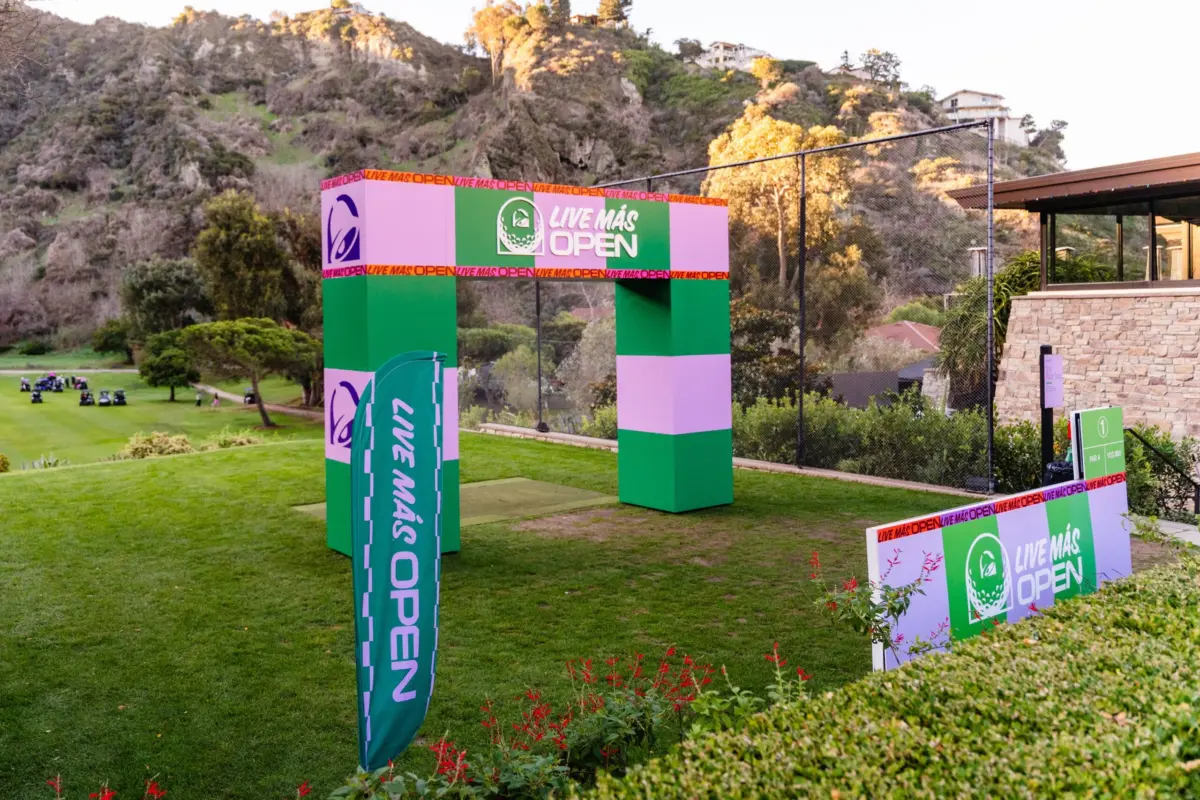
Earlier this month, Taco Bell hosted its inaugural Live Más Open in the picturesque coastal enclave of Laguna Beach, California. More than just a celebrity-studded sporting event, the tournament served as the culmination of a high-stakes consumer engagement campaign. Qualifying entrants from across the nation competed not merely for bragging rights, but for the ultimate prize coveted by millions of brand loyalists: the power to resurrect a discontinued menu item and bring it back to restaurants nationwide.
Hosted by comedy superstar Kevin Hart, the event fused traditional sporting culture with the whimsical, boundary-pushing ethos of the Taco Bell brand. Fans played alongside top-tier athletes, prominent celebrities, and digital creators on a custom, Taco Bell-inspired golf course featuring unconventional challenges, unexpected obstacles, and gourmet fast-food-infused snacks stations along the fairway.
For industry observers and marketing professionals alike, the Live Más Open represents a masterclass in experiential marketing, gamified consumer participation, and multi-platform media distribution. By partnering with NBCUniversal, Taco Bell is set to broadcast the tournament nationwide on Peacock on November 20, followed by a linear television debut on the Golf Channel. This comprehensive report provides an in-depth analysis of the event, detailing its chronology, strategic metrics, cultural significance, and the future outlook for experiential QSR marketing.
Detailed Chronology: From Concept to Fairway
The genesis of the Live Más Open can be traced back to Taco Bell’s broader strategic pivot toward community-led menu curation. Over the past decade, fan fervor over discontinued items—ranging from the Enchirito to the Beefy Crunch Burrito—has generated massive organic engagement across social media platforms like Reddit, X (formerly Twitter), and TikTok. Recognizing the marketing power of nostalgia, Taco Bell sought a mechanism to harness this passion while creating a premier entertainment property.
Phase 1: The Qualifier Phase and Consumer Mobilization
Months prior to the Laguna Beach tournament, Taco Bell launched a nationwide digital campaign inviting die-hard fans to participate in a series of qualifying challenges. Unlike standard sweepstakes, these qualifiers required creative submissions, trivia mastery, and localized mini-golf events designed to test participants’ dedication to the brand.
The stakes were clear: the ultimate winners would earn an all-expenses-paid trip to Southern California to compete in the main event alongside A-list celebrities. More importantly, the victorious consumer would wield executive-level influence over Taco Bell’s corporate pipeline, securing the return of a beloved, long-lost menu item to nationwide menus. This direct-democracy approach to fast-food development instantly galvanized the brand’s core demographic, generating millions of impressions and high-intent digital interactions.
Phase 2: The Laguna Beach Showdown
The inaugural Live Más Open took place earlier this month against the stunning backdrop of Laguna Beach. Transforming a traditional golf course into a surrealist, branded wonderland, Taco Bell spared no expense in creating an environment that reflected its vibrant aesthetic.
- The Course Design: Traditional sand traps were reimagined, and holes featured interactive obstacles inspired by iconic Taco Bell menu items. Neon branding, vibrant color palettes, and custom signage replaced the traditional, muted austerity of country club culture.
- The Roster: The tournament field featured a unique blend of everyday consumers, professional athletes, Hollywood celebrities, and top-tier digital content creators. This eclectic mix was deliberately curated to maximize cross-demographic appeal and generate authentic, behind-the-scenes social media content throughout the day.
- The Host: Entertainment icon Kevin Hart anchored the event as master of ceremonies. Known for his rapid-fire wit and mass appeal, Hart infused the tournament with high-energy commentary, interacting with both the celebrity guests and the everyday fans competing for the grand prize.
- On-Course Activations: Breaking from standard golf tournament fare—such as hot dogs and lukewarm beer—the Live Más Open featured gourmet culinary stations along the course. Chefs reinvented classic Taco Bell ingredients into upscale, on-the-go golf snacks, merging high-end gastronomy with fast-food comfort.
Phase 3: The Multi-Platform Media Rollout
Recognizing that the lifespan of a modern marketing event extends far beyond its physical execution, Taco Bell structured the Live Más Open as a made-for-television media property.
- November 20: The entire tournament will premiere nationwide on NBCUniversal’s streaming service, Peacock. This digital-first distribution strategy targets younger, cord-cutting demographics who consume entertainment on-demand.
- Golf Channel Debut: Following its streaming premiere, the event will air on the Golf Channel, capturing traditional sports enthusiasts and bridging the gap between niche sports programming and mainstream cultural entertainment.
Supporting Context & Metrics: The Economics of Experiential QSR Marketing
To understand the strategic significance of the Live Más Open, one must examine the broader economic and marketing metrics driving the quick-service restaurant industry today. In an era dominated by delivery apps, hyper-competitive value wars, and shifting consumer demographics, traditional advertising metrics (such as Cost Per Thousand impressions) are no longer sufficient to drive sustainable growth.
The Power of Earned Media and Cultural Relevance
Experiential marketing campaigns like the Live Más Open generate exponential returns through earned media value (EMV). When celebrities and influencers post live updates from a custom golf course featuring iconic branding, the resulting social media reach bypasses traditional ad-blockers and engages consumers in native digital spaces.
- Engagement Rates: Historically, community-led voting campaigns for discontinued menu items yield engagement rates that are three to four times higher than standard product-launch advertisements. By tying this voting power to a high-profile sporting event, Taco Bell has created a sticky narrative that consumers follow for months.
- Cross-Generational Appeal: Golf has experienced a massive cultural renaissance, particularly among younger demographics (Millennials and Gen Z) who view the sport through a casual, social lens rather than an exclusive, country-club mindset. By merging golf with fast-food culture, Taco Bell has positioned itself at the intersection of sports, lifestyle, and youth culture.
Comparative Industry Analysis
While competitors such as McDonald’s, Wendy’s, and Burger King frequently utilize celebrity meal collaborations (e.g., the Travis Scott meal or the BTS meal), these initiatives rely primarily on passive consumption. Consumers buy a pre-packaged meal to support an artist.
Taco Bell’s approach, conversely, is fundamentally active and participatory. By allowing consumers to compete for tangible influence over the menu—and framing that competition within a high-production-value sports entertainment package—Taco Bell fosters a deeper psychological ownership of the brand among its customer base.
Official Statements and Industry Insights
While corporate public relations teams carefully choreograph the rollout of major brand initiatives, statements from executive leadership provide vital insight into the strategic intent behind events like the Live Más Open.
"We are constantly looking for ways to break out of the traditional marketing playbook and meet our fans where their passions lie," noted a senior Taco Bell marketing executive during the lead-up to the event. "Our consumers don’t just want to eat our food; they want to be part of the brand’s story. The Live Más Open allows us to take the energy of our annual Live Más Live showcase and translate it into a physical, unforgettable sporting experience that rewards our most dedicated fans."
Industry analysts have been quick to praise the initiative, viewing it as a blueprint for the future of entertainment-driven commerce.
"Taco Bell is no longer just a fast-food company; they are a lifestyle brand that happens to sell tacos," says Marcus Vance, principal retail and consumer goods analyst at Vanguard Insights. "By packaging a menu-voting contest inside a celebrity golf tournament and broadcasting it on Peacock and the Golf Channel, they are monetizing the event twice: first through brand equity and consumer engagement, and second through high-level media distribution rights. It’s a brilliant evolution of branded entertainment."
Furthermore, participants and celebrity guests echoed the sentiment that the event felt entirely distinct from standard corporate sponsorships. The relaxed, humorous atmosphere—steeped in Kevin Hart’s comedic timing and the novelty of fast-food-themed golf challenges—ensured that the event maintained authenticity, a crucial metric for winning over skeptical younger consumers.
Future Outlook: Where Do We Go From Here?
As the dust settles on the greens of Laguna Beach and Taco Bell prepares for the nationwide broadcast of the Live Más Open on Peacock, industry stakeholders are already looking ahead to the long-term implications of this initiative.
1. The Institutionalization of the Live Más Open
Given the massive digital footprint and positive reception of the inaugural event, it is highly probable that the Live Más Open will become a permanent fixture on Taco Bell’s annual corporate calendar. Much like Live Más Live has evolved into an anticipated yearly ritual for menu reveals, the golf tournament provides a reliable spring or autumn anchor for consumer engagement, media partnerships, and experiential activations.
2. The Evolution of Fan-Driven Menus
The outcome of the tournament—the triumphant return of a discontinued menu item—will serve as a crucial case study for the QSR industry. If the resurrected item drives significant same-store sales growth and digital app downloads, expect other major fast-food chains to adopt similar high-stakes, gamified consumer participation models. The days of corporate boardrooms unilaterally deciding menu revivals may be coming to a close, replaced by data-driven, community-sanctioned product pipelines.
3. Deepening Convergence of Sports, Entertainment, and Fast Food
Taco Bell’s successful pivot into golf signals a broader trend: the erasure of traditional boundaries between sports entertainment and consumer brands. As streaming platforms like Peacock increasingly integrate live sports, reality competitions, and branded content, brands are transforming from simple advertisers into executive producers of culture.
In conclusion, the inaugural Live Más Open is much more than a clever marketing stunt or a quirky celebrity golf tournament. It is a strategic evolution in how brands build community, generate multi-platform media value, and reward customer loyalty. As fans tune in on November 20 to witness the chaos unfold on Peacock, they will not merely be watching a television broadcast; they will be witnessing the future of experiential brand building.
