

Executive Overview
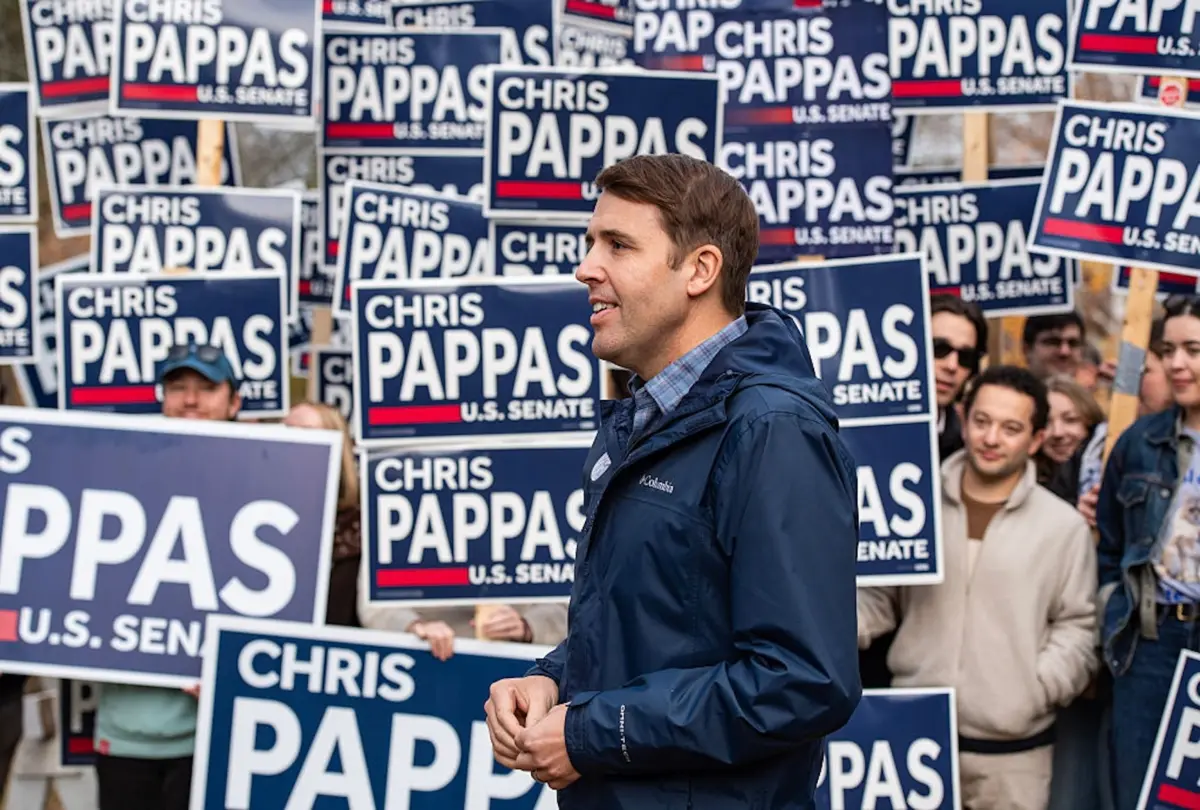
The 2026 U.S. midterm elections delivered a deeply complex, split-screen narrative for the LGBTQ+ community, exposing a shifting political landscape defined by both historic milestones and persistent, calculated backlashes. On one hand, the midterms showcased an unprecedented surge in queer political power, demonstrating that the time-tested weapon of anti-gay animus is rapidly losing its efficacy at the ballot box. Landmark victories—such as Representative Chris Pappas winning a U.S. Senate seat in New Hampshire and J.D. Ford unseating a Republican incumbent in Indiana—signal that openly gay candidates can secure historic wins even in traditionally competitive terrain.
Simultaneously, however, the results underscored a troubling reality: while electoral hostility toward gay men has noticeably dulled, the political machine driving it has not disappeared. Instead, it has strategically relocated its targets. On the very same ballots where voters rejected attempts to weaponize sexual orientation, several states successfully advanced restrictive ballot measures targeting transgender youth. This dichotomy presents an urgent inflection point for the broader movement, forcing political analysts, lawmakers, and community leaders to confront a fractured political reality: widespread mainstream representation for some, coupled with intensified legislative and rhetorical targeting of the most vulnerable members of the queer spectrum.
Detailed Chronology and Key Electoral Outcomes
The arc of the 2026 midterms unfolded through a series of high-stakes contests that dismantled long-standing assumptions about the limits of queer and progressive candidates in American politics.
New Hampshire and Indiana: Legislative Milestones in the Senate and Statehouse
On the night of November 3, 2026, returns from across the country revealed a realignment of political norms. In Manchester, New Hampshire, U.S. Representative Chris Pappas secured a decisive victory in his race for the United States Senate. With this win, Pappas etched his name into the history books as the first openly gay man ever elected to the upper chamber of Congress, contributing significantly to the Democratic margin that recaptured the Senate.
Hours away in the Midwest, Indiana witnessed its own historic breakthrough. J.D. Ford, already a trailblazer as the first openly gay person elected to the Indiana state legislature, successfully unseated a Republican incumbent to secure a seat in the state’s House of Representatives. These victories underscored a growing appetite among voters for experienced queer leadership, irrespective of antiquated partisan playbooks.
Texas and Long Island: The Dulling of Anti-Gay Rhetoric
Perhaps the most striking indicators of shifting voter attitudes emerged in races where adversaries attempted to weaponize candidates’ personal lives or sexual identities. In Texas, state lawmaker James Talarico achieved a monumental upset against Ken Paxton, securing a statewide victory for Democrats for the first time in over thirty years. This occurred despite Paxton’s campaign heavily leaning into anti-LGBTQ+ messaging—reportedly representing the single largest category of his advertising budget—and high-profile conservative figures using identity as a punchline on the campaign trail. Talarico’s victory demonstrated that voters are increasingly prioritizing economic and governance issues over cultural wedge tactics.
A parallel dynamic played out on Long Island in a congressional district previously carried by Donald Trump. Democratic candidate Chris Gallant ran a fiercely resilient campaign despite a targeted effort to sink his candidacy through the unauthorized leak of private photographs. Rather than retreating from public view, Gallant refused to be shamed, coming within approximately two percentage points—or roughly 6,700 votes—of flipping a seat rated safely Republican. His performance underscored that attempts to weaponize personal privacy and queer identity are yielding diminishing returns among modern electorates.
The Transgender Sports and Healthcare Measures
In stark contrast to the electoral successes of openly gay candidates, the 2026 midterms also highlighted the potency of anti-transgender sentiment in specific regional contexts. Voters in Arizona and Nebraska approved restrictive measures barring transgender girls from participating in female sports leagues. Colorado saw a similar battleground, with two ballot propositions—one addressing sports participation and another restricting specific surgical care for minors—narrowly advancing toward passage. Meanwhile, in Washington State, an initiative designed to restrict transgender female athletes from participating in girls’ sports passed comfortably.
These concurrent results highlighted the central paradox of the 2026 cycle: an electorate capable of embracing queer representation at the federal and state levels simultaneously supporting restrictive, single-issue measures targeting transgender youth.
Supporting Context and Metrics: The Evolution of the Playbook
To understand the 2026 midterms, political sociologists point to a decades-long pattern of calculated political scapegoating. Historically, American conservative strategy has relied on identifying a marginalized out-group, stoking moral panic, and converting that panic into electoral turnout.
Historical Trajectory of Wedge Politics:
[1980s-1990s: HIV/AIDS & Moral Panic]
       ↓
[2000s: Marriage Equality & "Defense of Marriage"]
       ↓
[2010s: Public Restrooms & Identity Debates]
       ↓
[2020-Present: Transgender Youth, Healthcare, & Athletics]
The trajectory of this playbook has evolved predictably over the past forty years:
- The 1980s and 1990s: Campaigns capitalized on the public health crisis of the HIV/AIDS epidemic and framed gay men as societal predators.
- The 2000s: Political capital was consolidated around opposing marriage equality, framed as an existential threat to traditional family structures.
- The 2020s: As public acceptance of gay relationships and marriage normalized, the political apparatus pivoted its focus toward transgender individuals, specifically targeting youth participation in athletics and access to gender-affirming care.
The 2026 results suggest that the first phase of this cycle—stigmatizing homosexuality—is losing its political utility. According to post-election data and advertising tracking reports, campaigns that invested heavily in anti-gay dog whistles experienced lower returns on investment than in previous cycles. However, the pivot to transgender youth proved resilient in suburban and rural districts, proving that the underlying infrastructure of cultural grievance politics remains active, even as its primary target shifts.
Official Statements and Political Reactions
Reactions to the 2026 election results reflect a tension between celebration of hard-won progress and alarm over targeted legislative setbacks.
Civil rights organizations and newly elected officials issued statements emphasizing resilience in the face of adversity. In his victory speech in Manchester, Senator-elect Chris Pappas acknowledged the historic nature of his win while pointing toward the broader arc of representation: "Tonight proves that the people of New Hampshire value service, integrity, and community above old prejudices. But our work is far from finished, and we must ensure that the doors of opportunity open for every American remain wide open."
Conversely, advocacy groups focused on transgender rights voiced deep concern over the passage of restrictive state-level measures. Representatives from organizations tracking state legislation noted that the success of ballot initiatives in states like Washington and Nebraska demonstrates that misinformation campaigns regarding youth sports and healthcare continue to resonate with segments of the electorate.
Political analysts examining the dual outcomes have characterized the election as a "transitional moment" for American identity politics. While mainstream acceptance has caught up to gay and lesbian candidates, ensuring broader electoral viability, the transgender community currently occupies the precarious position once held by gay men decades prior—the primary focal point of organized political backlash.
Future Outlook: The Road Ahead for Queer Advocacy
As the dust settles on the 2026 midterms, political strategists and civil rights leaders are forced to reevaluate coalition-building and legislative strategy. The central question moving forward is whether the broader LGBTQ+ movement can successfully apply the lessons learned from decades of fighting anti-gay rhetoric to protect transgender individuals from the current wave of targeted legislation.
- Expanding the Defense Perimeter: Advocacy groups emphasize that victories by leaders like Chris Pappas and J.D. Ford must not be viewed as a finish line. The political capital gained through mainstream representation must be leveraged to combat discriminatory state-level ballot measures and legislative bills targeting trans youth.
- Shifting the Narrative: The near-victory of candidates like Chris Gallant on Long Island demonstrates that refusing to yield to shame is an effective counter-strategy. Activists argue that this same uncompromising resilience must be deployed to reframe conversations around gender-affirming care and scholastic athletics as matters of fundamental human dignity rather than wedge issues.
- Electoral Accountability: With anti-trans rhetoric remaining a reliable tool for specific voter blocs, civil rights organizations plan to increase voter education campaigns ahead of the 2028 cycle, aiming to expose the financial and social costs of culture-war legislation.
Ultimately, the 2026 midterms served as a mirror reflecting both the profound strides the queer community has made in securing political power and the formidable resilience of the political mechanisms designed to oppose them. Whether the lessons learned by gay men over decades of struggle can successfully shield the next generation remains the defining challenge for the future of American civil rights.