

Executive Overview
In the modern streaming landscape, quantity has decisively conquered quality, and no platform has codified this philosophy quite like Netflix. The streaming giant’s late-summer 2026 slate—anchored by the Robert De Niro and Adam Scott-led serial-killer thriller The Whisper Man, alongside the sci-fi domestic drama The Last House and the coming-of-age tearjerker Don’t Say Good Luck—offers a grim diagnostic of the company’s current creative ethos.
Rather than functioning as a sanctuary for cinematic innovation, Netflix has engineered a sophisticated content ouroboros. This industrial production model relies on recognizable marquee stars, high-concept hooks, and calculated mediocrity to keep subscribers scrolling, clicking, and mindlessly consuming.
By prioritizing ephemeral engagement over enduring artistic merit, Netflix actively devalues the medium of film. The streamer has transformed once-discerning cinephiles into compliant cogs within an automated distribution wheel. This investigative review explores how The Whisper Man and its companion releases epitomize a corporate strategy that treats artistic integrity as a byproduct to be optimized away, examining the broader implications for the future of cinematic storytelling in an algorithmically managed industry.
Detailed Chronology: The Anatomy of a Late-Summer Streaming Dump
The strategic deployment of Netflix’s late-summer 2026 film slate reveals a calculated rhythm of algorithmic saturation. Rather than staggering releases to build anticipation or cultural momentum, the platform relies on rapid-fire distribution designed to overwhelm the consumer consciousness before any single title can be rigorously evaluated.
August 2026: The Opening Salvo
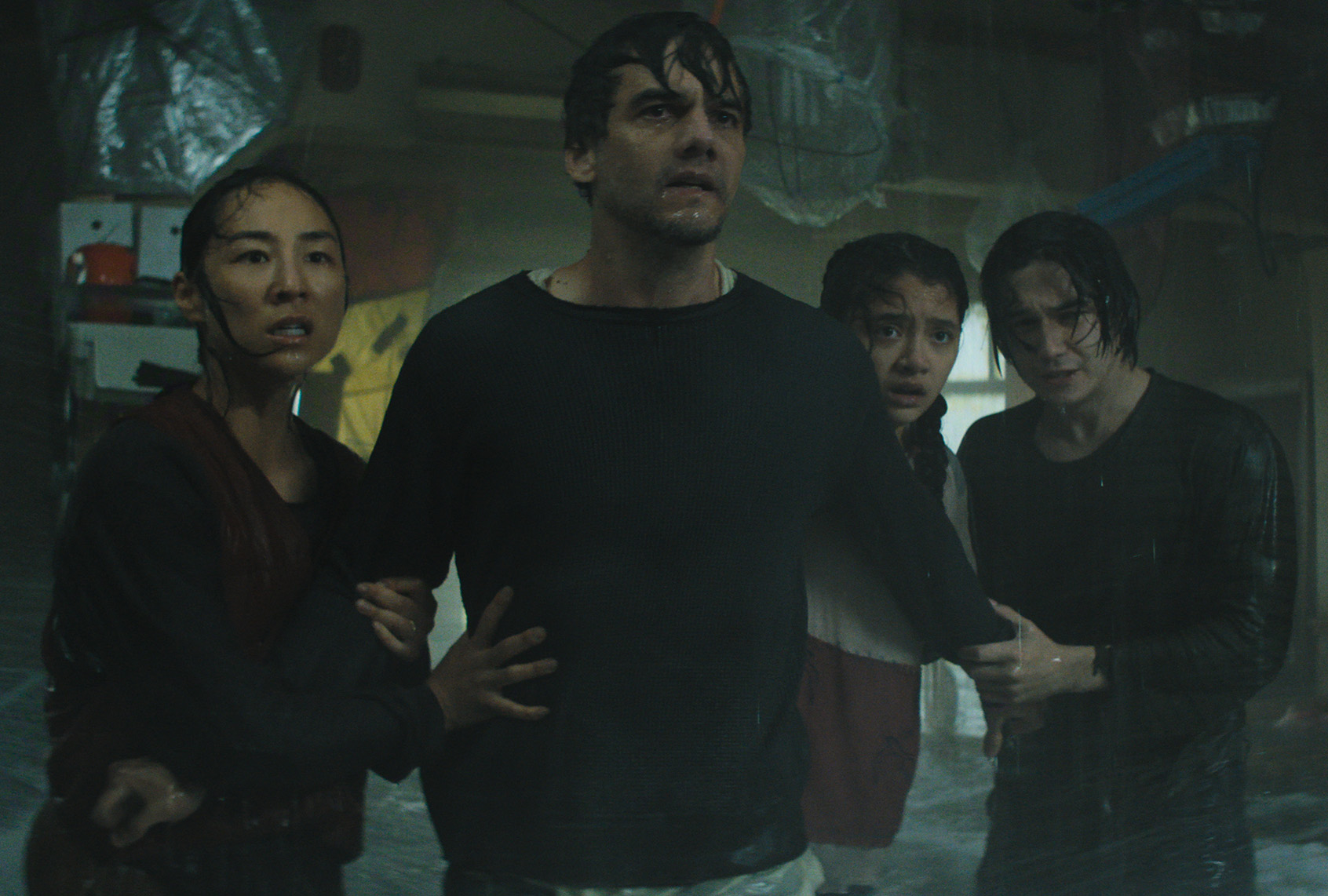
The strategy began in early August with the silent drop of The Last House, a claustrophobic psychological thriller starring Greta Lee and Wagner Moura. Accompanied by an ironically elaborate Los Angeles billboard stunt—featuring a live actor interacting via whiteboard from a simulated home environment—the film was treated as an event piece by the marketing department, even as its creative ingredients pointed toward familiar tropes. Exploring themes of domestic confinement through a heavy-handed, pandemic-adjacent lens, the film relied on manipulative emotional cues rather than genuine stylistic resonance.
Later that same month, Netflix introduced Don’t Say Good Luck, a modest coming-of-age dramedy directed quietly toward the platform’s undercurrent of sentimental demographics. Starring Sunny Sandler as a high-performing student navigating her creative ambitions alongside her mother’s harrowing cancer recurrence (portrayed by Melanie Lynskey), the film managed a rare feat for the platform: it possessed an authentic emotional core. Yet, despite offering a potential breakout performance from Sandler, the film was granted minimal promotional oxygen, quickly overshadowed by the looming arrival of prestige-baited thrillers.
September 2026: The Whisper Man and the Climax of Blandness
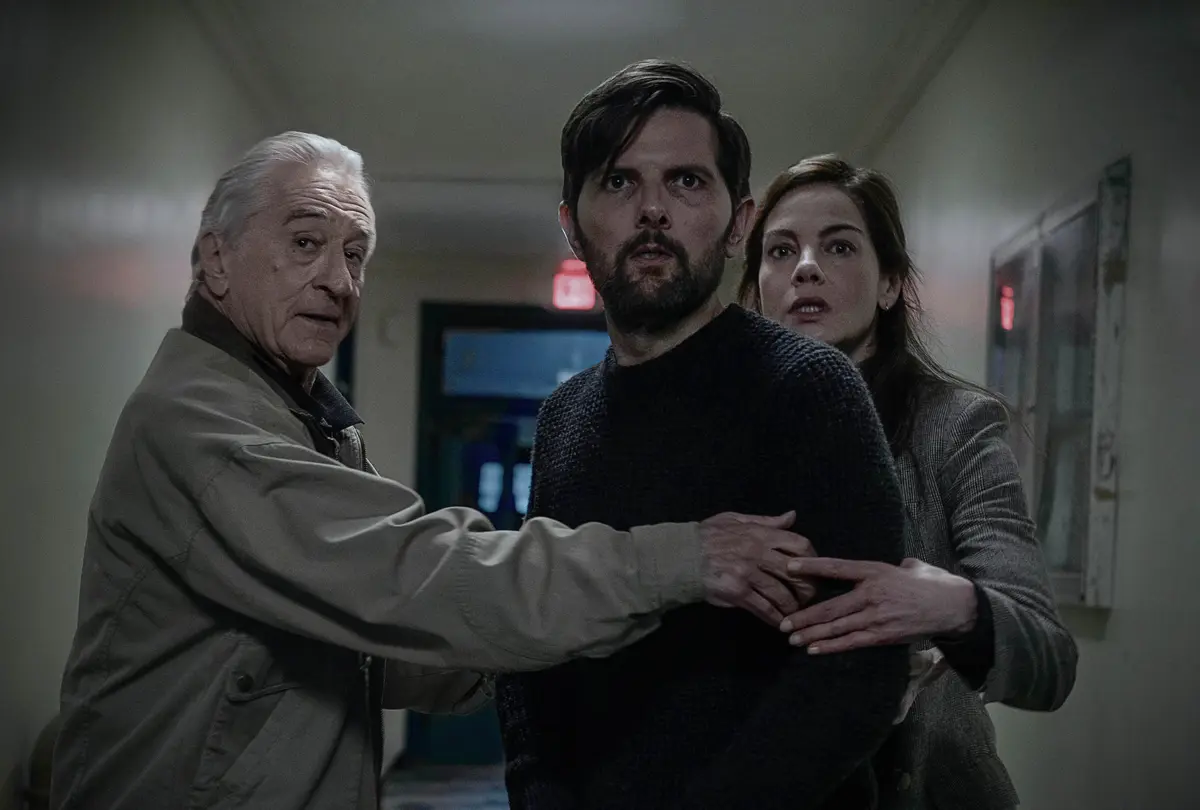
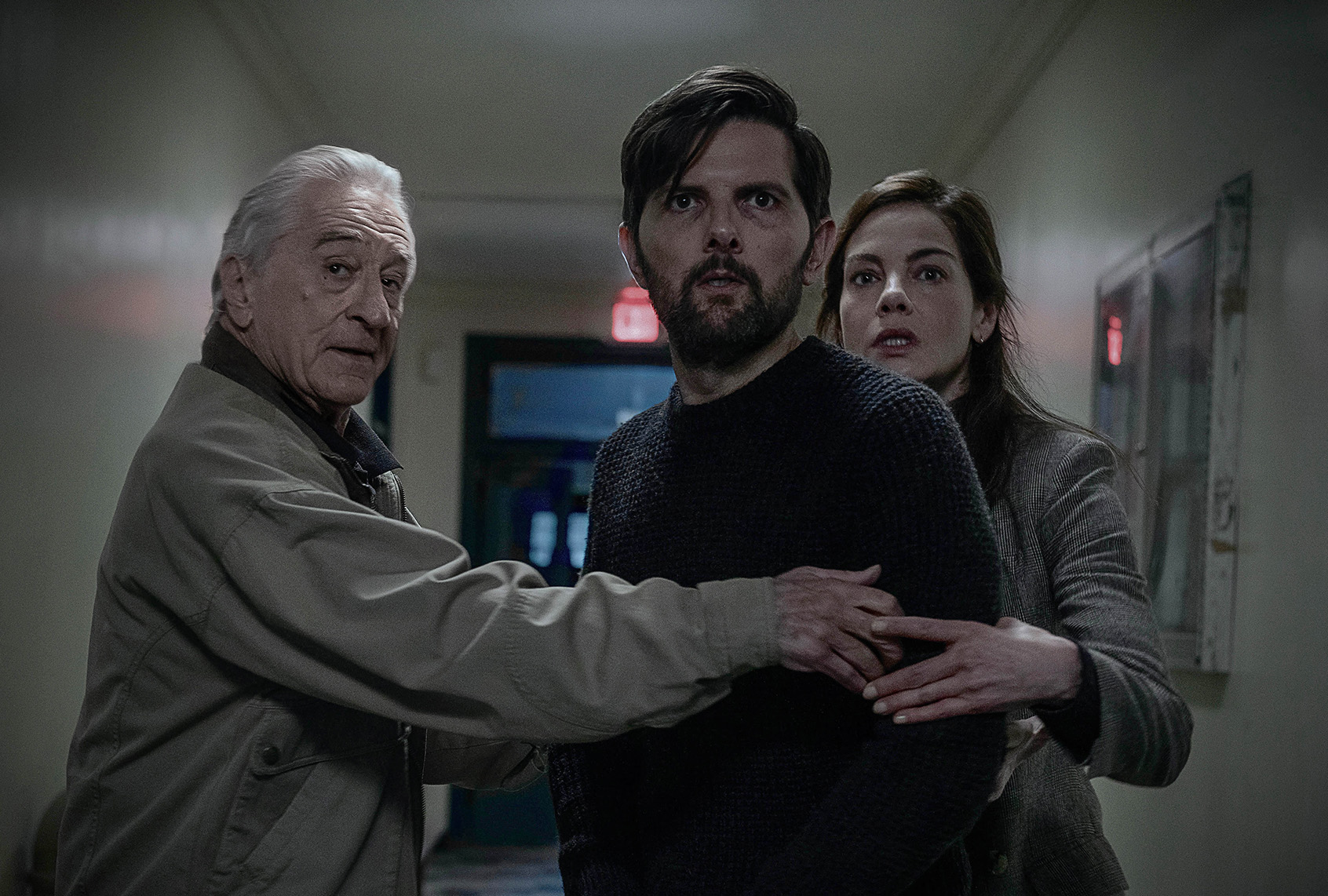
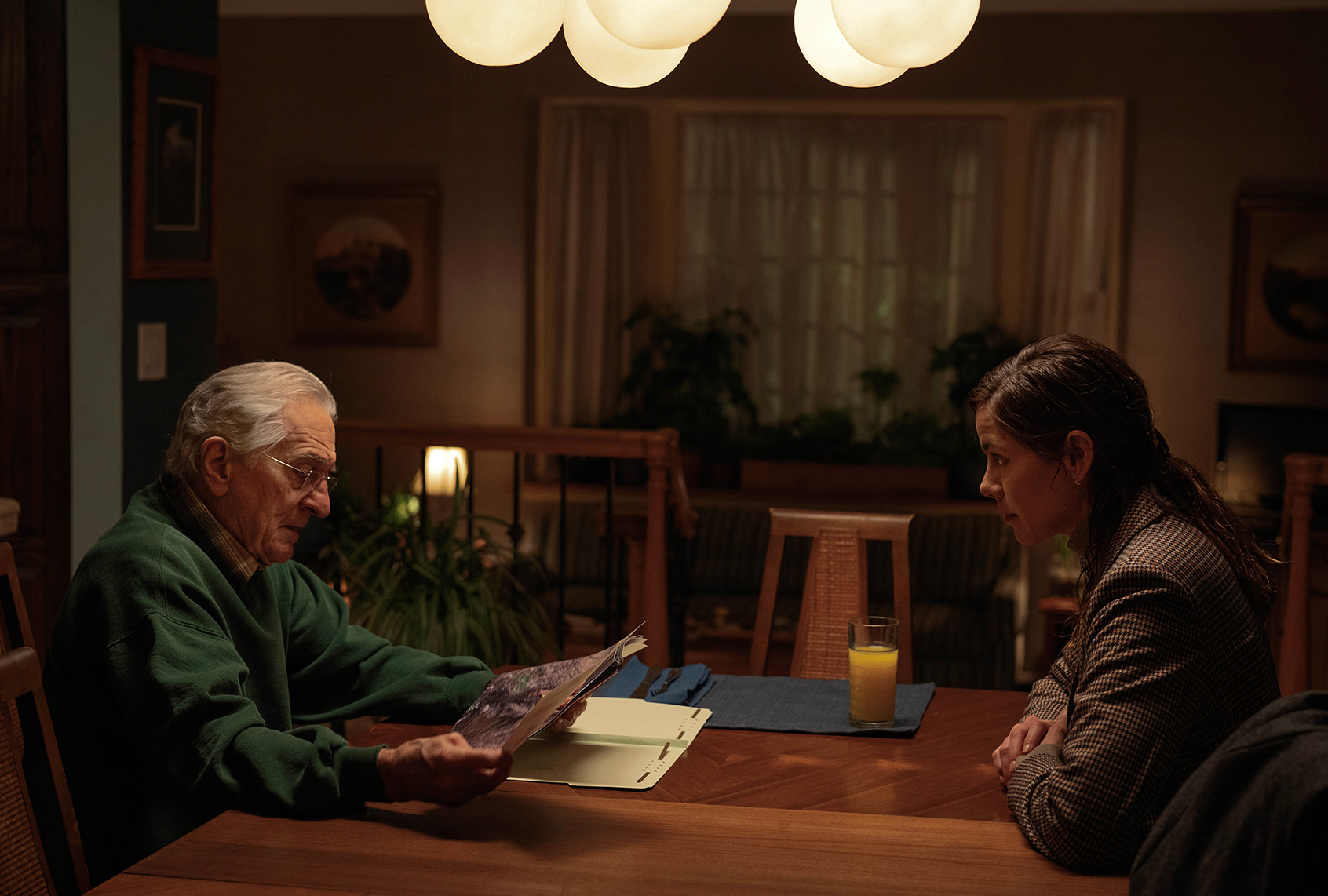
The triad culminated on September 2, 2026, with the premiere of The Whisper Man. Adapted from Alex North’s 2019 bestselling suspense novel, the film arrived with immense pedigree. Directed and packaged as a prestige serial-killer procedural, it boasted a formidable ensemble cast featuring Robert De Niro, Adam Scott, Michelle Monaghan, and Michael Keaton.
Yet, upon its release, the film revealed itself as an exercise in aesthetic exhaustion. Chronicling an alcoholic widower’s desperate search for his kidnapped son—allegedly taken by a copycat of a notorious serial killer captured years prior by the protagonist’s estranged father—The Whisper Man flattened its high-concept premise into a series of lifeless, desaturated tableaus. Despite generating massive initial viewing hours—promptly clobbering its platform peers in engagement metrics—the film evaporated from cultural discourse within days of release, proving that high viewership numbers on Netflix bear zero correlation to lasting artistic impact.
Supporting Context & Metrics: The Economics of Indifference
To understand why a platform boasting billions in revenue routinely greenlights and distributes aesthetically anemic motion pictures, one must examine the underlying mechanics of modern streaming economics.
The Metrics of the Panopticon
For traditional Hollywood studios, a film’s success is measured through a complex matrix of box office returns, long-tail home video sales, licensing deals, and critical reception. For Netflix, however, success is binary and insular: Did the user press play, and did they stay on the platform?
Data from late-summer 2026 indicates that while Don’t Say Good Luck offered superior narrative resonance, it was handily outperformed in raw viewing hours by The Whisper Man. In the attention economy, loud, recognizable IP paired with legacy movie stars guarantees initial conversion.
| Film Title | Primary Cast | Core Premise | Critical Standing | Algorithmic Fate |
|---|---|---|---|---|
| The Whisper Man | Robert De Niro, Adam Scott, Michelle Monaghan | Serial-killer copycat procedural | Visually flat, narratively derivative | Massive initial viewing hours; rapid cultural amnesia |
| The Last House | Greta Lee, Wagner Moura | Pandemic-era domestic entrapment thriller | Over-marketed, emotionally hollow | Moderate engagement backed by high-cost guerrilla marketing |
| Don’t Say Good Luck | Sunny Sandler, Melanie Lynskey | Coming-of-age cancer drama | Formularic yet genuinely soulful | Outperformed by peers; quickly buried by newer drops |
This data underscores a stark reality: Netflix’s business model does not penalize creative failure. Because subscription fees are recurring and flat-rate, a user who watches two hours of a deeply disappointing thriller contributes financially to the platform in the exact same manner as a user who discovers a masterwork. Consequently, the financial incentive to curate exceptional cinema is systematically eroded.
Official Statements & Industry Perspectives
The philosophical divide between traditional cinematic curation and Netflix’s volume-driven model has long been championed by the platform’s executive leadership. Co-CEO Ted Sarandos has consistently voiced skepticism regarding the traditional theatrical window, famously defending a philosophy that prioritizes immediate, at-home availability over extended cinematic runs—even for high-profile awards contenders.
While Netflix continues to court the Academy Awards with carefully timed, bare-minimum qualifying theatrical releases for its prestige fare, industry observers note a concurrent decline in the ambition of these very titles. Filmmakers and talent agents increasingly find themselves caught in a professional bind. As traditional mid-budget studio filmmaking has contracted, Netflix remains one of the few financial entities capable of writing massive checks and guaranteeing global distribution overnight.
Industry insiders point out that this dynamic forces top-tier talent into compromises. Actors of the caliber of Robert De Niro, Greta Lee, and Michael Keaton sign on to projects like The Whisper Man and The Last House not out of blind faith in the screenplays, but due to market gravity:
- Employment Stability: With fewer independent studios greenlighting adult dramas and mid-budget thrillers, streaming services represent the primary source of volume work.
- Global Reach: A Netflix original immediately reaches over 260 million households worldwide, an exposure metric traditional distribution models struggle to match.
- Lucrative Compensation: Upfront buyouts frequently compensate for the lack of backend residuals traditionally tied to box office performance.
Yet, this arrangement creates an artistic ouroboros. By absorbing top-tier talent into mediocre frameworks, Netflix effectively neutralizes cinematic star power, converting once-distinct artistic voices into interchangeable components of a content engine.
Future Outlook: Can the Streaming Paradigm Shift?
As the streaming era matures past its initial expansion phase, the long-term consequences of quantity-first programming are coming into sharp focus. The homogenization of visual style—characterized by flat digital cinematography, uninspired lighting, and predictable narrative beats designed to accommodate viewers distracted by mobile devices—threatens to permanently alter audience expectations.
The Threat to Visual Literacy
When major streaming platforms treat framing, pacing, and stylistic audacity as financial liabilities rather than creative necessities, viewers are conditioned to accept visual plainness. The elimination of distinct authorial voices in mainstream genre filmmaking creates an ecosystem where movies are no longer discussed around office watercoolers or analyzed for their cultural resonance, but are instead consumed as background noise.
Signs of Resistance
Despite the overwhelming gravity of the algorithm, counter-movements persist. Modest successes like Don’t Say Good Luck prove that audiences still crave emotional authenticity and genuine human storytelling, even within formulaic structures. Furthermore, a growing segment of consumers is actively seeking out curated platforms that champion physical media, theatrical exclusivity, and art-house curation over algorithmic convenience.
However, unless regulatory shifts, evolving subscriber habits, or artist-led union negotiations alter the economic incentives of major streaming conglomerates, the assembly-line production of disposable cinema will likely accelerate. Until the industry’s fundamental metrics change—rewarding long-term cultural impact over immediate, fleeting engagement—platforms like Netflix will continue to whisper promises of prestige, only to deliver the comforting, numbing quiet of the automated feed.