

Executive Overview
As the United States hurtles toward the 2026 midterm elections, a tectonic shift is reshaping American politics. Historically, midterm cycles are characterized by lower voter turnout, quieter campaign trails, and a general lull in astronomical fundraising compared to presidential election years. Yet, the 2026 cycle has shattered every known precedent, largely driven by an unprecedented, frantic influx of corporate capital. At the center of this financial storm is Silicon Valley.
Corporate political donations have skyrocketed to an unprecedented $646 million so far this cycle—a staggering 40% leap over what the sector spent during the entire 2024 presidential race. When factoring in the murky world of "dark money," conservative estimates suggest that over $1 billion has already flooded the political ecosystem. While both major parties have seen inflows of cash, the vast majority of this unprecedented treasure chest is flowing directly into Republican coffers.
This historic cash infusion is not a standard play to block corporate tax hikes. With Donald Trump safely seated in the Oval House for the next two years, the immediate threat of a progressive tax code overhaul is off the table. Instead, tech oligarchs, artificial intelligence pioneers, and cryptocurrency magnates are engaging in a desperate, last-ditch effort to neutralize a grassroots revolt. They are attempting to buy their way out of democracy to preemptively crush a rising wave of tech accountability before ordinary citizens can enact permanent legislative guardrails.
Detailed Chronology: The Catalyst of the Uprising
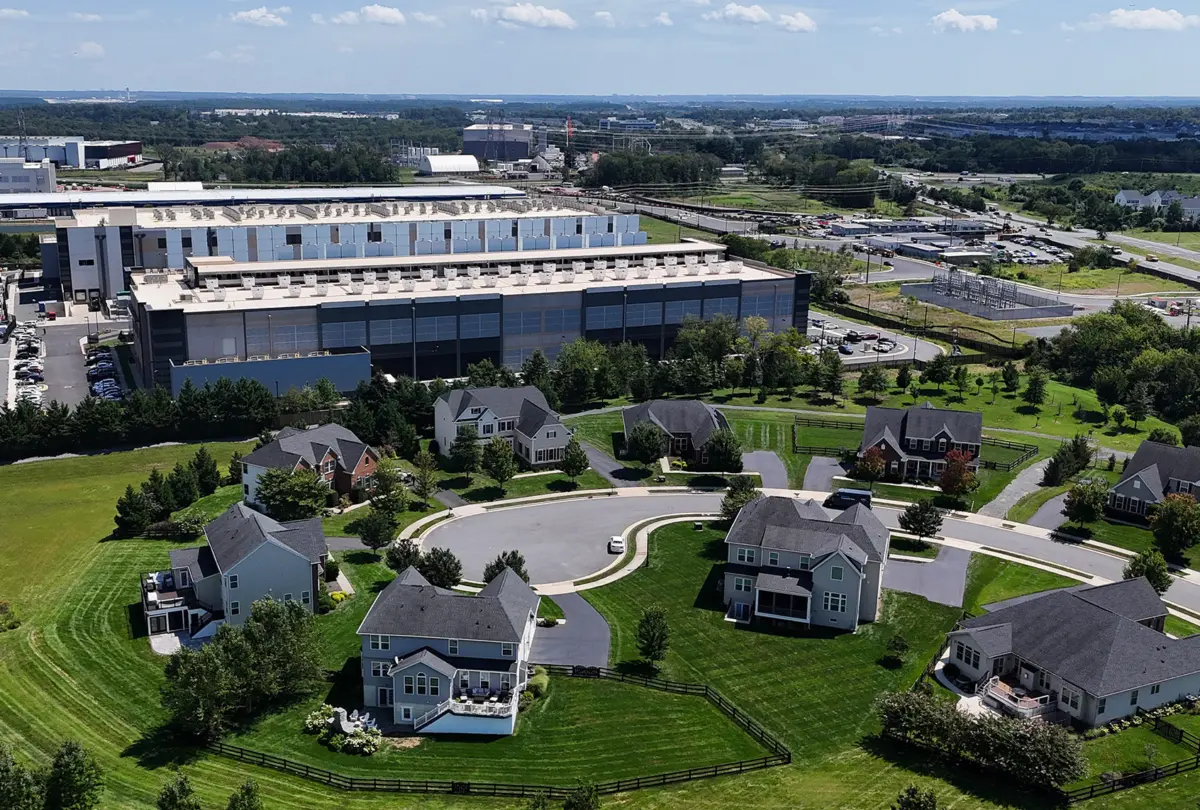
The modern battle lines between Silicon Valley and everyday Americans were not drawn over traditional political ideologies, but rather over physical real estate, strained public infrastructure, and environmental degradation.
- Early 2026: Massive computer campuses, known universally as data centers, expand rapidly across suburban and rural landscapes to fuel the energy-intensive demands of generative AI models.
- March 2026: Public pushback reaches a boiling point. A landmark Gallup poll reveals that 71% of Americans actively oppose the construction of data centers in their communities—a higher level of localized opposition than what is typically seen regarding the establishment of nuclear power plants.
- Summer 2026: Recognizing that data center approvals are governed primarily at the local and state levels, grassroots community activists successfully leverage municipal zoning laws, town hall meetings, and state-level petitions. Bipartisan panic sets in as politicians realize the political liability of supporting big tech infrastructure.
- August 2026: Governors across the political spectrum respond to the populist wave. Pennsylvania Governor Josh Shapiro and New York Governor Kathy Hochul enact strict executive and legislative roadblocks to halt unchecked data center expansion. Even Texas Governor Greg Abbott begins signaling the need to slow down development.
- Late August 2026: Realizing that local activism is successfully threatening their infrastructure, Silicon Valley elites open the floodgates of campaign finance. Publicly traceable corporate donations shatter records at $646 million, accompanied by waves of dark money designed to protect AI, crypto, and speculative online betting platforms from future regulatory crackdowns.
Supporting Context & Metrics: The Anatomy of Tech’s Financial Panic
The sheer volume of capital being deployed by tech billionaires is historic, but analysts note that this aggressive spending is fundamentally a sign of weakness and panic. Silicon Valley is terrified of the growing power of everyday people.
Over half of all corporate political spending in the 2026 midterms originates from the technology sector—specifically firms heavily invested in artificial intelligence, cryptocurrency, and high-stakes prediction markets. These industries represent what critics term "vampiric capitalism": models designed not to build a sustainable future, but to rapidly extract public wealth, clean water, and vast electrical grids while giving virtually nothing back to local communities.
The roster of tech elites funding this defensive operation reads like a who’s who of modern digital wealth:
- Elon Musk (Tesla & xAI): Reportedly deploying an estimated $200 million war chest to bolster Republican candidates, particularly in Texas, which has ground zero for data center construction battles.
- Marc Andreessen & Ben Horowitz (Andreessen Horowitz): The prominent venture capitalists have contributed over $115 million, heavily favoring Republican super PACs, including a $12 million direct injection into Donald Trump’s MAGA Inc.
- Jeff Yass (AI & Financial Markets Investor): Has poured nearly $94 million into conservative political vehicles with a specific focus on preserving tech infrastructure and deregulated markets.
- Greg and Anna Brockman (OpenAI): Have committed $50 million to the election cycle, including a $25 million contribution to MAGA Inc. to safeguard the policy environment surrounding generative AI scaling.
These figures represent only the tip of the iceberg. Millions more flow through opaque dark money networks designed to shield donors’ identities while buying targeted influence in state legislatures and congressional races that tech elites would have completely ignored a decade ago.
Targeting the Republican Party is a calculated maneuver. While some progressive Democrats have toyed with tech-friendly policies, the progressive wing of the Democratic Party has successfully turned corporate AI cash into a "poison pill," making donations from big tech a liability rather than an asset for Democratic candidates. Conversely, the GOP’s historical commitment to deregulation and market fundamentalism makes it a natural safe harbor for Silicon Valley donors attempting to evade public accountability.
Official Statements and Political Rhetoric
As the chasm between grassroots voters and tech donors widens, political rhetoric has reached a fever pitch. Republican leadership has doubled down in defense of their wealthy benefactors, often running counter to the direct interests and desires of their own base voters.
Senate Minority (or Majority, depending on context) figures have led the charge in dismissing community concerns. Senator Ted Cruz (R-TX) publicly denounced the anti-data center movement, characterizing it as a product of "hardcore left-wing values."
During a high-profile appearance, Vice President JD Vance similarly dismissed public anxiety over energy grids and water consumption, framing the backlash as a minor dispute over power usage and insisting that data centers are an "important part of the AI economy."
President Donald Trump adopted an even more aggressive tone, openly mocking citizens fighting to protect their neighborhoods. Dismissing opponents of data centers, Trump claimed that those who oppose the tech buildout will end up "backwards and poor," while asserting that citizens who want to be "successful and rich" must learn to "let Data Reign."
Political analysts note that Trump’s boosterism mirrors the high-pressure tactics of get-rich-quick schemes, reminiscent of his past heavily promoted crypto ventures that left retail investors holding the bag while enriching insiders. However, unlike previous cycles, the disconnect between elite rhetoric and suburban or rural Republican voters is palpable. Local GOP politicians are frantically distancing themselves from data center developments in public, attempting to appease voters who view the massive facilities as an unwelcome blight on their backyards.
Future Outlook: A Test of People Versus Capital
The 2026 midterm elections have transformed into a referendum on the health of American democracy. At its core, this election cycle is a high-stakes stress test designed to answer a singular, fundamental question: Can an electorate of everyday citizens successfully organize and reclaim democratic governance from an entrenched technocratic oligarchy?
Silicon Valley’s massive cash dump is a testament to the potency of grassroots organizing. If local activists can successfully halt the expansion of data centers, citizens will quickly realize that their political leverage does not end at zoning boards. The same coalition-building techniques used to block predatory data centers can be applied to rein in speculative cryptocurrency markets, exploitative algorithmic systems, and unchecked corporate surveillance.
Tech executives are betting billions that they can successfully insulate themselves from the consequences of public outrage by convincing lawmakers to override the will of their constituents. Yet, the sheer panic driving these donations suggests that the billionaire class knows it is fighting a losing battle against the sheer volume of public sentiment.
As voters head to the polls, the outcome remains unwritten. But one reality is clear: despite concerted efforts to marginalize democratic institutions, the voice of the American public remains loud enough to shake the foundations of Silicon Valley—proving that, at least for now, people power still holds the potential to outmatch billionaire capital.