


Executive Overview
In the hyper-competitive landscape of digital content creation, the difference between a struggling novice and a thriving six-figure freelance writer rarely boils down to raw talent. Instead, it rests on a singular, unglamorous operational discipline: persistence through systematic follow-up. According to industry insights shared by Sean Ogle, founder of Location Rebel, thousands of aspiring writers pour countless hours into crafting pristine portfolios, researching dream clients, and dispatching initial cold emails. Yet, the vast majority sabotage their own success at the finish line by abandoning the outreach process after a single, unanswered message.
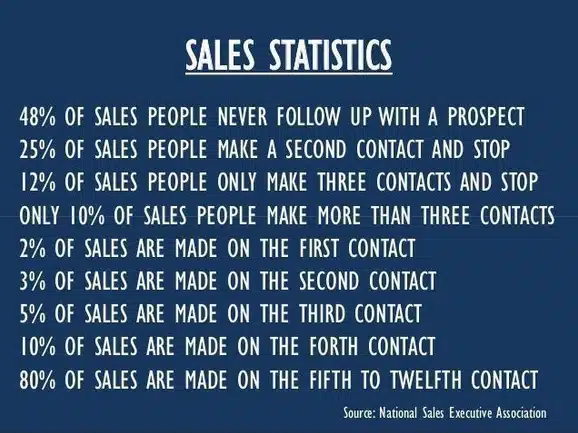
The modern digital economy is saturated with automated spam and unpersonalized pitches, creating an environment where prospective clients are naturally defensive. Amidst this inbox noise, the one-and-done outreach strategy yields dismal results. Industry data consistently shows that the overwhelming majority of sales, conversions, and freelance contracts are forged not during the initial point of contact, but through subsequent, carefully timed touchpoints. By failing to integrate a structured follow-up cadence into their business operations, freelancers are inadvertently leaving lucrative retainers on the table. This investigative feature explores the mechanics of high-converting cold outreach, the psychological shifts required to master follow-up timing, and the cutting-edge tools—from CRM extensions to generative artificial intelligence—that are transforming how modern independents secure high-paying writing contracts.
Detailed Chronology: The Evolution of Freelance Cold Outreach
To understand why contemporary cold email strategies succeed or fail, one must examine the chronological progression of a freelance outreach campaign. Historically, early-stage writers relied on content mills, bidding platforms, and public job boards to secure work. However, these platforms inherently commoditize writing, driving down rates and pitting creatives in a race to the bottom.
Phase One: The Shift to Direct Outreach
As the digital marketplace matured over the past decade, successful freelancers pivoted toward direct-to-client outreach. The playbook seemed straightforward: identify a target business, find the decision-maker’s email address, and send a Letter of Introduction (LOI).
Yet, an invisible bottleneck quickly emerged. Writers would send twenty emails on a Monday, receive zero responses by Friday, and conclude that cold email was a dead strategy. This chronological misstep—expecting instantaneous enterprise-level conversion from a cold lead—plagued the freelance community for years.
Phase Two: Recognizing the Multi-Touch Reality
As sales science evolved, industry practitioners began importing B2B enterprise sales methodologies into freelance writing. Pioneers recognized that cold emailing is not a transactional vending machine; it is the genesis of a relationship. The timeline of conversion rarely aligns with a freelancer’s financial pressures. A prospect might read a brilliantly crafted pitch on a Tuesday, experience zero content needs that week, but face a massive content crisis three months later when a key staff writer departs.
Phase Three: The Automation and AI Integration Era
Today, the chronology of outreach has entered its most sophisticated epoch. Writers no longer rely solely on memory or messy desktop sticky notes. The integration of lightweight CRM tools like Streak for Gmail and conversational AI agents such as Claude and ChatGPT has allowed freelancers to automate the administrative burden of tracking multi-touch cadences. Outreach has transformed from a chaotic weekly chore into a predictable, machine-assisted marketing funnel where timing, personalization, and persistence intersect seamlessly.
Supporting Context & Metrics: The Science of Persistence
To appreciate the necessity of follow-up emails, one must examine the empirical data driving modern sales and marketing funnels. The common human aversion to perceived rejection often leads freelancers to interpret silence as a permanent rejection. Data, however, tells a radically different story.

The Mathematics of the Ignored Inbox
Industry benchmarks regarding cold outreach reveal several stark realities:
- The Noise Factor: Modern business executives and marketing directors receive dozens, if not hundreds, of cold pitches weekly. An initial email is routinely buried beneath urgent operational demands, calendar invites, and internal communications. Silence is rarely a deliberate rejection; frequently, it is merely oversight.
- The Threshold of Conversion: Historical sales statistics indicate that a staggering percentage of all sales and service contracts require multiple points of contact before a prospect commits. Relying on a single email means a freelancer is operating within a tiny fraction of their true market potential.
- The Timing Mismatch: The statistical probability that a prospect requires a specialized freelance writer at the exact microsecond an initial email arrives is exceptionally low. By establishing a rhythm of follow-ups, a writer shifts from being an ill-timed interruption to a timely solution when an internal content void finally opens up.
The Psychology of Personalization
A major contributor to the poor reputation of cold emailing is the proliferation of lazy, AI-generated mass blasts. When an inbox receives ten generic, unpersonalized templates a day, fatigue sets in, and the delete key becomes an automated reflex.
Conversely, empirical feedback from digital publishers indicates that even modest personalization—such as referencing a recent company milestone, a specific piece of content published on their blog, or a mutual industry challenge—drastically alters open and reply rates. The threshold for distinction in the current marketplace is remarkably low precisely because so many practitioners rely on thoughtless automation. Taking three minutes to customize the opening sentence instantly elevates a writer into the top tier of inbound inquiries.
Official Insights & Industry Perspectives
Seasoned entrepreneurs and veterans of the digital business space have long advocated for systematic, respectful persistence. Sean Ogle, founder of Location Rebel, has spent over a decade observing the behavioral patterns of successful versus struggling digital freelancers.
"The whole point of this discussion is simply to follow up," Ogle emphasizes. "You’ve done all the hard work building your portfolio and writing samples. You’ve got a lead, researched the person, and spent time crafting a thoughtful email. Don’t let all that effort go to waste. Spend the extra few minutes to write a follow-up and create a schedule to send more."
According to industry leaders, a critical mindset shift must occur regarding the nature of the follow-up. Inexperienced writers often suffer from "imposter syndrome," worrying that checking in on an unread email constitutes harassment or spamming. Ogle draws a sharp, definitive line between these two concepts:
"Offering to help is not annoying; spamming is. And if they tell you to stop emailing them, take their email off your follow-up list immediately."
Furthermore, seasoned operators leverage seasonal business rhythms to maintain visibility without appearing desperate. By tying follow-ups to natural calendar shifts—such as prepping for end-of-year content pushes in November, launching new initiatives in mid-January, or scheduling check-ins at the start of spring and autumn quarters—freelancers transform automated reminders into organic, value-driven touchpoints. Combined with a low-pressure closing technique (often referred to as an "easy out"), these strategies keep communication channels wide open while respecting the prospect’s autonomy.
Future Outlook: Tools and Technologies Shaping Modern Outreach
As the freelance economy continues to expand globally, the barriers to entry for remote writing remain minimal, but the standards for operational efficiency are rising rapidly. The future belongs to independent professionals who treat their solo operations with the analytical rigor of a venture-backed enterprise.
CRM Integration and Workflow Optimization
The days of managing prospective clients through chaotic desktop spreadsheets or trusting memory are rapidly fading. Tools that transform standard email clients—such as Gmail—into fully functional customer relationship management (CRM) systems are becoming standard issue.
Applications like Streak allow freelancers to monitor email engagement, verify whether a pitch has been opened, and attach chronological notes to individual contacts. More importantly, they automate the scheduling of subsequent touchpoints, ensuring that no warm lead accidentally slips through the cracks due to human forgetfulness.
The Rise of AI-Assisted Operations
Perhaps the most transformative shift on the horizon is the integration of advanced conversational artificial intelligence into the administrative workflows of solo freelancers. While AI should never be utilized to draft lazy, unpersonalized cold pitches, tools like Claude and ChatGPT serve as exceptional executive assistants for pipeline management.
Freelancers can maintain an active running log within an AI environment, detailing outreach dates, target company profiles, conversation statuses, and response metrics. By prompting the AI for weekly or monthly progress reviews—such as tracking the conversion ratio from initial cold email to discovery call, and from discovery call to signed contract—writers gain unprecedented visibility into the health of their business funnel. This data-driven approach removes the emotional roller coaster of freelancing, replacing anxiety with predictable, systemic execution.
Conclusion: The Ultimate Competitive Advantage
Ultimately, securing consistent, high-paying freelance writing contracts is less about possessing secret literary genius and more about executing the boring, mechanical fundamentals with unwavering consistency. The market rewards those who show up, stand out through genuine personalization, and refuse to let silence deter them. By embracing a structured follow-up cadence, leveraging modern CRM and AI tracking tools, and viewing persistence as a service rather than a nuisance, aspiring writers can dramatically accelerate their journey toward financial independence and sustainable creative freedom.
