

Executive Overview
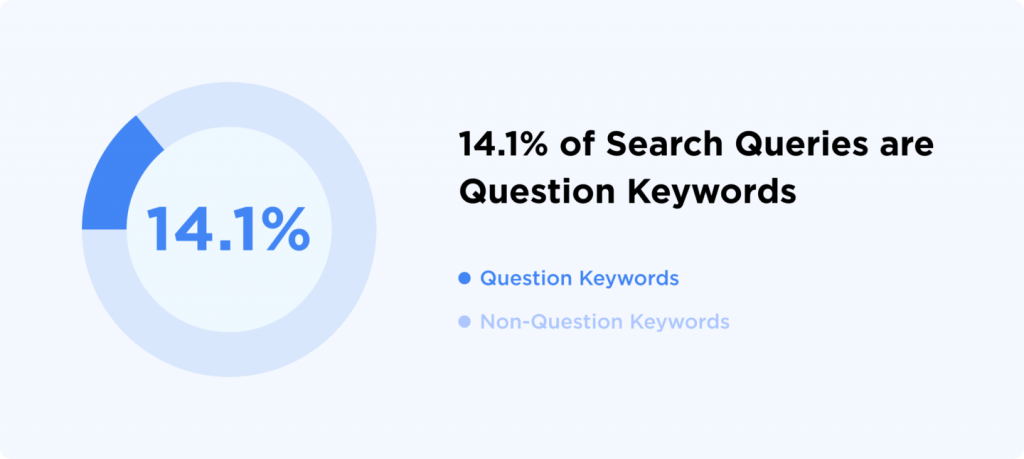
In the modern digital ecosystem, human curiosity is the primary driver of search engine traffic. Every single day, billions of users turn to Google, online forums, and specialized knowledge bases seeking immediate, authoritative answers to complex problems. Data indicates that a staggering 14.1% of all Google queries are framed as questions. When applied to a baseline of 3.5 billion daily global searches, this represents roughly 490 million question-based inquiries flooding search engines every 24 hours.
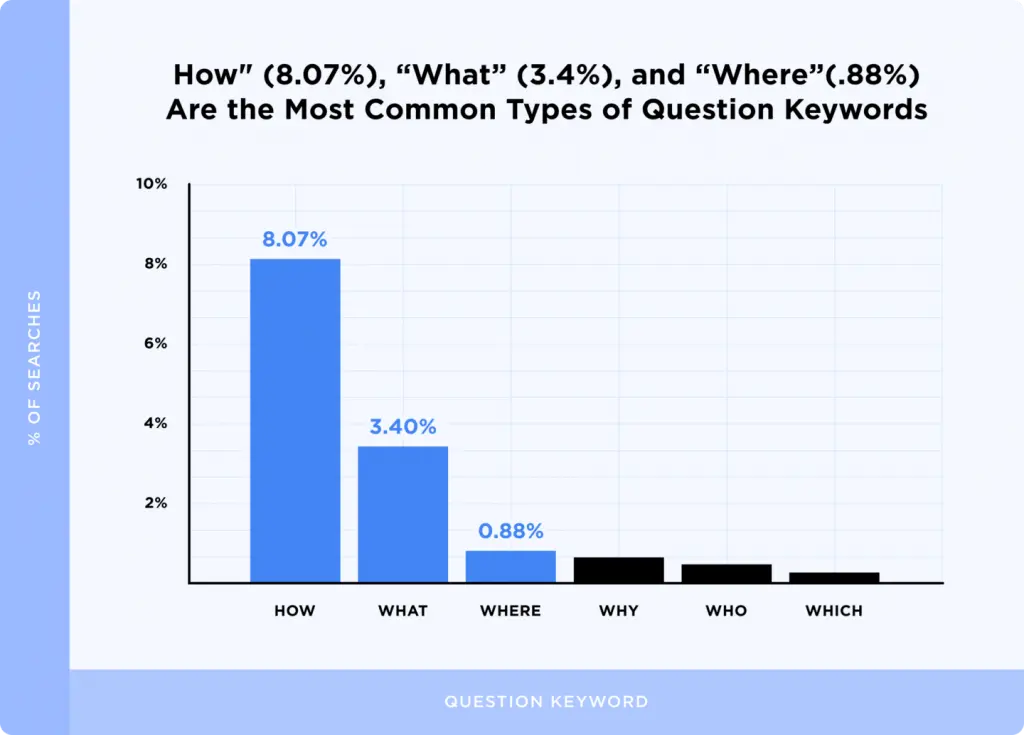
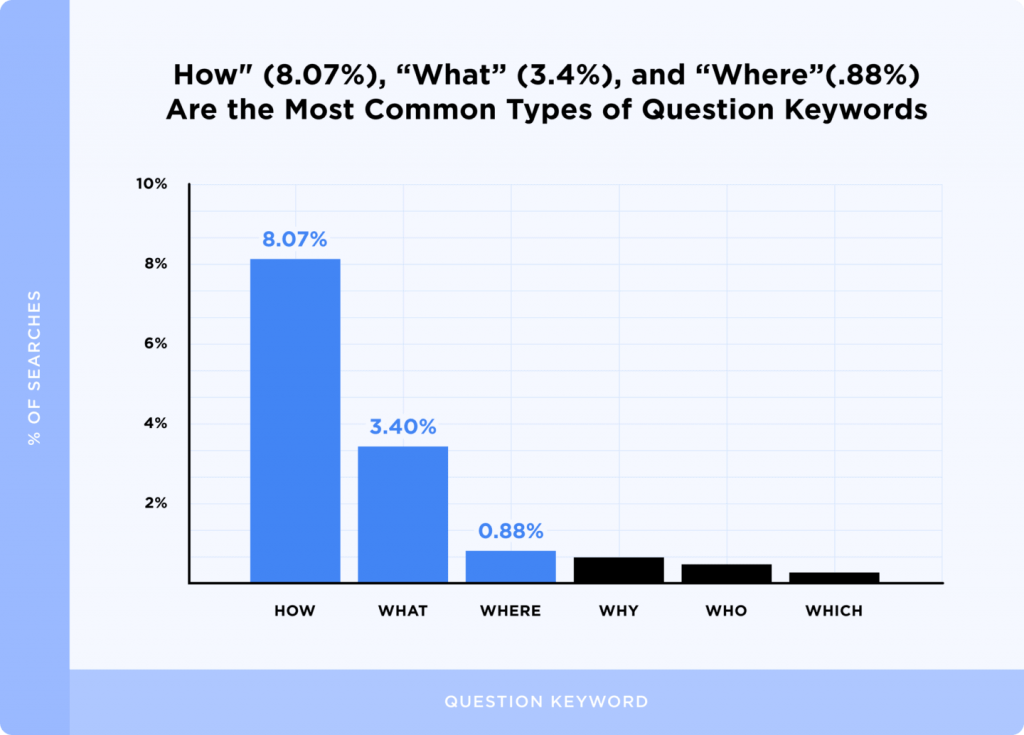
Predominantly led by interrogatives like "how" (accounting for over 8% of searches) and "what" (comprising 3.4%), these queries are overwhelmingly long-tail terms. Propelled further by the exponential rise of voice-activated technology and AI assistants, search behavior has shifted from rigid, truncated keyword strings to conversational, problem-solving phrases.
For content marketers, SEO professionals, and brand strategists, this shift presents a massive economic opportunity. Question-based keywords represent a dual-threat asset in organic search strategies: they boast exceptionally high user intent and typically suffer from significantly lower keyword competition than broad-head terms. By identifying and answering these specific consumer questions, brands can bypass the traditional, resource-intensive backlink-building grind, capture first-page rankings, and seamlessly integrate their products, services, or affiliate offers into high-intent buyer journeys.
This comprehensive investigative report outlines four battle-tested, highly scalable frameworks to unearth lucrative question-based keywords, leveraging enterprise SEO suites like Semrush, browser extensions, and niche forum mining to supercharge organic visibility.
Detailed Chronology: The Evolution of Search Intent and the Rise of Conversational Queries
To understand why question-based keyword research is the definitive growth frontier for modern search engine optimization, one must examine how search engine algorithms and user behaviors have evolved over the past decade.
Phase 1: The Era of Truncated Keywords (Pre-2015)
In the early days of commercial search engines, users were conditioned to speak "machine language." A consumer looking for customer relationship management software would type rigid, fragmented strings into the search bar, such as "CRM software features" or "best CRM system". Search engines relied heavily on exact-match keyword matching, rewarding sites that stuffed these mechanical phrases into their metadata and web copy.
Phase 2: The Semantic Shift and Natural Language Processing (2015–2020)
With the rollout of major algorithmic milestones like Google’s Hummingbird and BERT (Bidirectional Encoder Representations from Transformers), search engines underwent a cognitive revolution. Instead of scanning for isolated keywords, algorithms began understanding the context and intent behind strings of words. Users quickly realized they no longer needed to talk to computers like robots. They could ask complex, conversational questions just as they would talk to a human expert.
Phase 3: The Voice Search and Mobile Dominance Era (2020–Present)
The proliferation of smartphones, smart speakers, and in-car navigation systems permanently cemented voice search as a dominant daily habit. When speaking aloud, humans naturally use interrogative structures: "Siri, what is the best CRM that integrates with my accounting software?" or "How do I fix a clogged drain without calling a plumber?"
As a result, search engines aggressively adapted. SERPs evolved to feature specialized real estate designed exclusively to answer these conversational queries—most notably, the "People Also Ask" (PAA) box, featured snippets, and knowledge graphs. Content creators who failed to adapt to this conversational paradigm watched their organic traffic plateau, while agile brands capitalizing on question-based long-tail keywords captured the lion’s share of high-intent web traffic.
Supporting Context & Metrics: Why Question Keywords Represent a Digital Goldmine
When executing keyword research, many digital marketers suffer from volume bias—obsessing over high-volume, head-term keywords like "CRM" or "beard oil," only to realize those terms are dominated by multi-million-dollar legacy enterprises with insurmountable domain authority.

Question-based keywords flip this traditional paradigm upside down by offering two unique strategic advantages:
[High User Intent] + [Low Keyword Competition] = Accelerated First-Page Rankings1. Exceptional User Intent
When an internet user enters a question into a search bar, they are not passively browsing. They are actively experiencing a pain point, seeking a definition, or trying to solve a logistical roadblock at that exact moment.

For example, a user searching for "What is a CRM database?" is likely at the top of the marketing funnel, researching foundational concepts. Conversely, a user searching "Can a CRM be integrated with an ERP?" or "Is HubSpot HIPAA compliant?" is operating at the bottom of the funnel, actively evaluating technical integrations or vendor compliance constraints. By anticipating these specific inquiries, brands can position their products or services as the definitive, frictionless solution to the user’s immediate problem.
2. Low Keyword Competition and Reduced Friction
Because question-based keywords are inherently long-tail, they generate lower aggregate search volumes than broad head terms. However, their cumulative traffic potential across a large content cluster is massive. More importantly, legacy competitors often ignore these hyper-specific queries in favor of broad-term domination.

Consequently, the keyword difficulty (KD) scores for question queries are frequently skewed toward the lower end of the spectrum. This means content creators can frequently rank on page one of Google for these terms with concise, highly relevant content—often without launching expensive, months-long link-building campaigns.
Four Advanced Frameworks to Scale Question-Based Keyword Research
Scaling question-based keyword research manually is a fool’s errand. Sifting through millions of data points, copying, pasting, and organizing queries one by one will quickly drain team resources. Below are four automated, highly efficient methodologies to unearth thousands of profitable, low-competition question keywords at scale.

Framework 1: Leveraging Enterprise SEO Question Reports
The most direct path to discovering question keywords is utilizing the built-in question reports provided by major enterprise SEO platforms like Semrush or Ahrefs.
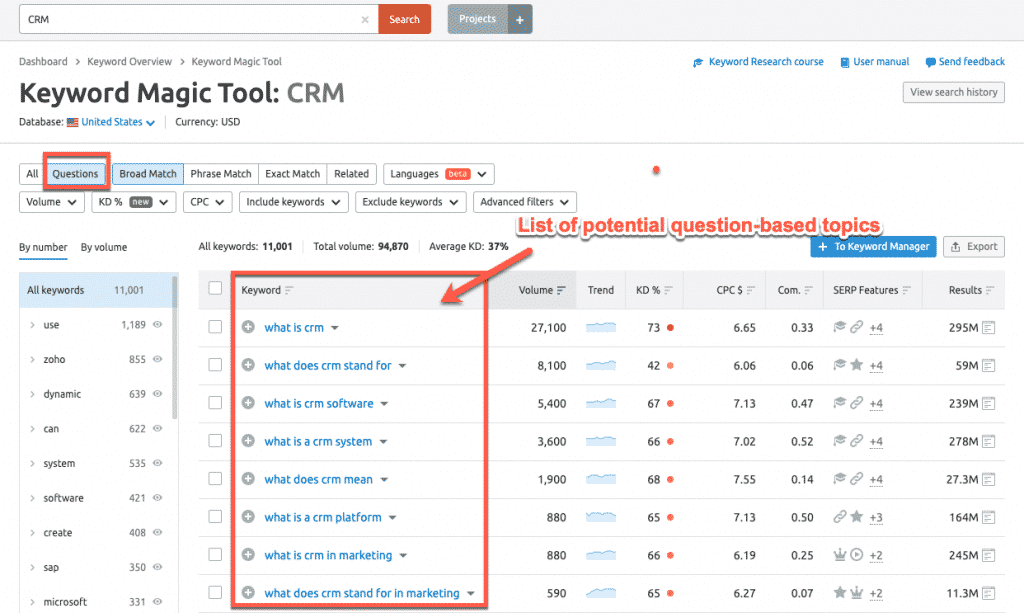
- Step 1: Navigate to your SEO platform of choice and access the Keyword Magic Tool or Keyword Overview report.
- Step 2: Enter a broad seed topic relevant to your industry (e.g.,
"CRM","ERP", or"project management"). - Step 3: Apply the platform’s dedicated "Questions" filter. The software will instantly filter out millions of head terms and present a curated list of every recorded query containing interrogative modifiers (
who,what,where,when,why,how,can,is). - Step 4: Analyze the hierarchy of intent. At the top of the report, you will find broad, high-volume questions (e.g.,
"What is a CRM?"). As you scroll deeper into the report, you will uncover ultra-specific, low-competition long-tail queries (e.g.,"Can a CRM be integrated with an ERP?"or"What features should I look for in a CRM database?"). - Step 5: Leverage advanced intent and grouping filters within the platform to isolate commercial or transactional question intent, then batch-export these selections directly into your master content calendar.
Framework 2: Mining the "People Also Ask" (PAA) Box at Scale
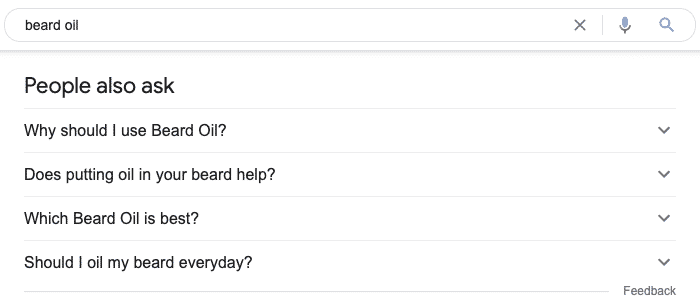
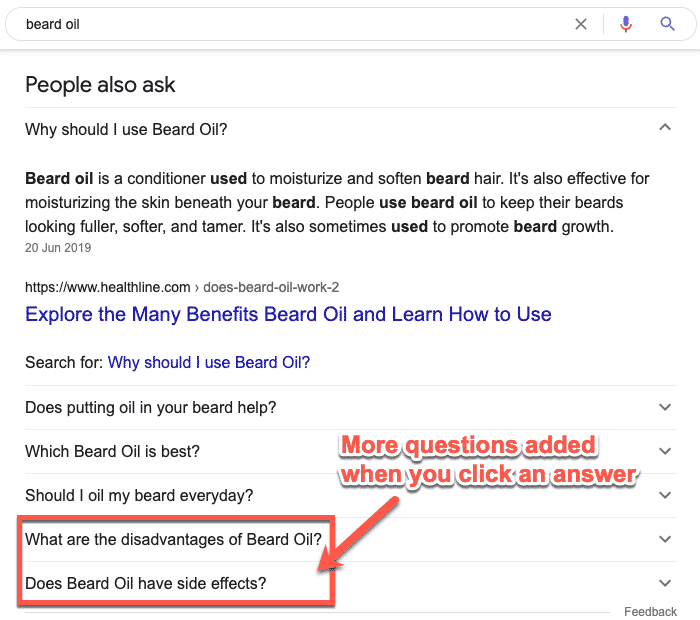
Google’s "People Also Ask" box is a goldmine of real-time consumer intent. These are literally the questions real users are submitting to Google every second. However, manually clicking open PAA boxes, expanding sub-questions, and copy-pasting results is entirely unscalable.

To automate this workflow, deploy a high-efficiency browser extension like SEO Minion:
- Install the SEO Minion extension into your browser.
- Perform a search query in Google for your target seed keyword.
- Open the SEO Minion widget on the top right of the SERP, select the "Export PAA" feature, and choose your desired depth (e.g., extract the top 100 to 200 PAA results).
- Export the resulting CSV file, which will contain structured columns including the PAA title, associated text, source URL, and URL title.
- Copy the column of extracted question titles, paste them in bulk into the Semrush Keyword Overview tool, and run a batch analysis.
- Filter the resulting dataset by search volume and Keyword Difficulty (KD) scores. While only a small percentage of extracted PAA questions will feature high search volume, scaling this process across 10 to 20 seed topics will yield a substantial repository of low-competition, high-intent editorial targets.
Framework 3: Mining Niche Subreddits for Organic Gaps
Online communities are where consumers speak candidly about their frustrations, feature requests, and product comparisons without corporate marketing filters. Reddit hosts dedicated subreddits for virtually every niche, industry, and software ecosystem on earth.
- Step 1: Identify a subreddit closely tied to your product, competitor ecosystem, or buyer persona pain points (e.g.,
r/CRM). - Step 2: Copy the specific URL of that subreddit and plug it into Semrush’s Organic Research report, ensuring you select the subfolder scope (
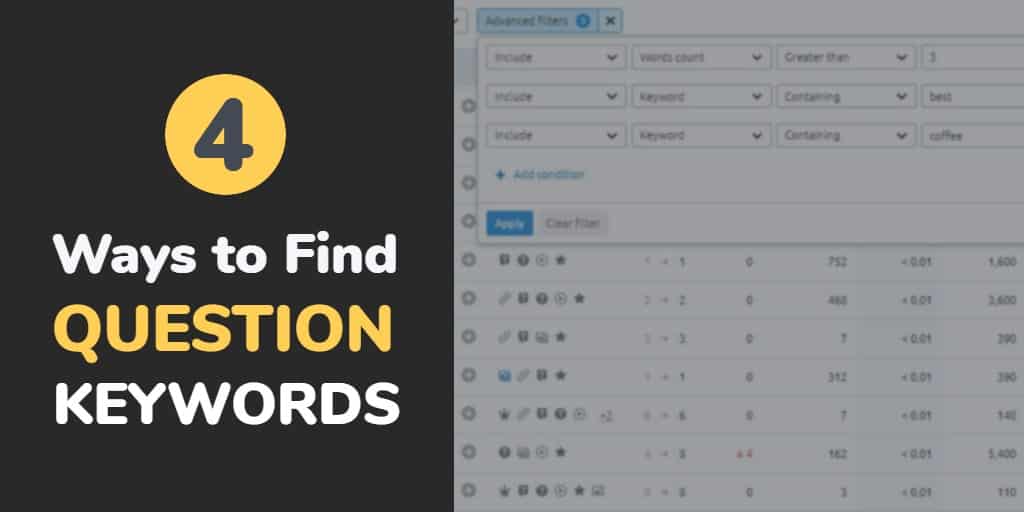
reddit.com/r/CRM/). - Step 3: Layer on advanced organic search filters. For example, set the minimum search volume threshold to 20+ and apply a word-count filter to include keywords longer than two words.
- Step 4: Scan the results for low-competition, green- or light-yellow-tier keyword difficulty scores. Look for comparative phrasing ("HubSpot vs Salesforce"), vertical-specific inquiries ("best CRM for gyms" or "best CRM for contractors"), and technical compliance questions ("HIPAA compliant CRM" or "Is HubSpot HIPAA compliant?").
- Step 5: Capitalize on these insights by creating dedicated landing pages or blog posts that address these specific compliance or vertical needs—positioning your product as the superior alternative where competitors fall short.
Framework 4: Unearthing Hidden Gems via High-Traffic Quora Threads
Quora is a massive crowdsourced knowledge repository that frequently dominates SERP real estate for niche, question-based search queries. Beyond driving direct referral traffic through active participation, Quora serves as an incredible keyword mining ground.
- Step 1: Access the Organic Research tool within Semrush.
- Step 2: Input Quora’s domain (
quora.com) as your target. - Step 3: Apply advanced URL and keyword filters to isolate threads containing your target industry terms alongside question modifiers (e.g., URL contains
/topic/Beard-Oiland keyword includes"how"or"best"). - Step 4: Review the resulting query report to discover niche questions that traditional keyword research tools frequently miss.
- Step 5: Click the
+icon next to relevant terms to add them to your keyword manager, export the data to a spreadsheet, build structured content briefs, and assign them to your editorial team.
Future Outlook: The AI Search Revolution and the Imperative of Granular Intent
As artificial intelligence transforms the search landscape through generative search experiences (such as Google’s Search Generative Experience and conversational AI search engines like ChatGPT and Perplexity), the nature of search engine optimization is undergoing a permanent metamorphosis.
In an AI-driven search economy, general informational queries will increasingly be answered directly within zero-click AI summary boxes. However, hyper-specific, nuanced, and experience-backed questions will continue to require authoritative, human-validated sources. AI models rely on structured, highly specific data to synthesize answers; therefore, web pages that directly, comprehensively, and authoritatively answer complex user questions will be heavily favored as primary source citations in AI-generated responses.
Key Takeaways for Content Strategists:
- Shift from Volume to Granularity: Stop chasing impossible head terms. Focus your resources on capturing clusters of ultra-specific, low-competition question keywords that signal bottom-of-the-funnel buyer intent.
- Automate Research Workflows: Utilize tools like Semrush, SEO Minion, and forum-scraping methodologies to scale your keyword acquisition pipelines.
- Answer Unmet Market Needs: Monitor communities like Reddit and Quora to identify product gaps, compliance anxieties, and integration roadblocks, transforming those insights into high-converting differentiators for your brand.
By integrating these four advanced frameworks into your regular SEO workflow, your organization will not only future-proof its content strategy against shifting algorithmic tides but will also capture high-intent audiences precisely when they are looking for answers.