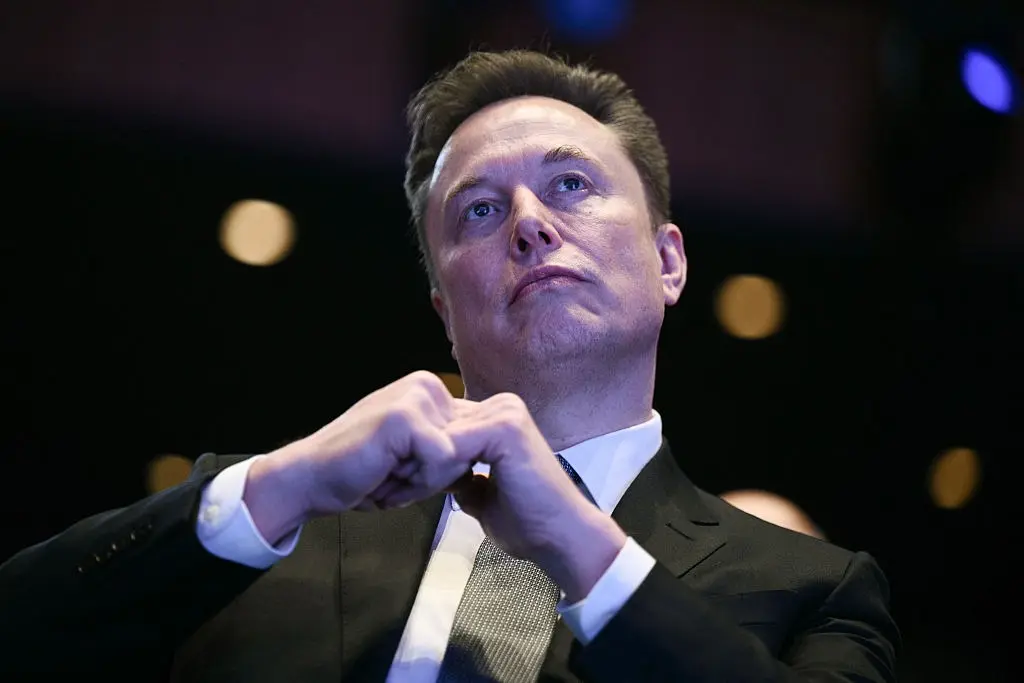
The 2026 U.S. Senate race in Texas—long considered a safe, unassailable stronghold for the Republican party—transformed into one of the most expensive and volatile political battlegrounds in American history. At the center of this seismic shift is Elon Musk, the world’s wealthiest individual, whose unprecedented financial intervention reshaped the political landscape of his adopted home state. Facing an energetic, well-funded Democratic challenger in Austin state representative James Talarico, and burdened by a severely depleted Republican primary apparatus, national GOP strategists feared an unthinkable outcome: losing a statewide seat in Texas for the first time in over three decades.
Enter Elon Musk. Utilizing a sophisticated network of super PACs, including the Senate Leadership Fund (SLF) and America PAC, the Tesla, SpaceX, and X chief executive poured nearly $190 million into a massive, multi-tiered rescue operation for Republican nominee Ken Paxton. Musk’s unprecedented cash infusion completely reversed a severe fundraising and ad-spending deficit, arming the GOP with the financial firepower necessary to flood Texas television, radio, and digital airwaves.
While Musk’s financial muscle has effectively reasserted Republican dominance on the airwaves, the intervention has drawn intense scrutiny. Critics point to Paxton’s history of shielding Musk and his corporate entities from regulatory oversight, even as the Texas Attorney General aggressively targets other major technology firms. As the midterm elections reach their fever pitch, Musk’s colossal investment highlights the expanding nexus of ultra-wealthy tech moguls and high-stakes partisan politics, turning Texas into the ultimate laboratory for billionaire-backed electoral engineering.
Detailed Chronology of a Financial Rescue Mission
Late Summer Vulnerability and the Primary Aftermath
The seeds of Musk’s intervention were planted in the wake of a grueling Republican primary. Ken Paxton, advancing to the general election ticket, had completely drained the coffers of his primary outside group, Lone Star Liberty PAC. By the end of June, the PAC sat with a paltry $35,000 in cash reserves.
Compounding Republican anxieties, Democratic nominee James Talarico was on an unprecedented fundraising tear. Talarico shattered records by hauling in $64 million between July and September—marking a third-quarter record for any U.S. Senate candidate in modern history. Armed with these contributions, Talarico consistently maintained a polling lead across nonpartisan public surveys, signaling genuine vulnerability for the incumbent GOP apparatus. Recognizing the emergency, SLF leadership estimated that saving Paxton’s bid would require an extraordinary $150 million to $200 million—resources that typically would have been distributed across competitive battleground states nationwide.
The September Cash Influx
Realizing the dire state of the race, Musk’s political team reached out directly to the Senate Leadership Fund to express deep concern over Paxton’s sliding electoral standing. This dialogue forged a strategic alliance. According to reports, Musk initially agreed to provide $10 million to Lone Star Liberty PAC, conditional upon an SLF contribution of $5 million and matching local fundraising efforts.
However, that initial arrangement was merely a precursor to a far grander financial maneuver. On September 9—coinciding with the opening day of the GOP midterm convention in Dallas—Musk delivered a staggering $75 million check directly to the Senate Leadership Fund.
The transaction velocity was immediate:
September 9: Musk donates $75 million to SLF.
September 10: SLF transfers $75 million into a newly formed entity named Texas PAC.
Mid-September: Texas PAC launches aggressive ad campaigns across Texas, featuring positive spots highlighting Paxton’s record on sex trafficking alongside negative attacks branding Talarico as being for “they/them, not you.”
Late September: Two weeks after his initial contribution, Musk injects an additional $83 million into SLF, which immediately funnels the exact sum into Texas PAC’s coffers on the following day.
In total, Musk’s direct and indirect contributions to the Senate GOP’s primary vehicle neared $190 million, obliterating previous campaign finance norms for a single midterm race.
Supporting Context & Metrics: The Numbers Behind the Flood
The sheer scale of Musk’s financial deployment cannot be overstated. By leveraging Texas PAC to book airtime, SLF and its affiliates transformed an existential deficit into an overwhelming media monopoly.
Ad-Spending Dominance: According to data from media tracking firm AdImpact, SLF and its allied super PACs plowed over $159 million into television, radio, and digital advertising. This figure effectively doubled the ad outlays generated by Talarico’s historic campaign fund.
Total Outside Outlays: By the end of September, a coalition of outside conservative groups led by SLF had pumped a cumulative total of more than $217 million into the Texas Senate contest.
Ground Game Deployment: America PAC, the primary vehicle for Musk’s ground operations—which he seeded with nearly $90 million in the previous quarter—channeled $18.8 million specifically into the Senate race. More than 80% of these funds were dedicated to aggressive anti-Talarico messaging via text campaigns, direct mailers, and digital ads.
Down-Ballot Ripple Effects: Musk’s electoral footprint extended beyond the Senate race. America PAC allocated roughly $800,000 to bolster Republican candidates across five of the state’s most fiercely contested U.S. House districts, most notably targeting the newly redrawn San Antonio-area 35th Congressional District.
Broadening Conservative Donor Participation
Musk’s historic spending acted as a catalyst, drawing other prominent, historically sidelined Texas mega-donors back into the federal fold:
Farris Wilks: The West India oil billionaire contributed $250,000 to one of Paxton’s joint fundraising committees in August, marking his first major federal expenditure of the cycle.
Alex Fairly: The Amarillo billionaire supplemented a maximum $7,000 direct primary contribution with a late-August donation of $274,300 to Paxton’s joint fundraising committee.
The Jones Family: The Dallas Cowboys leadership contributed heavily, with team president Stephen Jones ($122,000) and chief sales/marketing officer Jerry Jones Jr. ($100,000) joining owner Jerry Jones, who had already given a six-figure sum earlier in the year.
Official Statements and Political Reactions
The mechanics and motivations behind the billionaire-backed rescue mission have drawn sharp contrast from political operatives and party leaders alike.
Defending the aggressive realignment of national resources, SLF executive director Alex Latcham emphasized the strategic necessity of the move in an interview with Bloomberg TV:
"Thanks to some generous investors who have dedicated money to an affiliate, Texas PAC, we’ve been able to go in and support Ken Paxton. We’ll spend nearly $200 million in that race. But again, thanks to Leader John Thune and the Republican caucus and our fundraising, we haven’t had to subtract resources from other states to do so."
National Republican campaign apparatuses have similarly leaned into Musk’s personal narrative to energize the conservative base. A fundraising email distributed by the National Republican Senatorial Committee (NRSC) framed Musk’s Texas investments as an ideological crusade:
"Elon Musk understands what it’s like to live under far left Democrats. He fled an oppressive regime in California that crippled the state with a radical agenda before finding a new home in Texas. But now, the same Far Left Democrats that ran California into the ground are coming to SEIZE Elon’s new home!"
Conversely, Democratic strategists and government watchdog groups have underscored the irony of Musk’s corporate alignment with Paxton, noting a distinct lack of regulatory oversight directed toward Musk’s corporate empire.
Future Outlook and Broader Implications
The 2026 Texas Senate race serves as a watershed moment for American electoral politics, illustrating how decentralized, billionaire-led funding operations can fundamentally alter the trajectory of a state election in a matter of weeks. By shifting the financial baseline of the race from standard small-donor fundraising to nine-figure infusions from a single tech titan, the Republican Party managed to stabilize a sinking campaign.
However, the symbiotic relationship between Ken Paxton and Elon Musk invites long-term governance questions. While Paxton has aggressively targeted major technology conglomerates—suing entities like Meta, Netflix, WhatsApp, and Discord over child safety and consumer protection issues—his office has notably bypassed heavy regulatory scrutiny of Musk’s platform, X, and its artificial intelligence subsidiary, xAI. Democratic state representatives and cross-state attorney general coalitions have repeatedly pressed Paxton to investigate issues ranging from bot inflation to the generation of exploitative AI content by Grok, calls that have largely gone unaddressed by the Attorney General’s office.
As Musk surpasses his total 2024 political expenditures during this single midterm cycle—anchoring the vast majority of his capital in his adopted home state—the implications extend far beyond the November ballot box. Whether Texas remains a dependable Republican fortress or shifts into a competitive two-party state, the 2026 contest has cemented a new era of American politics: one where multi-billionaires do not merely participate in the democratic process, but actively underwrite its outcomes.