

Executive Overview
The intersection of entertainment, high-speed athletics, and retail commerce has yielded one of the most prolific weeks for corporate partnerships and cross-industry campaigns in recent memory. As consumer attention fragments across an unprecedented number of digital channels, brands are no longer relying on traditional, siloed marketing strategies. Instead, the current advertising landscape is defined by bold, unexpected collaborations that bridge disparate worlds—from the high-octane tarmac of Formula 1 to the down-to-earth aisles of wholesale clubs, and from the sophisticated luggage racks of luxury travel to the surreal comedy of internet sketch troupes.
This comprehensive overview examines the strategic rationale behind this week’s most prominent brand alliances, marketing campaigns, and commercial activations. By leveraging high-profile celebrity talent, unexpected cross-brand synergies, and data-driven insights from industry leaders like EDO, contemporary marketers are fighting through the noise to capture consumer mindshare. Behind these playful campaigns and high-profile team-ups lies a rigorous economic imperative: driving measurable engagement, building cultural currency, and fostering deep consumer loyalty in an increasingly competitive marketplace.
Detailed Chronology & Campaign Breakdown
The past week has witnessed a dizzying array of brand activations. To understand the current trajectory of modern advertising, it is essential to trace the individual campaigns making waves across the industry, examining how these partnerships came to fruition and what they reveal about contemporary consumer tastes.
High-Speed Hydration and Pop Culture Collaborations
Kicking off the week’s major announcements, hydration brand Liquid I.V. revealed a high-profile partnership with McLaren Racing Formula 1. This alliance places the electrolyte drink manufacturer firmly in the fast-paced, global spotlight of elite motorsport. Formula 1 has experienced an unprecedented surge in popularity, particularly in North America, largely fueled by docuseries and digital content. For Liquid I.V., aligning with McLaren provides an association with peak human performance, endurance, and cutting-edge engineering, positioning the brand not just as a hangover remedy or post-workout supplement, but as an essential fuel for elite competitors and active consumers alike.
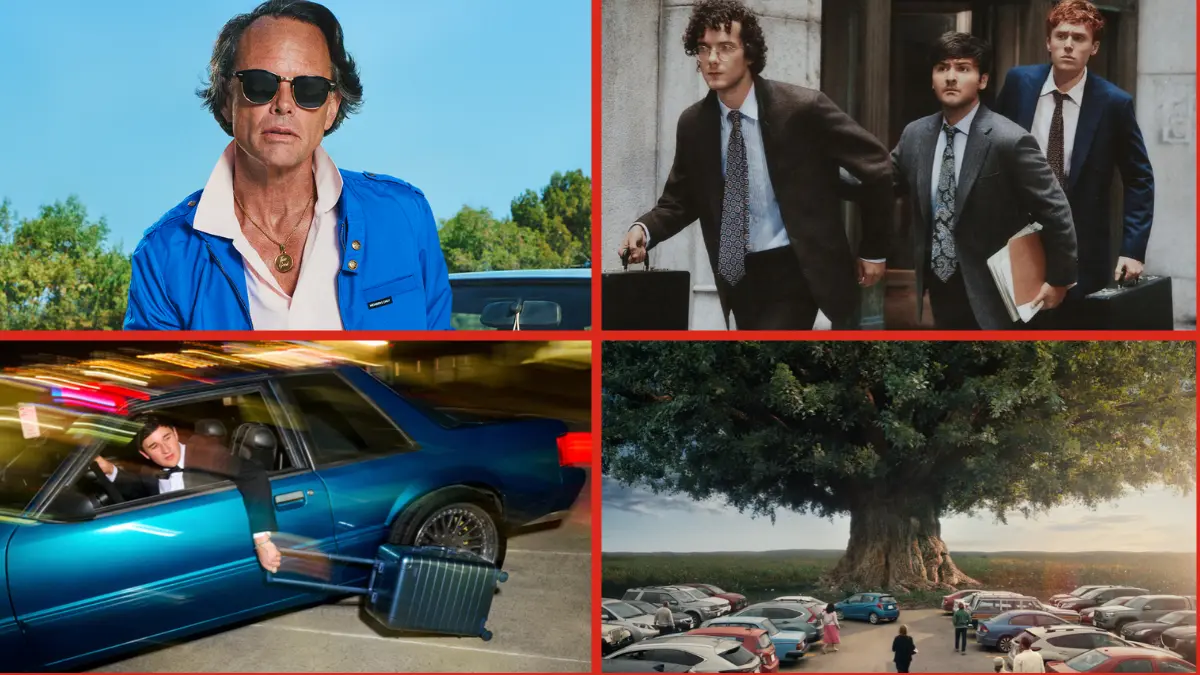
Simultaneously, the retail juggernaut Walmart and its warehouse sibling Sam’s Club enlisted a heavy-hitting comedic duo: Walton Goggins and Jason Sudeikis. The actors have teamed up to anchor a new campaign celebrating the symbiotic relationship and operational synergies between the two retail giants. By pairing Goggins’ trademark intensity with Sudeikis’ affable charm, the campaign injects theatrical personality into the everyday logistics of grocery shopping and bulk retail savings.
Travel, Fashion, and Comedy
In the travel and lifestyle sector, electronic music superstar John Summit has taken on a prominent new role with luxury luggage and travel brand Away. Known for his high-energy performances and relentless global touring schedule, Summit embodies the modern road warrior. This partnership moves away from traditional travel influencers, tapping instead into the authentic lifestyle of a touring artist who relies on durability, sleek design, and functional organization to survive life out of a suitcase.
Meanwhile, the comedic trio behind Please Don’t Destroy—known for their absurdist sketches on Saturday Night Live—are cleaning up and suiting up in a new campaign for J. Crew. The pairing of the notoriously disheveled internet comedians with a heritage preppie brand known for tailored menswear creates an immediate comedic tension. By subverting traditional fashion advertising tropes, J. Crew successfully modernizes its image, appealing to younger, digitally native demographics who value self-deprecating humor and authenticity over stiff, aspirational perfection.
Financial Markets, Bargain Retail, and Feline Affection
Venturing into more unconventional territory, prediction market platform Kalshi enlisted NBA defensive stalwart Dillon Brooks for a campaign centered around blocking his biggest on-court rival. The spot cleverly weaves the high-stakes, speculative nature of financial markets and prediction platforms into the competitive, adversarial theater of professional basketball.
On the retail front, everyday shoppers are rediscovering the value proposition of Dollar Tree through targeted campaigns highlighting deep bargains amid ongoing economic pressures. Conversely, pet care brand Sheba has launched an audacious marketing blitz featuring a bold guarantee: they can make your cat fall irreversibly in love with you through their premium culinary offerings. These campaigns demonstrate the broad spectrum of modern advertising—ranging from hyper-targeted financial tech to whimsical pet care solutions.
Supporting Context & Metrics: The Science of Advertising Effectiveness
Behind the creative veneer of these campaigns lies a rigorous, data-driven ecosystem. Understanding why these particular advertisements resonate requires looking at metrics, consumer psychology, and the mechanics of engagement provided by analytics partners such as EDO.
The EDO Partnership and Ad Effectiveness
As part of this week’s industry roundup, our Most Effective Ad of the Week—produced in partnership with EDO, a TV measurement and data company—brings a much-needed dose of whimsy to the analytical side of media. EDO measures real-time consumer intent by tracking immediate online behavioral responses—such as searches, site visits, and direct engagement—following a television commercial broadcast.
In an era where traditional TV metrics like Nielsen ratings measure passive viewership, EDO’s engagement metrics measure active interest. The campaign recognized this week succeeded not merely because it was entertaining or starred a recognizable face, but because it triggered an immediate behavioral shift in the viewer. Whimsy, humor, and emotional resonance are proving to be powerful catalysts for immediate consumer action, cutting through the commercial clutter far more effectively than hard-sell messaging.
The Economics of Cross-Industry Synergies
The partnerships unveiled this week highlight several key economic drivers shaping modern marketing budgets:
- Audience Cross-Pollination: By pairing a brand like Liquid I.V. with McLaren Racing, both entities gain access to each other’s distinct demographic pools—merging health-conscious wellness enthusiasts with affluent, global motorsport fans.
- Authenticity Through Endorsers: Utilizing figures like John Summit for Away or Walton Goggins and Jason Sudeikis for Walmart/Sam’s Club grounds corporate entities in cultural relevance. Consumers today possess finely tuned radar for inauthentic sponsorships; aligning with creators and actors who match the brand’s actual lifestyle utility builds immediate trust.
- Value vs. Aspiration: The simultaneous promotion of luxury travel (Away) and deep discount retail (Dollar Tree, Walmart/Sam’s Club) reflects the bifurcated nature of modern consumer spending. Advertisers must cater both to consumers seeking affordable essentials during inflationary pressures and to affluent experience-seekers prioritizing lifestyle upgrades.
Official Statements and Industry Perspectives
While many of these campaigns rely on visual storytelling and comedic performances, corporate leadership and marketing architects behind these ventures have offered insight into the strategic intent driving these collaborations.
Executives at McLaren Racing noted that the alliance with Liquid I.V. represents a shared commitment to relentless innovation and optimal performance. "In Formula 1, every millisecond counts, and every variable of human performance must be optimized," a team spokesperson stated. "Partnering with a leader in active hydration ensures our drivers and crew maintain peak cognitive and physical stamina throughout a grueling global calendar."
Similarly, marketing representatives for Walmart emphasized that the collaboration featuring Walton Goggins and Sudeikis is designed to highlight the seamless ecosystem between traditional brick-and-mortar retail and bulk wholesale shopping. "Consumers today want convenience, value, and a touch of entertainment in their daily lives," a senior retail executive remarked. "By bringing together two incredible comedic talents, we are reminding shoppers that saving money doesn’t have to feel like a chore—it can be an engaging, entertaining experience."
In the fashion and lifestyle space, representatives for J. Crew highlighted that welcoming the Please Don’t Destroy comedians into the brand’s stylistic fold was an intentional step toward cultural revitalization. "Classic style is timeless, but how we talk about it must evolve," a brand strategist explained. "By partnering with comedic voices who speak directly to the next generation of consumers, we are proving that tailored fashion can be accessible, fun, and entirely self-aware."
Future Outlook: Where Brand Partnerships Are Headed
As we look toward the remainder of the year and into the future of commercial advertising, several clear trends emerge from this week’s flurry of activity. The traditional boundaries separating entertainment, sports, finance, and retail are dissolving completely.
1. The Rise of the Multi-Hyphenate Brand Ambassador
Gone are the days of the simple celebrity endorsement where a famous face holds up a product in a static print ad. Today’s brand ambassadors—whether it is an electronic music producer designing travel gear, or sketch comedians styling preppy menswear—are deeply integrated into the creative storytelling process. Future campaigns will demand true cultural synthesis between the endorser’s personal brand and the corporate entity’s mission.
2. Data-Informed Whimsy
As measurement tools like EDO become more sophisticated, marketers no longer have to guess whether humor or emotional whimsy works. They can prove it in real-time. This validation will likely lead to a renaissance of creative, lighthearted, and surreal advertising. When data shows that a touch of absurdity drives higher consumer search intent than a dry list of product features, creative directors will be emboldened to take bigger artistic risks.
3. Hyper-Niche Micro-Crossovers
We are also likely to see an increase in hyper-niche collaborations—such as financial prediction markets partnering with gritty professional athletes, or pet care brands making bold emotional guarantees. Brands will continue to mine unexpected subcultures to find passionate, highly engaged communities that traditional broad-stroke advertising fails to reach.
Ultimately, the brand-alliance boom of this week serves as a masterclass in modern marketing agility. By embracing cross-industry partnerships, investing in authentic comedic talent, and backing creative risks with rigorous data analytics, forward-thinking brands are proving that the future of advertising belongs to those bold enough to connect the seemingly disconnected.