

Executive Overview
In an era defined by hyper-vigilance, digital accountability, and the rapid erasure of compromised creators, the boundary between ethical purity and artistic appreciation has never been more fiercely contested. As cultural institutions increasingly capitulate to public pressure, bowing before the altar of digital consensus, we are losing our capacity for nuance.
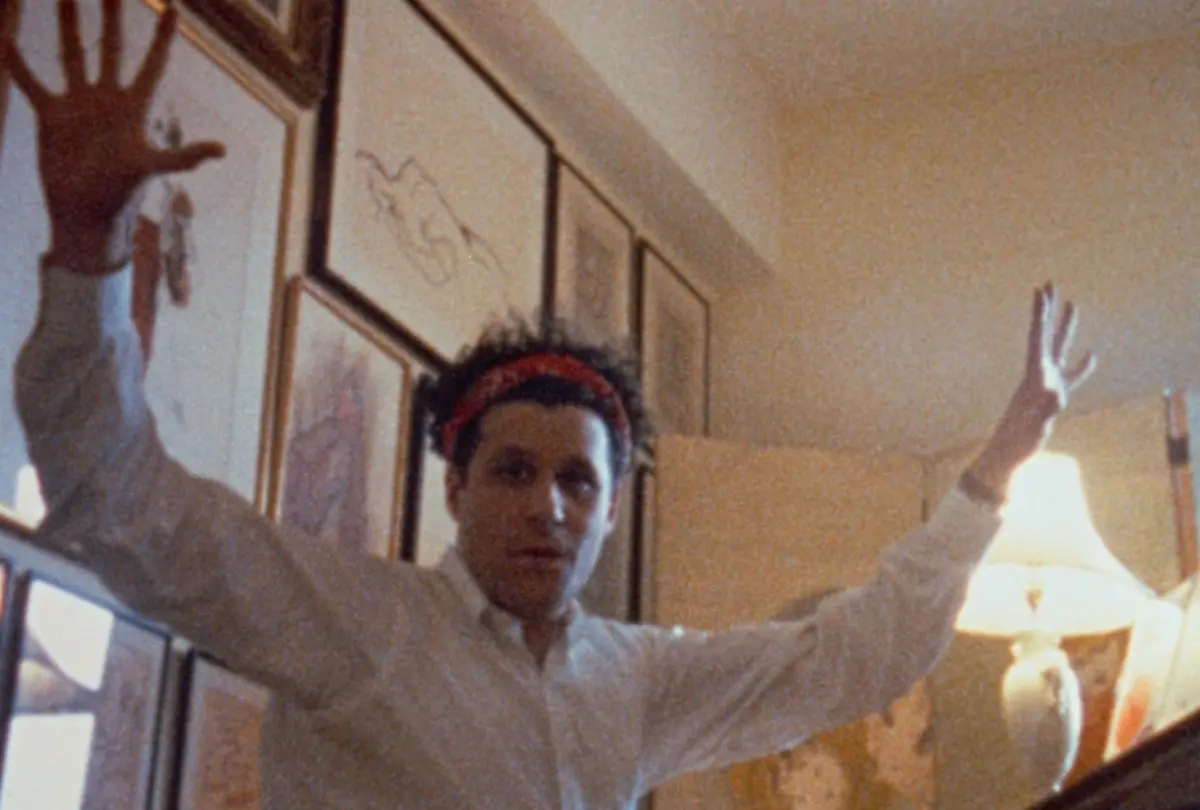
This cultural friction is thrown into sharp relief by two distinct moments in fashion history: the theatrical return of Douglas Keeve’s seminal 1995 documentary Unzipped via a pristine 4K restoration from Janus Films, and the Metropolitan Museum of Art’s recent, highly contentious decision to scrap its planned Costume Institute exhibition, “John Galliano: Horizons.”
While Unzipped follows designer Isaac Mizrahi through the harrowing fallout of a critically panned collection and his subsequent artistic redemption, the canceled Galliano retrospective highlights a growing societal aversion to complexity. When the Met bowed to immediate backlash regarding Galliano’s infamous 2011 antisemitic and racist remarks—ignoring his subsequent rehabilitation, decades of sobriety, and profound expressions of remorse—it exposed a worrying trend.
Modern culture increasingly prefers absolute moral sanitization over the messy, uncomfortable dialogues that museums and art are uniquely positioned to host. As Unzipped demonstrates, authentic artistic creation is inherently flawed, complex, and deeply human. By retreating into self-censorship and refusing to engage with the complicated histories of flawed visionaries, we risk creating a sterile, intellectually bankrupt cultural landscape.
Detailed Chronology: From the Rubble of ’90s Runway to Modern Cultural Censure
Isaac Mizrahi and the Grayscale Awakening of Unzipped
On a bitter November morning in 1993, designer Isaac Mizrahi stepped out of his New York apartment to face the music. The previous day marked the debut of his Spring/Summer 1994 ready-to-wear collection, and the reviews, splashed across the pages of Women’s Wear Daily, were nothing short of devastating.
“His usually great color sense failed him, his fabric sense failed him, and certainly, his sense of how a modern woman dresses after 8 p.m. failed him,” the critic wrote. For Mizrahi, one of the premier creative forces of 1990s American fashion, the verdict was a modern-day cancellation. He was temporarily cast out, stripped of his status, and forced to reckon with public failure.
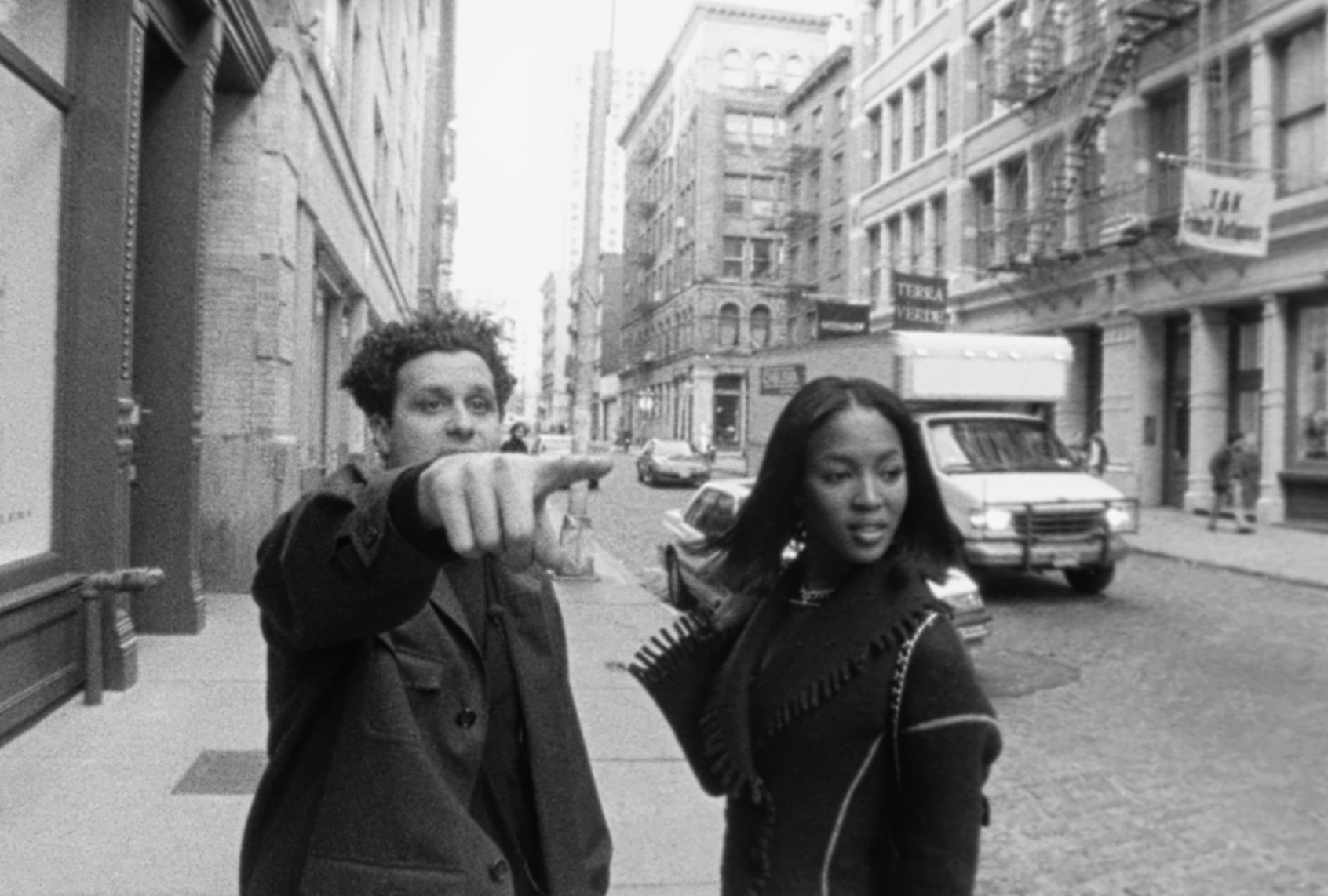
This precise moment of vulnerability is captured in Douglas Keeve’s 1995 masterwork, Unzipped. The documentary initially plunges the viewer into a muted, grayscale world, visually mirroring Mizrahi’s artistic depression. The tone shifts dramatically, however, with the opening notes of Sandra Bernhard’s 1994 cover of Sylvester’s disco anthem “You Make Me Feel (Mighty Real).”
As Bernhard coos, "Sylvester, sister, you were so beautiful, you were so fragile, you were so… real," the screen floods with vibrant hues, DayGlo faux furs, and the bustling energy of workshop fittings. Yet, before Bernhard can finish the word "real," the music abruptly cuts to silence. The editorial choice serves as a haunting thesis statement: true authenticity in art and life always comes at a price, and society is perpetually eager to snuff it out before it can be fully appreciated.
The Rise of Digital Scrutiny and the Fall of Frivolity
Thirty years ago, the fashion industry operated with a freewheeling, chaotic abandon that prioritized spectacle, excess, and raw creativity. Designers were allowed to make mistakes, offend sensibilities, and push boundaries without facing instant institutional exile.
However, as social media democratized critique and shifted the axis of cultural power toward the smartphone-wielding masses, the industry underwent a seismic shift. The anything-goes ethos of the ’90s collided with a newly awakened, erudite public conscience.
While this shift rightfully brought systemic issues—such as discrimination, elitism, and cultural appropriation—under a necessary microscope, it also fostered an environment of zero-tolerance absolutism. When culture is viewed solely through an uncompromising lens of modern morality, the broader artistic picture is lost. We have traded the messy, exhilarating whimsy of creative exploration for a sanitized checklist of ideological compliance.
Supporting Context & Metrics: The Galliano Controversy and the Death of Nuance
The parallels between Mizrahi’s documented struggles in Unzipped and the recent cancellation of the Metropolitan Museum of Art’s John Galliano exhibition are striking.
Originally slated to debut next year, “John Galliano: Horizons” was designed to examine the British designer’s dizzying haute couture achievements alongside his public downfall. In 2011, Galliano was ousted from his position as creative director at Dior following a videotaped, drunken antisemitic and racist tirade in a Paris bar.
The exhibition’s announcement in July immediately triggered an outcry from critics who deemed the retrospective tone-deaf, arguing that celebrating Galliano whitewashed his past behavior. Facing relentless pressure, the Met abruptly reversed course, scrapping the exhibition entirely.
The Metrics of Redemption vs. Retribution
The cancellation raises fundamental questions about accountability and forgiveness in the arts:
- The Rehabilitation Timeline: Galliano spent over a decade in rehab, sought professional help, and maintained 15 years of sobriety, consistently offering public and private apologies to the communities he harmed.
- The Purpose of Museum Exhibitions: Museums are historically designed to provoke discourse, contextualize history, and host uncomfortable dialogues about humanity. By canceling the exhibition, the Met surrendered an opportunity to explore how artistic genius and ethical accountability can—and perhaps must—coexist.
- The Precedent of Erasure: If the standard for public exhibition becomes absolute moral perfection, art history must be systematically scrubbed. From Caravaggio’s violent criminal record to the deeply problematic personal lives of countless literary and cinematic icons, art has historically been forged by imperfect, often destructive individuals.
Official Statements and Institutional Perspectives
The fallout from the Met’s decision drew commentary from key figures across the fashion landscape, illuminating the deep ideological divide regarding art, morality, and cancel culture.
Met trustee Anna Wintour defended the museum’s reversal, stating publicly that the cancellation was “the right decision” in light of the profound hurt Galliano’s past remarks inflicted on the Jewish and Asian communities.
Yet, Galliano himself addressed the cancellation with a sobering acknowledgment of accountability, releasing a statement that emphasized the limits of institutional validation:
"I remain fully accountable for the pain caused by my words in the past, particularly the hurt I caused to the Jewish and Asian communities, and I remain deeply sorry for it. I understand that meaningful atonement is not achieved through an exhibition… It is a continuing responsibility, demonstrated through listening, learning and one’s conduct over time."
Galliano further expressed gratitude toward the museum leadership:
"My gratitude to the Met, Max, Andrew and Anna remains profound and enduring. Their generosity, humanity and belief in the importance of fashion as art, culture and history, as well as their understanding of human fragility and the possibility of growth, will remain with me always."
This recurring motif of fragility bridges the gap between Galliano’s career trajectory and Isaac Mizrahi’s journey in Unzipped. Whether it is the fragile ego of a designer facing critical ruin, the fragile legacy of musical icons like Sylvester, or the moral fragility of creators battling their own demons, vulnerability remains the common thread woven throughout high fashion’s most defining moments.
Future Outlook: Can We Learn to Live with Complexity?
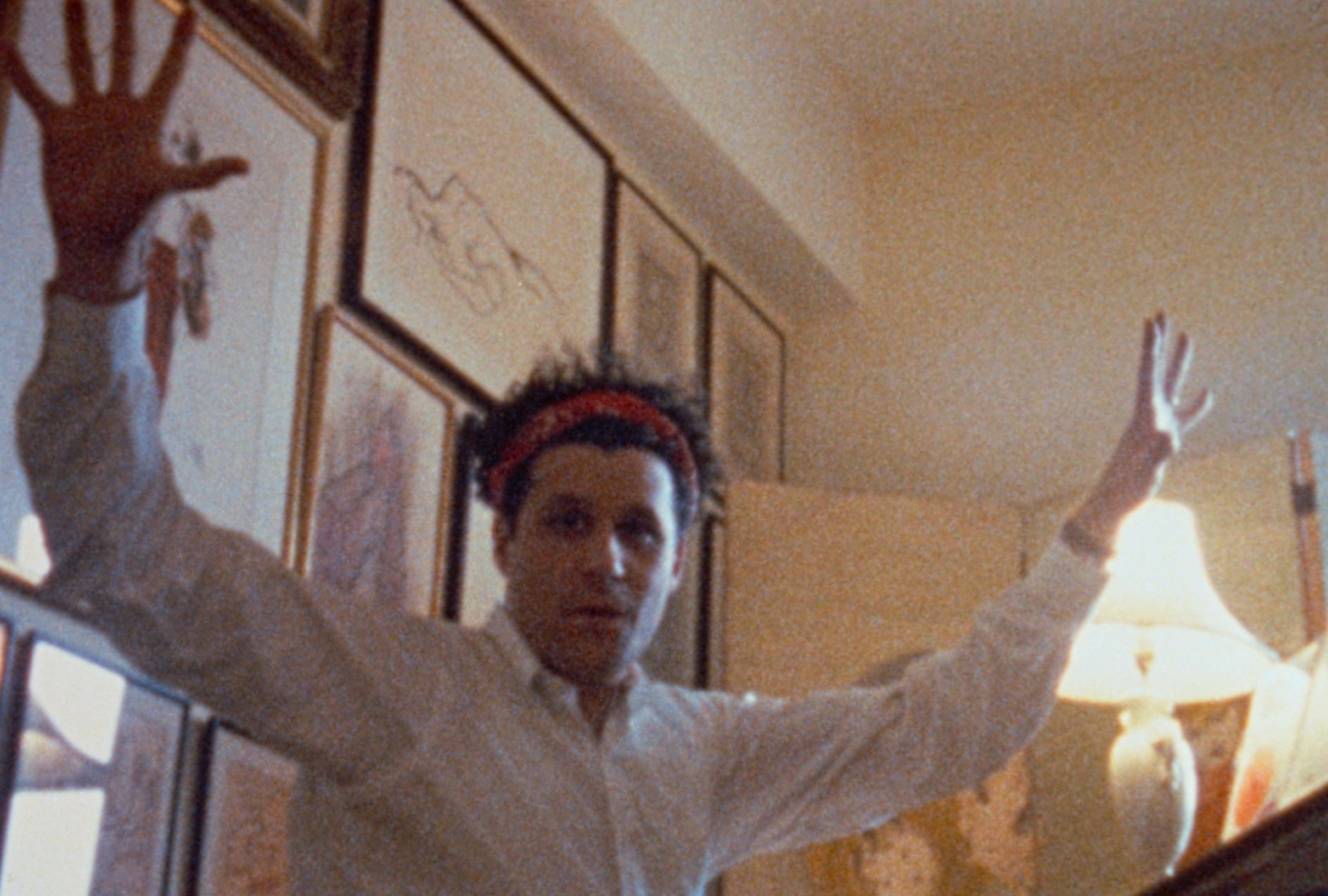
As Janus Films prepares to bring Unzipped back to theaters with a stunning 4K restoration, contemporary audiences are invited to re-examine an era when fashion was permitted to be daring, imperfect, and fun.
The documentary does not paint Mizrahi as a saint; it exposes his blind spots, including moments of cultural appropriation—such as his initial, unexamined use of Inuit designs—that required correction by his models. Yet, the film’s enduring brilliance lies in its refusal to flatten its subject into a cardboard cutout of virtue or vice.
If cultural institutions continue to yield to the impulse of blanket censorship, we are steering toward an intellectually impoverished future. Refusing to engage with Unzipped because of Mizrahi’s controversial linguistic missteps—or his subsequent political stances—would be to deny ourselves an exhilarating piece of cinematic art.
Similarly, refusing to study Galliano’s breathtaking contributions to couture out of fear of endorsing his past wrongs denies the public the tools necessary to evaluate art within its proper, complex context.
Being a functional adult in a modern democratic society requires the cultivation of personal integrity and the ability to hold two conflicting truths at once: bad people can create magnificent art, and enjoying that art does not absolve the creator of criticism, nor does it corrupt the spectator.
Until we learn to embrace this nuance, we will continue standing directly in the way of our own edification, trading the rich, messy tapestry of human history for a dreadfully boring, monochromatic world.