

Executive Overview
The traditional landscape of holiday gift-giving is undergoing a profound and structural transformation. For generations, the winter holiday season has been defined by the acquisition of material goods—wrapped boxes under the tree, the frantic hunt for the latest electronics, apparel, and toys, and the subsequent January clutter of unused merchandise. However, fresh data reveals that consumer priorities are shifting dramatically away from the material and toward the memorable.
According to a comprehensive nationwide survey of 4,000 U.S. consumers conducted by global professional services firm Deloitte between August and September, experience-based gifting has surged to unprecedented prominence. Fully 50% of surveyed consumers now report that they plan to purchase experiential gifts—ranging from restaurant dining vouchers and live event tickets to digital and physical subscription services—for the upcoming holiday season.
This is not a sudden anomaly, but rather the acceleration of a steady, multi-year upward trajectory. Consumer adoption of experiential gifts has climbed consistently, rising from 39% in 2024 to 47% in 2025, and now breaching the watershed 50% threshold for the current holiday cycle.
Crucially, this movement is being driven primarily by middle-income households. While affluent consumers have historically been the primary demographic for luxury experiential purchases (such as weekend getaways or high-end spa treatments), middle-income families are now reallocating their discretionary holiday budgets toward accessible experiences. Driven by post-pandemic shifts in perspective, persistent inflation concerns, and a growing cultural preference for connection over consumption, these households are redefining what it means to give and receive during the holidays.
This in-depth investigative report explores the mechanics of this shift, tracing the chronological rise of experiential retail, analyzing the underlying metrics and macroeconomic drivers, examining official industry insights, and forecasting the long-term implications for retailers, brands, and consumers alike.
Detailed Chronology: The Evolution of Experiential Gifting
To fully understand the monumental shift taking place in consumer spending habits this holiday season, it is necessary to examine the evolutionary timeline that brought the retail and gifting market to this critical juncture.
Pre-2020: The Material Baseline
For decades, holiday retail was anchored by physical commodities. Black Friday, Cyber Monday, and the entire fourth-quarter (Q4) retail sprint were engineered around maximizing the volume of manufactured goods sold. While gift cards and event tickets existed, they were largely viewed as secondary or "last-resort" options—gifts given when the giver did not know the recipient’s size, color preference, or specific material desires. Experiences were things people purchased for themselves, not wrapped items intended to sit beneath a fir tree.
2020–2022: The Pandemic Disruption and Reflection
The global COVID-19 pandemic served as a massive catalyst for psychological and behavioral change. Lockdowns, social distancing mandates, and the sudden scarcity of traditional goods forced consumers to reevaluate how they spent their time and money. With travel restricted and entertainment venues closed, people yearned for shared moments.
As society reopened in 2021 and 2022, a phenomenon known as "revenge spending" took hold. Consumers flooded back into the market, but their spending habits had mutated. The value proposition of physical items—often plagued by global supply chain bottlenecks and inflationary markups—diminished. Concurrently, the psychological value of creating memories with loved ones skyrocketed. During this period, the baseline foundation for experiential spending was laid, as consumers rediscovered the emotional ROI (return on investment) of shared dinners, concerts, and trips.
2023–2024: The Ideological Pivot
By 2024, the shift had moved from an emotional reaction to a calculated lifestyle choice. Deloitte’s consumer tracking data from that year revealed that 39% of shoppers actively intended to purchase experience-based gifts. Retailers began to notice a soft erosion in traditional toy, apparel, and home-goods categories during the holidays, countered by a notable boom in ticketing platforms, digital streaming gift cards, and experiential voucher marketplaces. Consumers were beginning to articulate a fatigue with material accumulation, often citing environmental concerns, home clutter, and the transient nature of cheap manufactured goods.
2025: The Acceleration Phase
Last year marked a significant tipping point. As economic pressures—including cumulative inflation and fluctuating interest rates—weighed on household budgets, consumers became much more discerning about every dollar spent. Rather than buying multiple lower-quality physical items that risked going unused, shoppers consolidated their budgets to purchase singular, high-impact experiences. Deloitte’s data for 2025 captured this momentum, showing experiential gifting adoption leaping to 47%. The narrative within retail boardrooms shifted from viewing experiences as a niche competitor to recognizing them as a primary driver of holiday commerce.
2026: Reaching the 50% Watershed
This brings us to the current holiday cycle. With 50% of U.S. consumers surveyed by Deloitte in August and September confirming plans to buy experience-based gifts, the market has officially crossed a major psychological and structural threshold. Half of the American consumer base now views memories, meals, and moments as superior alternatives to traditional wrapped presents. Middle-income households, in particular, have mobilized this season, seeking ways to maximize holiday joy while maintaining strict household budgets.
Supporting Context & Metrics: Decoding the Middle-Income Shift
The migration toward experiential gifting is supported by a rich tapestry of quantitative data and socioeconomic factors. To grasp the true magnitude of this trend, one must analyze the demographic breakdown, the economic rationales, and the specific categories experiencing the most explosive growth.
The Middle-Income Demographic Engine
While luxury consumers have always maintained the financial flexibility to gift weekend getaways, hot-air balloon rides, or premier theatre packages, the current surge is fundamentally powered by middle-income households—traditionally defined as those earning between $50,000 and $100,000 annually.
Why are middle-income households leading this charge?
- The Inflationary Squeeze: Years of cumulative inflation have severely tested middle-class purchasing power. Physical goods—particularly electronics, apparel, and specialty toys—have seen sharp price increases, often accompanied by shrinkflation or diminished product quality. Middle-income shoppers are finding that physical gifts within their budget often lack perceived value or durability.
- Strategic Consolidation: Instead of spreading a holiday budget across five or six inexpensive material items that may quickly be discarded, middle-income consumers are increasingly pooling their resources to buy one meaningful experience. For instance, rather than buying clothes and gadgets for adult family members, a household might purchase a high-end restaurant voucher or tickets to a major concert or sporting event. This strategy provides a heightened sense of luxury and thoughtfulness without necessarily expanding the overall budget.
- The Value of Perceived Quality: A $100 physical gift can easily look cheap or generic. Conversely, a $100 dining experience, cooking class, or museum membership often carries a higher psychological cachet, feeling indulgent and special to the recipient.
Breakdown of Top Experiential Gift Categories
Deloitte’s research highlights several distinct sub-categories that are capturing the bulk of this experiential holiday spend:
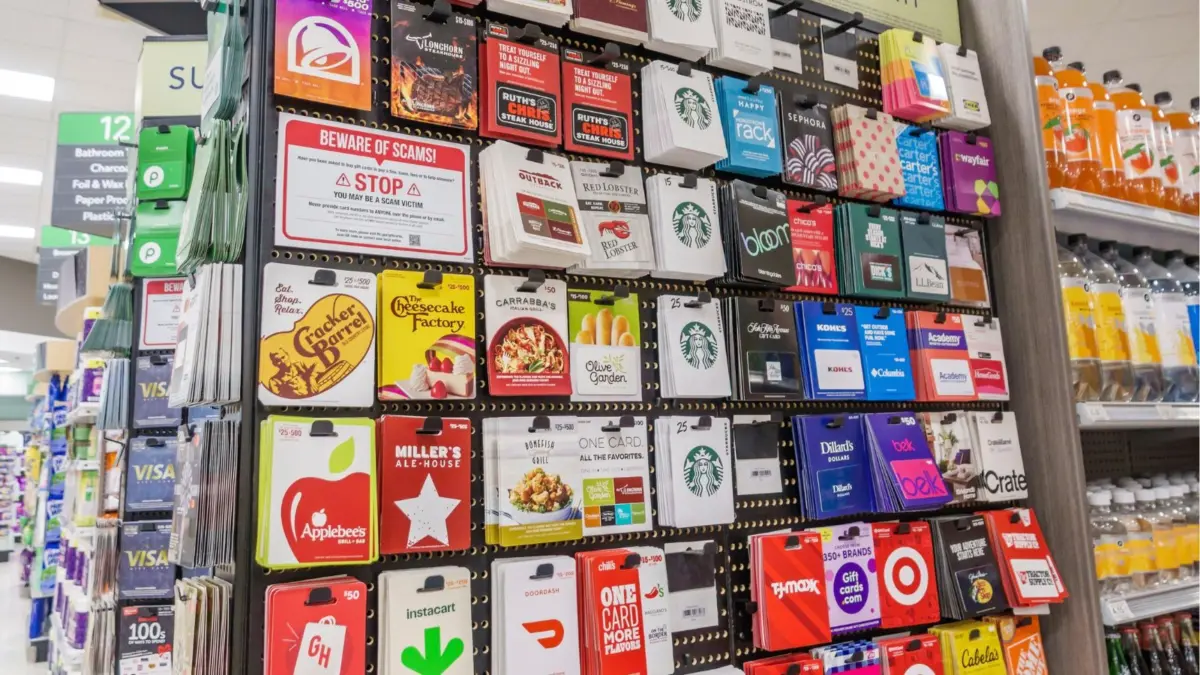
- Culinary Experiences: Restaurant gift cards, reservations at fine-dining establishments, and vouchers for food-and-wine tasting tours remain perennial favorites. Dining out offers an immediate, sensory-rich experience that brings families and friends together.
- Live Entertainment and Events: Tickets to concerts, theater performances, comedy shows, and sporting events have witnessed a massive resurgence. Following the post-pandemic revival of live entertainment, consumers place a premium on the electric atmosphere of shared public events.
- Subscription Services: Encompassing everything from streaming video and audio platforms to curated meal-kit deliveries, book clubs, fitness apps, and monthly artisanal product boxes, subscriptions bridge the gap between physical and experiential. They offer continuous value that extends long after the holiday season has concluded.
- Classes and Skill-Building: Vouchers for pottery workshops, painting classes, culinary lessons, and outdoor adventure courses (such as rock climbing or kayaking) appeal strongly to consumers who value personal growth and skill acquisition over material accumulation.
Official Statements and Industry Insights
Industry leaders and market analysts are taking note of this structural shift, recognizing that holiday retail strategies must adapt rapidly to meet changing consumer expectations.
Brian McCarthy, a principal in Deloitte’s strategy and analytics practice, offered crucial context regarding the psychological motivations driving shoppers this season. In an interview with industry publication ADWEEK, McCarthy encapsulated the changing mindset of the modern consumer:
"A lot of times when people think of the holidays, they just think of the physical gift, but consumers are putting their spend toward a broader set of spending categories."
McCarthy’s observation cuts to the heart of the matter. For decades, the retail industry operated under the assumption that Q4 success was inextricably linked to the sale of physical merchandise. Supply chains, inventory planning, and marketing campaigns were meticulously calibrated around boxes, bags, and shipping containers. However, McCarthy’s insights underscore that the modern consumer views holiday generosity through a holistic lens. Gifting is no longer restricted to tangible objects; it encompasses time, attention, shared memories, and emotional connection.
Retail strategists echo this sentiment, noting that brands which fail to integrate experiential elements into their holiday offerings risk losing market share. Even traditional product-based retailers are finding innovative ways to "experientialize" their merchandise—such as offering bundled workshops with product purchases, hosting in-store holiday crafting events, or partnering with local entertainment venues to offer cross-promotional promotions.
Furthermore, psychologists and consumer behaviorists point out that experiential gifts consistently generate higher long-term satisfaction ratings than material goods. Material items are subject to the "hedonic treadmill"—the observed tendency of humans to quickly return to a relatively stable level of happiness despite major positive or negative events or life changes. Once the novelty of a new gadget or clothing item wears off, its emotional value declines. Experiences, by contrast, tend to appreciate in memory over time, frequently enhanced through storytelling, photographs, and shared nostalgia.
Future Outlook: What the Experiential Boom Means for the Future of Retail
As we look beyond the current holiday season and gaze into the latter half of the decade, the rise of experiential gifting is poised to reshape the broader retail and economic landscape in several profound ways.
1. The Blurring Lines Between Retail and Hospitality
Traditional boundaries separating retail stores from hospitality and entertainment venues are rapidly dissolving. To capture holiday dollars, product-centric retailers are increasingly transforming their physical storefronts into experiential hubs. Pop-up activation spaces, in-store dining concepts, interactive product demonstrations, and live-artist collaborations are becoming standard tools for brick-and-mortar stores attempting to compete with the convenience of e-commerce. In the future, a successful holiday retailer will look less like a warehouse and more like a curated cultural venue.
2. Evolution of Corporate Gifting and Loyalty Programs
The shift toward experiences is not restricted to consumer-to-consumer gifting; it is also radically transforming the corporate gifting and B2B landscape. Companies that traditionally gifted branded physical merchandise (such as corporate calendars, desk trinkets, or branded apparel) to clients and employees during the holidays are now pivoting toward digital experience vouchers, team-building excursions, and charitable donation cards. Similarly, consumer loyalty programs are moving away from point-accumulation systems redeemable for cheap merchandise, favoring experiential rewards such as exclusive event access, VIP services, and curated local outings.
3. Sustainability and the Eco-Conscious Consumer
Environmental considerations are playing an increasingly influential role in consumer decision-making. With growing awareness of the carbon footprint associated with manufacturing, packaging, and shipping billions of physical holiday gifts—many of which ultimately end up in landfills—ecologically conscious consumers are deliberately seeking alternatives. Experiential gifts offer a virtually zero-waste gifting option that aligns with sustainability goals without sacrificing the joy of giving. As ESG (Environmental, Social, and Governance) metrics become increasingly central to corporate strategy, brands that facilitate sustainable, low-waste gifting will command a distinct competitive advantage.
4. Technological Integration and the Digital Experience Economy
Technology will continue to play a pivotal role in democratizing and streamlining experiential gifting. The proliferation of digital marketplaces dedicated entirely to experiences makes it seamless for a middle-income shopper in Ohio to purchase a spa day for a relative in California or a guided museum tour for a friend in New York. Innovations in augmented reality (AR) and virtual reality (VR) may soon introduce entirely new categories of experiential gifts, such as immersive digital travel or virtual-world adventures, further expanding the boundaries of what an "experience" can be.
Conclusion
The data collected by Deloitte for the current holiday shopping season tells a definitive story: the modern holiday consumer is rewriting the rules of engagement. With 50% of U.S. shoppers planning to purchase experience-based gifts—led enthusiastically by middle-income households—the retail industry has entered a new era.
This is not a temporary fad born of pandemic lockdowns, but a permanent structural evolution rooted in a desire for deeper human connection, higher perceived value, and sustainable consumption. For retailers, brands, and consumers alike, the message is clear. As the holiday season approaches, the most valuable gifts are no longer wrapped in paper and ribbons; they are lived, shared, and remembered for a lifetime.