

Executive Overview
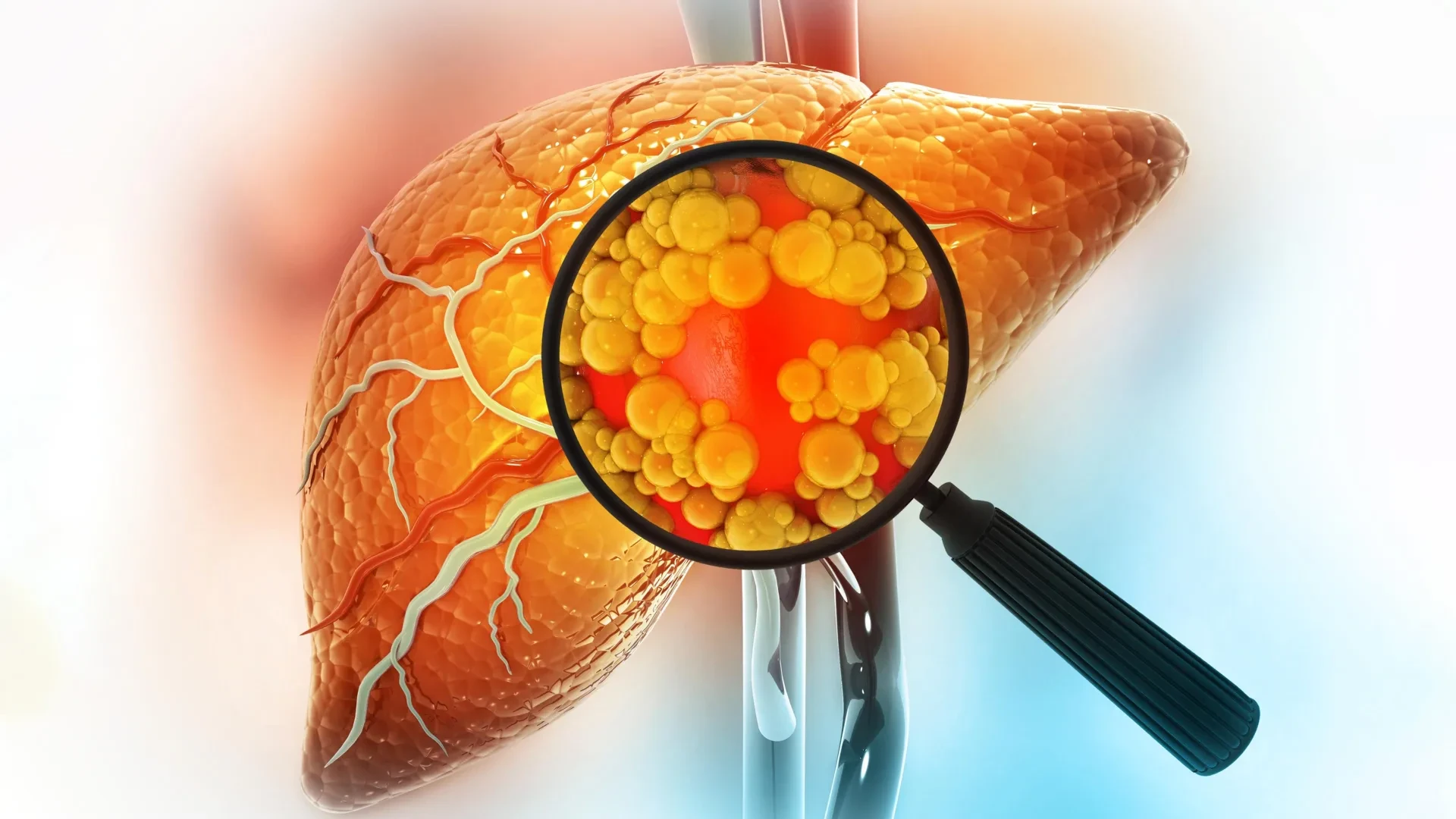
Metabolic dysfunction-associated steatotic liver disease (MASLD)—formerly known as non-alcoholic fatty liver disease (NAFLD)—has quietly burgeoned into one of the most pressing health crises of the modern era. Today, this insidious condition affects approximately 40% of adult men worldwide, serving as a primary driver of chronic liver disease, cirrhosis, and metabolic syndrome. While the medical community has long understood the individual perils of obesity, type 2 diabetes, low testosterone, and excessive fructose consumption, a critical blind spot has remained: how these distinct physiological and dietary factors interact synergistically behind the scenes.
Recent investigative findings published in the American Journal of Physiology-Endocrinology and Metabolism have begun to illuminate this complex interplay. Led by a dedicated research team at a prominent Graduate School of Agriculture—including graduate student Hiroki Takahashi and Associate Professor Naoki Harada—a groundbreaking animal study has uncovered a dangerous biological axis linking low testosterone levels, high dietary fructose intake, and shifts in the gut microbiome.
The investigation reveals that while low testosterone or a high-fructose diet in isolation produces only modest changes in liver fat, their combination acts as a powerful catalyst for severe hepatic steatosis (fatty liver). More critically, the researchers identified a hidden mechanism mediated by gut bacteria: the altered microbiome drives up levels of intestinal pyruvate, which then travels to the liver where it works in tandem with fructose to supercharge fat accumulation.
This comprehensive report examines the methodology, findings, and profound clinical implications of this study, offering a detailed look into how hormonal health and dietary habits converge within the human body—and what it means for the future of preventive medicine and therapeutic drug development.
Detailed Chronology and Experimental Methodology
To untangle the complex web of interactions between hormones, diet, and hepatic health, Takahashi, Harada, and their colleagues designed a rigorous, multi-tiered experimental framework utilizing murine models.
Phase 1: Experimental Design and Group Stratification
The study commenced utilizing eight-week-old male mice, an age corresponding to young adulthood when metabolic systems are robust yet fully responsive to environmental and physiological manipulations. To isolate the effects of androgen deprivation, a subset of the cohort underwent surgical castration, effectively dropping their testosterone to minimal baseline levels. The remaining mice underwent a sham operation, serving as the endocrine-intact control group.
The researchers then stratified both the castrated and sham-operated mice into specific dietary and therapeutic regimens, yielding six distinct experimental cohorts:
- Sham / Control (Intact testosterone, standard diet)
- Sham / Fructose (Intact testosterone, high-fructose diet)
- Sham / Fructose + Antibiotics (Intact testosterone, high-fructose diet, broad-spectrum antibiotic intervention to deplete gut microbiota)
- Castration / Control (Reduced testosterone, standard diet)
- Castration / Fructose (Reduced testosterone, high-fructose diet)
- Castration / Fructose + Antibiotics (Reduced testosterone, high-fructose diet, antibiotic intervention)
This meticulous division allowed the research team to independently assess the variables of testosterone status, fructose consumption, and the presence or absence of a functioning gut microbiome.
Phase 2: Tissue Harvesting and Multiplex Analysis
Following the completion of the dietary and surgical protocols, the research team initiated a comprehensive harvesting phase designed to capture systemic metabolic data. Biological samples collected and analyzed included:
- Liver tissues and isolated hepatocytes: Examined for wet weight, triglyceride content, cellular lipid droplet accumulation, and gene expression profiles.
- Blood plasma: Analyzed for systemic metabolic markers and circulating hormonal or inflammatory profiles.
- Cecum contents: Assessed for organic acid concentrations and the specific metabolic byproducts of microbial fermentation.
- Gut microbiome samples: Sequenced to map shifts in bacterial phyla, genera, and overall microbial diversity resulting from the experimental conditions.
Phase 3: Uncovering the Microbial and Cellular Mechanism
Initial anatomical observations revealed that mice with reduced testosterone eating a high-fructose diet developed significantly heavier livers than their counterparts. However, this hepatomegaly was notably attenuated in the groups that received broad-spectrum antibiotics, offering the first major clue that gut bacteria were acting as metabolic accomplices.
Subsequent cellular assays utilizing mouse-derived primary hepatocytes confirmed the precise biochemical pathway at play. The researchers tracked how alterations in gut flora led to a surge in intestinal pyruvate—a key intermediate in cellular energy metabolism. When these hepatocytes were exposed to both pyruvate and fructose simultaneously, the compounds acted synergistically, drastically accelerating the uptake and storage of neutral lipids within the liver cells.
Supporting Context & Metrics: The Global Scale of MASLD
To fully appreciate the significance of the Takahashi-Harada study, one must contextualize the staggering metrics surrounding metabolic dysfunction-associated steatotic liver disease and its co-morbidities.
The 40% Global Burden
MASLD is no longer a localized health issue or a condition confined to individuals with extreme obesity. Epidemiological data indicates that roughly 40% of adult men worldwide harbor excess fat in their livers, a condition that frequently progresses silently over decades. Left unchecked, simple steatosis can transition into metabolic dysfunction-associated steatohepatitis (MASH), characterized by severe liver inflammation, progressive fibrosis, cirrhosis, and hepatocellular carcinoma.
The Fructose Dilemma
Over the past half-century, the global consumption of dietary fructose—primarily delivered via high-fructose corn syrup in sweetened beverages, processed snacks, and condiments—has skyrocketed. Unlike glucose, which is metabolized by virtually every cell in the body, fructose is directed almost exclusively to the liver. There, it bypasses standard rate-limiting regulatory steps in glycolysis, acting as an unbridled substrate for de novo lipogenesis (the creation of new fats).
The Testosterone Factor
Testosterone is far more than a reproductive hormone; it is a master regulator of systemic metabolism. Adequate testosterone levels promote lean muscle mass, enhance insulin sensitivity, and suppress visceral adiposity. Conversely, low testosterone—prevalent among aging men, individuals with type 2 diabetes, and those struggling with obesity—creates a permissive physiological environment for metabolic dysregulation. Until now, however, the specific molecular handshake between low testosterone and high fructose loads remained poorly defined.
Official Statements and Expert Analysis
The implications of this research extend far beyond the laboratory bench, offering new paradigms for how clinicians might approach metabolic disease in male patients.
Discussing the genesis of the study’s primary breakthrough, lead investigator Hiroki Takahashi noted:
"Upon examining this mechanism, we found that changes in the gut microbiota led to increased levels of pyruvate within the intestine. Furthermore, experiments using mouse-derived primary hepatocytes revealed that pyruvate acts synergistically with fructose to promote neutral lipid accumulation in hepatocytes."
This discovery bridges the gap between endocrinology, gastroenterology, and nutritional science. It demonstrates that the gut microbiome is not merely a passive bystander in digestive processes, but an active endocrine organ capable of metabolizing substrates into bioactive molecules that directly dictate hepatic fat storage.
Senior study author Associate Professor Naoki Harada emphasized the translational potential of these findings for future medical therapies:
"Going forward, we hope to clarify the mechanism by which pyruvate promotes triglyceride accumulation to pioneer the development of therapeutic drugs and establishment of preventive methods through dietary interventions."
While the research team acknowledges the inherent limitations of relying on murine models and isolated cell cultures, they maintain that the fundamental biological pathways uncovered provide a crucial roadmap for human clinical investigation.
Future Outlook: Clinical Implications and Therapeutic Horizons
The publication of this study in the American Journal of Physiology-Endocrinology and Metabolism opens up several promising avenues for the future prevention and treatment of fatty liver disease.
1. Targeted Nutritional Interventions
Given the synergistic effect of fructose and gut-derived pyruvate, dietary modifications will remain a cornerstone of MASLD management. However, these findings suggest that blanket dietary advice may be optimized by considering an individual’s hormonal status. Men with documented low testosterone may be exceptionally vulnerable to the lipogenic effects of fructose, necessitating stringent dietary restrictions on added sugars to mitigate rapid hepatic fat accumulation.
2. Microbiome-Centric Therapies
The attenuation of liver enlargement in antibiotic-treated mice underscores the therapeutic potential of manipulating the gut microbiome. Future clinical research may explore the use of targeted prebiotics, probiotics, or specialized antimicrobial agents designed to suppress specific bacterial strains responsible for excess intestinal pyruvate production. By interrupting the microbial production chain, clinicians may be able to halt the cascade leading to steatosis.
3. Pharmacological Innovations
Dr. Harada and his colleagues are setting their sights on drug development. By mapping the exact enzymatic pathways through which pyruvate and fructose synergize within hepatocytes, pharmaceutical researchers can design targeted inhibitors. These future therapeutic drugs could block the pathological lipid-storage pathways without interfering with normal systemic energy metabolism.
4. Holistic Endocrinology and Hepatology Care
Ultimately, this research serves as a strong reminder that human physiology is deeply interconnected. Endocrinologists managing hypogonadism (low testosterone) and hepatologists treating fatty liver disease must adopt a more integrated approach. Assessing metabolic risk in men with low testosterone should routinely include screenings for early-stage hepatic steatosis and dietary counseling regarding fructose intake.
As the medical community continues to decode the complex dialogues between our hormones, our diets, and the trillions of microbes inhabiting our guts, studies of this caliber bring us one step closer to halting the global MASLD epidemic at its root.