

Executive Overview
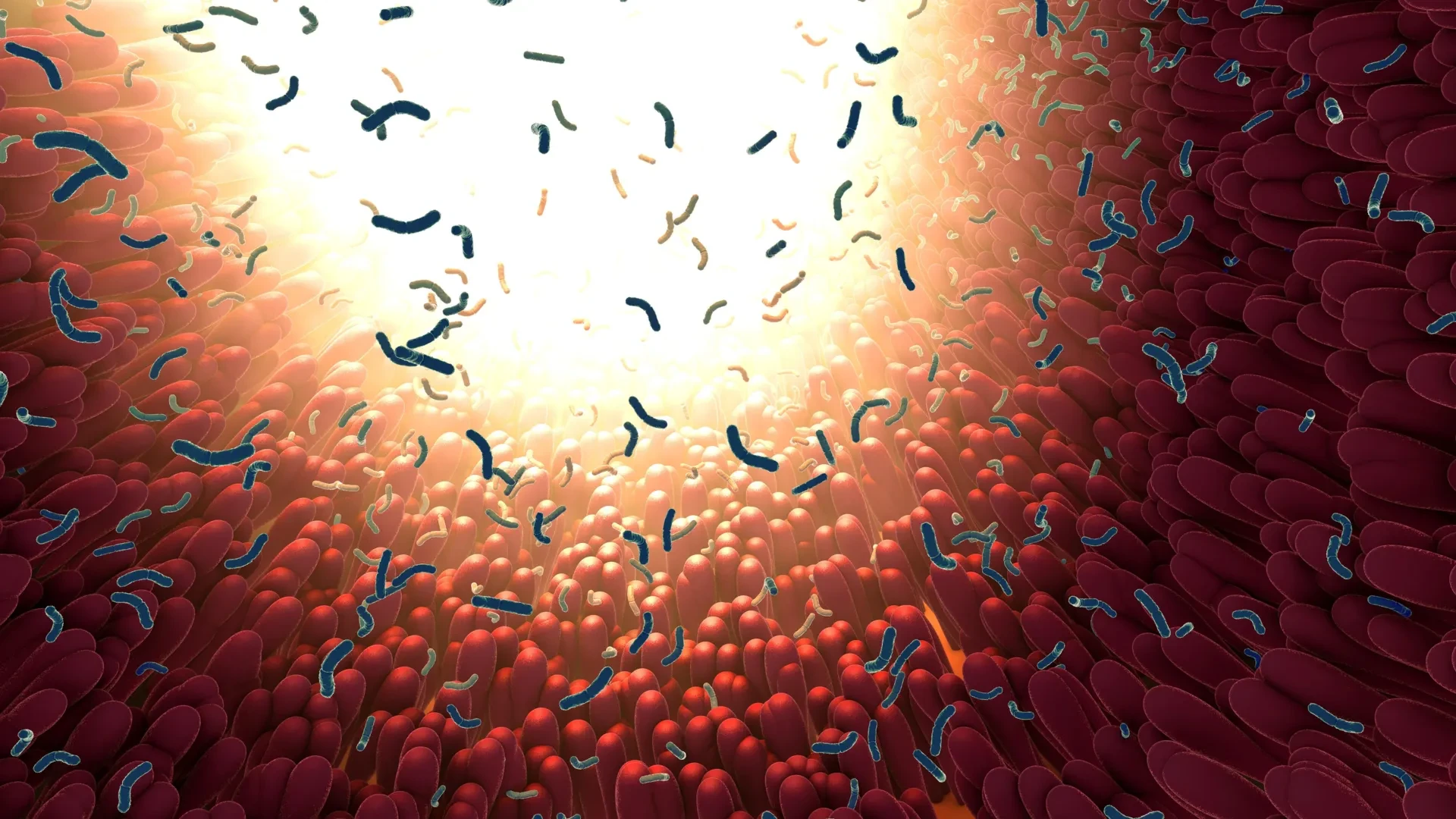
For centuries, humanity has searched for the elusive fountain of youth in mythical waters, expensive skincare regimens, and extreme caloric restrictions. Today, however, cutting-edge biomedical research suggests that the true architecture of human longevity may reside much closer to home—specifically, within the complex, bustling metropolis of microorganisms inhabiting our digestive tracts.
In a landmark study recently published in the prestigious journal Scientific Reports, a team of interdisciplinary researchers at the University of Hawaiʻi at Mānoa has unveiled a surprising and profound connection between the human gut microbiome and the rate at which our bodies biologically age. The findings reveal that differences in gut bacterial communities account for approximately 15% of the total variation in participants’ biological aging rates.
This discovery shifts the paradigm of how scientists view aging. It moves the conversation away from the rigid, unchangeable metric of chronological age—the number of candles on your birthday cake—and toward biological age, which measures the actual wear and tear accumulating within our cells, tissues, and organ systems. By demonstrating that specific microbial patterns are consistently linked to accelerated or decelerated biological aging, this research opens unprecedented avenues for precision medicine, lifestyle interventions, and longevity science.
Crucially, the study also addresses long-standing disparities in biomedical research by intentionally including Native Hawaiian and Pacific Islander participants—populations historically underrepresented in genomics and microbiome studies. By factoring in these diverse cohorts, the researchers have taken a vital step toward understanding how environmental exposures, social circumstances, and human biology intersect to shape long-term health trajectories.
While the scientific community urges caution, emphasizing that correlation does not yet equal causation, the implications are staggering. Because the gut microbiome is inherently dynamic—unlike our genetic code—it can be actively molded by diet, lifestyle, and therapeutic interventions. If future clinical trials can establish a causal link, humanity may soon possess a revolutionary, modifiable dial to influence how gracefully and healthily we age.
Detailed Chronology of the Discovery
To understand the magnitude of the University of Hawaiʻi at Mānoa breakthrough, it is essential to retrace the scientific journey that brought researchers to this precise juncture. The study did not materialize overnight; rather, it represents the convergence of advanced molecular biomarkers, high-throughput genetic sequencing, and a growing global interest in the human holobiont—the concept that humans are not single organisms, but rather superorganisms composed of human cells and trillions of symbiotic microbes.
Laying the Groundwork: The Intersection of Microbes and Molecular Aging
For decades, researchers have recognized that the gut microbiome plays a foundational role in human health. It influences everything from immune system regulation and metabolic function to neurological signaling via the gut-brain axis. However, connecting these microbial communities directly to the systemic pace of biological aging remained uncharted territory.
Senior author Alika K. Maunakea and lead author Braden P. Kunihiro, alongside an interdisciplinary team from the UH Mānoa John A. Burns School of Medicine and other departments, set out to bridge this knowledge gap. They recognized that while previous studies had linked specific gut bacteria to individual age-related diseases—such as cardiovascular disease, type 2 diabetes, and neurodegeneration—none had comprehensively evaluated how the entire microbial ecosystem correlates with systemic, multi-system biological aging across a diverse human population.
Cohort Assembly and Sample Collection
The research team recruited 123 adult participants spanning a remarkably wide chronological age range. This broad demographic spectrum was critical, as it allowed researchers to separate the natural passage of time from the molecular degradation or preservation occurring within the body.
To capture a comprehensive snapshot of both the microbiome and biological age, the researchers gathered two primary biological samples from each participant:
- Stool samples: Utilized for 16S rRNA gene sequencing and metagenomic profiling to identify, categorize, and quantify the vast array of bacterial species residing within the gastrointestinal tract.
- Blood samples: Utilized to extract DNA and analyze blood-based molecular markers—specifically DNA methylation patterns—that serve as gold-standard estimators of biological age.
The Breakthrough Analysis: Uncovering DunedinPACE
Once the laboratory data was compiled, the researchers performed sophisticated bioinformatics analyses to cross-reference the bacterial profiles with epigenetic aging clocks. Among the tools utilized was DunedinPACE (Pace of Aging Computed from the Epigenome), an advanced and highly sensitive biomarker designed to measure how fast an individual is aging, rather than simply how old they are.
The results stunned the research team. Variations in the composition of the gut microbiome accounted for roughly 15% of the total variance observed in the participants’ biological aging rates. Even when controlling for chronological age, sex, and other baseline demographic factors, the microbial patterns remained robustly associated with molecular measures of biological aging.
Specific microbial species emerged as key players. Bifidobacterium adolescentis—a well-known probiotic bacterium long associated with gut health and immune support—showed one of the strongest inverse correlations with biological aging, meaning higher abundances were linked to a slower pace of aging. Conversely, Succinivibrio dextrinosolvens exhibited a stark positive correlation, linking it directly to accelerated biological aging.
Supporting Context & Metrics
To fully appreciate the weight of these findings, one must examine the broader landscape of aging research, the unique metrics utilized in the study, and the distinct demographic advantages of the cohort.
Chronological Age vs. Biological Age
For generations, medicine relied strictly on chronological age to assess health risks. However, physicians have long observed that two individuals born in the exact same year can exhibit vastly different physiological states. One may run marathons at age eighty, while another struggles with chronic illness at age fifty.
Biological age solves this diagnostic limitation. By measuring epigenetic modifications—chemical tags on DNA that change predictably over time in response to lifestyle, stress, and environmental exposures—biomarkers like DunedinPACE provide a real-time readout of systemic degradation. The fact that the gut microbiome explains 15% of the variation in this rate is a massive signal in biological research, underscoring that our microscopic residents are not passive passengers, but active participants in our physiological destiny.
The Players: Bifidobacterium vs. Succinivibrio
The identification of specific bacterial signatures provides a roadmap for targeted future interventions:
- Bifidobacterium adolescentis: A prominent member of the Actinobacteria phylum, this bacterium is heavily involved in carbohydrate fermentation, short-chain fatty acid (SCFA) production (particularly acetate and lactate), and maintaining gut barrier integrity. SCFAs are known to exert anti-inflammatory effects throughout the body, dampening systemic inflammation—a primary driver of aging, often termed "inflammaging."
- Succinivibrio dextrinosolvens: While less studied in the context of longevity, elevated levels of this species in certain metabolic profiles have previously invited further scrutiny regarding its role in carbohydrate metabolism and gut mucosal interactions. Its strong association with accelerated aging highlights the need to understand not just which microbes are beneficial, but which specific configurations may be detrimental.
Bridging Health Disparities Through Inclusive Science
A crowning achievement of this study is its commitment to demographic diversity. Biomedical science has historically suffered from a severe homogeneity problem, with the vast majority of genetic and microbiome databases derived from European-ancestry populations.
By actively including Native Hawaiian and Pacific Islander participants, co-author Ruben Juarez and the research team opened critical pathways for health equity. Minoritized populations often experience unique social determinants of health—including socioeconomic stress, dietary shifts, and environmental exposures—that leave indelible biological signatures. By examining how these lived experiences intersect with the microbiome and aging, the study pioneers a more culturally inclusive framework for precision health.
| Metric / Parameter | Study Detail | Significance |
|---|---|---|
| Participant Count | 123 adults | Broad age range allowing robust cross-sectional analysis |
| Variance Accounted For | ~15% | Demonstrates a substantial, statistically significant link between gut flora and aging |
| Primary Aging Biomarker | DunedinPACE | Measures the pace of biological aging rather than static epigenetic age |
| Key "Slow Aging" Microbe | Bifidobacterium adolescentis | Associated with gut barrier health, SCFA production, and anti-inflammatory pathways |
| Key "Fast Aging" Microbe | Succinivibrio dextrinosolvens | Strongest association with accelerated molecular aging markers |
| Demographic Inclusion | Native Hawaiian & Pacific Islander cohorts | Directly addresses historical research gaps in diverse populations |
Official Statements and Expert Perspectives
The gravity of the UH Mānoa study has resonated throughout the international scientific community. In official releases, the paper’s primary investigators elaborated on the profound implications of their work and cautioned against premature assumptions.
Senior author Alika K. Maunakea emphasized the revolutionary nature of uncovering modifiable biological systems:
"This study advances our understanding of the relationship between the gut microbiome and biological aging. We found that microbial patterns in the gut were significantly associated with molecular measures of aging, even independent of chronological age. These findings open important new directions for understanding how modifiable biological systems influence long-term health trajectories and longevity."
Maunakea also noted that this research serves as a foundational stepping stone for future clinical applications, stating:
"This is an important early step toward understanding the gut microbiome’s relationship with healthy aging. Future research will help clarify the mechanisms involved and whether these microbial signatures may eventually contribute to precision approaches for promoting long-term health and wellness."
Lead author Braden P. Kunihiro highlighted the unique advantage of studying a biological system that humans can consciously influence through daily choices:
"The gut microbiome is highly responsive to lifestyle, diet, environment and other everyday exposures. Our findings suggest that the microbiome may reflect important aspects of biological resilience and aging in ways that could eventually help inform future wellness and healthy aging strategies."
Adding sociological and environmental depth to the findings, co-author Ruben Juarez reflected on the intersection of human behavior and biology:
"The microbiome exists at the intersection of behavior, environment and human biology. Studies like this help illuminate potential pathways through which lived experiences and social factors influence long-term health outcomes."
Future Outlook: Translating Microbes into Medicine
As the scientific community digests these findings, the most pressing question on the minds of researchers, clinicians, and health-conscious individuals alike is simple: Can we change our gut bacteria to slow down aging?
The Caution of Causality
The study authors are quick to sound a note of scientific restraint. The research establishes a powerful correlation, but it does not prove direct causation. It remains entirely possible that individuals who age more slowly possess physiological environments in their digestive tracts that naturally favor beneficial bacteria like Bifidobacterium adolescentis, rather than the bacteria themselves actively driving the deceleration of aging.
To untangle this complex web, longitudinal studies and randomized controlled trials (RCTs) will be required. Scientists must track participants over extended periods and test whether targeted interventions—such as specific prebiotic fibers, probiotic supplementation, fecal microbiota transplantation (FMT), or dietary overhauls—can actively alter an individual’s DunedinPACE score.
The Horizon of Precision Health
Despite the need for further research, the horizon for precision medicine has never looked more promising. Traditional medicine has long relied on a "one-size-fits-all" approach to dietary and lifestyle recommendations. Precision health, by contrast, seeks to tailor interventions to an individual’s unique molecular and microbial profile.
Imagine a future where a routine annual physical includes not just a blood panel and cholesterol check, but a comprehensive sequencing of your gut microbiome and an epigenetic aging clock assessment. If your microbial profile reveals markers associated with accelerated biological aging, your physician could prescribe a hyper-personalized regimen—combining targeted prebiotics, polyphenols, and dietary adjustments designed to cultivate longevity-promoting bacterial strains.
Furthermore, these insights could transform public health initiatives in historically underserved communities. By understanding how environmental stressors and social conditions structurally impact the microbiome, policymakers and healthcare providers can design holistic interventions that target health disparities at the molecular root.
Conclusion
The research from the University of Hawaiʻi at Mānoa reminds us that we are complex ecosystems, walking hand-in-hand with trillions of microscopic partners. While the fountain of youth remains a poetic ideal, science is steadily replacing mythology with verifiable biology. As we continue to decode the intricate dialogue between our gut bacteria and our cellular aging clocks, we move closer to a future where growing older does not mean growing frail—and where the secret to a longer, healthier life was inside us all along.