

Executive Overview
In the quiet corners of agricultural research and boutique orcharding, a silent renaissance is taking place. While mainstream commercial markets remain dominated by a homogenized handful of resilient, shelf-stable cultivars—the ubiquitous Red Delicious, the sugary Honeycrisp, and the dependable Gala—a dedicated subterranean network of pomological enthusiasts is looking backward. They are unearthing, cultivating, and obsessively cataloging centuries-old heirloom apples.
At the bleeding edge of this movement is an informal community of digital scribes, researchers, and self-described "amateur appleologists." Among their recent subjects of fascination is the Franc Rambour (affectionately dubbed "Frank Rambo" by modern commentators), a historic French varietal carrying a lineage deeply tied to European terroir.
This investigation examines the recent tasting notes of a late-season Franc Rambour harvested from Vermont’s historic Scott Farm. Beyond the sensorial metrics of a single piece of fruit, this report explores the broader scientific and philosophical questions captivating modern pomology: How does geography—or terroir—affect grafted apple clones? Can a fruit grown in New England truly replicate the character of its ancestral home in northern France? And why is the specialized terminology of apple cultivation beginning to sound less like agronomy and more like botanical erotica?
Detailed Chronology
The journey of the Franc Rambour examined in this review is part of an ongoing, multi-year cataloging effort tracking heirloom, vintage, and modern apple varieties through their seasonal lifecycles.
- The Ancestral Roots (Pre-19th Century): Originating in the Rambures region of France, the Rambour family of apples established a reputation for vigor and reliability. Unlike seed-grown apples, which produce genetically unpredictable offspring, the Franc Rambour survived centuries through the meticulous art of grafting, preserving an identical genetic blueprint across generations and continents.
- The Cultivation Discovery (Modern Era): Pomological databases, notably resources like Pomiferous and Orange Pippin, categorized the Franc Rambour with descriptors that sparked amusement and debate within enthusiast circles—specifically noting the plant’s "vigorous, spur-bearing, and precocious" nature.
- The Harvest Window (Late-Season 2026): Sourced from the acclaimed Scott Farm in Dummerston, Vermont, the specimen in question was harvested and consumed significantly past its optimal theoretical season.
- The Tasting Evaluation: Upon consumption, the late-season sample defied standard subacid cultivar expectations, presenting an uncharacteristically soft texture, immense juiciness, and a flavor profile leaning heavily toward tart and floral notes rather than direct sweetness.
Supporting Context & Metrics
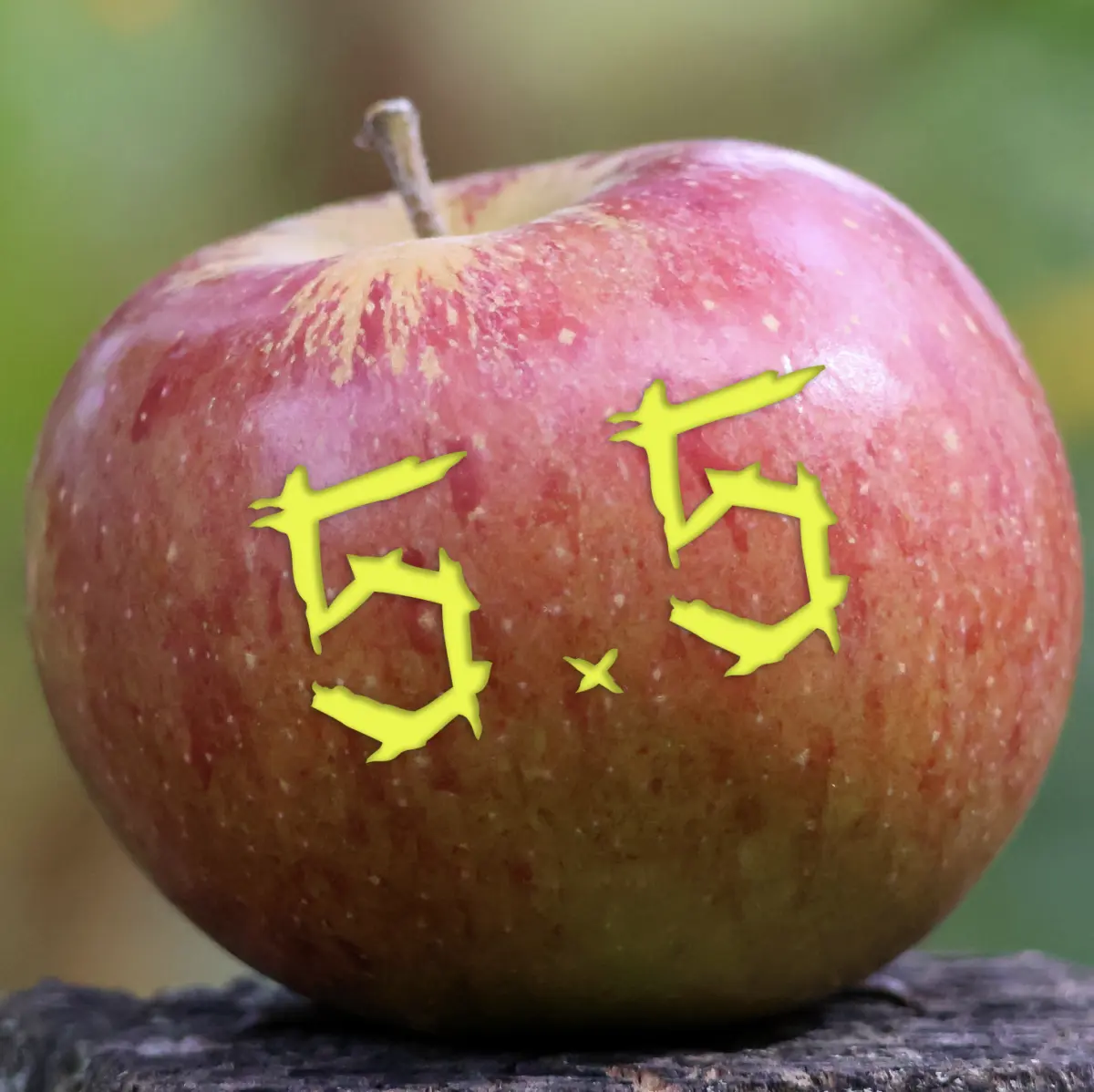
To understand the weight of a 5.5 out of 10 score assigned to this particular Franc Rambour, one must analyze the complex interplay between clone propagation, environmental terroir, and the ravages of late-season storage.
The Mystery of Apple Terroir
In the wine industry, terroir is gospel. A Pinot Noir grape grown in the limestone-rich soils of Burgundy yields entirely different sensory results than the same clone planted in the volcanic valleys of Oregon. In the world of apples, however, the conversation is murkier.
Because commercial apple trees are rarely grown from seed—relying instead on vegetative propagation via rootstock grafting—every Franc Rambour tree on earth is, theoretically, an identical twin. Yet, questions remain among amateur and professional pomologists alike:
- Does soil, air, and microclimate imprint upon a grafted clone?
- Does the absence of regional microflora in non-native growing zones alter the fruit’s expression?
While cider producers readily acknowledge that local yeasts and fermentation environments heavily influence cider terroir, table fruit research lacks definitive consensus on whether a Vermont-grown French heirloom genuinely tastes identical to its European ancestor.

Sensory Profile: The Late-Season Franc Rambour
When evaluated under ideal conditions, historical texts suggest the Franc Rambour is a pleasant, moderately sweet (subacid) table apple with a crisp bite. However, timing is everything in the pomological world.
Consuming a specimen late in its shelf life introduces variables that drastically skew sensory metrics:
- Texture: Eschewing the mealy, sandy, or mushy degradation typical of poorly stored early-to-mid-season apples, this late-season Rambour remained structurally sound. It offered an "easy chew," functioning less like a solid fruit and more like an edible, apple-shaped reservoir of juice.
- Flavor Profile: Deviating from its expected sweet, subacid profile, the fruit leaned into subdued floral notes and a sharp, refreshing tartness. The flavor was understated—described memorably by reviewers as "like drinking the memory of apple juice."
- Final Scoring Matrix:
- Texture Integrity: 7/10 (Resisted mealiness, exceptional juiciness)
- Flavor Complexity: 4/10 (Muted by late-season degradation)
- Aromatic/Floral Qualities: 6/10 (Subtle, clean, but fleeting)
- Overall Rating: 5.5 / 10 (With a projected upward correction to 7+ if sampled earlier in its peak seasonal window).
Official Statements and Industry Perspectives
The resurgence of interest in heirloom varieties has turned specialized indexing websites into cultural touchstones for agricultural hobbyists.
According to digital archives maintained by projects like Adam’s Apples and Orange Pippin, the preservation of rare cultivars is not merely an aesthetic pursuit, but a vital biosecurity measure. Monoculture farming—relying on a narrow band of commercial varieties—leaves global food supplies vulnerable to blights and climate shifts. Heirloom varieties like the Franc Rambour represent a vast, largely untapped genetic library of disease resistance, structural vigor, and adaptability.
Furthermore, the evocative language utilized by botanical directories has not gone unnoticed by the community. When major reference sites describe a fruit tree as "vigorous, spur-bearing, and precocious," it bridges the gap between hard science and cultural humor. Observers note that such terminology injects a much-needed levity into agricultural taxonomy, transforming dry horticultural data into engaging public discourse.
Future Outlook
As the 2026 apple season progresses, the appetite for rare, forgotten, and heirloom cultivars shows no sign of slowing down. Projects cataloging hundreds of obscure varieties—from the legendary Cox’s Orange Pippin and Ashmead’s Kernel to eccentric novelties like the Franc Rambour—are creating a new blueprint for fruit appreciation.
What Lies Ahead for Heirloom Pomology:
- Expanded Genetic Tracking: Researchers are increasingly utilizing molecular testing to map out how geographic displacement truly impacts grafted clones over generations.
- Seasonal Precision: Reviewers and orchardists are emphasizing the critical importance of harvest windows, proving that an heirloom apple’s score is often less an indictment of the fruit itself and more a lesson in temporal stewardship.
- Mainstream Curiosity: As consumer fatigue with uniform, flavor-flat supermarket apples grows, niche varieties are finding a receptive audience in artisanal cideries, farm-to-table restaurants, and boutique farmers’ markets.
Ultimately, while the late-season Franc Rambour reviewed here may have missed its absolute prime, it succeeded in sparking vital conversations about heritage, agriculture, and the poetic mystery hidden inside an ordinary orchard. As the amateur apple community looks forward to future harvests, one thing is certain: the world of apples is far deeper, stranger, and more delicious than the grocery store aisle lets on.