

Executive Overview
The intersection of digital subcultures, youth celebrity, and severe criminal allegations has once again thrust the murky underworld of internet-famous micro-influencers into the mainstream legal spotlight. Braden Peters, a prominent figure within the controversial "looksmaxxing" digital ecosystem who operates under the moniker "Clavicular," stands at the center of a mounting legal storm.
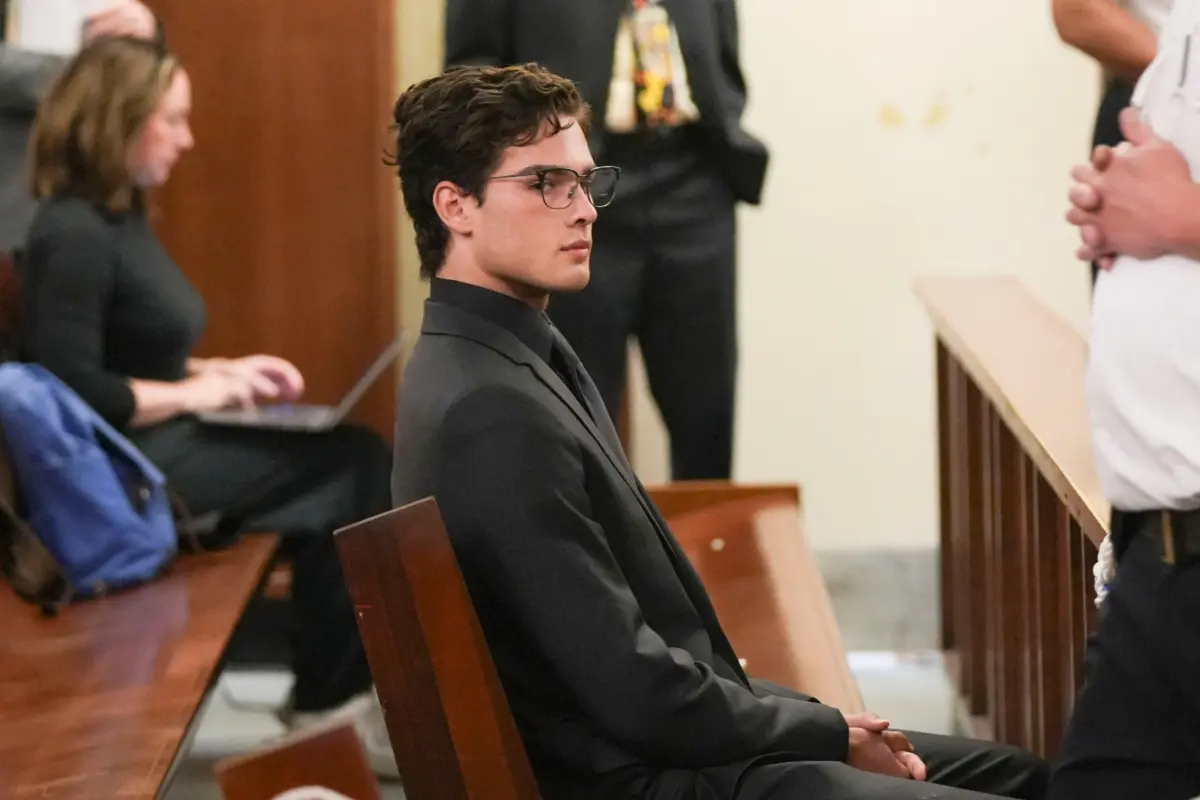
In a Massachusetts courtroom on Thursday, Peters formally entered a plea of not guilty to a series of serious criminal charges, including felony rape, a related drug charge tied to sexual assault, and a misdemeanor count of unlawfully procuring alcohol for a minor. The charges stem from an alleged incident in May 2025 at his family’s residence on Cape Cod, involving a fellow social media influencer who was 17 years old at the time of the alleged assault.
The arraignment marks a pivotal escalation in a saga that has slowly unspooled across both civil courts and social media feeds over the past year. Peters, who built an online brand around physical self-improvement, aesthetic maximization, and controversial lifestyle advice, posted a $10,000 cash bail following a legal battle regarding his pre-trial release conditions. As part of the terms set by the presiding judge, Peters was required to surrender his passport and adhere to strict "stay-away" orders, barring any contact with his accuser—both in person and across digital landscapes.
This case serves as a disturbing case study of the modern creator economy, wherein rapid, unregulated online fame can shield young influencers from real-world accountability while simultaneously magnifying the fallout when legal systems intervene. As prosecutors prepare their case and defense attorneys lay the groundwork for trial, the proceedings promise to cast a harsh light on the darker subcultures thriving on the fringes of platforms like TikTok, X (formerly Twitter), and specialized online forums.
Detailed Chronology: From Digital Collaboration to Criminal Arraignment
To understand the gravity of the legal jeopardy facing Braden Peters, it is necessary to examine the timeline of events that bridges a weekend on Cape Cod in the spring of 2025 with a Massachusetts courtroom in late 2026.
May 2025: The Alleged Incident on Cape Cod
According to law enforcement documents and court filings, the core of the criminal case traces back to the weekend of May 23, 2025. At the time, Peters invited Aleksandra Vasilevna Mendoza—an emerging digital creator widely known by her online handle Alorah Ziva—to his family’s home on Cape Cod, Massachusetts.
What was ostensibly framed within influencer circles as a routine cross-collaboration and content-creation meetup quickly deteriorated into an alleged sequence of criminal acts. According to initial police reports and civil filings, Peters allegedly supplied Mendoza, who was a minor at 17 years old, with alcoholic beverages.
Investigators claim that the situation escalated rapidly as the evening progressed. Mendoza alleged that she was rendered severely incapacitated by alcohol, crossing the threshold where meaningful consent was legally and physically impossible. The narrative detailed in subsequent legal documents outlines a night of profound violation, culminating in an allegation that Peters engaged in sexual acts with her while she was incapacitated, and continued these acts the following morning while she was asleep and unable to consent. Furthermore, medical and police records referenced in investigative reports noted that Mendoza claimed she was administered an unapproved substance, potentially containing methamphetamine-like compounds, during the visit.
April 2025 – October 2025: The Civil Suit Phase
Before the Commonwealth of Massachusetts formally intervened with criminal indictments, the legal battle began in the civil courts. In April 2025, Mendoza filed a comprehensive civil lawsuit against Peters in pursuit of accountability and damages. The initial filing laid out severe claims including battery, intentional infliction of emotional distress, and fraud.
For months, the dispute played out under the civil framework, with Peters publicly denying any wrongdoing across his social media channels, dismissing the allegations as fabrications designed to extort him or damage his rising digital profile. However, the legal landscape shifted dramatically in September 2025 when the Commonwealth’s investigative bodies, having reviewed the gathered evidence and police disclosures, formally stepped in.
Grand jury proceedings and prosecutorial reviews resulted in the state charging Peters with two distinct felonies—statutory rape and a secondary felony charge related to the administration of substances during sexual misconduct—alongside the misdemeanor charge of providing alcohol to a minor. Recognizing the procedural complexities, Mendoza’s legal representation subsequently refiled her civil suit in October, stripping out the direct sexual assault allegations to prevent any procedural interference with the ongoing, high-stakes criminal prosecution.
Thursday’s Arraignment: Bail, Conditions, and Legal Maneuvering
The legal tension reached a head on Thursday during Peters’ formal arraignment in a Massachusetts court. Defense attorneys representing the "looksmaxxing" influencer had worked vigorously behind the scenes in the days leading up to the appearance, filing petitions for a lower bail and arguing strenuously that their client represented neither a danger to the community nor a flight risk, largely due to his lack of prior felony convictions.
Ultimately, the judge settled on a $10,000 cash bail—an amount Peters promptly paid on Thursday. Alongside the financial bond, the court imposed rigorous restrictions to ensure community safety and prevent witness tampering or digital harassment. Peters was ordered to surrender his passport immediately, effectively grounding him within the United States, and was issued a strict no-contact order prohibiting any form of communication, physical proximity, or online addressing directed at Mendoza.
As the legal proceedings formally commence, representatives for both the prosecution and defense are bracing for a deeply contentious trial that will lean heavily on digital footprints, forensic evidence, and conflicting narratives of consent.
Supporting Context & Metrics: The "Looksmaxxing" Phenomenon and Digital Subcultures
To view Braden Peters simply as an isolated defendant is to miss the broader cultural machinery that birthed and sustained his platform. Peters achieved digital notoriety as a central figure in the "looksmaxxing" movement—a niche yet rapidly expanding subculture that has taken root among young men across the globe.
What is "Looksmaxxing"?
Originating in obscure internet forums and eventually spilling over into mainstream algorithm-driven platforms like TikTok and YouTube, looksmaxxing refers to the obsessive pursuit of maximizing one’s physical attractiveness. While the term encompasses benign self-care practices such as skincare routines, physical fitness, and grooming optimization, its darker iterations veer into extreme, pseudoscientific territory.
Communities dedicated to looksmaxxing frequently obsess over bone structure, "mewing" (a technique purported to reshape the jawline through tongue placement), radical dietary restrictions, and, in increasingly common instances, surgical interventions. For influencers like Peters, operating under handles such as "Clavicular" (a reference to clavicle width, a prized aesthetic marker within the community), content creation relies on monetizing male insecurities regarding appearance, status, and dating market value.
The Metrics of Micro-Celebrity
In the modern creator economy, follower counts and algorithmic engagement serve as both a shield and a sword. Peters had successfully cultivated a dedicated following of young, impressionable users who consumed his advice on self-improvement, styling, and physical optimization.
However, the insular nature of these digital subcultures often creates an echo chamber impervious to external criticism. Within looksmaxxing spaces, controversy is frequently weaponized as engagement bait, with influencers brushing off scandals, legal threats, and ethical breaches as "hate" from detractors or the mainstream media. The arrest and subsequent arraignment of Peters represent a rude awakening, testing the limits of how far digital insulation can protect an influencer when they collide with the immutable reality of the criminal justice system.
Official Statements & Legal Strategies
As the case moves from the preliminary arraignment toward discovery and trial, the legal strategies of both camps are beginning to crystallize, even as public statements remain tightly controlled.
The Defense Strategy: Contesting Consent and Leveraging Digital Footprints
During pre-trial hearings, Peters’ defense team offered a window into how they plan to dismantle the prosecution’s narrative before a jury. In documents submitted to petition for lower bail, defense attorneys highlighted a series of interactions between Peters and Mendoza that occurred after the alleged date of the incident.
The defense plans to argue that the interaction was consensual, pointing to subsequent social media collaborations and friendly communications between the two influencers following the May weekend on Cape Cod. To substantiate this claim, defense filings included a handwritten note purportedly authored by Mendoza after the alleged assault. According to court documents, the note read:
"Braden, you have my loyalty 100% […] I admire the man you are."
Furthermore, defense lawyers noted that Mendoza had previously described Peters as "so nice" and continued to coordinate digital content projects with him long after May 23, 2025. Legal analysts suggest this material will form the bedrock of the defense’s attempt to establish reasonable doubt regarding the claims of incapacitation and non-consensual behavior.
The Prosecution and Civil Counsel Stance
Conversely, prosecutors and civil attorneys maintain that subsequent interactions do not negate the severe nature of the initial assault, nor do they erase the legal implications of a minor being provided intoxicants and allegedly assaulted while incapacitated.
During Thursday’s proceedings, legal representatives for Mendoza declined to comment publicly on Peters’ not-guilty plea, choosing instead to let the court documents and the ongoing criminal investigation speak for themselves. Representatives for Peters similarly declined requests for comment outside of the courtroom, though Peters has previously maintained his innocence via blanket denials published across his social media accounts prior to the court-mandated gag orders and restrictions.
Beyond the immediate sexual assault and drug charges, Peters’ legal troubles are further compounded by a trail of unrelated controversies that have dogged his online career. Among these is a widely publicized, bizarre incident in Florida involving the alleged shooting of a dead alligator—an event that underscored the erratic and often lawless behavior normalized within certain shock-value influencer circles.
Future Outlook: What Lies Ahead for "Clavicular" and the Creator Economy
As Braden Peters awaits his next court appearance with a surrendered passport and a gaggle of defense attorneys preparing for a grueling trial, the broader implications of the case extend far beyond a single courtroom in Massachusetts.
The Legal Road Ahead
The immediate future for Peters will be defined by the discovery process. Prosecutors will be tasked with presenting forensic evidence substantiating the drug and rape charges, including medical evaluations, toxicology reports, and digital communications from the weekend in question.
Meanwhile, the defense will use the handwritten notes and post-incident collaborations to challenge the credibility of the accusations and argue that the encounter was mutual. Should the case proceed to a full jury trial, it will force a jury to sift through the murky, often contradictory world of influencer culture, where public personas rarely align with private actions.
A Watershed Moment for Influencer Accountability
On a systemic level, the "Clavicular" case highlights a growing reckoning within the digital creator economy. For years, platforms and audiences have allowed self-styled lifestyle and self-improvement influencers to operate in a regulatory vacuum, where toxic subcultures can foster unchecked abuse behind the safety of a ring light.
As law enforcement agencies become increasingly sophisticated in handling crimes originating within digital spaces, and as civil attorneys aggressively pursue accountability across state lines, the era of absolute digital impunity is facing serious challenges. Whether Braden Peters is exonerated by a jury or convicted of the felony charges levied against him, the case has already exposed the rot beneath the polished surface of modern internet celebrity—serving as a stark warning to creators who believe that online clout provides immunity from the law.