

Executive Overview
The global sports ecosystem is undergoing a historic structural realignment, catalyzed by the meteoric rise of women’s professional athletics. For decades, institutional underinvestment, systemic broadcast neglect, and a persistent gender equity gap relegated women’s sports to the periphery of the commercial entertainment market. Audiences were artificially constrained, brand recognition languished, and athletes struggled for baseline visibility. Today, that paradigm has been thoroughly shattered.
From flag football and volleyball to the Professional Women’s Hockey League (PWHL) and collegiate gymnastics, female sports properties are experiencing an unprecedented boom in viewership, attendance, and grassroots participation. More girls are currently enrolled in youth sports than at any point in modern history, creating a robust, highly engaged pipeline of future fans and competitors.
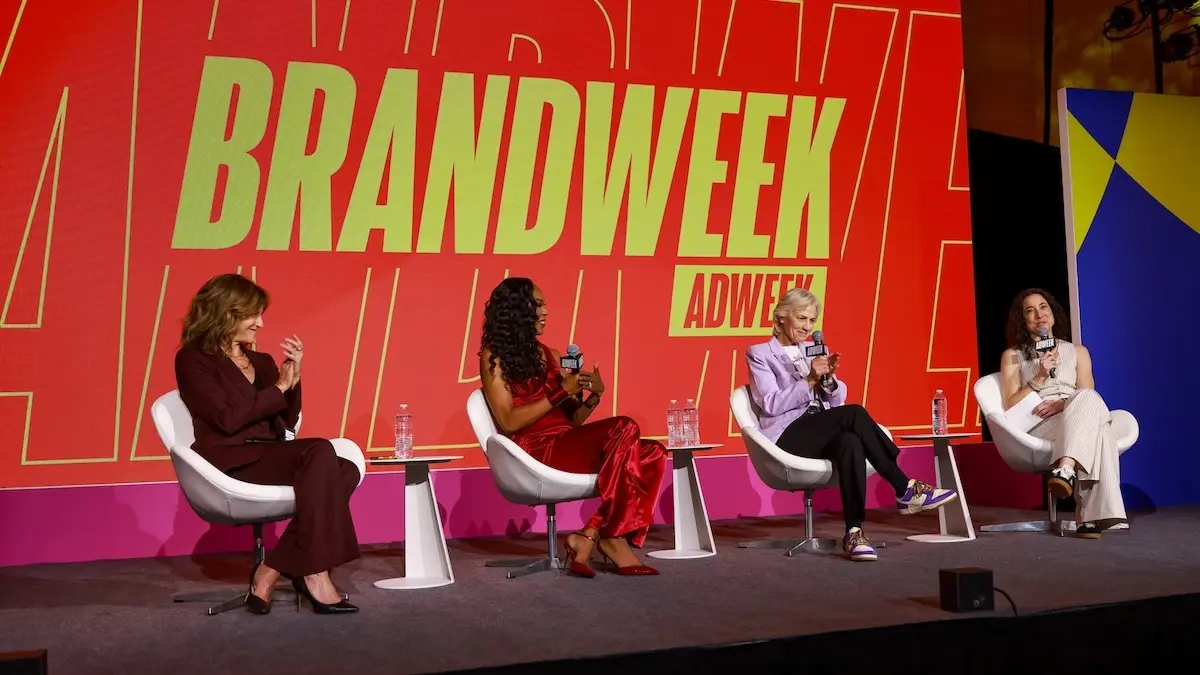
This cultural renaissance was brought into sharp focus at Brandweek, where industry titans, elite Olympians, and veteran media executives convened for a high-profile panel co-hosted by Scripps. Titled to explore the commercial and cultural vectors driving this growth, the session dissected how women’s sports are no longer merely fighting for a seat at the table—they are actively redesigning the room.
Industry leaders made it clear that capitalizing on this momentum requires far more than simply broadcasting live games. To sustain long-term growth, sports media networks and brands must invest in "shoulder programming," deep narrative storytelling, and values-aligned commercial partnerships. By moving beyond traditional men’s sports templates and allowing women’s sports to forge an authentic, distinct identity, stakeholders are unlocking profound consumer loyalty. This comprehensive report explores the pivotal insights, strategic imperatives, and future trajectory of women’s sports as outlined by the visionaries leading the charge.
Detailed Chronology: The Evolution from Scarcity to Prime-Time Dominance
To fully understand the current golden age of women’s sports, one must examine the arduous trajectory that preceded it. For generations, the commercial viability of female athletes was viewed through a lens of scarcity. Broadcast slots were relegated to undesirable late-night or weekend morning windows, production budgets were minimal, and promotional support was nearly non-existent.
The Turning Point: Accessibility and the Digital Catalyst
The modern resurgence did not happen overnight; it is the culmination of a decade-long digital shift where athletes bypassed traditional media gatekeepers to build direct-to-consumer relationships via social media platforms. Fans no longer had to wait for a regional television broadcast to check scores or follow highlights; they could connect directly with athletes on Instagram, TikTok, and X (formerly Twitter).
This grassroots digital engagement laid the groundwork for a broader media awakening. Linear networks and streaming platforms finally recognized that audiences possessed an insatiable appetite for competitive women’s athletics—provided the product was treated with professional production values and distributed consistently.
The Brandweek 2026 Convergence
The recent Brandweek panel served as a symbolic and strategic milestone for this evolution. Moderated by Sherry Pitkofsky, Senior Vice President of Marketing at Scripps Sports, the conversation brought together an elite panel of sports business leaders, including Olympic gold medalist Sanya Richards-Ross and legendary sports broadcaster Suzy Kolber. Together, they mapped out the current state of the industry, emphasizing that the modern consumer demands depth, narrative authenticity, and accessibility.
Pitkofsky opened the floor by diagnosing the primary hurdle facing the industry: the need for consistent, multi-platform access. She argued that broadcasting games is merely the baseline; true fandom requires an ecosystem of support.
"They need to be connected to the athletes," Pitkofsky stated. "They need that shoulder programming, and they need that social media to engage them in a big way."
This philosophy underscores a fundamental shift in sports broadcasting strategy. Networks are no longer treating women’s sports as occasional programming fillers; they are investing in dedicated content hubs, original documentary series, and year-round digital coverage designed to keep fans engaged during and between traditional competitive seasons.
Supporting Context & Metrics: The Mechanics of the Boom
The commercial viability of women’s sports is supported by a compelling convergence of shifting consumer demographics, rising television ratings, and structural league innovations.
The Participation Pipeline
At the grassroots level, participation numbers among girls have reached historic highs. Youth sports organizations report record-breaking registration rates across non-traditional sports such as flag football and rugby, alongside traditional powerhouses like basketball, soccer, and volleyball. This active participation directly correlates with viewing habits: girls and young women who play sports are significantly more likely to consume professional sports media as adults, creating a self-sustaining demographic loop.
Redefining the Broadcast Footprint
Historically, sports media relied on a "rip-and-read" model borrowed from men’s leagues. However, media analysts note that women’s sports thrive on narrative depth and community connection. The success of networks dedicated to expanding coverage windows demonstrates that audiences will tune in and remain loyal if given a comprehensive view of the athletes’ lives both on and off the field.
Furthermore, the economic metrics speak for themselves. Major media rights deals, once difficult to secure for women’s properties, are commanding competitive bids. Advertisers are discovering that audiences tuning into women’s sports are remarkably receptive, highly engaged, and deeply loyal to brands that visibly support gender equity and social responsibility.
Official Statements and Industry Insights
The Brandweek panel featured powerful perspectives from women who have spent their lives breaking barriers in athletics and sports journalism. Their insights illuminate the philosophical and operational shifts necessary to sustain the movement.
Sanya Richards-Ross on the Power of Storytelling
Sanya Richards-Ross, a U.S. Olympic gold medalist in track and field and the host of the Scripps Sports Network series Beyond the Curve, emphasized that the current boom is rooted in the inherent power of women’s stories.
"It’s wonderful that the world is finally catching on to what we have always known: that women are phenomenal athletes, but even more so, incredible storytellers," Richards-Ross shared.
Her show, aptly named after the curved shape of a running track, focuses on elite athletes who "push beyond their own curves to continue to be great." By focusing on vulnerability, resilience, and personal triumph, Beyond the Curve exemplifies the type of shoulder programming that deepens fan loyalty far beyond the final whistle of a game.
Suzy Kolber on Establishing a Unique Identity
Veteran sports broadcaster Suzy Kolber, who is set to host an upcoming original series on the Scripps Sports Network, stressed the importance of decoupling women’s sports from comparisons to men’s leagues. According to Kolber, women’s sports must be appreciated on their own terms rather than viewed derivative of male athletics.
"It’s not just a different version of men’s sports. It is its own sport with its own identity," Kolber explained. "For a long time, women just needed a chance. And once there’s the opportunity, people will tune in and will stay."
Kolber’s upcoming series explores how elite athletes navigate unconventional lives, summoning the courage to step outside conventional societal boxes to pursue their passions. This focus on individual journeys helps humanize the competitors, transforming them from transient sports figures into relatable cultural icons.
Amy Scheer on Unapologetic Brand Partnerships
While media networks provide the storytelling framework, commercial partners supply the economic fuel. Amy Scheer, Executive Vice President of Business Operations for the Professional Women’s Hockey League (PWHL), offered a masterclass in modern sports marketing during the panel.
Scheer highlighted how the PWHL’s unique organizational structure grants corporate partners an unprecedented level of creative freedom. Because the league operates as a single entity—retaining control over all 12 teams and league operations—it lacks the bureaucratic gridlock typical of legacy sports leagues.
"When you come in to be a partner with the PWHL, all ideas are on the table because we have control of our teams; we have control of the league and what we can do," Scheer noted. "And so the brainstorming from a partnership point of view becomes a lot of fun because we really don’t have guardrails on what we do."
Scheer also pointed out a vital psychological metric for brands: the emotional state of the consumer. Unlike news or dramatic entertainment, which may evoke anxiety or tension, sports provide an environment of collective joy and community belonging.
"Brands have an opportunity to connect with people and fans at a place that makes them happy," Scheer explained. "You have the chance to connect with the community in a place where it fills their soul and is something that they believe in."
She emphasized that modern consumers are increasingly values-driven. Fans actively patronize brands that demonstrate authentic alignment with their social principles, making partnerships with women’s sports leagues not just a charitable endeavor, but a highly effective commercial strategy.
Future Outlook: Sustaining Momentum Beyond the Hype
As the initial wave of excitement matures into a permanent fixture of the global entertainment economy, industry stakeholders must navigate several critical challenges to ensure long-term stability and growth.
1. Infrastructure and Investment Retention
The primary directive for league executives and media networks is maintaining continuous capital injection. While current sponsorship revenues are at an all-time high, leagues must reinvest these funds into player salaries, training facilities, and youth development programs. Professionalizing the infrastructure ensures that the talent pipeline remains deep and competitive for decades to come.
2. Expanding Production Quality and Distribution
The success of shoulder programming proves that fans want 360-degree coverage. Media companies must continue to innovate in digital distribution, utilizing streaming platforms, mobile apps, and social media channels to deliver real-time content. High-production-value documentaries, behind-the-scenes access, and athlete-driven media companies will be essential in keeping audiences engaged during the off-season.
3. Deepening B2B Brand Integration
As Amy Scheer noted, the lack of rigid guardrails in emerging women’s leagues allows for highly creative, non-traditional brand activations. Moving forward, forward-thinking brands will transition from static banner advertisements to deeply integrated, values-driven partnerships. By co-creating content with athletes and leagues, brands can build authentic emotional connections with consumers who reward purpose-driven corporate behavior with unwavering loyalty.
Conclusion
The transformation of women’s sports from an overlooked market into a powerhouse of cultural influence and commercial opportunity is one of the most significant developments in modern media history. Through the concerted efforts of visionary networks like Scripps, trailblazing media personalities like Sanya Richards-Ross and Suzy Kolber, and innovative sports executives like Amy Scheer, the industry has proven its undeniable worth.
By prioritizing narrative depth, emotional resonance, and frictionless partnership models, women’s sports are not merely participating in the contemporary entertainment landscape—they are defining its future.