

EXECUTIVE OVERVIEW
The upper echelons of global corporate marketing are undergoing a seismic reshuffling. Over the past fortnight leading up to August 21, the C-suite has experienced a flurry of high-profile hires, strategic departures, and structural realignments that signal a broader shift in how major brands intend to capture consumer attention. From fintech giants and artificial intelligence pioneers to fast-growing apparel retailers and legacy grocery conglomerates, the role of the Chief Marketing Officer—and the broader marketing leadership apparatus—is evolving at a dizzying pace.
This bi-weekly roundup captures the critical leadership transitions that are currently redefining the industry. Among the most notable developments are the planned departure of Klarna’s decade-long brand architect, David Sandström; a surprising and abrupt exit at Microsoft AI following a brief six-month tenure; a major entertainment-driven hire at Gap Inc. signaling the deeper convergence of retail and media; high-stakes retail talent swaps in the activewear and grocery sectors; and the relentless strategic pressures forcing companies to rethink their go-to-market strategies.
As consumer behaviors shift, economic pressures mount, and emerging technologies like generative AI redefine the creative process, brands are finding that their leadership needs are radically different today than they were even five years ago. This article provides an exhaustive, granular breakdown of these major executive movements, analyzing the catalysts behind the shifts, the professional backgrounds of the incoming and outgoing leaders, and the long-term strategic implications for the brands involved.
DETAILED CHRONOLOGY OF THE FORTNIGHT’S EXECUTIVE SHIFTS
The period leading up to August 21 was marked by a concentration of structural changes across diverse industry verticals. The common denominator among these moves is an urgent mandate for transformation, whether driven by an upcoming public offering, a pivot toward entertainment-commerce, or the rigorous demands of scale in hyper-competitive markets.
1. Klarna: David Sandström to Step Down After a Decade of Defining Buy-Now-Pay-Later Culture
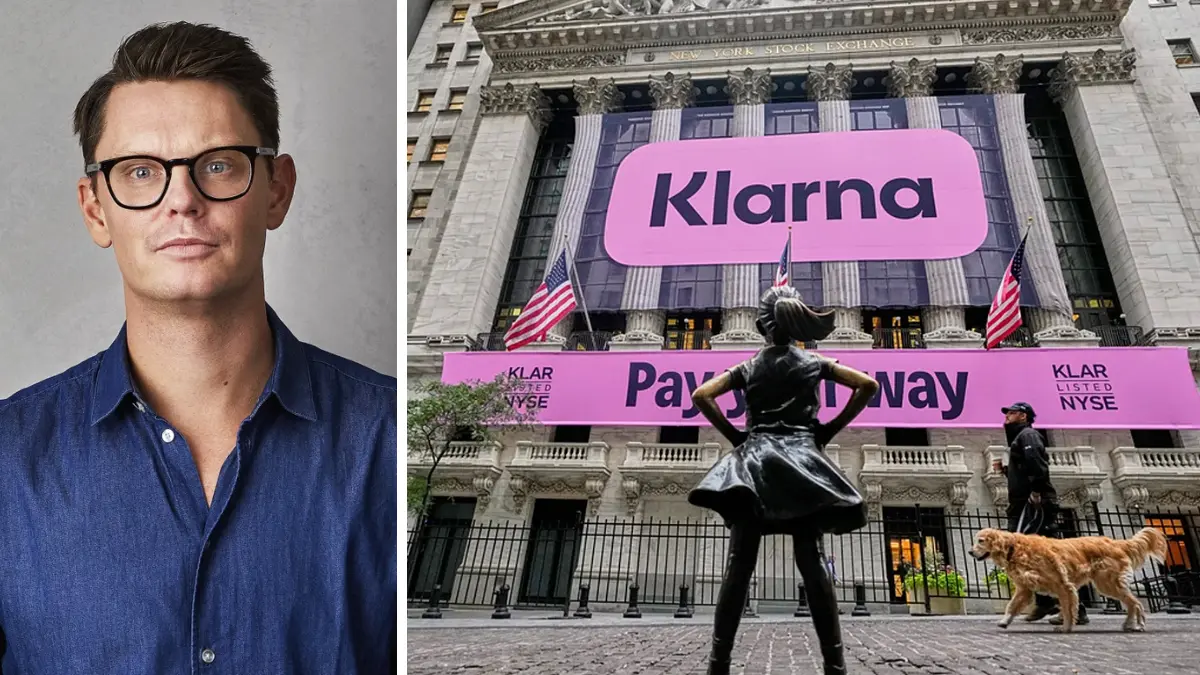
In what is arguably the most consequential departure of the cycle, Klarna announced that its longtime Chief Marketing Officer, David Sandström, will be stepping down from his role at the start of 2027. Sandström, who has been a defining force behind the fintech giant’s meteoric rise and distinctive brand identity over the past nearly ten years, will not be leaving immediately. Instead, Klarna has structured a deliberate, multi-month transition period. Over the next five months, Sandström will actively work to prepare the brand and its marketing apparatus for what the company terms "the next phase of Klarna’s development."
During his nearly decade-long tenure, Sandström transformed Klarna from a traditional Swedish payment provider into a globally recognized lifestyle and shopping brand. Under his leadership, the company executed daring, unconventional global marketing campaigns—spanning high-profile Super Bowl placements, provocative out-of-home advertising, and high-gloss cultural collaborations—that helped normalize the "Buy Now, Pay Later" (BNPL) model while cementing Klarna as a cultural verb among digital-first consumers.
The announcement of his departure coincides with other significant leadership transitions at the fintech firm, signaling that Klarna is systematically preparing its executive bench for a monumental new chapter, widely anticipated to include renewed public market maneuvers and aggressive global expansion. Sandström’s successor has not yet been named, leaving industry watchers eager to see whether Klarna will promote from within to maintain its distinct creative ethos or recruit external talent to steer its next era of financial maturity.
2. Microsoft AI: Andréa Mallard Departs Following a Brief Six-Month Tenure
In the technology sector, stability is often prized above all else, making executive departures from critical business units all the more disruptive. Microsoft AI experienced a notable loss with the departure of CMO Andréa Mallard, who is exiting the division just six months after taking the helm.
Mallard’s arrival at Microsoft AI in January was heralded as a major coup for the tech titan. She brought with her an illustrious pedigree, having previously served as the Chief Marketing Officer of Pinterest for seven years, where she played a pivotal role in shaping the visual search and discovery platform’s brand narrative through periods of immense growth and its subsequent IPO. Before Pinterest, Mallard held senior leadership roles at consumer tech and design-forward companies, building a reputation for harmonizing human-centric storytelling with complex technological ecosystems.
Her rapid exit from Microsoft AI—a newly consolidated division tasked with embedding generative artificial intelligence across Microsoft’s vast product portfolio—raises pressing questions about the internal dynamics and strategic pressures facing marketing leaders within the tech sector’s high-stakes AI arms race. As Microsoft races against Alphabet, Apple, OpenAI, and Meta to define the AI paradigm for billions of users, the marketing department faces the immense challenge of communicating deeply technical capabilities to skeptical consumers and enterprise clients alike. Microsoft has yet to announce an interim leader or a permanent successor for Mallard, leaving the immediate trajectory of the AI division’s global messaging momentarily in flux.
3. Gap Inc.: Justin Breton Joins to Supercharge the "Fashiontainment" Initiative
Retail and apparel giant Gap Inc. continues to double down on its aggressive strategy to blur the lines between retail commerce and Hollywood entertainment. Following its splashy hire of Paramount veteran Pam Kaufman as its inaugural Chief Entertainment Officer in January, Gap Inc. has tapped former Walmart marketing standout Justin Breton to spearhead original content development for its burgeoning "Fashiontainment" business initiative.
Breton brings a wealth of experience in experiential marketing, brand partnerships, and modern retail storytelling. During his tenure at Walmart, Breton was instrumental in developing innovative marketing vehicles that bridged traditional retail with digital-first entertainment platforms, including early fornings into shoppable livestreams, interactive digital spaces, and strategic entertainment integrations.
At Gap Inc., Breton’s mandate is clear: to pivot iconic apparel brands like Old Navy, Gap, Banana Republic, and Athleta away from traditional, ad-spend-heavy promotional cycles and toward proprietary content creation. By embedding Gap brands directly into narrative storytelling, streaming media, and culturally resonant entertainment formats, the company is betting that consumers will buy not just a pair of jeans or a sweater, but a stake in a lifestyle narrative. This structural pivot reflects a broader industry recognition that modern consumers—particularly Gen Z and Millennials—are increasingly immune to traditional banner ads and transactional marketing, demanding instead authentic narrative integration and entertainment value.
4. Vuori: Carey Collins Krug Named CMO from Abercrombie & Fitch
The athleisure market remains one of the most fiercely contested battlegrounds in modern retail, dominated by industry giants like Lululemon alongside surging challengers. To fortify its market position and accelerate its global footprint, high-growth activewear brand Vuori has named Carey Collins Krug as its new Chief Marketing Officer.
Krug joins Vuori from Abercrombie & Fitch, where she played a central role in orchestrating the iconic retailer’s impressive multi-year brand turnaround and cultural resurgence. Her resume reads as a masterclass in fashion and lifestyle brand management, featuring senior leadership and marketing roles at premier luxury and contemporary houses, including David Yurman, Ralph Lauren, and Donna Karan International (DKI).

Krug’s appointment signals a strategic maturation for Vuori. While the brand has enjoyed immense organic growth driven by product quality and west-coast lifestyle appeal, scaling to the next tier of global market dominance requires a sophisticated, data-driven, and culturally ubiquitous marketing engine. Krug’s extensive background in balancing heritage luxury sensibilities with high-volume, trend-responsive retail execution makes her uniquely positioned to guide Vuori through its next phase of international expansion and omnichannel retail scaling.
5. Albertsons: Emily Turner Steps in as SVP and CMO
In the fiercely competitive and low-margin grocery retail sector, marketing leadership must constantly balance the demands of digital loyalty programs, supply chain visibility, and localized promotional cadence. Albertsons has moved to strengthen its executive bench by appointing former Fresh Market CMO Emily Turner as Senior Vice President and Chief Marketing Officer.
Turner brings deep domain expertise in grocery retail, specialty food marketing, and customer relationship management (CRM). During her tenure at The Fresh Market, Turner was credited with modernizing the brand’s digital touchpoints, elevating its culinary storytelling, and driving targeted loyalty initiatives that deepened consumer engagement.
At Albertsons—one of the largest food and drug retailers in the United States, operating banners including Safeway, Vons, Jewel-Osco, and Shaw’s—Turner will be tasked with orchestrating marketing strategies across a sprawling, multi-regional footprint. Her appointment comes at a time when grocery retailers are heavily investing in retail media networks (RMNs), hyper-personalized mobile app experiences, and data-driven promotions to retain price-sensitive consumers navigating ongoing inflationary pressures.
SUPPORTING CONTEXT & INDUSTRY METRICS
To fully understand the weight of these executive movements, one must examine the macroeconomic and structural realities governing the contemporary CMO’s office. The modern Chief Marketing Officer sits at one of the most volatile intersections in corporate governance.
The Shrinking Tenure of the Modern CMO
According to recent industry benchmarks compiled by executive search firms such as Spencer Stuart and Korn Ferry, the average tenure of a Fortune 500 Chief Marketing Officer continues to hover near historic lows, typically resting between 3.5 and 4 years. This stands in stark contrast to the tenures of CEOs and CFOs, which frequently stretch past the half-decade mark.
The reasons for this high turnover are multifaceted:
- Unrealistic Expectations: CMOs are frequently tasked with driving immediate short-term sales lifts while simultaneously building long-term brand equity, two objectives that often exist in strategic tension.
- Technological Disruption: The rapid proliferation of artificial intelligence, programmatic advertising, privacy regulations, and retail media networks has radically expanded the technical skill set required to lead a marketing department, creating steep learning curves.
- P&L Responsibility: Increasing pressure from boards and activist investors to tie marketing spend directly to top-line revenue has made marketing leaders prime scapegoats during periods of macroeconomic uncertainty or sluggish quarterly earnings.
The Rise of Specialized Marketing Roles
The moves documented over this two-week period also highlight a fascinating structural trend: the decentralization and specialization of the traditional marketing function. Companies are increasingly dividing responsibilities that once fell squarely under a single CMO’s purview into distinct, hyper-focused executive roles:
- Chief Entertainment Officers: As seen with Gap Inc.’s hiring of Pam Kaufman and the subsequent alignment of Justin Breton’s content initiatives, brands are treating themselves like media companies, requiring dedicated executives from Hollywood and streaming backgrounds.
- AI and Data Operations: The rapid departure of Andréa Mallard from Microsoft AI underscores the friction between traditional brand marketing and deep-tech product positioning, suggesting that companies may need specialized "AI Marketing Technologists" rather than traditional generalists to lead bleeding-edge tech divisions.
- Retail Media and CRM Specialists: Leaders like Emily Turner at Albertsons and Carey Collins Krug at Vuori demonstrate that modern retail success relies less on traditional broadcast media and far more on proprietary data ecosystems, first-party customer insights, and seamless digital-to-physical shopping journeys.
OFFICIAL STATEMENTS & EXECUTIVE INSIGHTS
The official commentary accompanying these leadership transitions reveals a common corporate vocabulary centered on transformation, preparedness, and structural evolution.
Addressing his departure planned for early 2027, Klarna’s David Sandström emphasized the intentionality of the timeline:
"Transitioning out over the next five months allows us to meticulously prepare the brand and the team for the next phase of Klarna’s development. Building this brand over the past decade has been the privilege of a lifetime, and ensuring a seamless handoff is my final commitment to this incredible organization."
While Microsoft has maintained a measured silence regarding the abrupt departure of Andréa Mallard from its AI division, industry insiders note that the division’s overarching mission remains unchanged. The challenge for Microsoft will be securing a visionary leader capable of translating complex algorithmic breakthroughs into compelling consumer narratives that can compete against deeply entrenched tech ecosystems.
Gap Inc.’s ongoing evolution toward content-driven commerce was reinforced by the integration of Justin Breton into its Fashiontainment initiative. In statements surrounding his hiring, company leadership emphasized that the future of retail apparel depends on breaking away from transactional advertising and embracing immersive storytelling. Breton’s past success at Walmart in bridging entertainment and commerce is viewed by Wall Street analysts as a vital asset for Gap as it attempts to reinvigorate its historic brand portfolio.
FUTURE OUTLOOK: WHAT THIS MEANS FOR THE BRAND ECOSYSTEM
As the dust settles on this intense fortnight of executive shuffles, several clear trajectories emerge for the remainder of 2026 and heading into 2027:
- The Intensification of "Content-as-Commerce": The hiring trends at Gap Inc. and Walmart’s historical footprint signal that traditional retail marketing is no longer sufficient. Expect more apparel and consumer goods brands to poach senior executives from media, entertainment, and streaming giants to build proprietary content studios.
- Fintech and Enterprise Realignment: As Klarna prepares for its post-Sandström era and Microsoft AI recalibrates its leadership, both fintech and big tech will face acute pressure to prove that their marketing strategies can deliver sustainable, profitable growth in saturated global markets.
- The Premium Retail Tug-of-War: With luxury and contemporary veterans like Carey Collins Krug taking the reins at high-growth brands like Vuori, the boundaries between activewear, streetwear, and luxury fashion will continue to blur, driving a heightened focus on brand storytelling and elevated customer experiences.
- Grocery and Retail Media Monetization: Under leaders like Emily Turner at Albertsons, grocery marketing will continue its aggressive evolution into sophisticated digital media networks, where first-party data and hyper-targeted personalization dictate market share.
Ultimately, these executive moves are more than mere musical chairs among corporate elites. They are the leading indicators of how major brands are structurally adapting to a radically altered consumer landscape—one where attention is scarce, technology moves at breakneck speed, and the traditional rules of marketing no longer apply.