

NEW YORK — In an era where the beauty and personal care aisles are saturated with minimalist packaging, aesthetic pastel bottles, and viral TikTok-driven fragrances, a quiet backlash has been brewing. Consumers have increasingly found themselves trading deep dermal hydration for fleeting sensory experiences, lured in by marketing promises that prioritize Instagram-readiness over actual skin barrier repair.
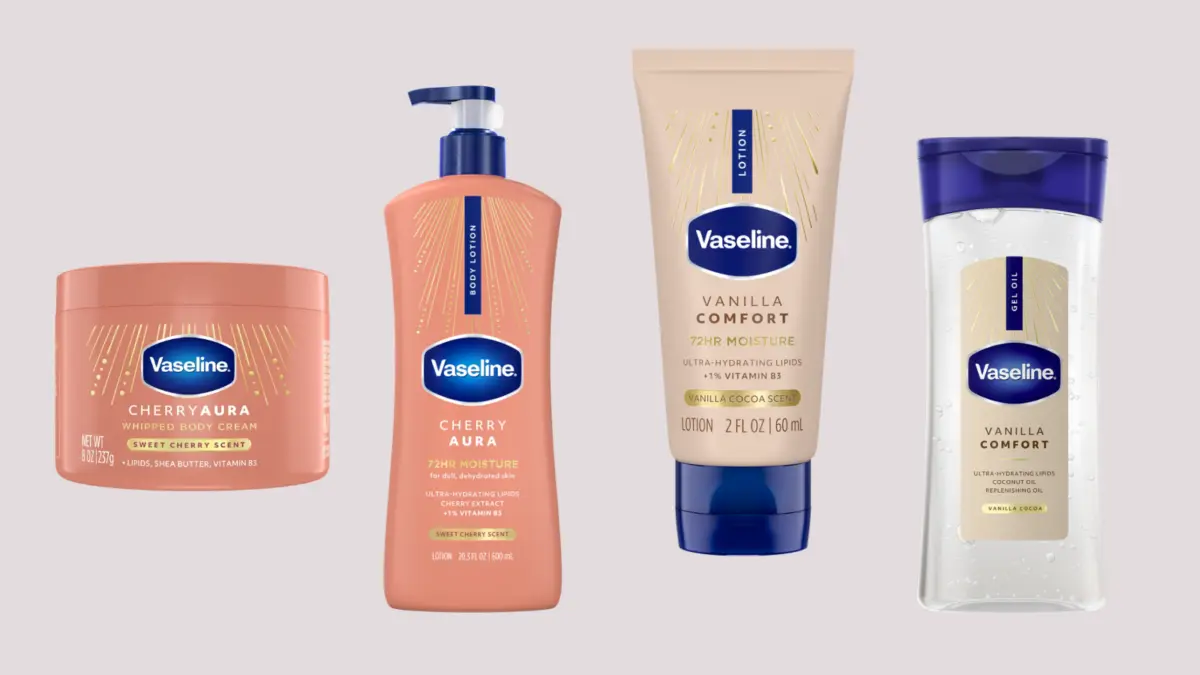
Enter Vaseline. In a bold, experiential marketing maneuver, the Unilever-owned heritage brand is offering disillusioned beauty enthusiasts a lifeline—and a literal trade-in. This weekend at Flatiron Plaza in New York City, Vaseline is launching an official lotion trade-in event, inviting consumers to surrender their underperforming, trendy moisturizers in exchange for the brand’s newest formulations: Cherry Aura and Vanilla Comfort.
Beyond the immediate gimmick of a product swap lies a calculated counter-offensive. Vaseline is positioning itself as an authoritative voice of reason in a marketplace overloaded with superficial novelties, aiming to reclaim its territory by championing what executives call “sensory with substance.”
Executive Overview
The beauty industry stands at a fascinating crossroads. On one side are legacy giants whose formulations have stood the test of decades, backed by dermatological science and deep manufacturing supply chains. On the other side is a relentless wave of direct-to-consumer (DTC) and indie brands that leverage social media algorithms, celebrity founders, and transient scent profiles to capture the fleeting attention of Gen Z and Millennial consumers.
However, a cultural fatigue is setting in. As consumers navigate economic pressures and heightened skepticism toward online hype, the demand for efficacy over aesthetics has reached a boiling point. Vaseline’s upcoming pop-up event in New York City is not merely a product sampling exercise; it is an aggressive diagnostic statement on the current state of consumer goods.
By targeting the pain points of the modern skincare buyer—specifically, the disappointment of purchasing a lotion that smells divine for ten minutes but leaves skin parched by noon—Vaseline is executing a masterclass in experiential reclamation. This report examines the mechanics of the trade-in event, the broader market dynamics fueling consumer dissatisfaction, strategic insights from Unilever leadership, and what this signals for the future of personal care marketing.
Detailed Chronology: The Road to Flatiron Plaza
To understand the strategic weight of Vaseline’s upcoming activation, one must trace the convergence of social media-driven beauty trends and the subsequent consumer awakening that made a "losing-lotion trade-in" culturally viable.
Phase I: The Rise of the Sensory-First Beauty Market
Over the last thirty to thirty-six months, the personal care landscape experienced an unprecedented boom in scent-forward, lifestyle-oriented body care. Propelled by platforms like TikTok and Instagram Reels, body lotions ceased to be functional healthcare products and transformed into lifestyle accessories. Brands discovered that complex, nostalgic, or hyper-specific fragrance profiles—ranging from bakery notes to sophisticated amber blends—could drive viral organic reach overnight.
However, rapid formulation scaling often came at the expense of core dermatological performance. Lightweight gels, fast-absorbing waters, and heavily fragranced emulsions frequently compromised on occlusive properties, leaving skin dry beneath a fragrant veneer.
Phase II: The Consumer Backlash and Formulation Fatigue
By mid-2024, online beauty communities began expressing collective exhaustion. Reviewers and creators started calling out products that were "all vibes, no hydration." Consumers realized they were paying premium prices for sleek packaging and short-lived scents, only to find themselves reapplying products multiple times a day without achieving genuine skin nourishment.
This growing undercurrent of buyer’s remorse provided legacy brands with an opening. Rather than attempting to mimic the flashy, minimalist aesthetics of indie competitors, legacy giants realized their greatest asset was undeniable, proven efficacy.
Phase III: Conception of the "Trade-In" Strategy
Conceptualized in partnership with Unilever’s creative and experiential marketing teams, the Flatiron Plaza activation was designed to capitalize on this exact cultural friction point. The logistics were finalized in early autumn, establishing a mechanism whereby any consumer holding an unsatisfactory, underperforming lotion could physically surrender it to a brand representative.
In return, participants receive Vaseline’s latest innovations: Cherry Aura and Vanilla Comfort. These products were explicitly engineered to bridge the historical divide in legacy personal care: offering elevated, mood-boosting sensory fragrance profiles while maintaining the benchmark occlusion and deep moisture retention that Vaseline has delivered for over 150 years.
Supporting Context & Metrics: The State of the Skincare Economy
To fully appreciate the commercial acumen behind Vaseline’s initiative, market analysts must examine the quantitative shifts occurring within the global personal care sector.
Market Saturated, Consumers Skeptical
According to recent retail analytics data, the global body care market has experienced a compound annual growth rate (CAGR) exceeding 5% over the past five years. Yet, market saturation has brought diminishing returns for new entrants. Consumer research indicates that over 64% of skincare buyers have experienced "buyer’s remorse" after purchasing a viral beauty product based solely on social media recommendations.
Furthermore, economic headwinds have prompted shoppers to scrutinize every line item in their discretionary spending. When budgets tighten, consumers are less forgiving of products that fail to perform their core mechanical function. A lotion that does not hydrate is no longer viewed as a cute indulgence; it is viewed as wasted capital.
The Heritage Advantage in an Uncertain Market
Legacy brands like Vaseline occupy a unique psychological tier in the consumer mindset. They represent safety, reliability, and scientific validation. However, the historic challenge for legacy brands has been combating perceptions of being "old-fashioned" or "utilitarian."
By introducing contemporary scent profiles like Cherry Aura and Vanilla Comfort, Vaseline is not abandoning its core value proposition of deep hydration; rather, it is updating its sensory language to speak directly to younger, trend-conscious demographics without sacrificing its foundational authority.
Official Statements and Industry Insights
In an exclusive interview with ADWEEK, Kate Godbout, Head of Vaseline North America, shed light on the strategic thinking driving the Flatiron Plaza activation.
"At a time when the skincare aisle is saturated with newcomers, we want to remind shoppers that Vaseline offers ‘sensory with substance,’" Godbout explained.
The phrase "sensory with substance" serves as the ideological anchor for Vaseline’s current marketing campaign. In an industry prone to swinging wildly between purely clinical, scent-free medical formulations and hyper-fragranced, low-efficacy lifestyle products, Vaseline is staking out the profitable middle ground: products that delight the senses while performing at a high clinical level.
Godbout noted that the entire campaign was born out of direct observation of consumer behavior online and in retail environments.
"The event was inspired by consumer frustrations with ‘trendy’ lotions that promise fun fragrances but do not deliver on hydration," Godbout said.
By validating these frustrations publicly—and giving consumers a physical outlet to purge their disappointing purchases—Vaseline transforms passive dissatisfaction into active brand loyalty. Participants are not just receiving a free sample; they are participating in a symbolic rejection of superficial consumerism.
Future Outlook: What the "Trade-In" Model Signals for Brand Marketing
As experiential marketing continues to evolve post-pandemic, simple pop-up shops featuring generic photo backdrops and free product handouts are no longer sufficient to capture consumer attention or drive media earned value. Modern audiences demand interactivity, humor, self-awareness, and tangible value exchanges.
1. The Death of the Passive Sample
Vaseline’s lotion trade-in model points toward a future where sampling becomes interactive and diagnostic. Instead of handing out miniature bottles to indifferent crowds, brands will increasingly ask consumers to engage in comparative testing, trade-ins, or interactive challenges that highlight direct product superiority over market competitors.
2. The Counter-Positioning of Legacy Giants
Expect other century-old personal care brands to follow Vaseline’s lead by weaponizing their formulation heritage against flash-in-the-pan social media brands. As consumers grow fatigued by the endless cycle of micro-trends, heritage brands that can successfully marry modern scent and texture trends with time-tested efficacy will capture significant market share.
3. Sustainability and Circular Retail Psychology
While the primary objective of the Flatiron activation is brand positioning and trial generation, the concept of a "trade-in" taps into broader consumer consciousness regarding waste and intentional consumption. Even if the surrendered lotions are processed safely off-site, the psychological framing encourages consumers to audit their consumption habits, moving away from impulse-driven hoarding toward curated, high-performance routines.
Conclusion
Vaseline’s weekend takeover of Flatiron Plaza is far more than a clever public relations stunt. It is a calculated market diagnostic and a strategic positioning masterclass. By giving voice to consumer frustrations with underperforming, hyper-marketed modern lotions, Vaseline has successfully cast itself as the antidote to superficial beauty trends.
As shoppers increasingly demand that their personal care products deliver rigorous functional benefits alongside elevated sensory experiences, Vaseline’s message of "sensory with substance" hits all the right notes. For anyone standing in their bathroom staring at a row of half-used, fragrant-yet-useless bottles, Saturday, November 7, offers a welcome redemption: the chance to trade empty hype for enduring hydration.